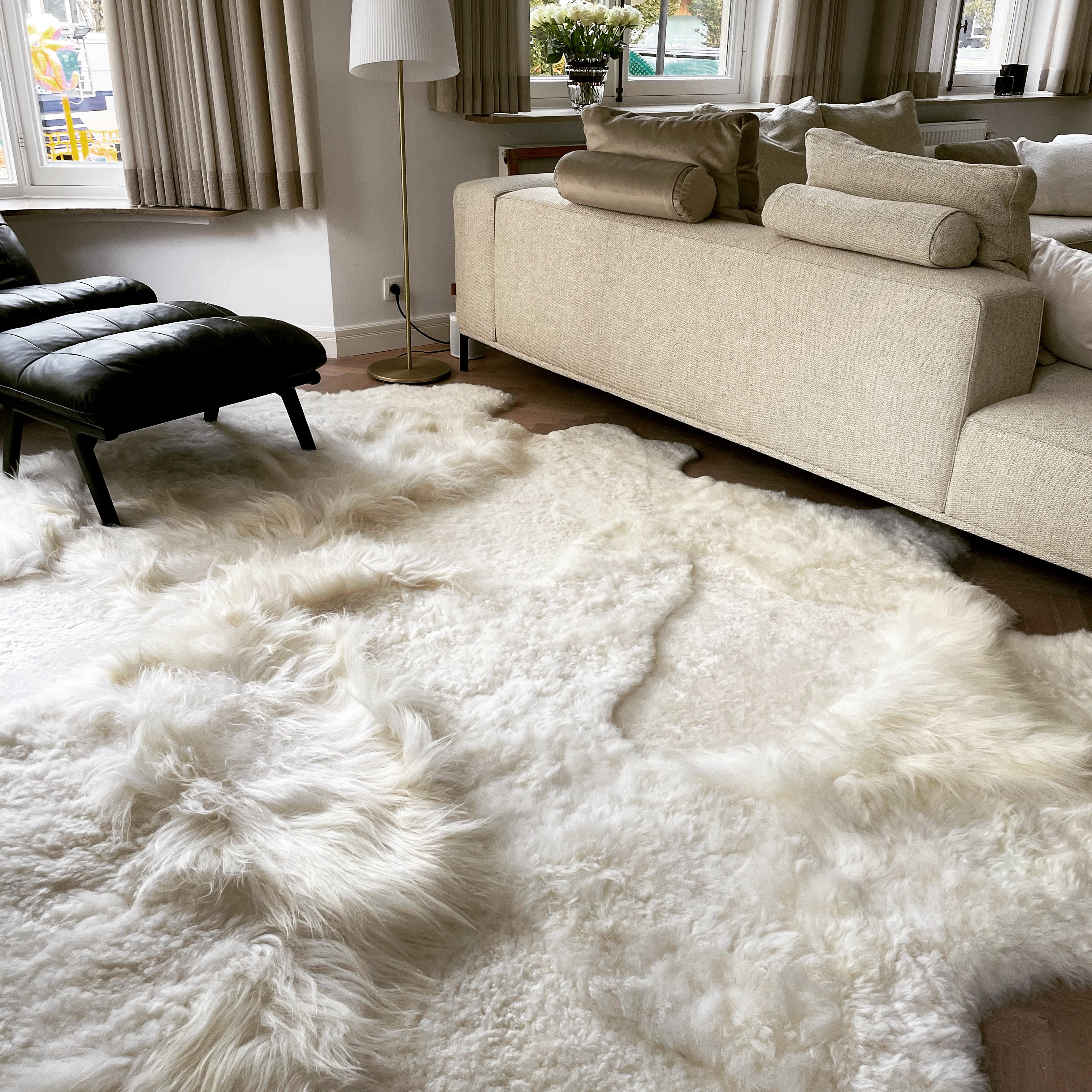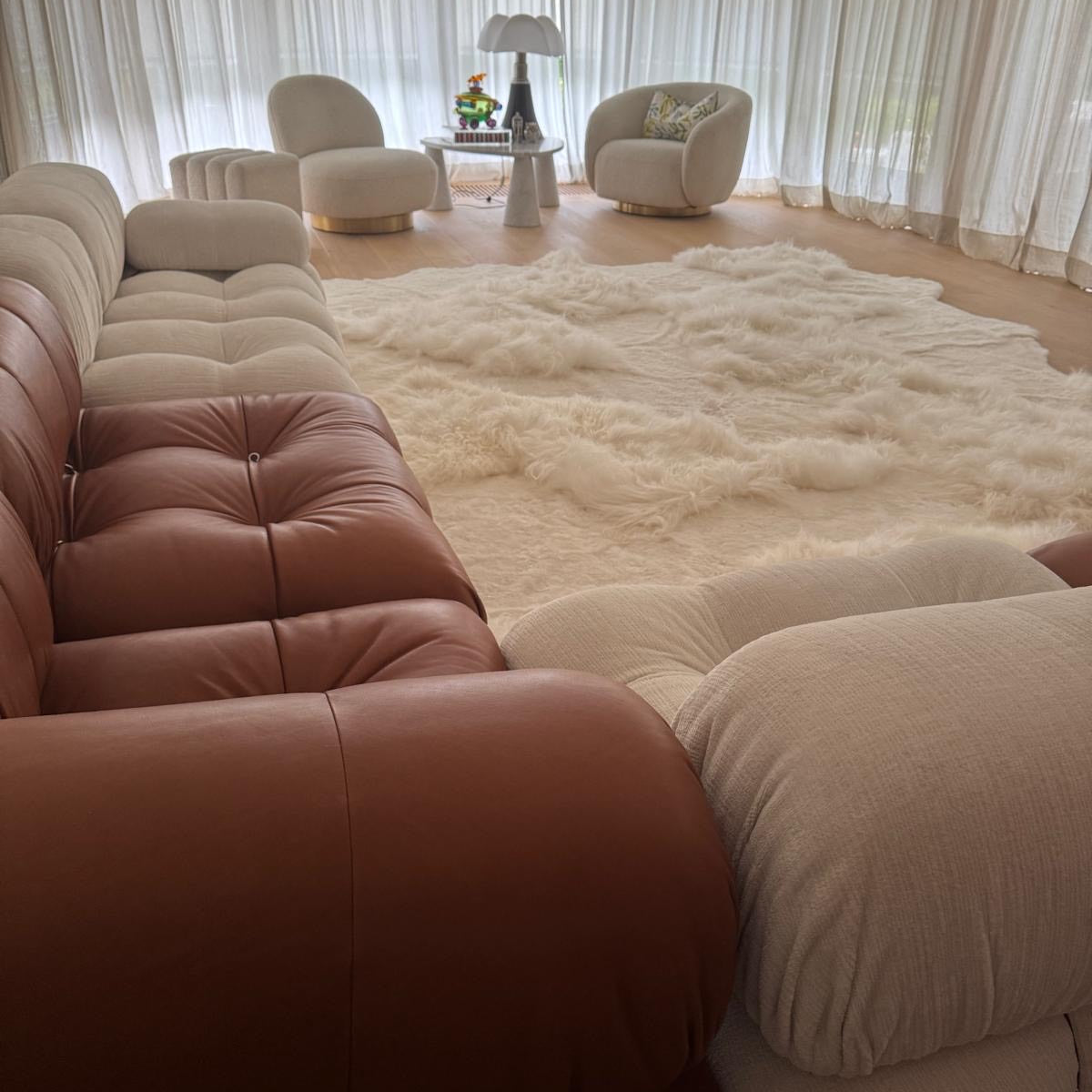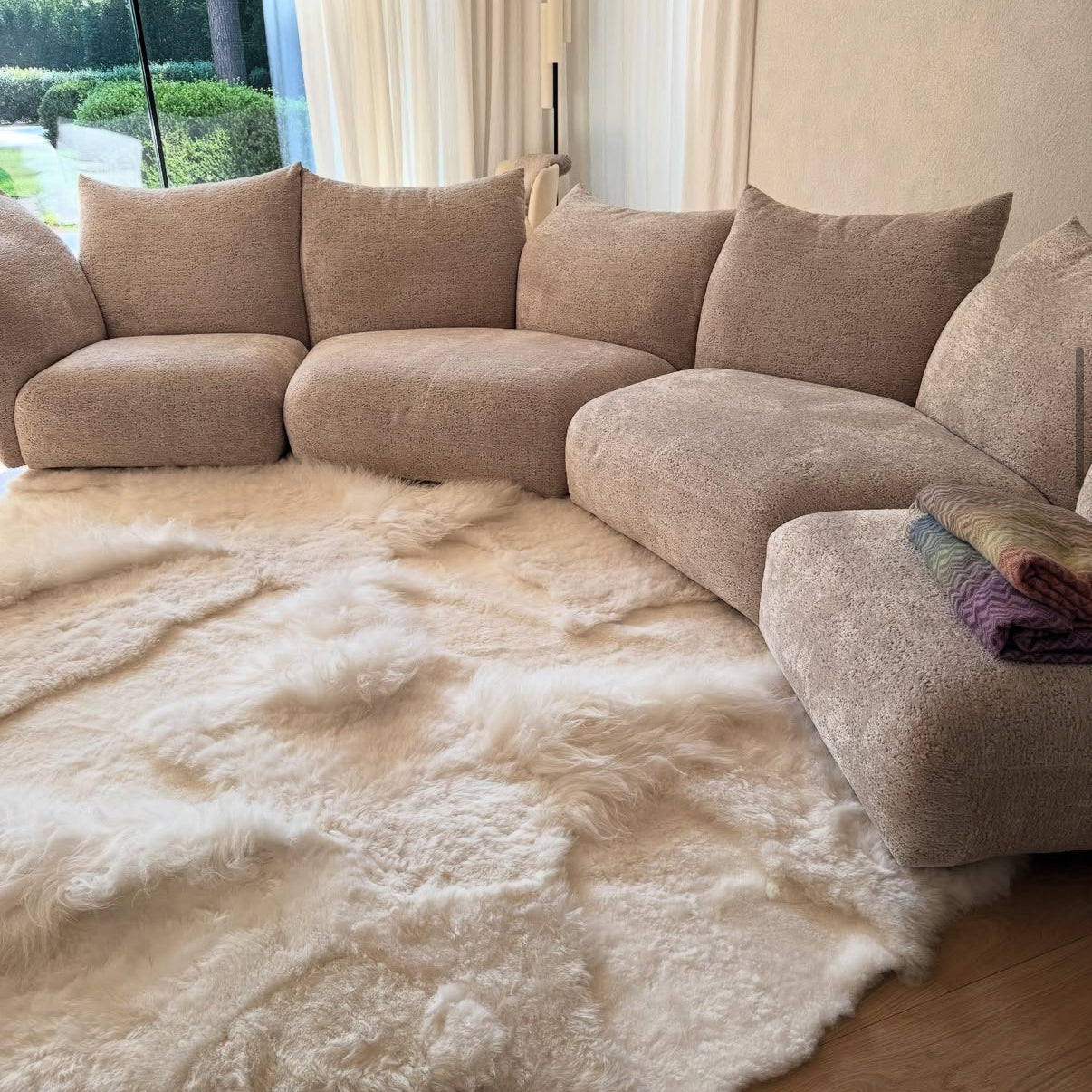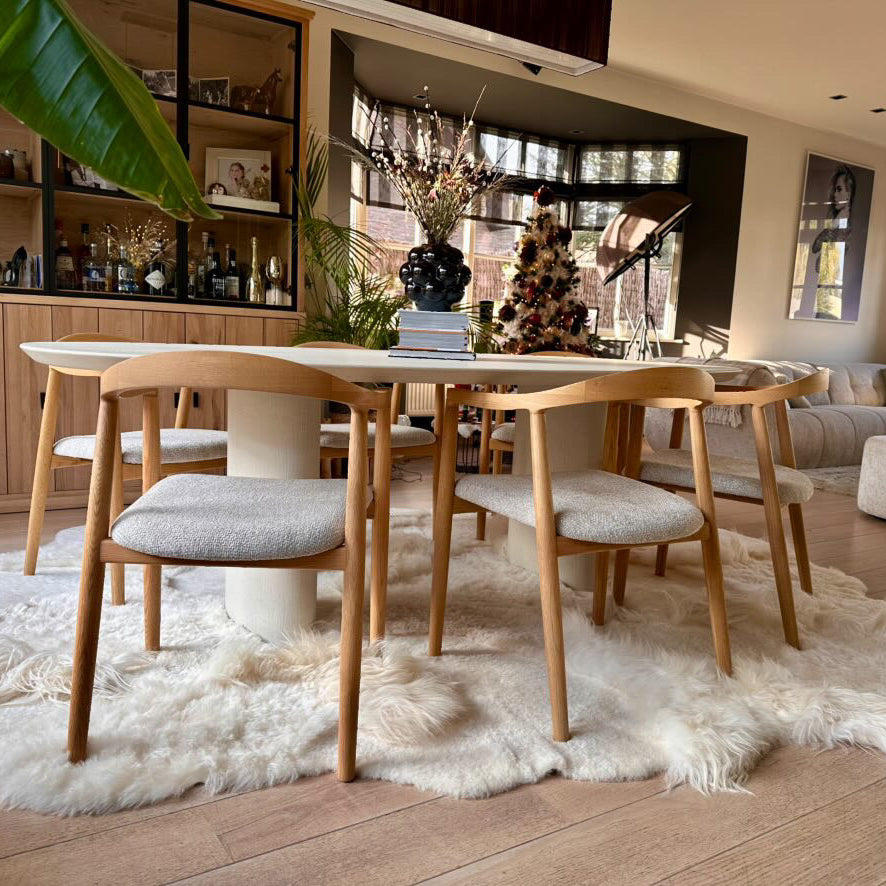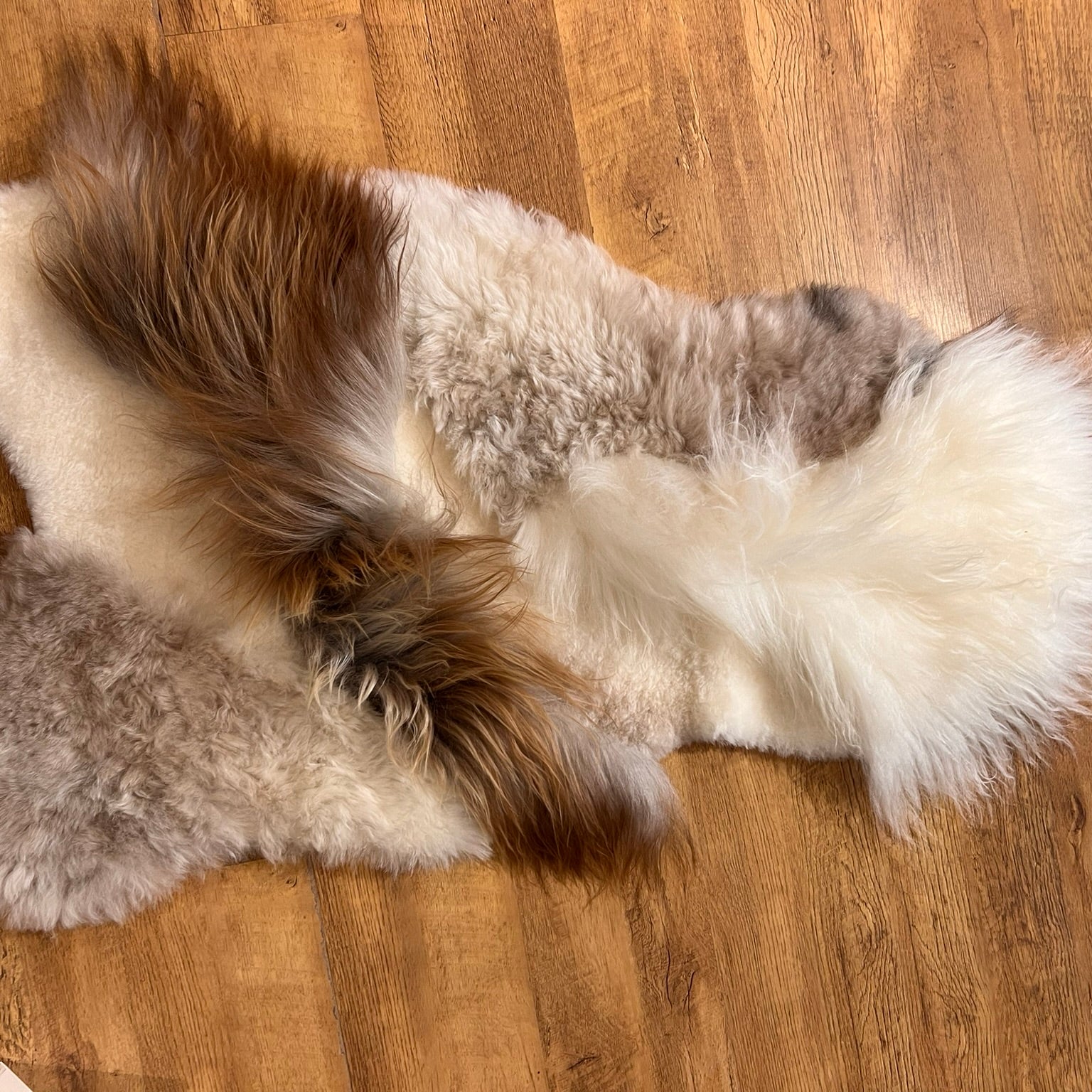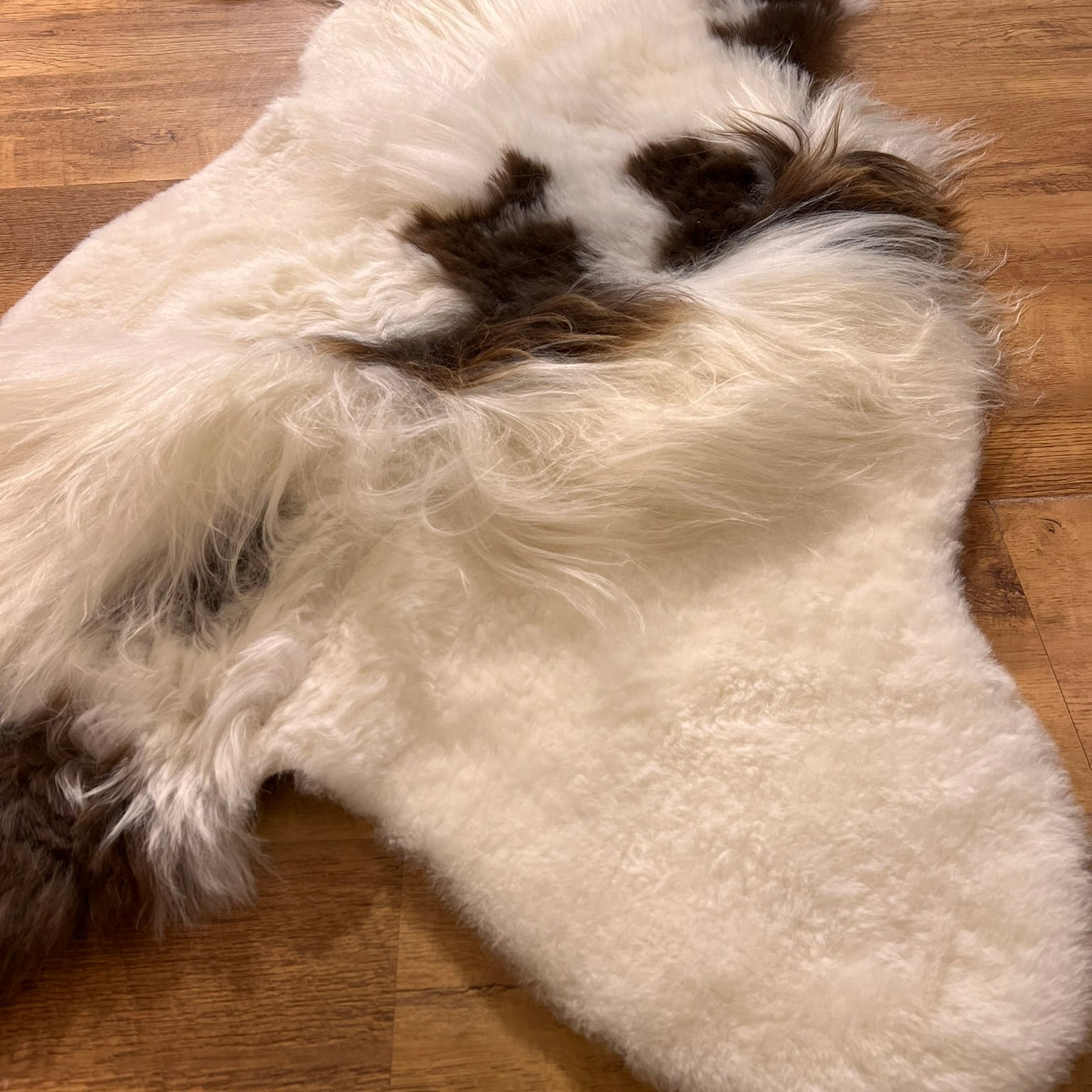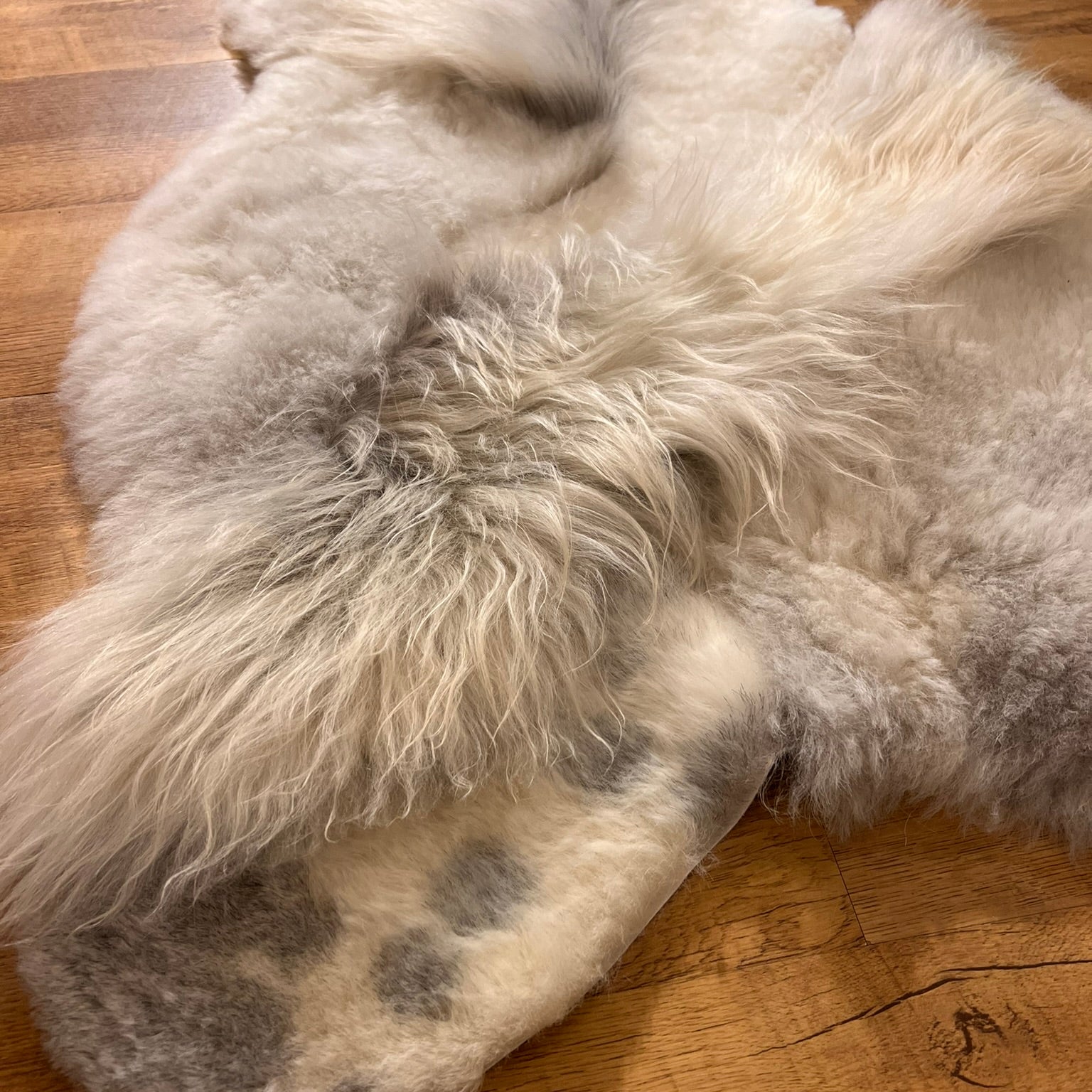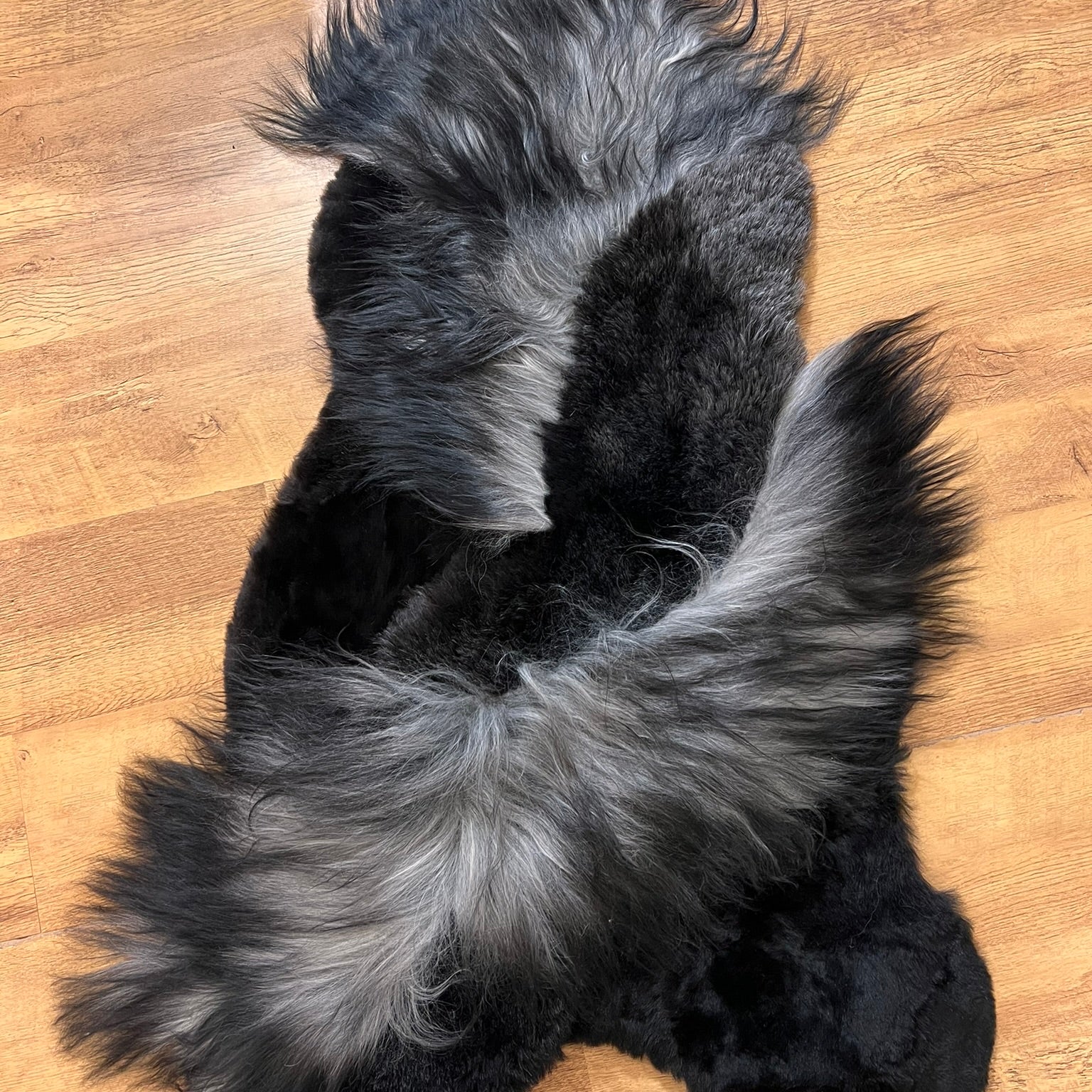
Sheepskins have been an integral part of daily life for centuries, from traditional clothing to essential household items in cold climates. Today, these versatile hides are valued for their durability, historical significance, and aesthetic value in modern interiors. This blog post explores the integration of sheepskins into contemporary homes, their sustainable aspects, and their historical roots.
Historical Use of Sheepskins
Historically, sheepskins played a crucial role in human survival in cold climates due to their excellent insulating properties. Sheep were not only valuable for their meat and milk, but their skins were also essential for making clothing, coverings, and even shelter. In many cultures, sheepskins symbolized wealth and prosperity and were used in rituals and as dowries.
Sustainability of Sheepskins
Sheepskins are a paragon of sustainability in the modern world. As a natural byproduct of livestock farming, they are obtained without requiring additional resources, contributing to their ecological footprint. They are fully biodegradable, hypoallergenic, and contain lanolin, which has natural antibacterial properties. Furthermore, because they are extremely durable, sheepskins can last for decades with proper care, reducing the need for frequent replacements.
Sheepskins in Modern Interior Design
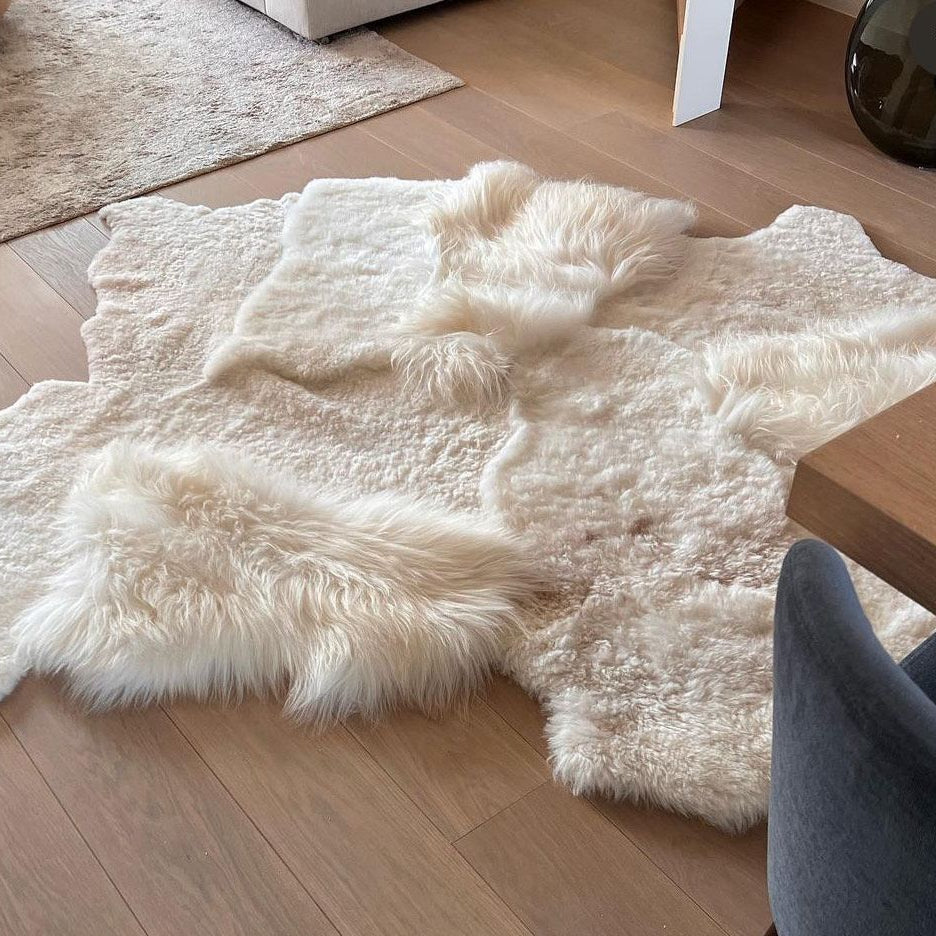
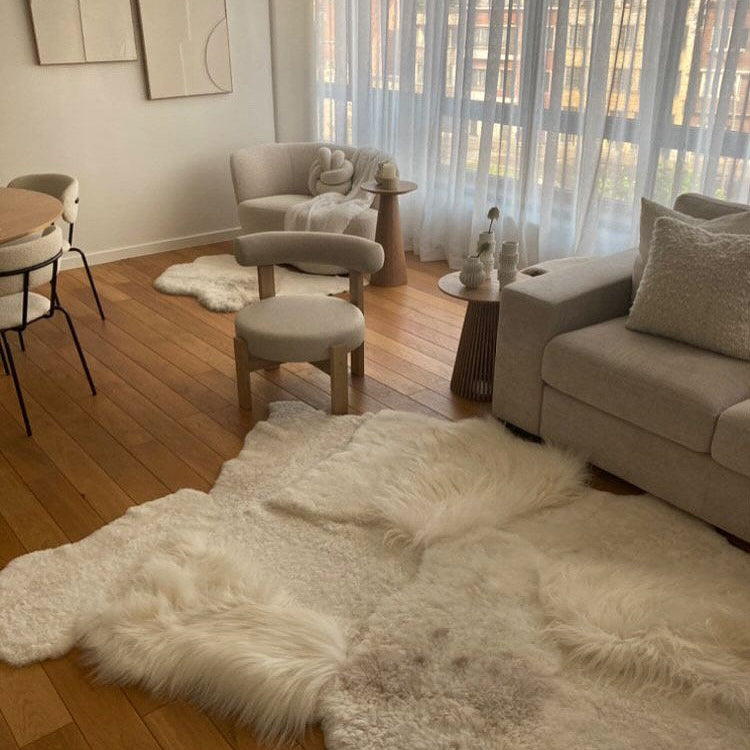
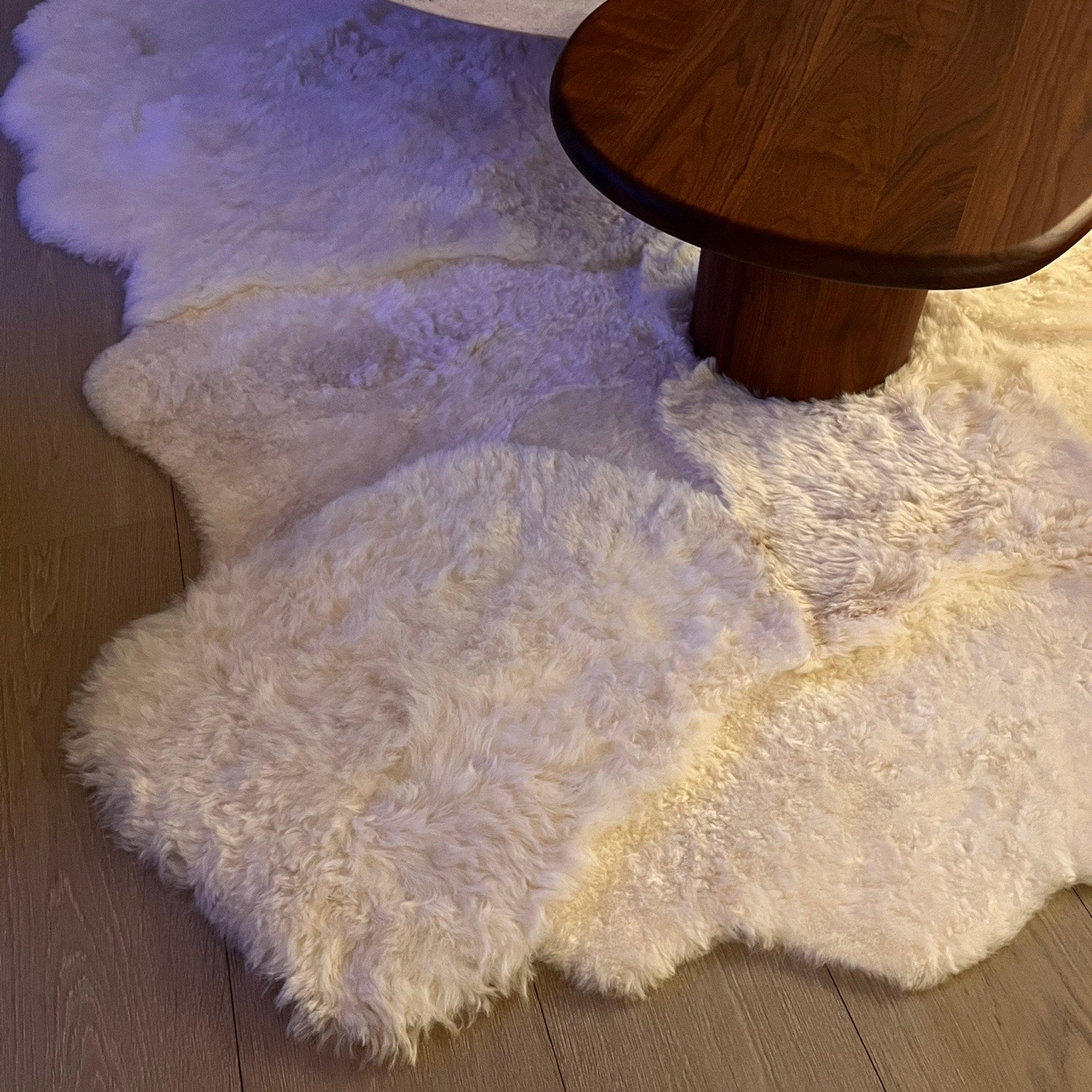
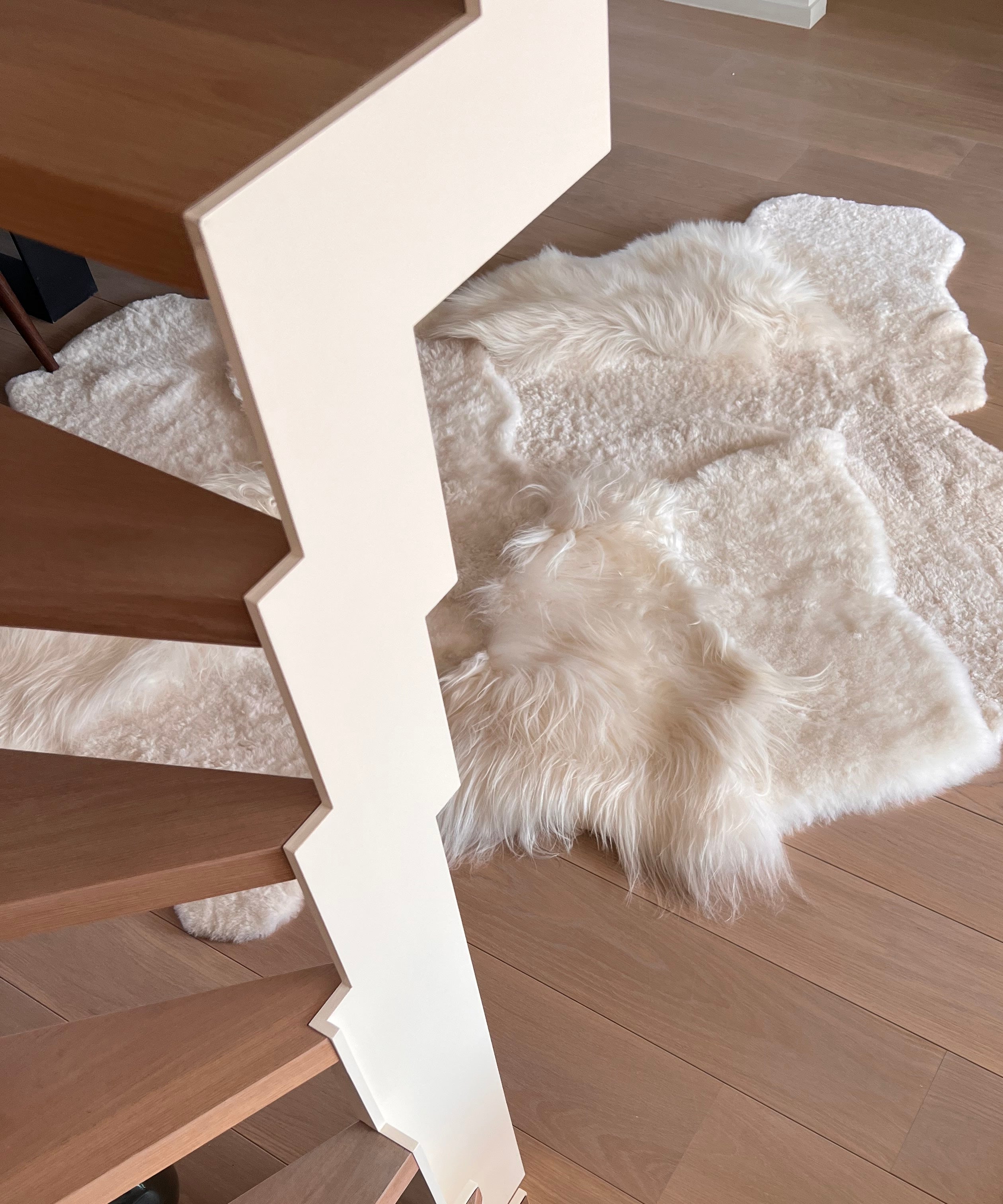
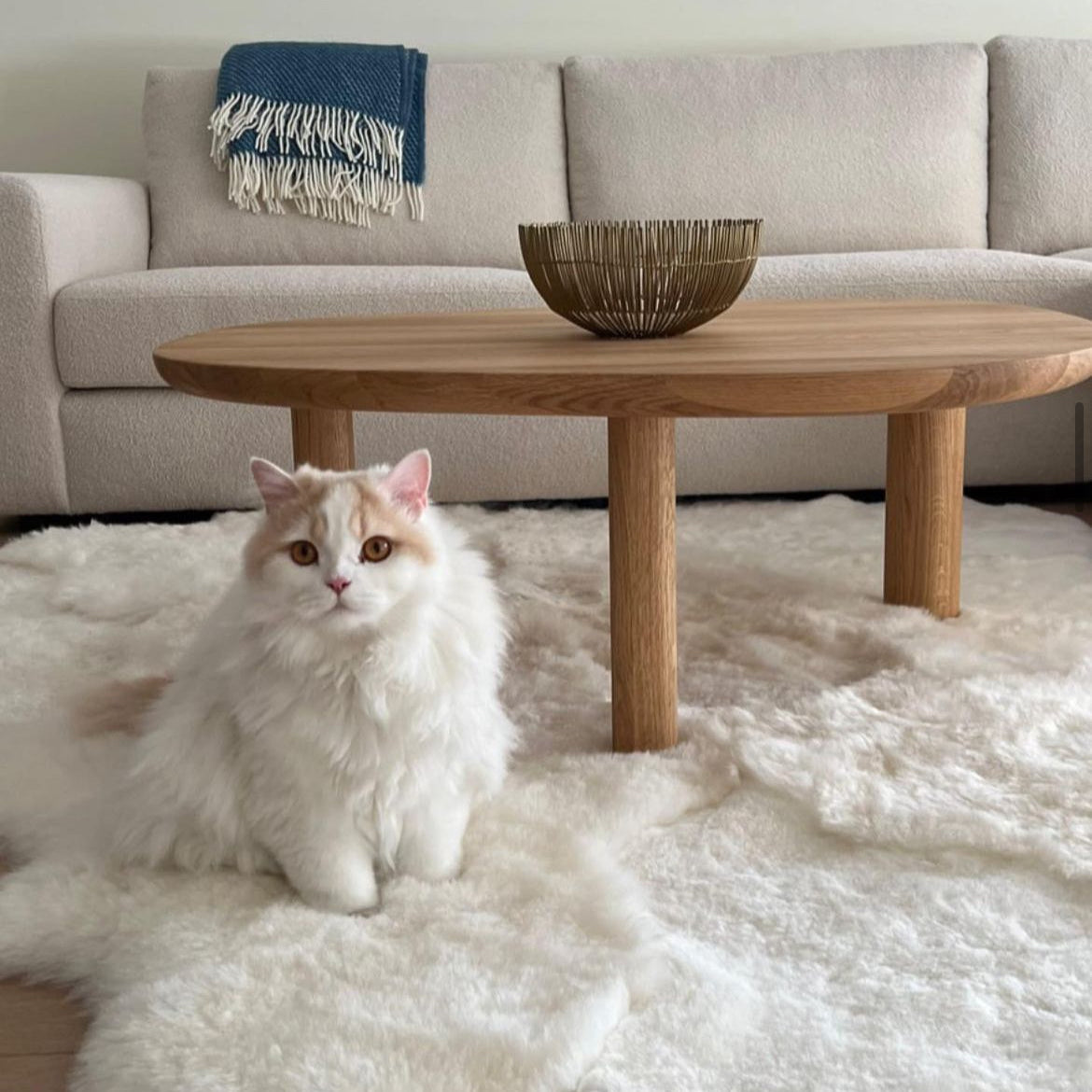
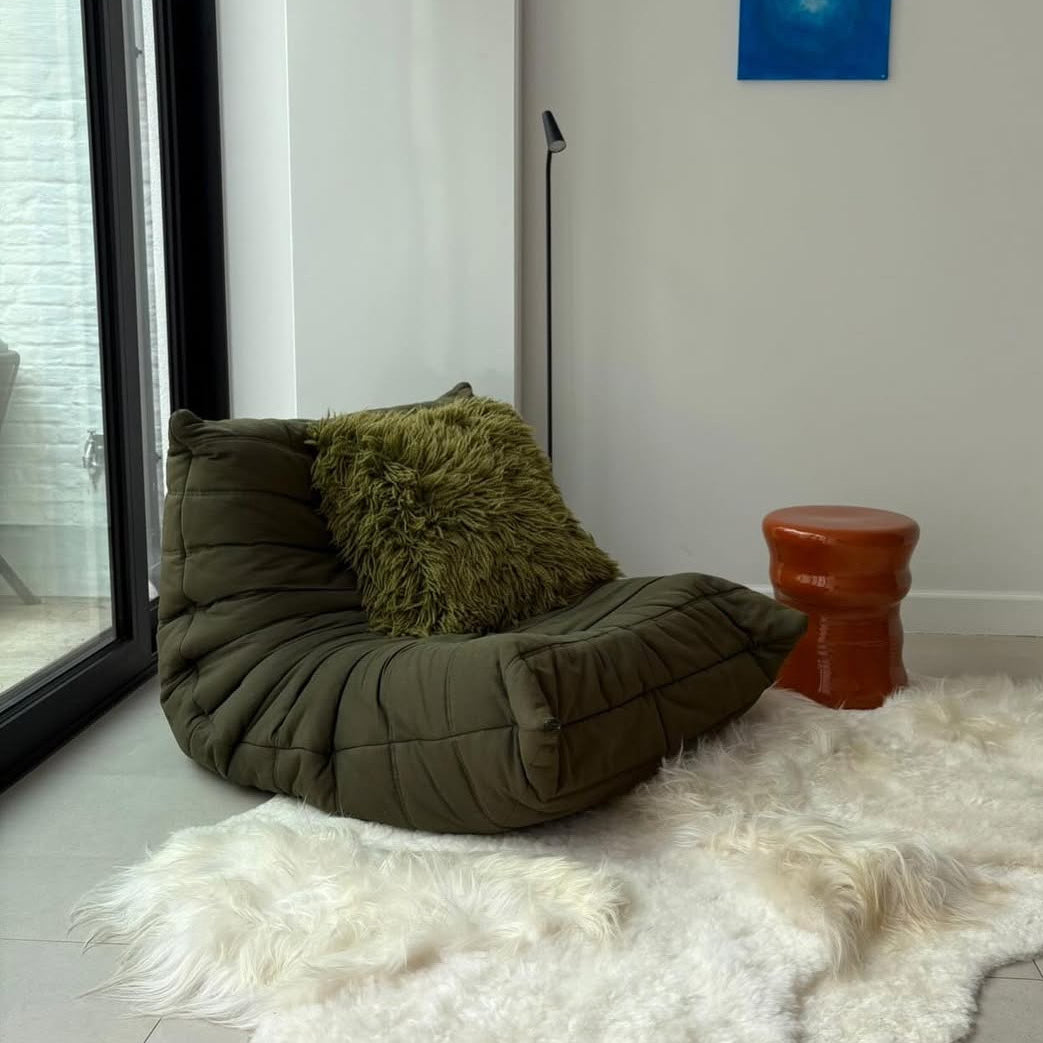
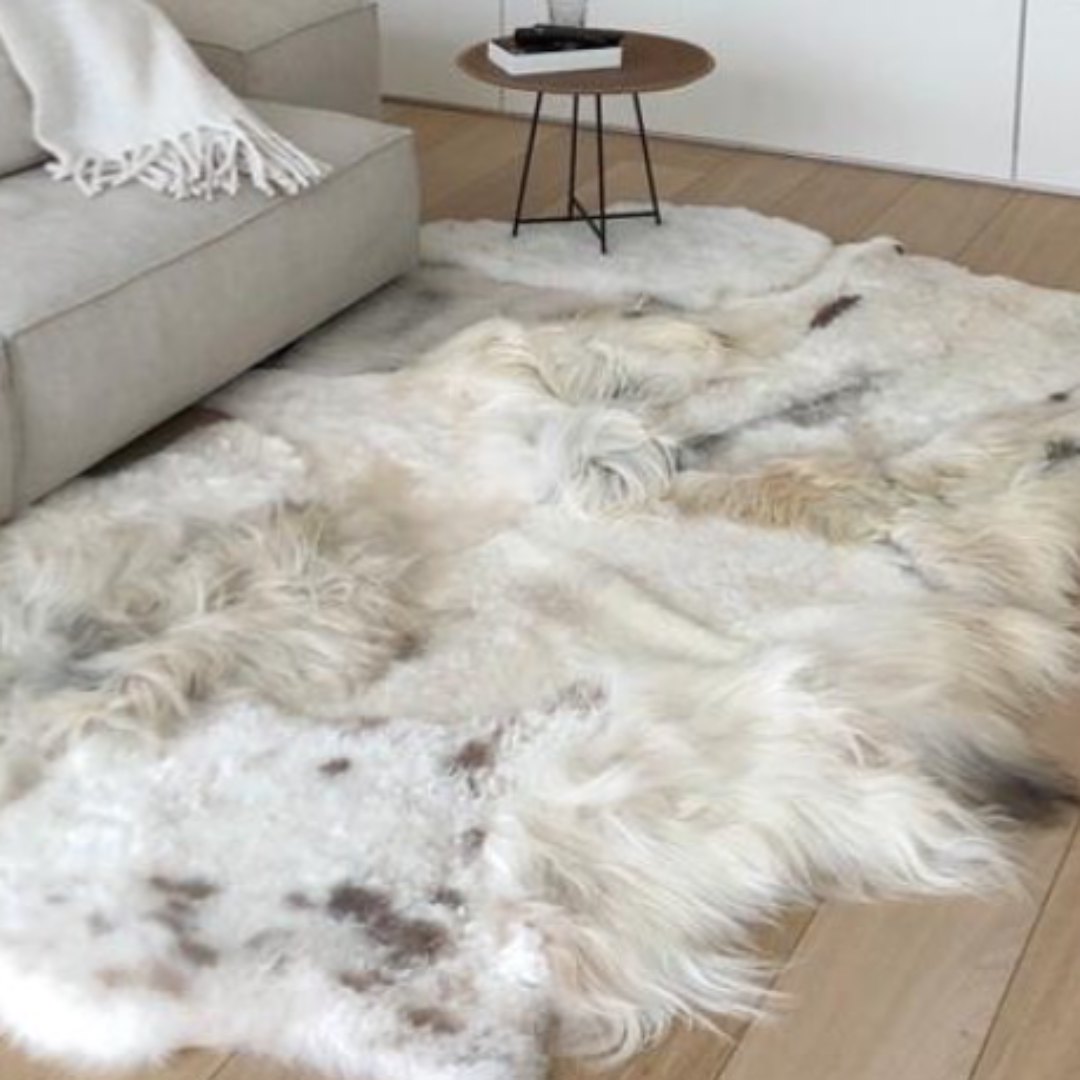
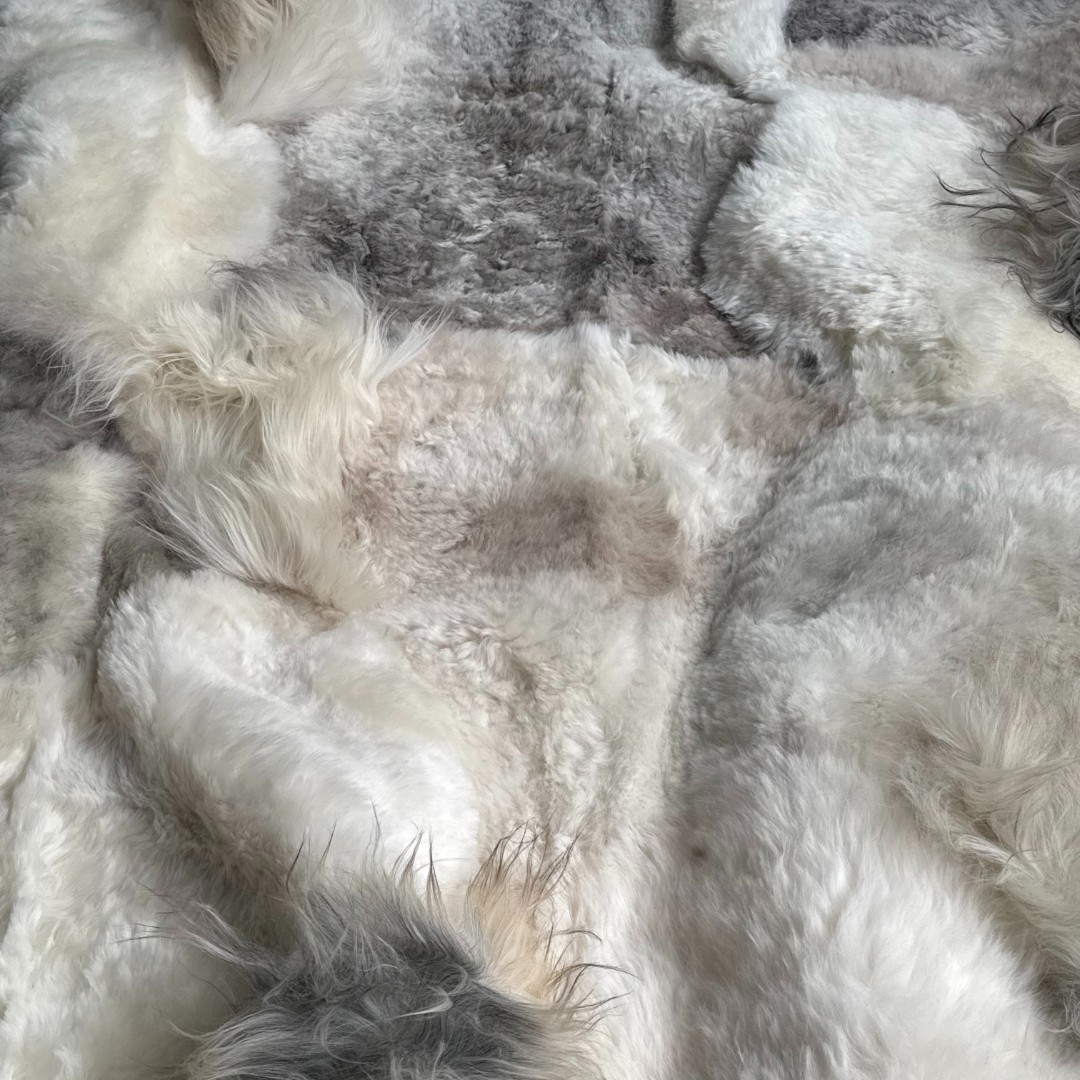
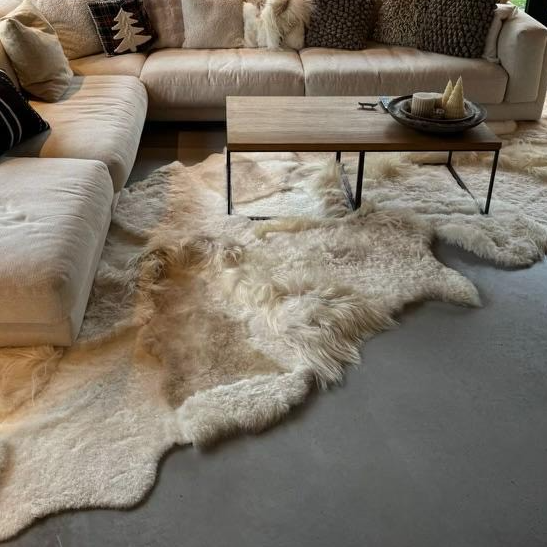
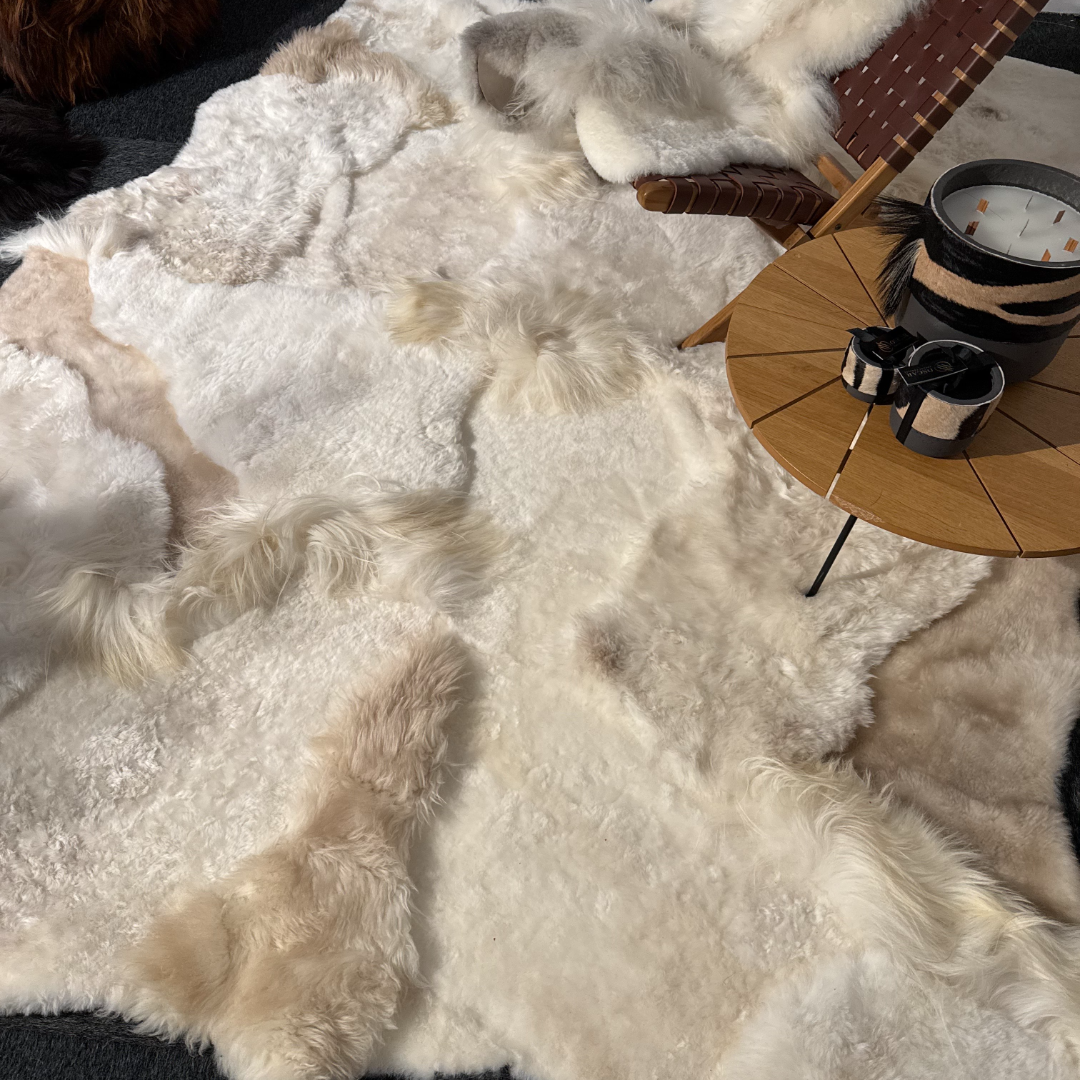
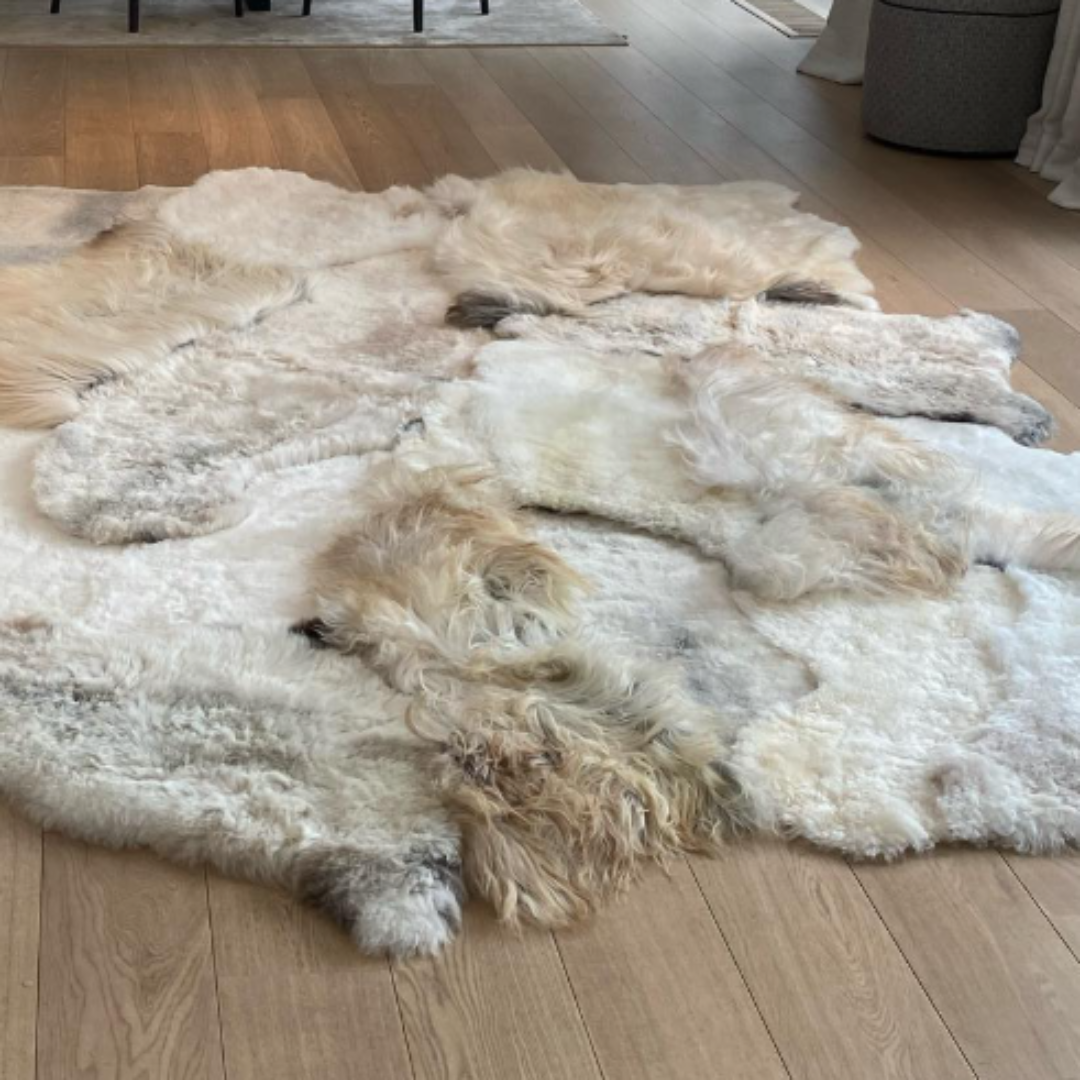
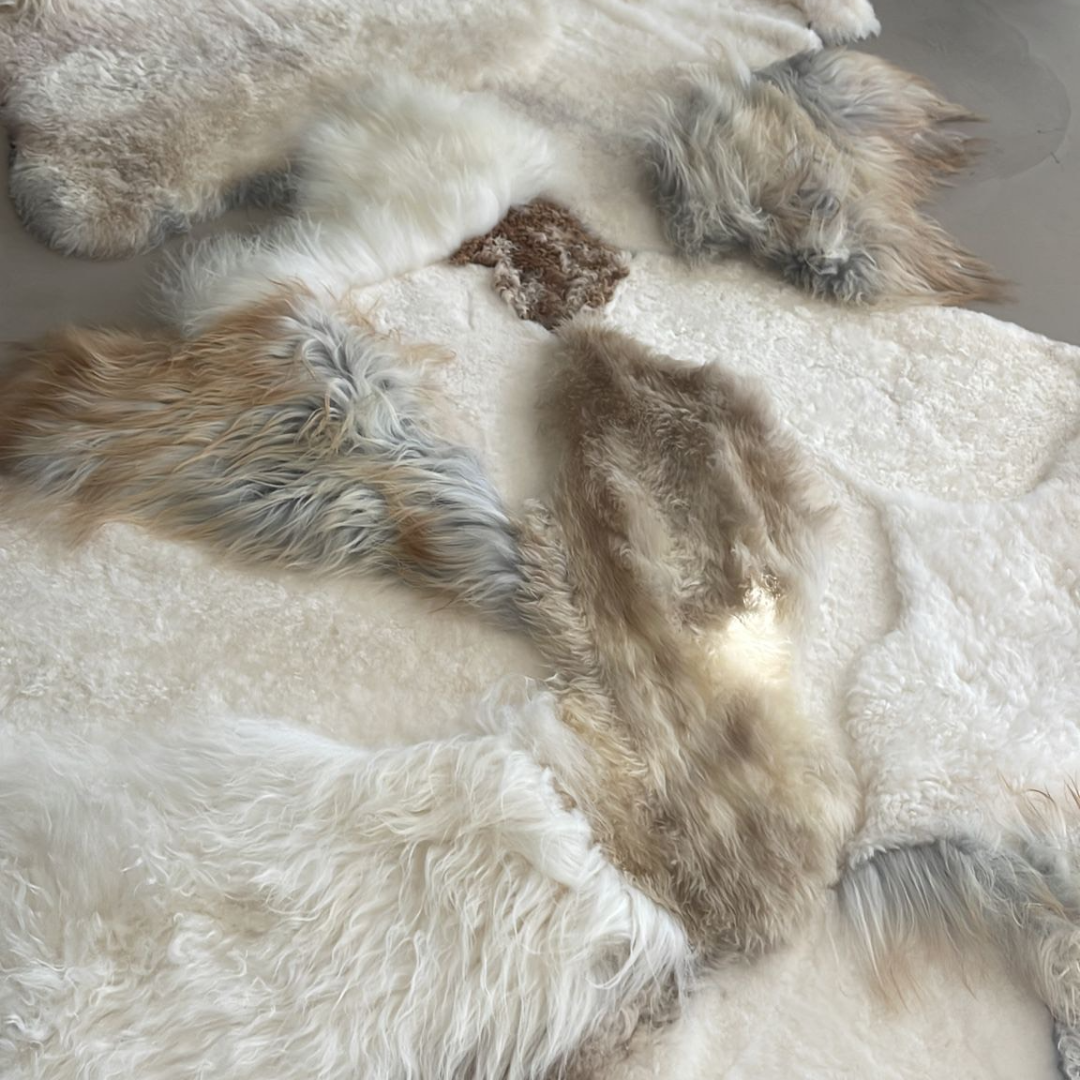
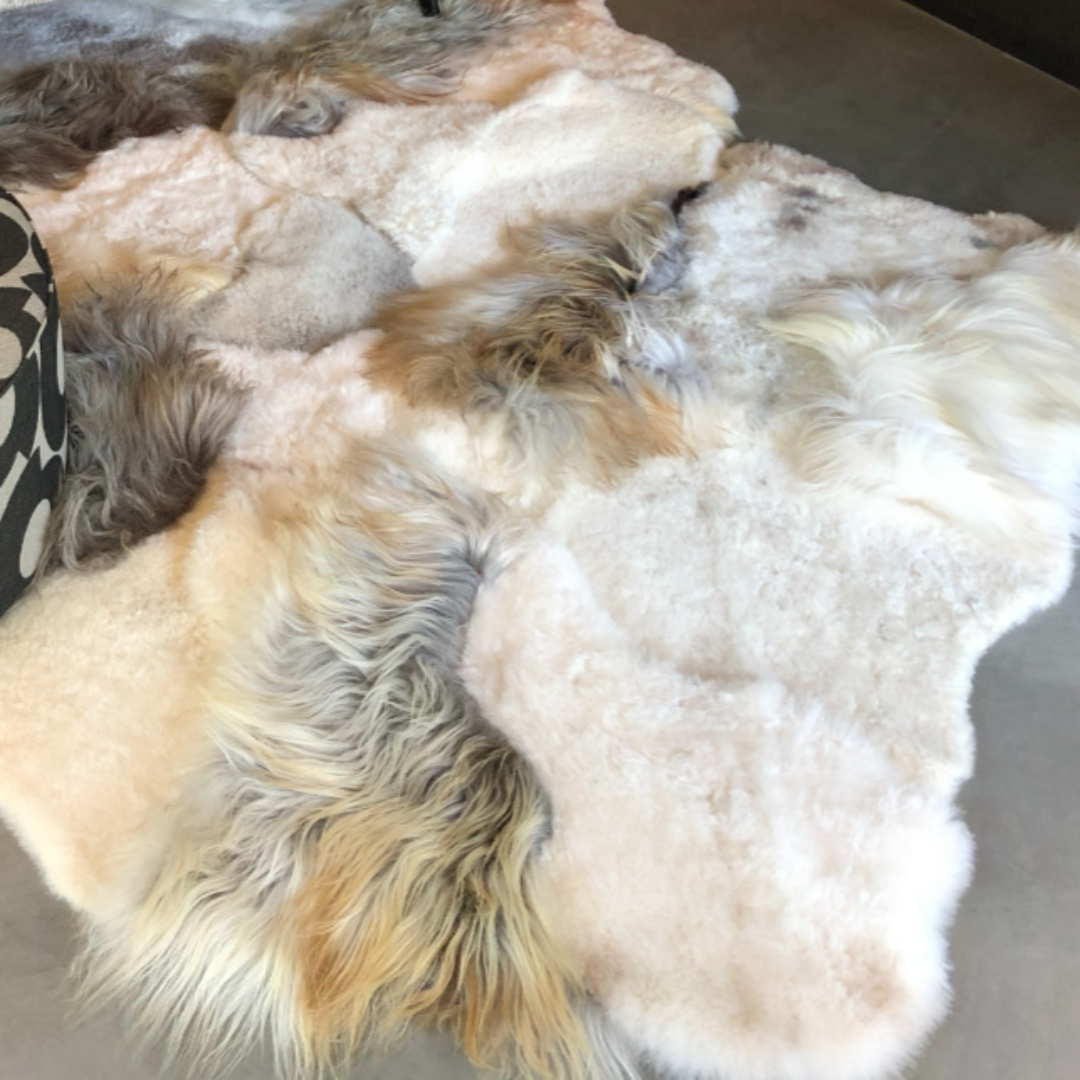
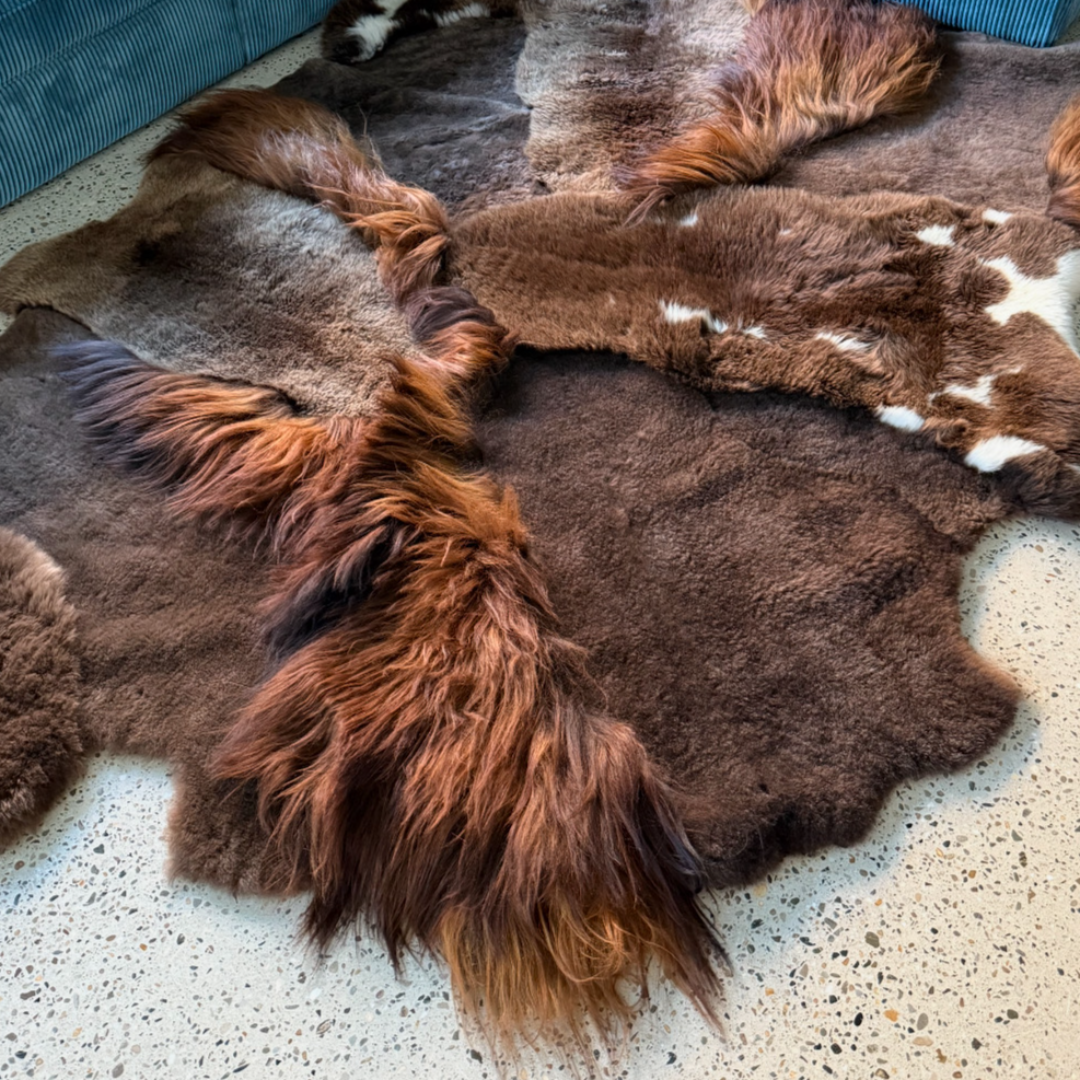
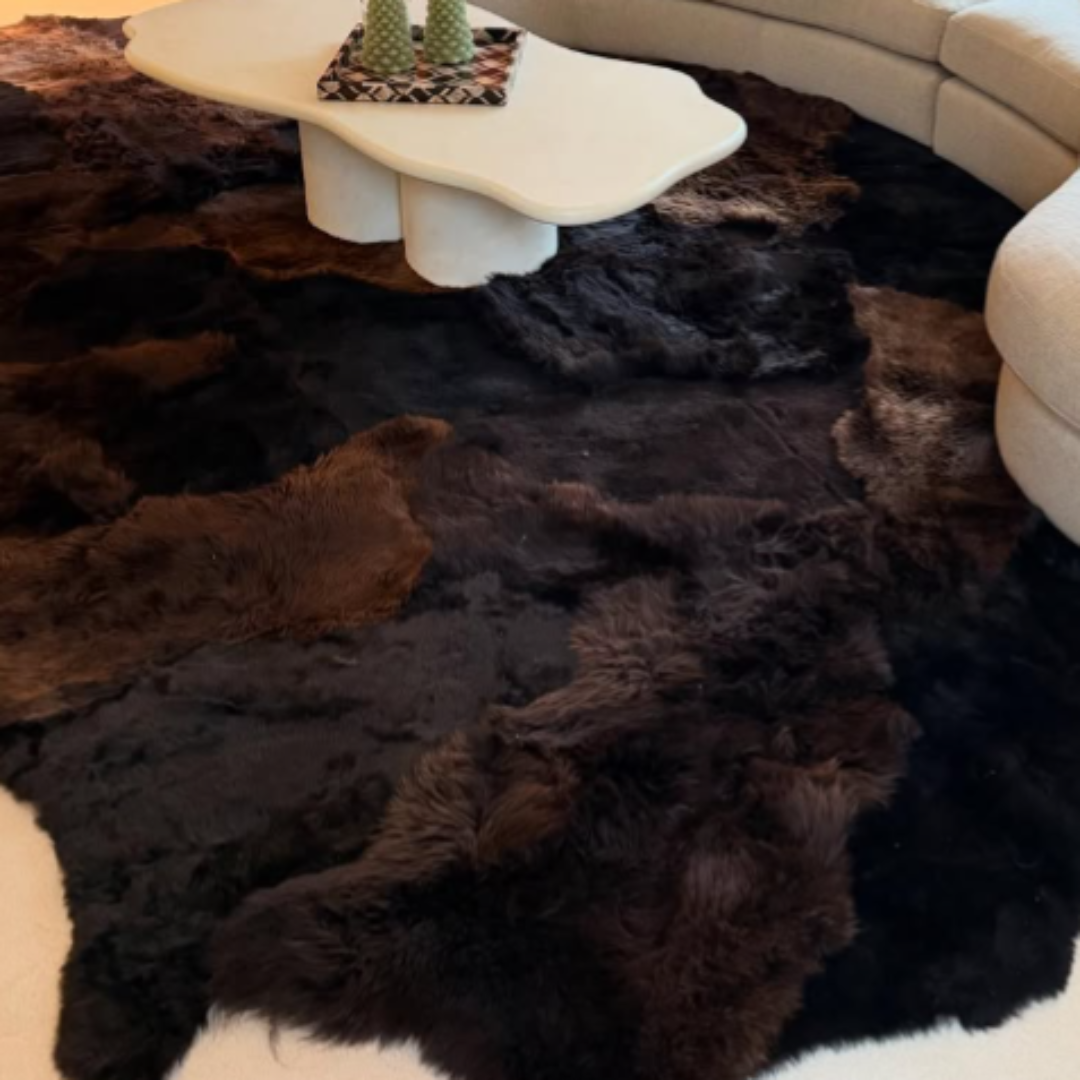
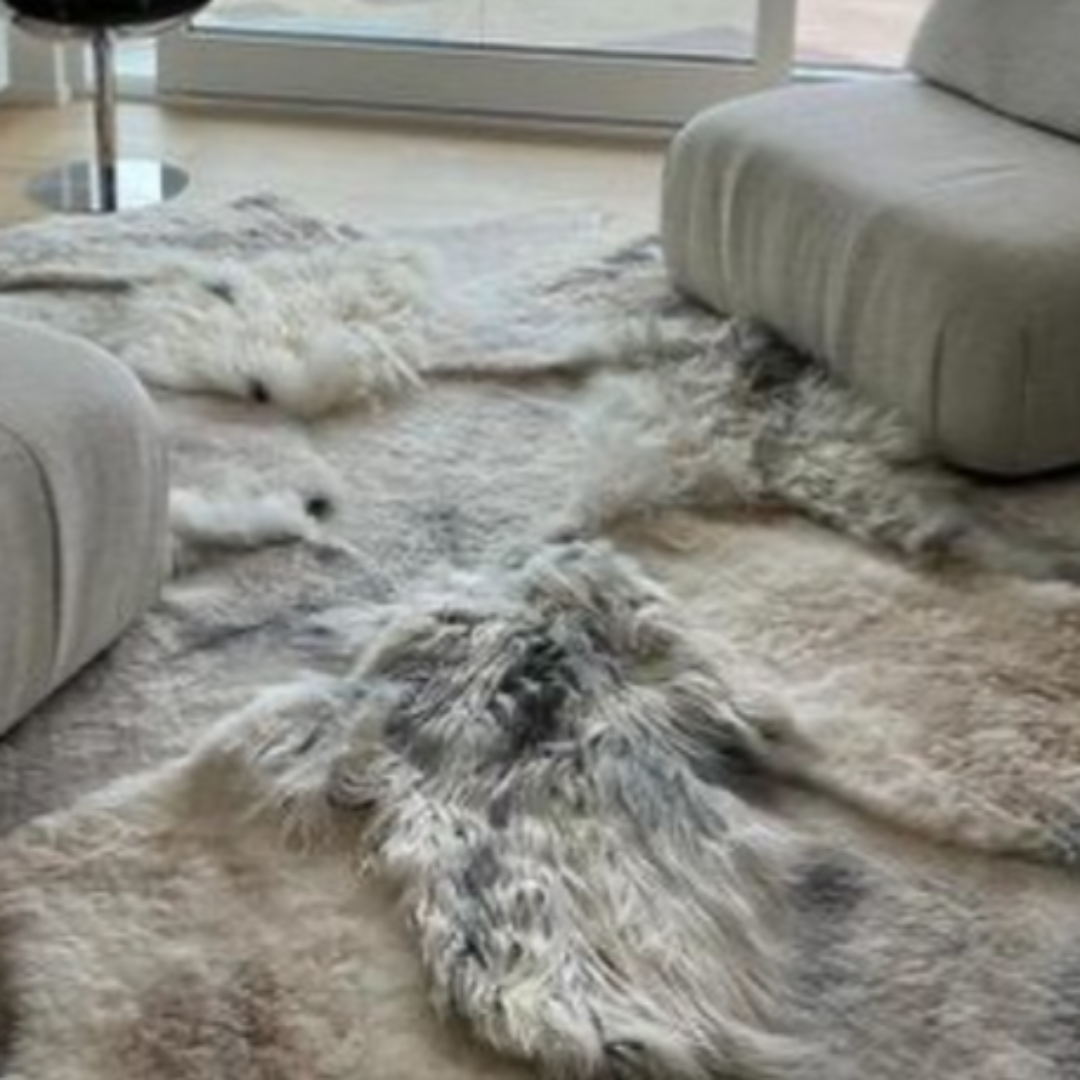
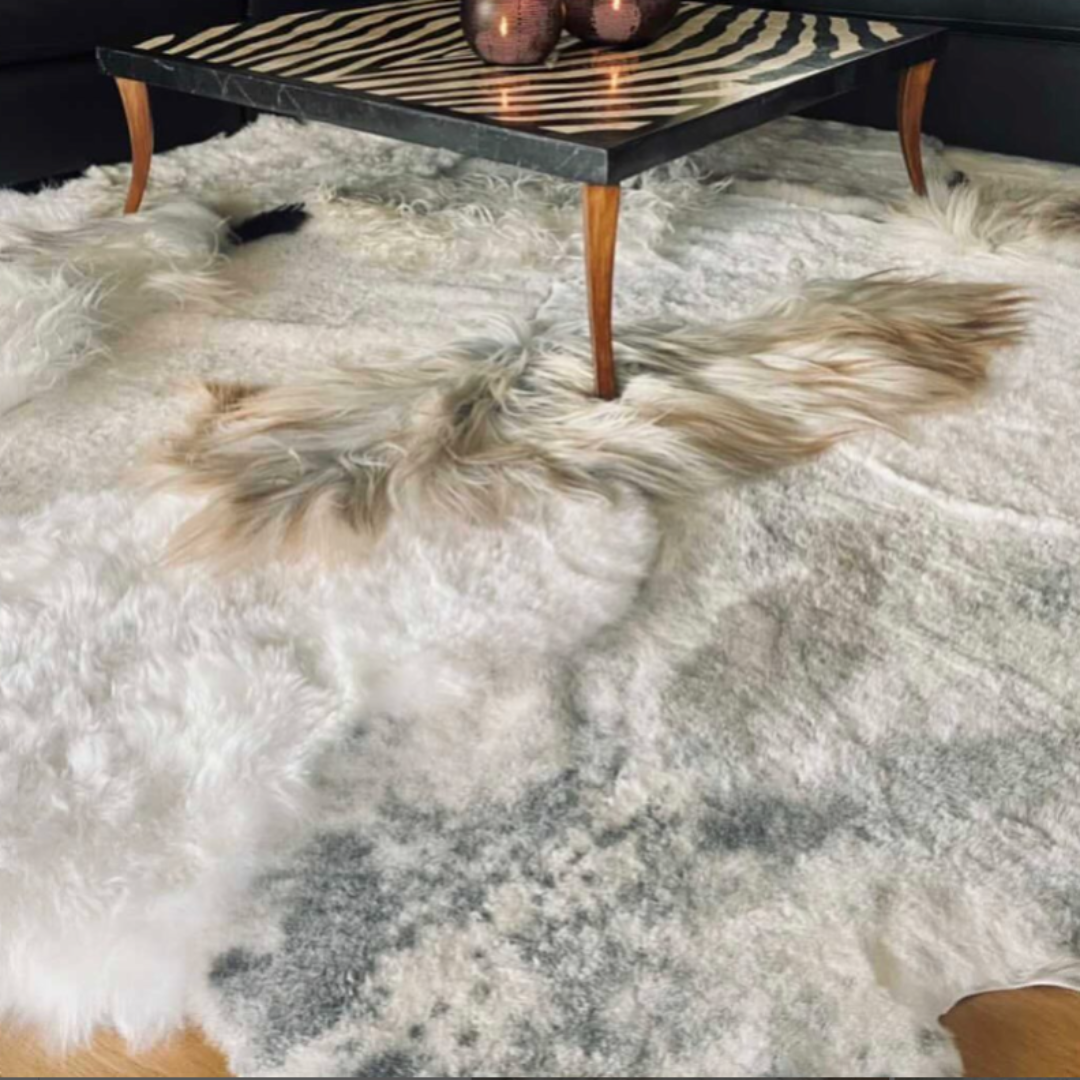
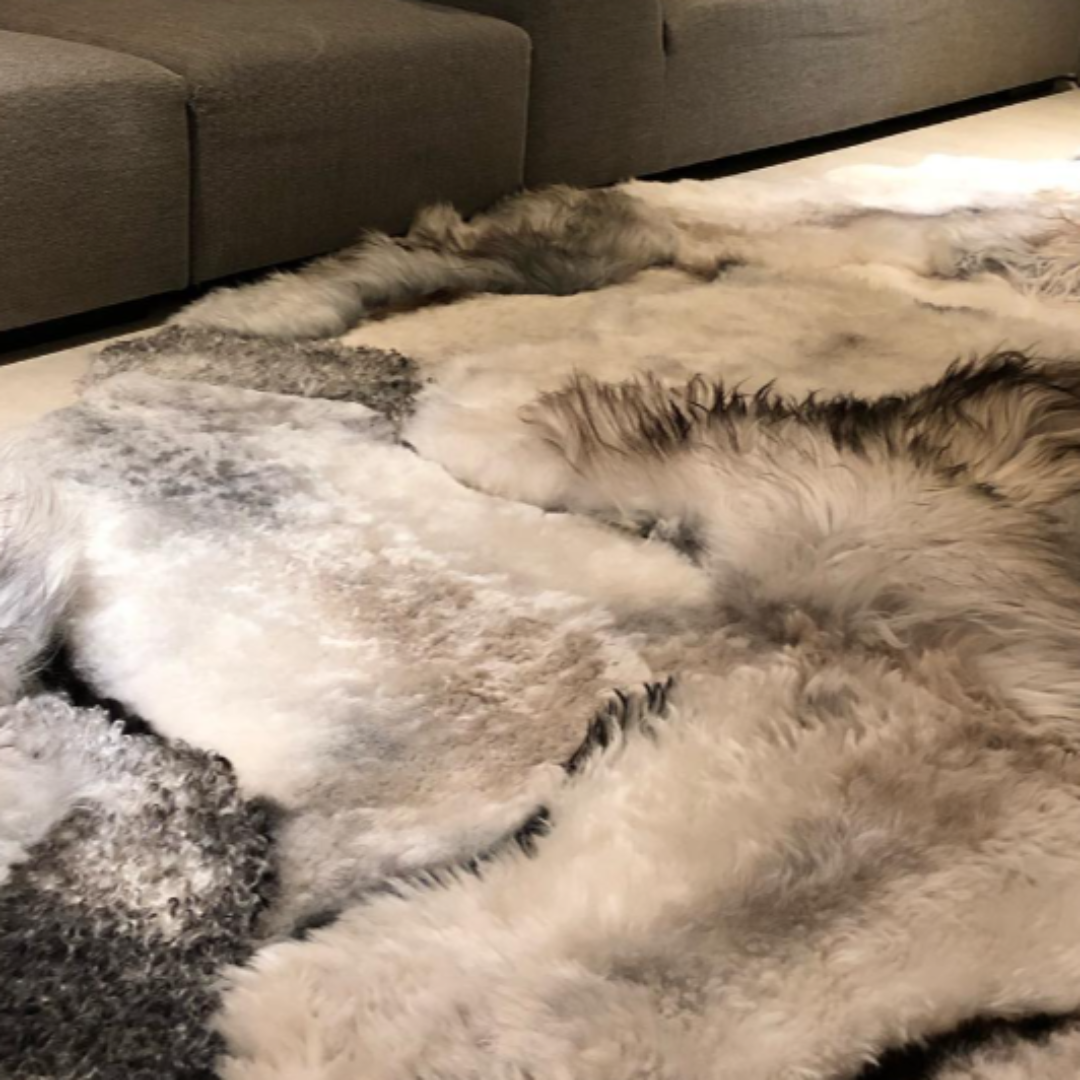
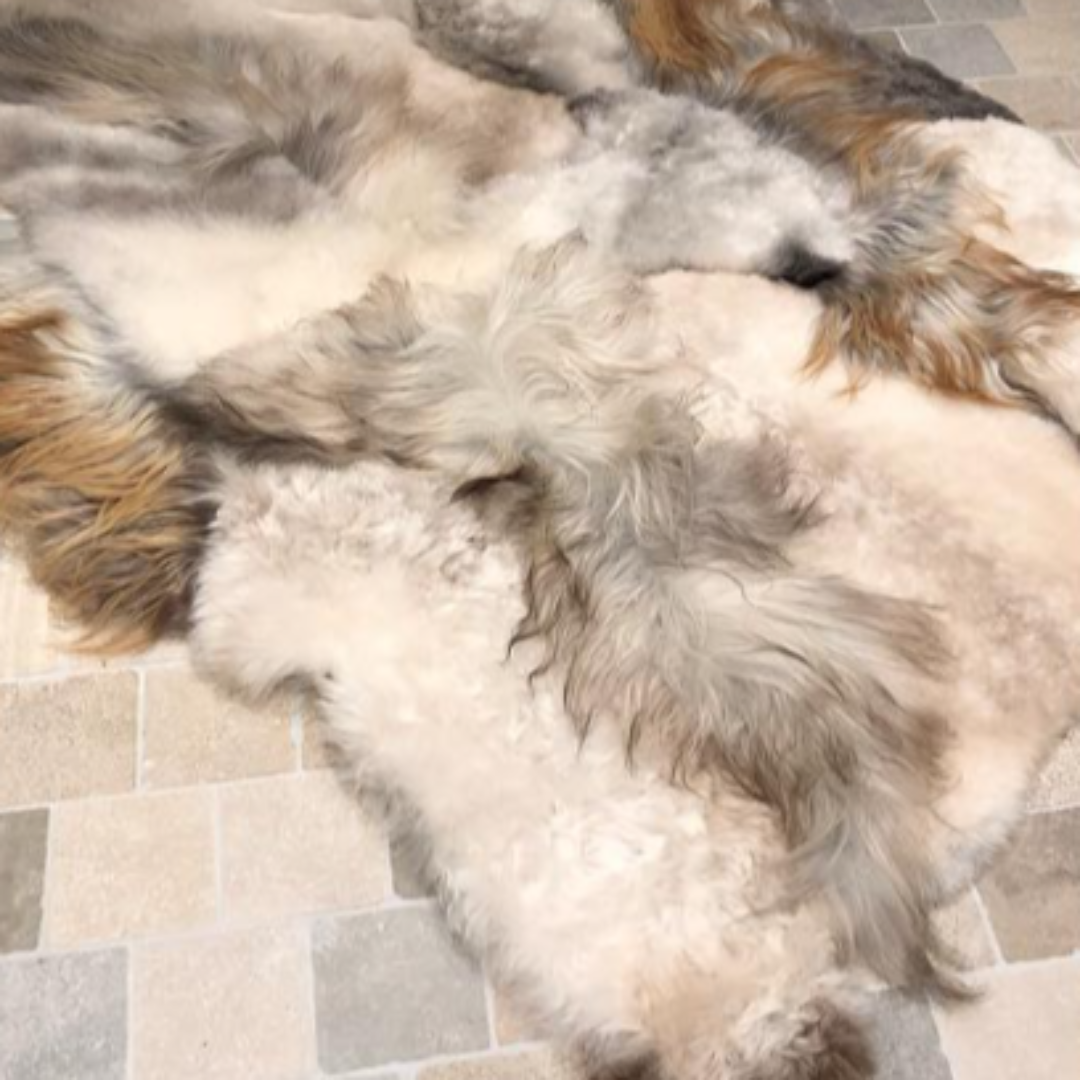
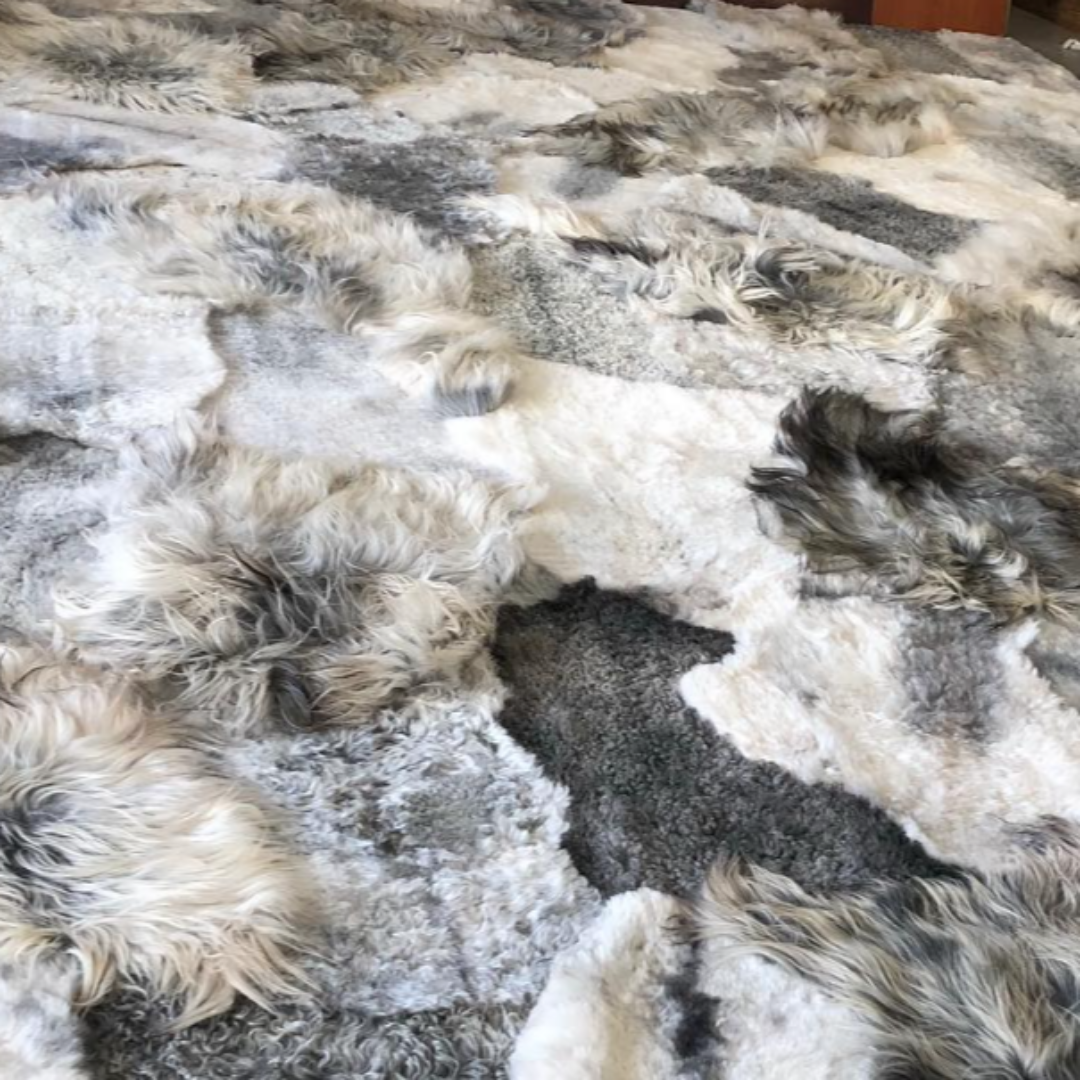
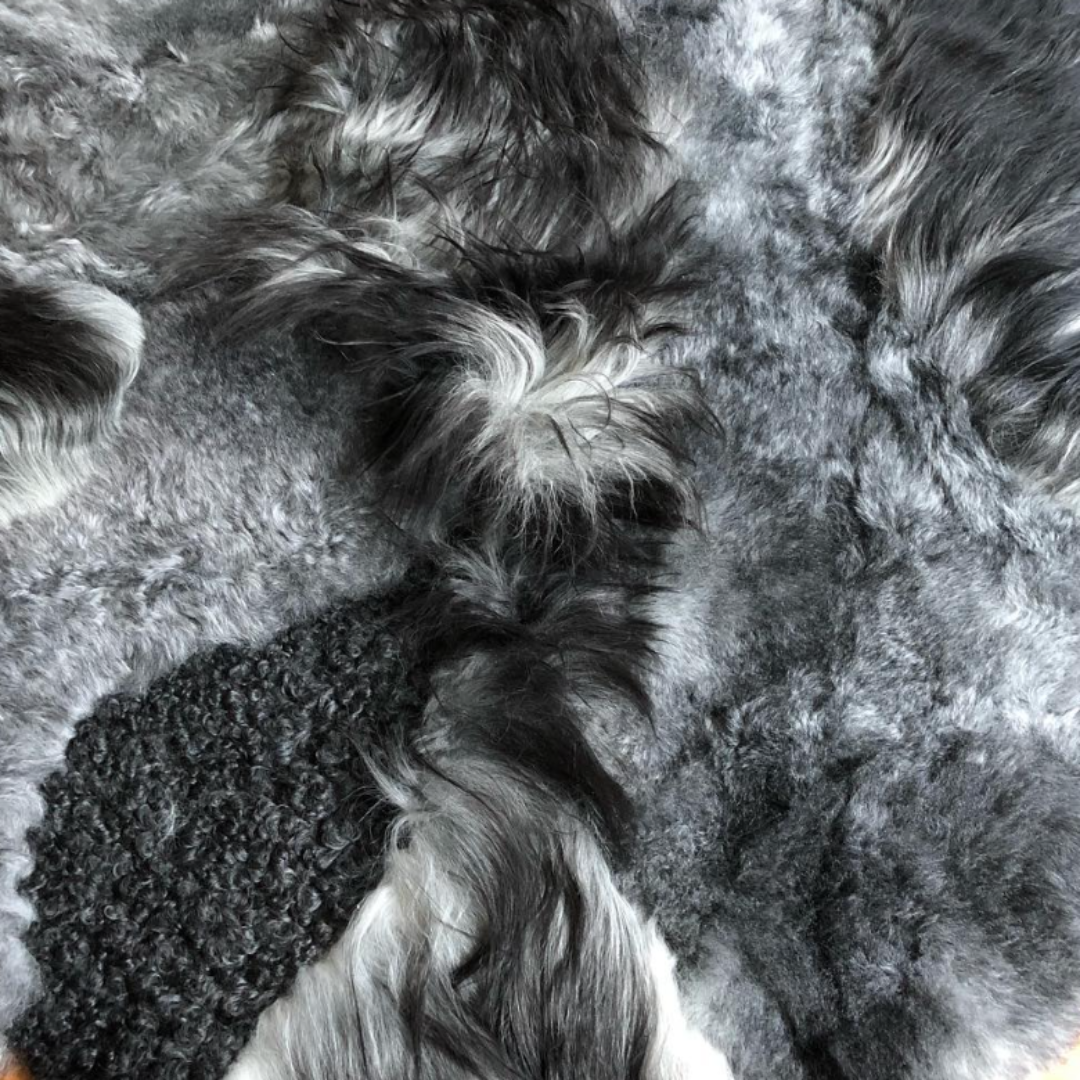
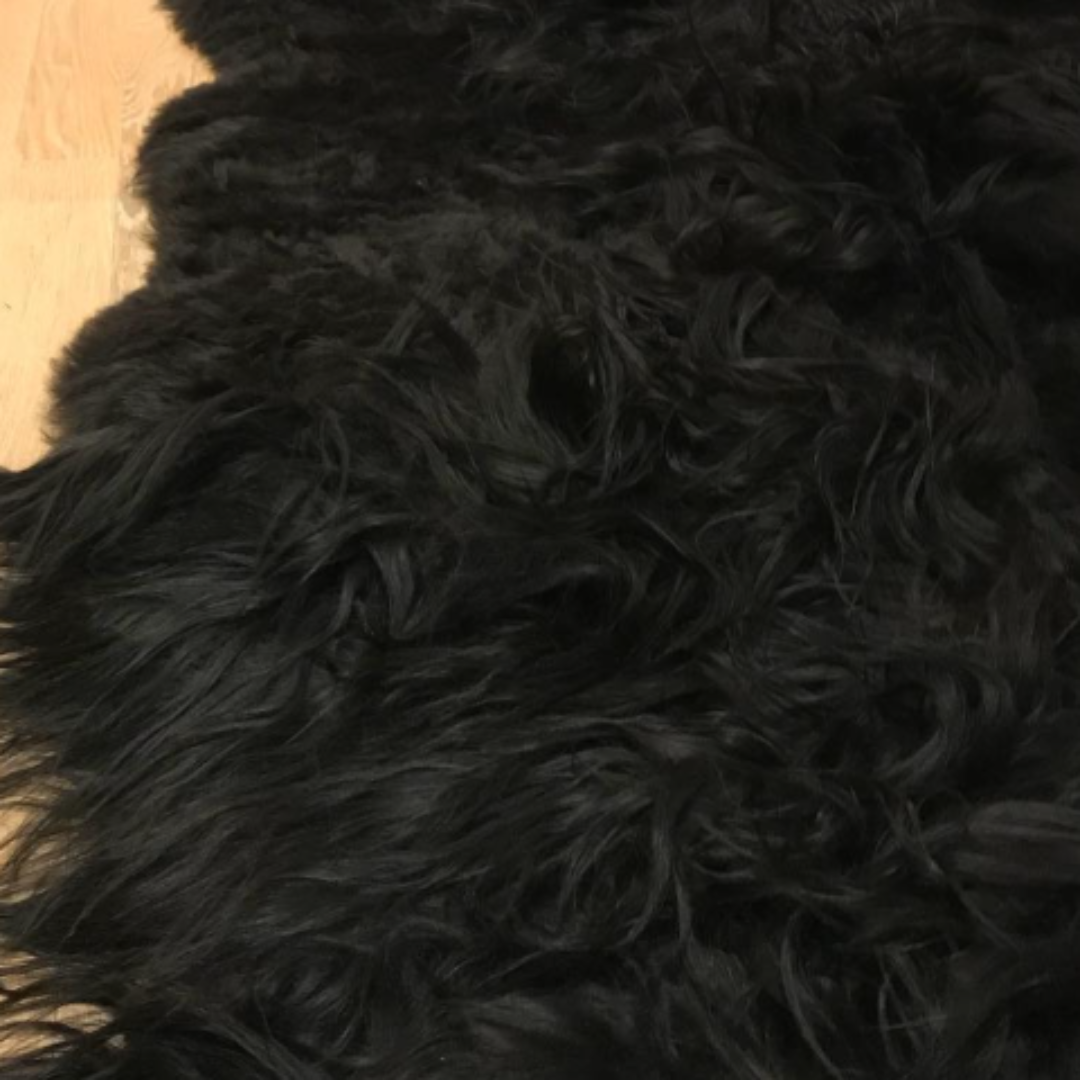
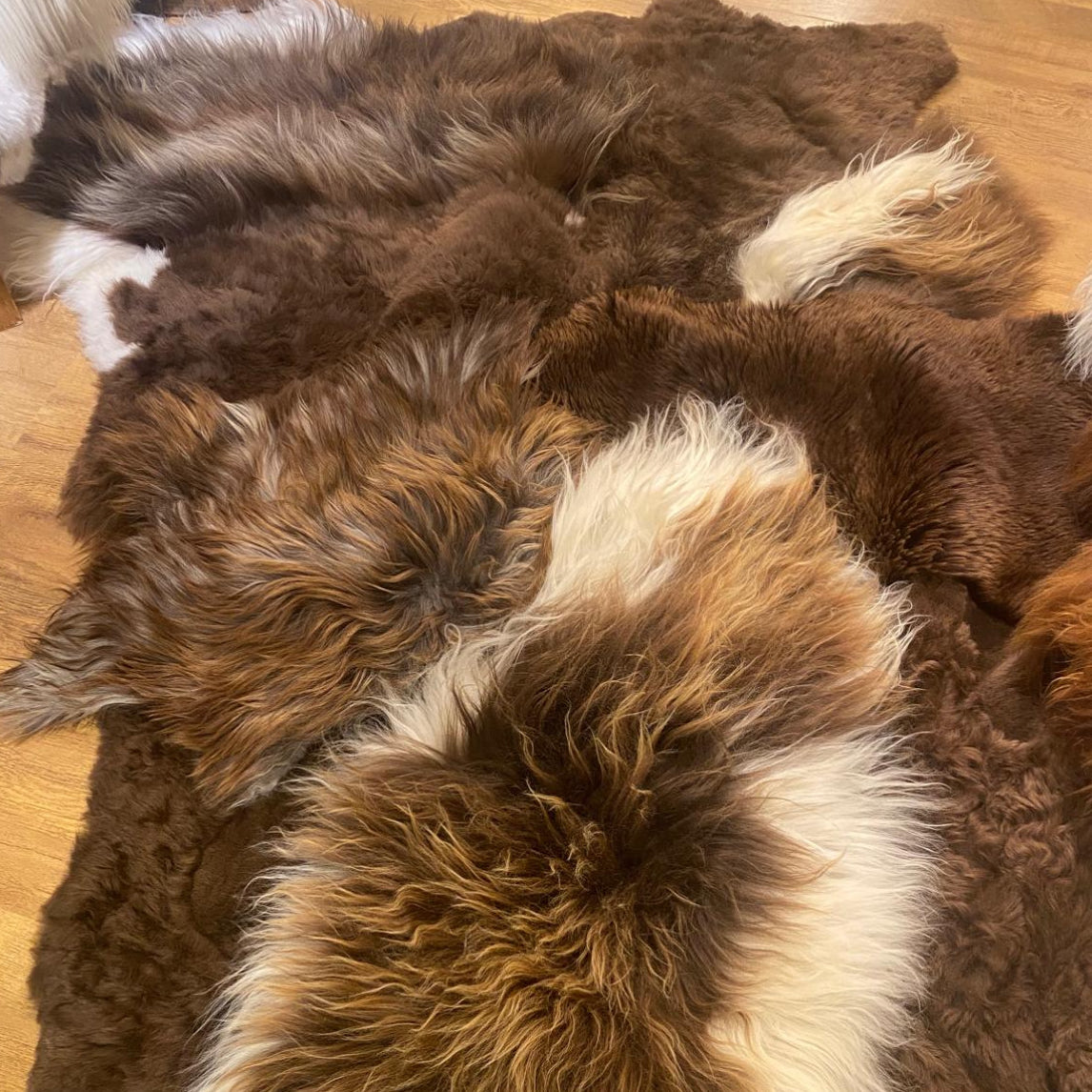
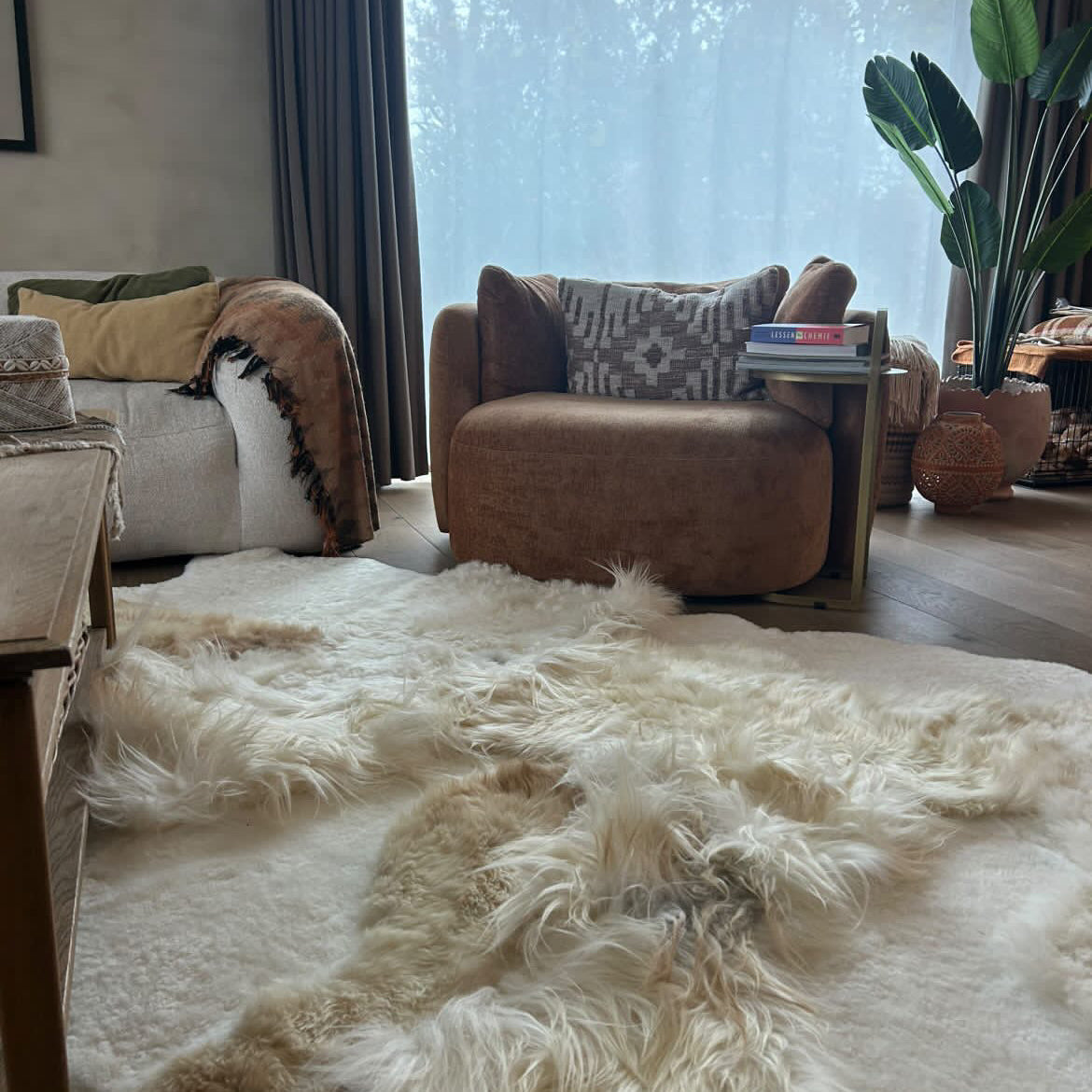
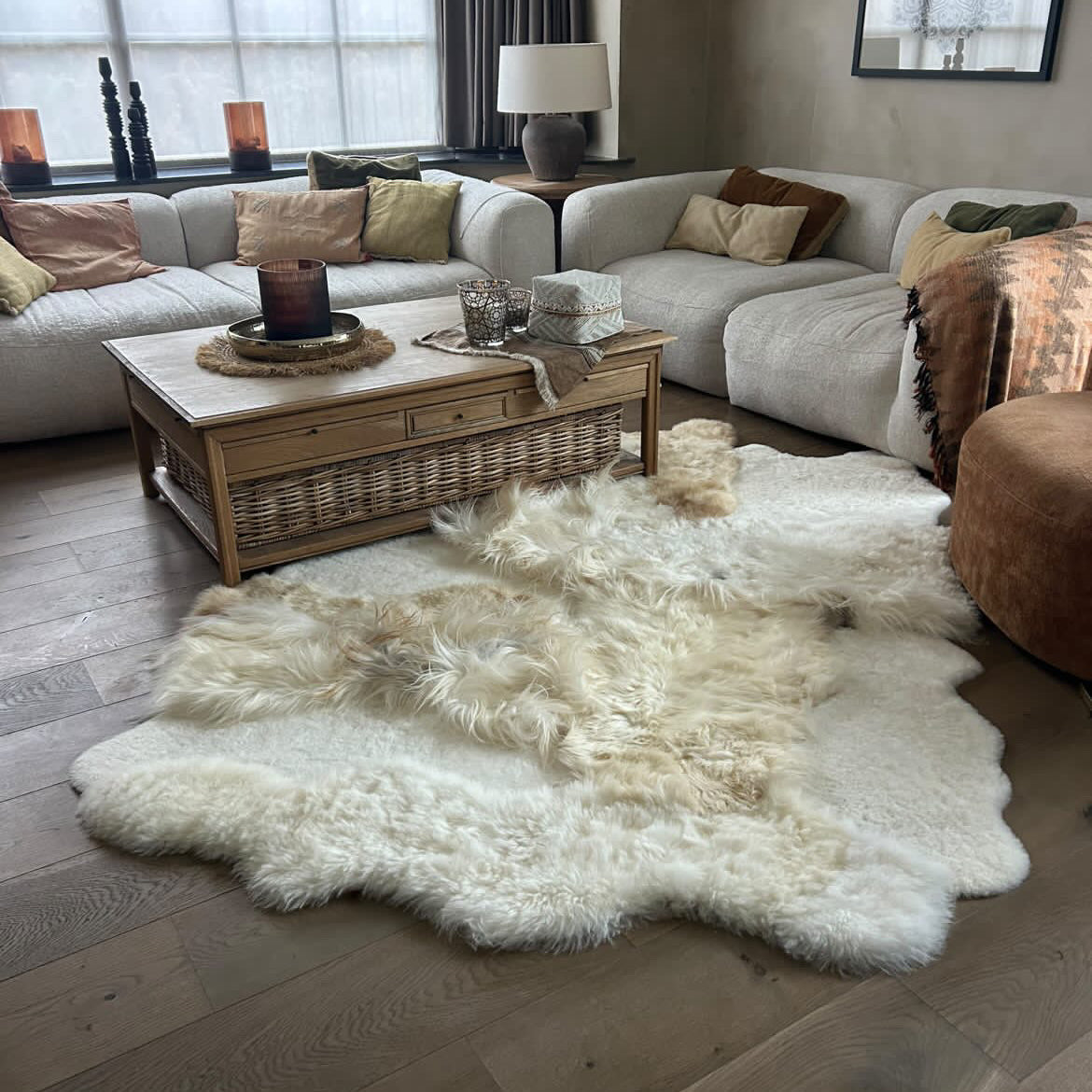
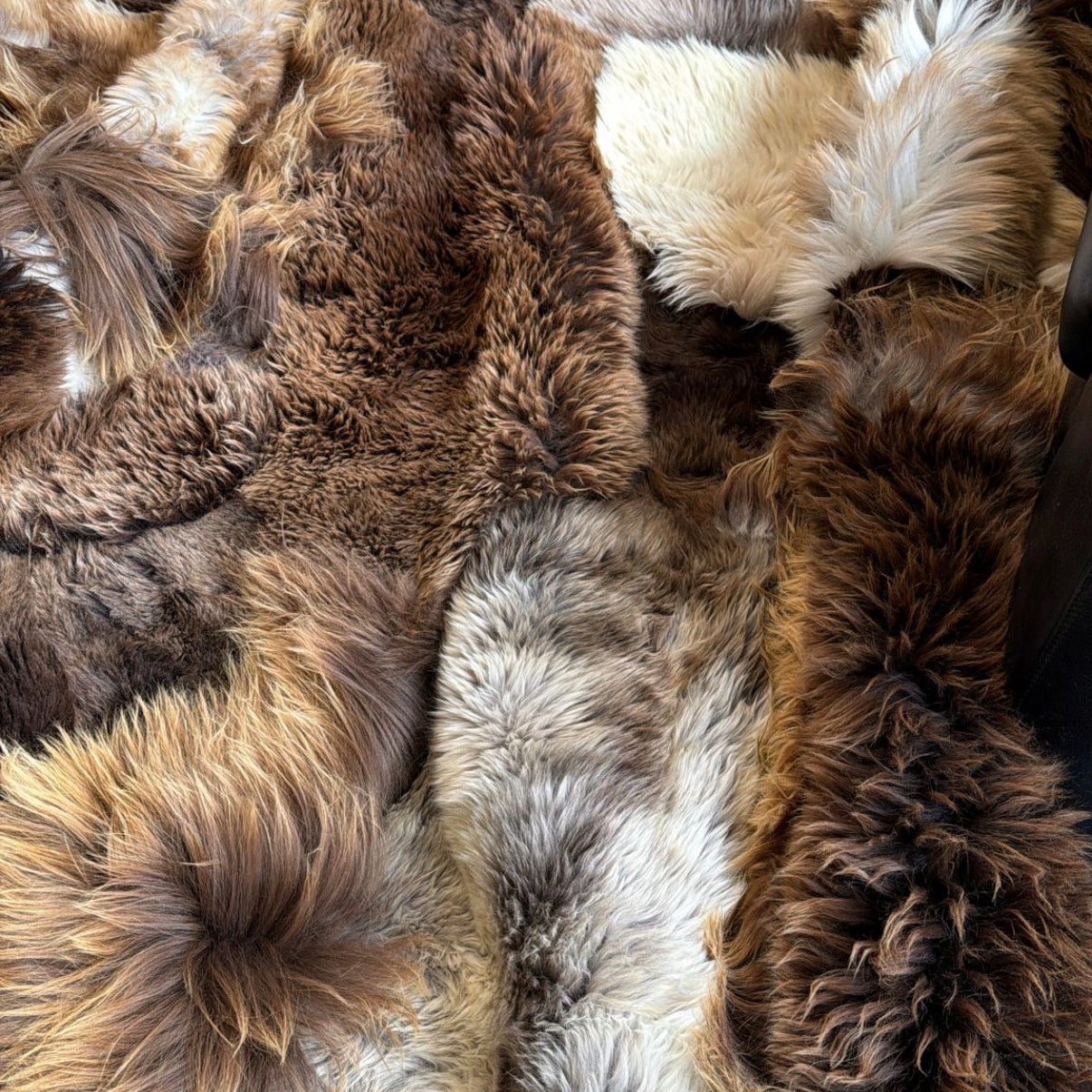
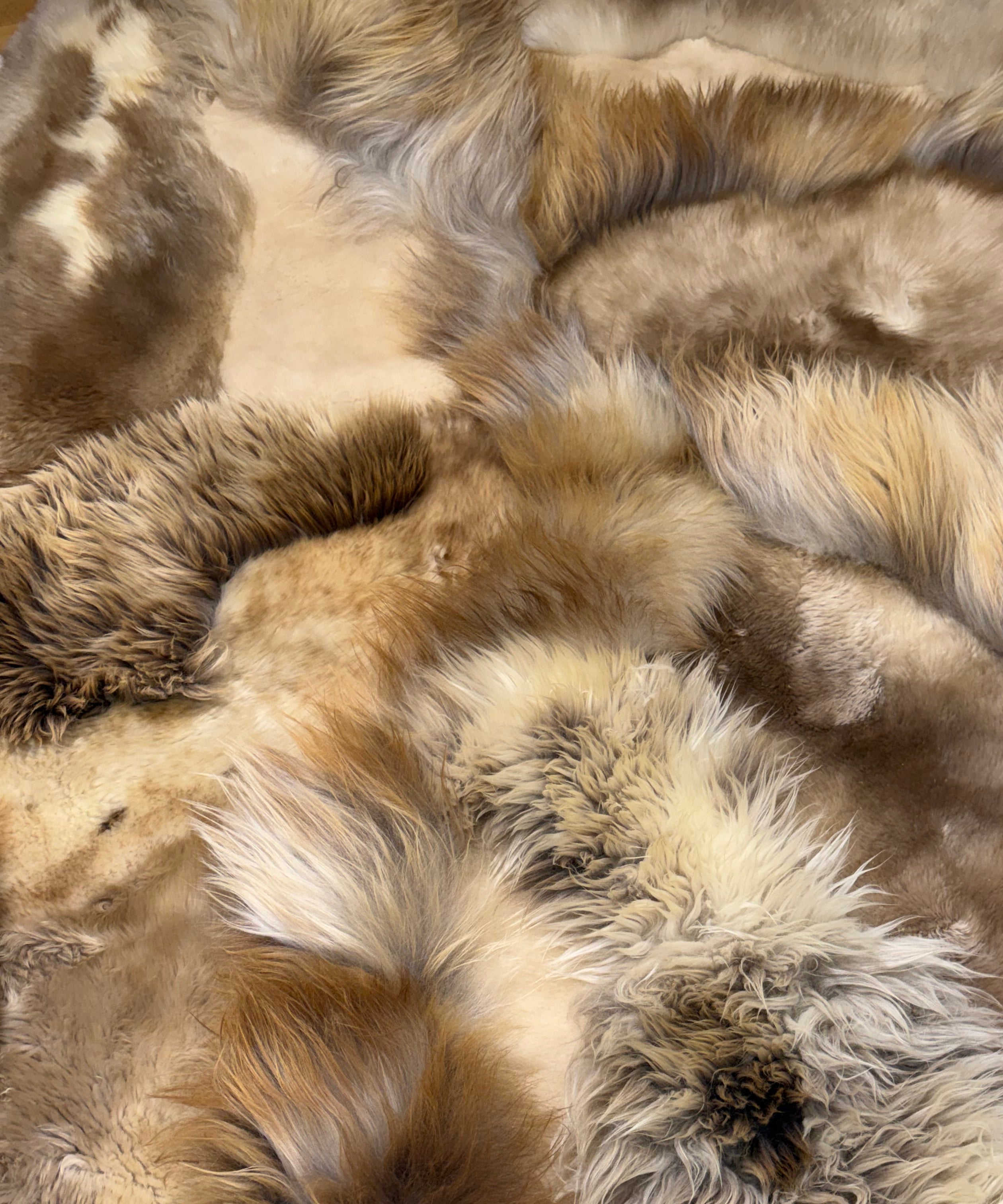
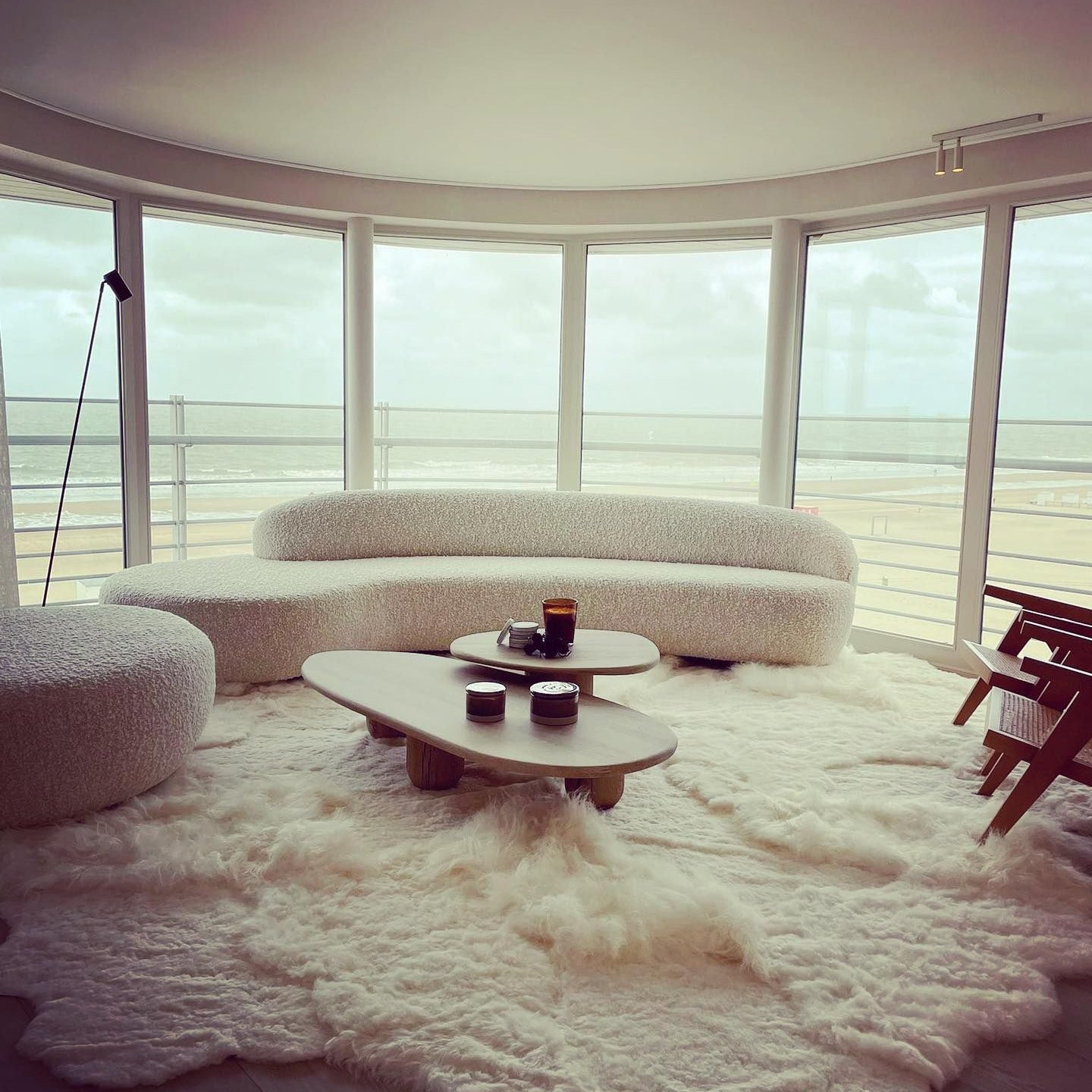
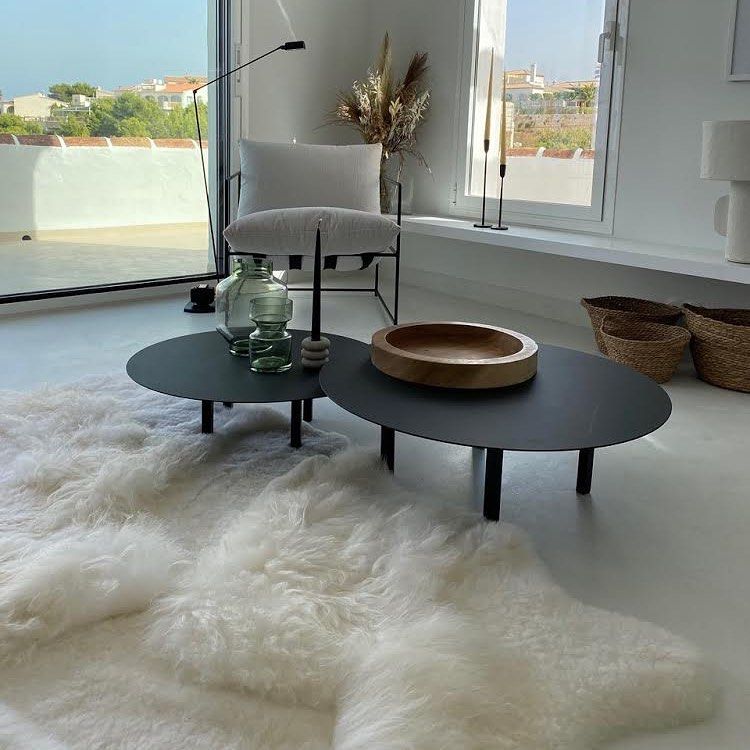
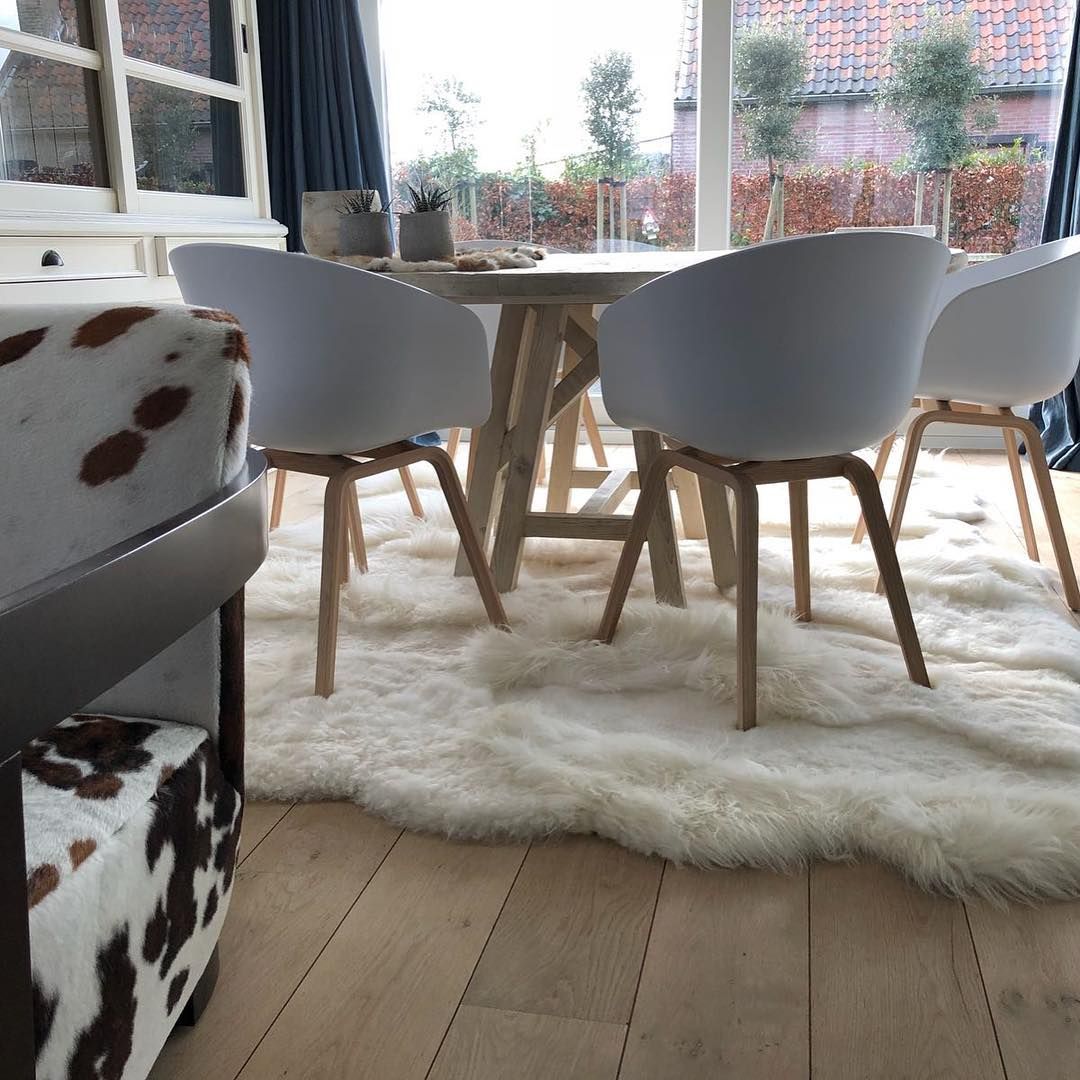
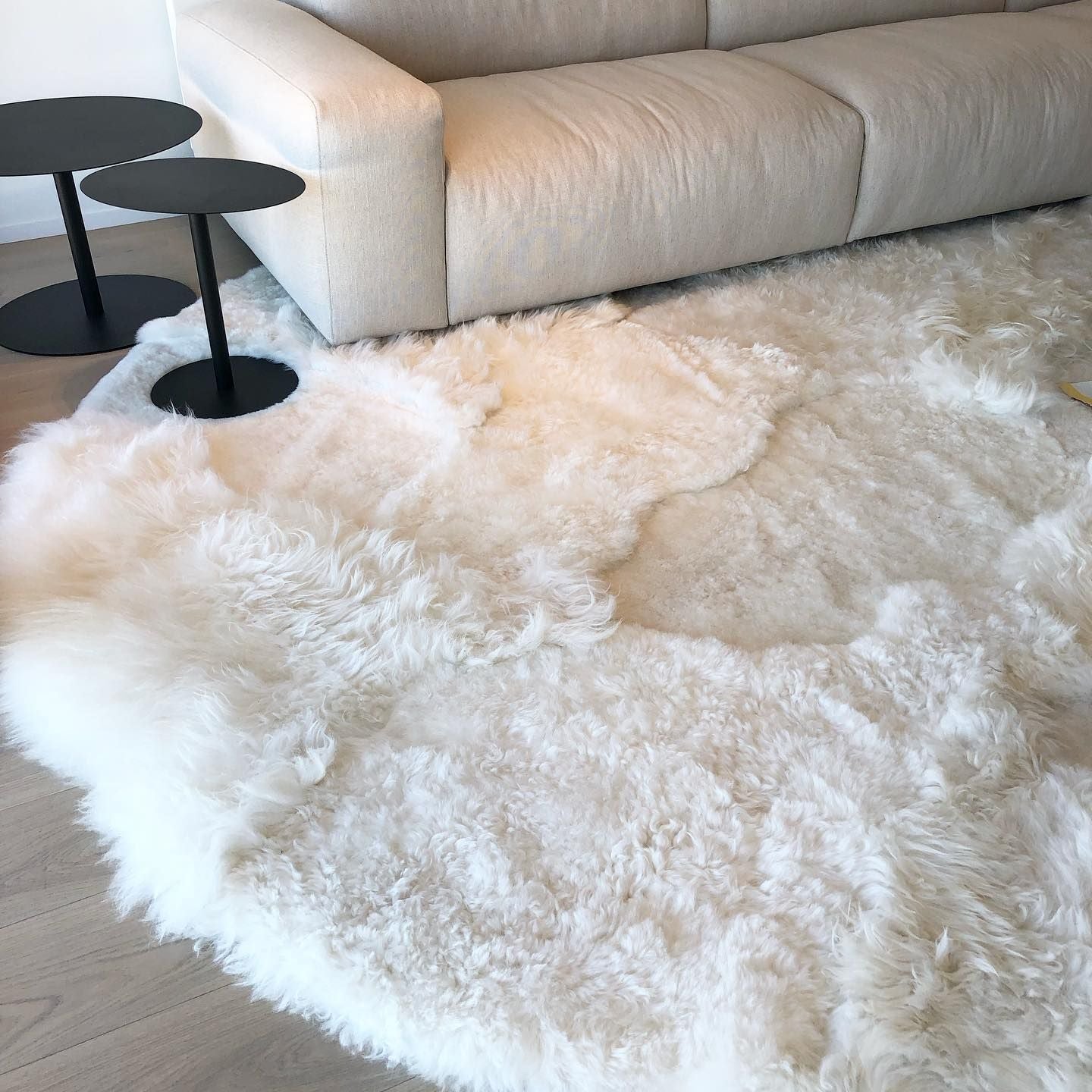
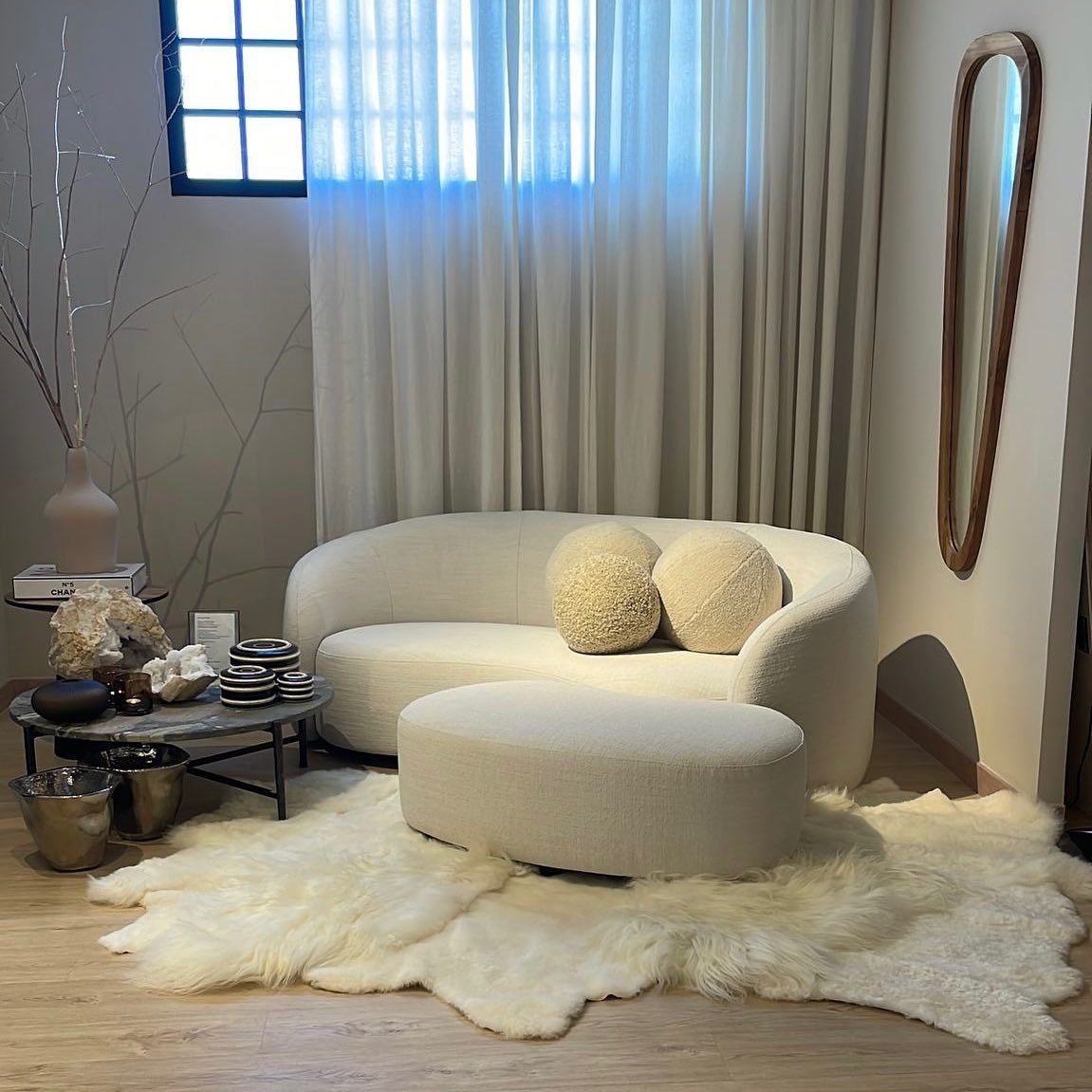
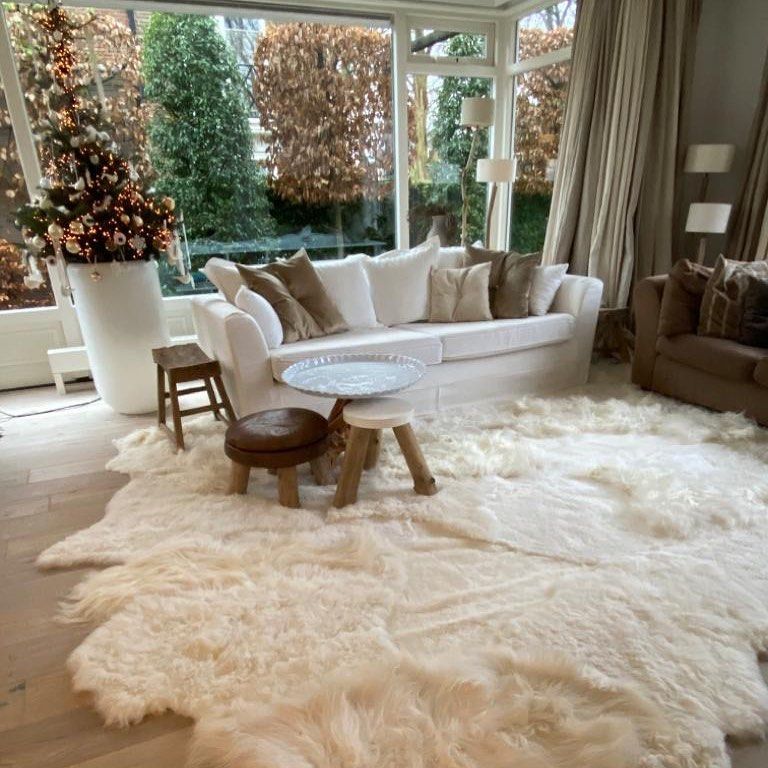
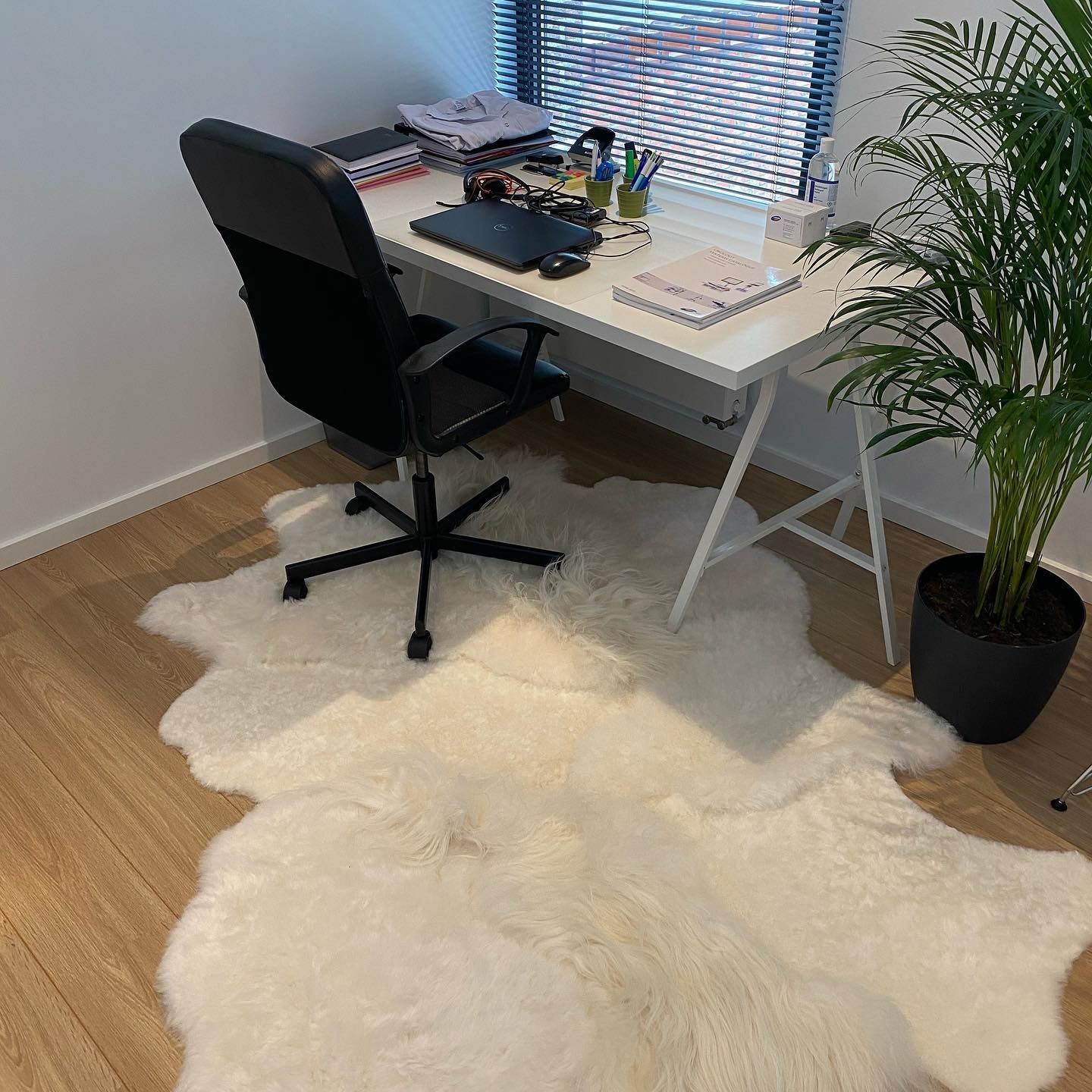
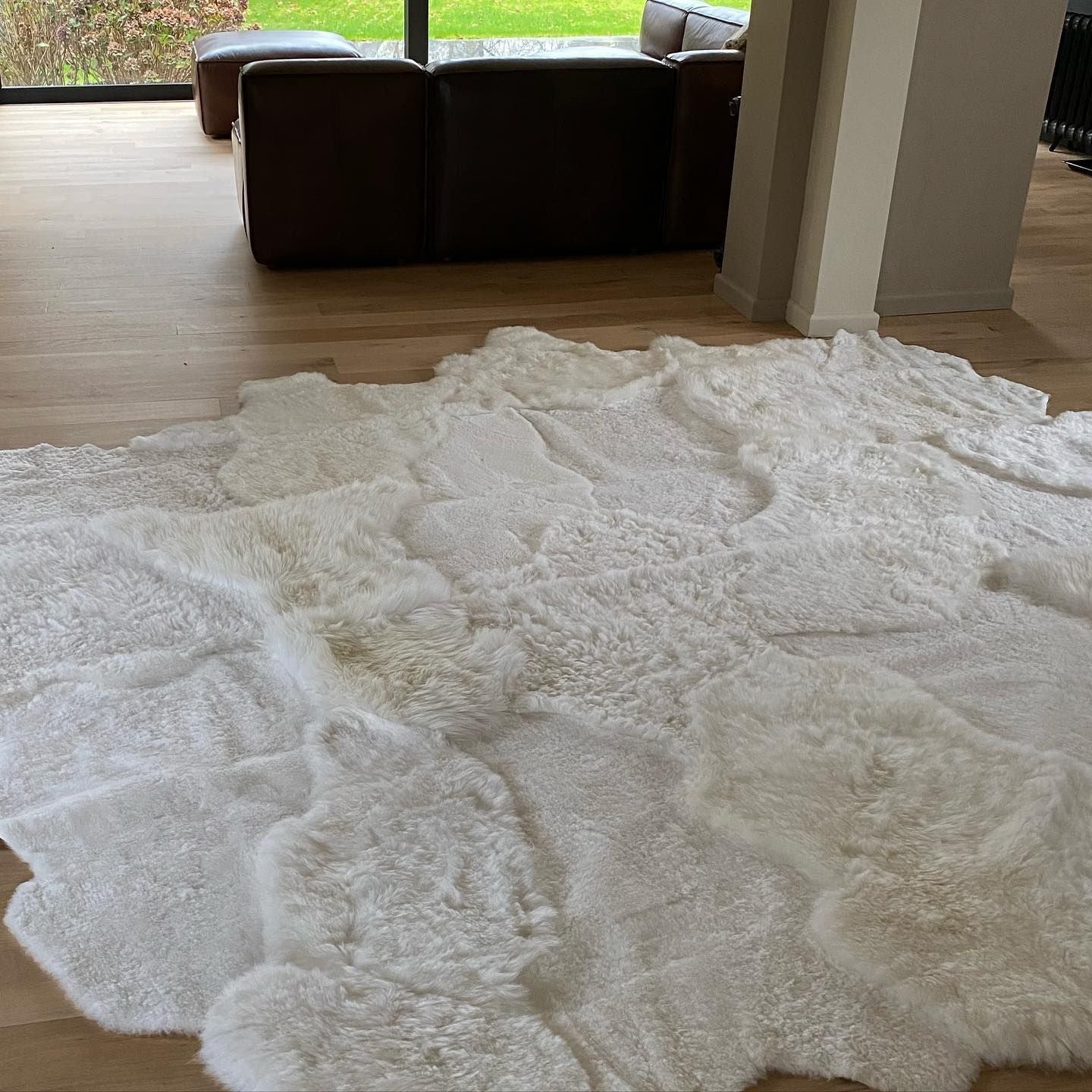
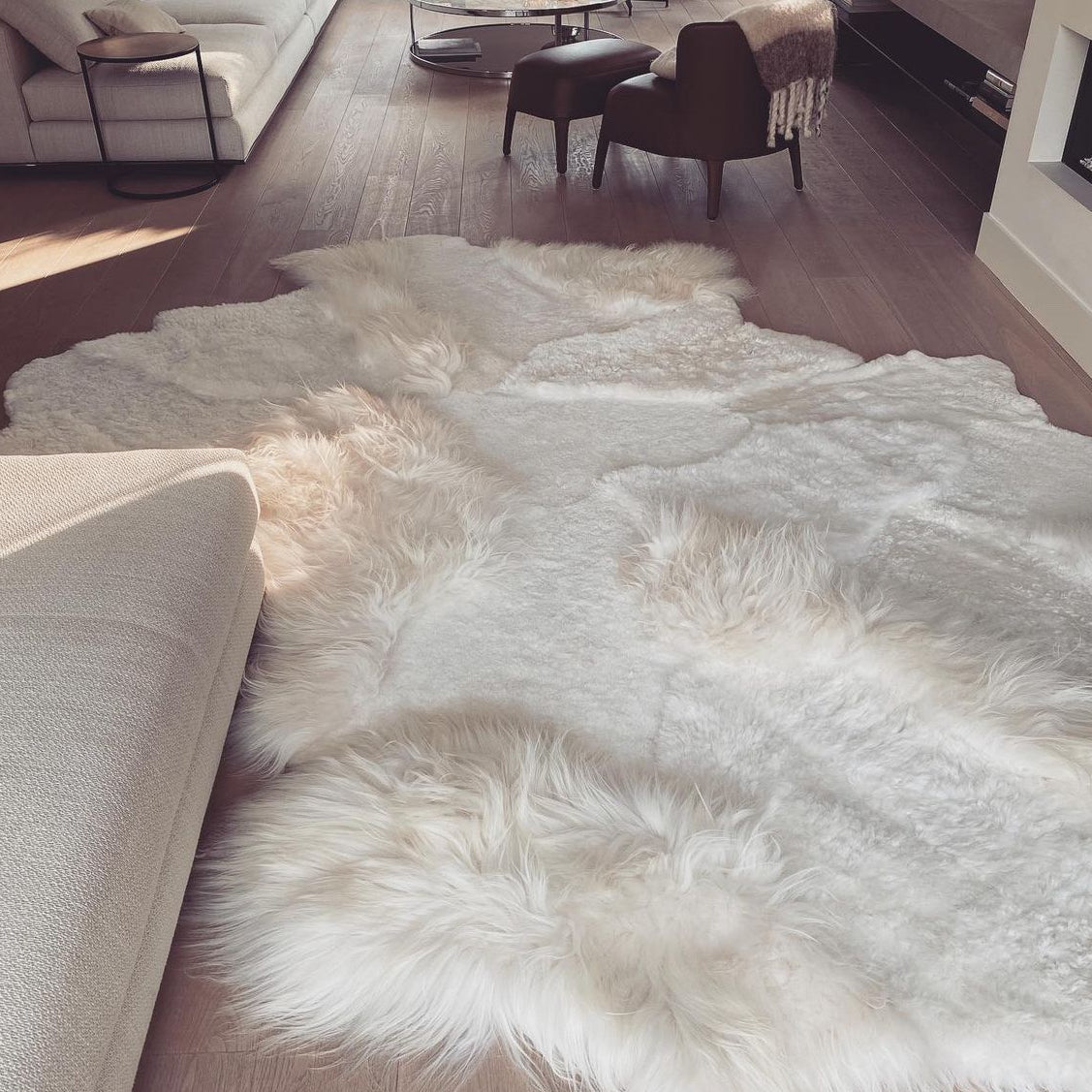
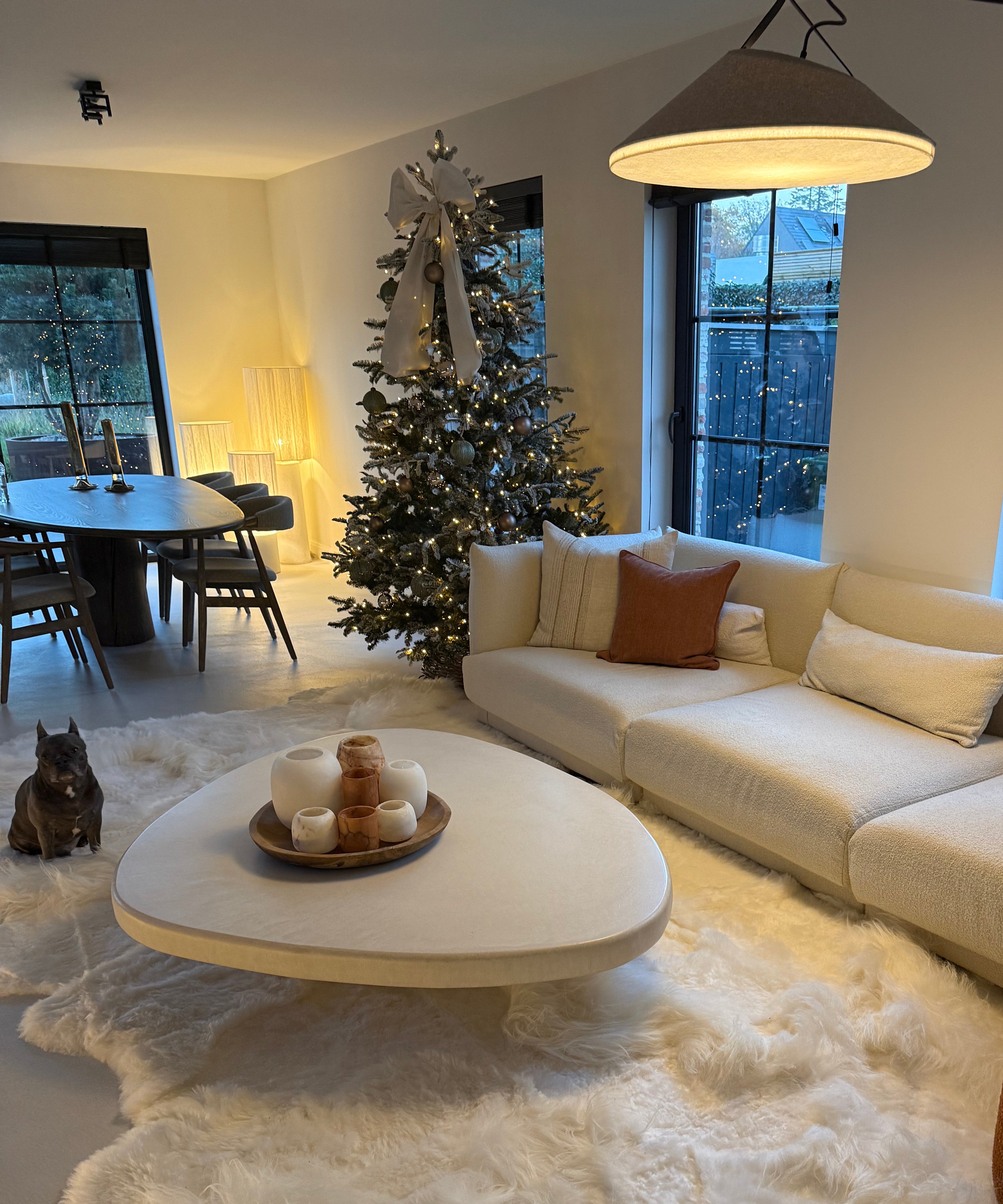
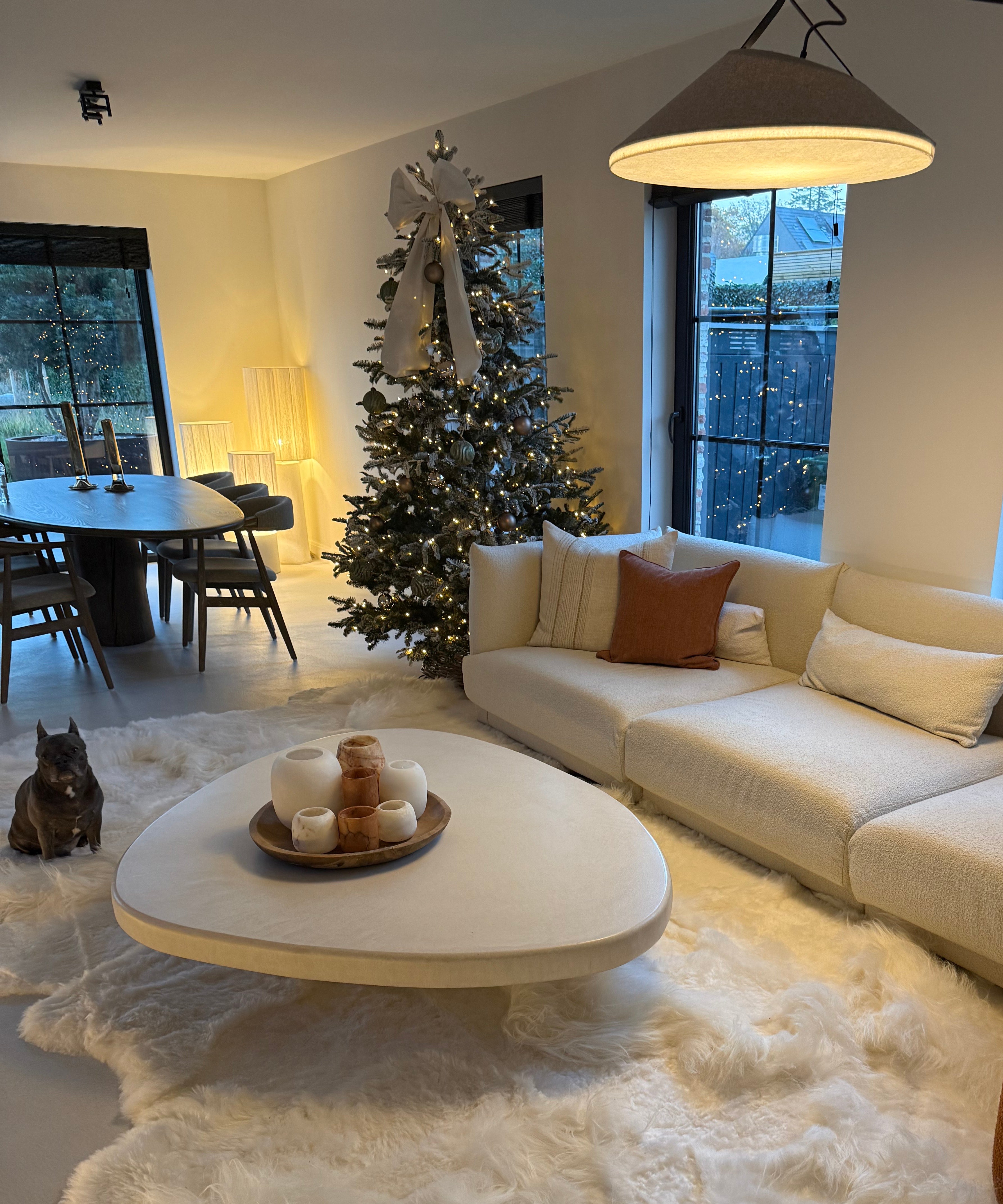
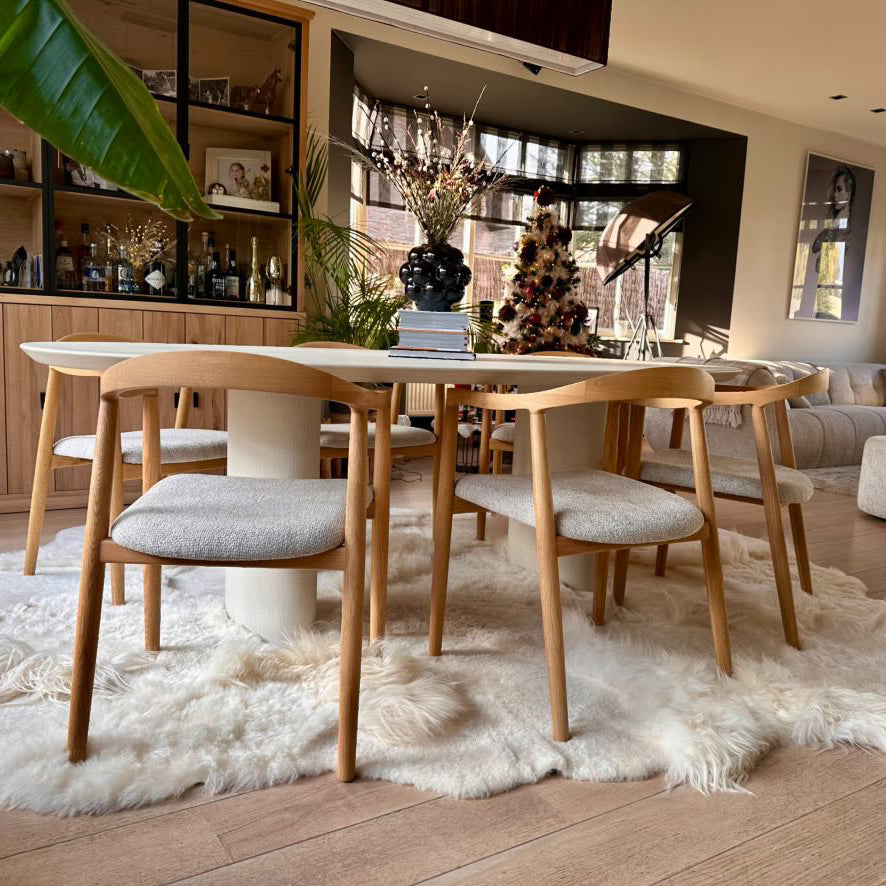
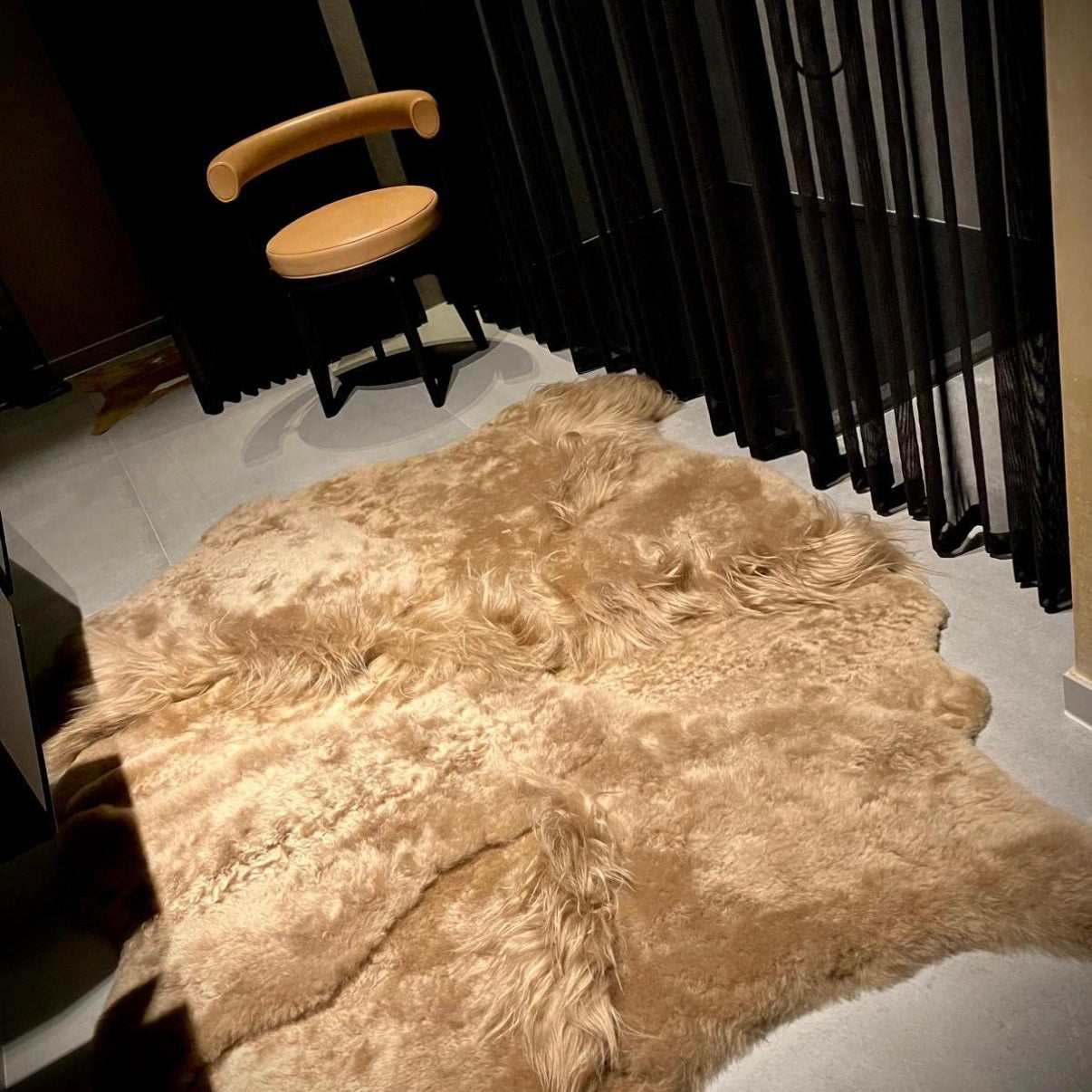
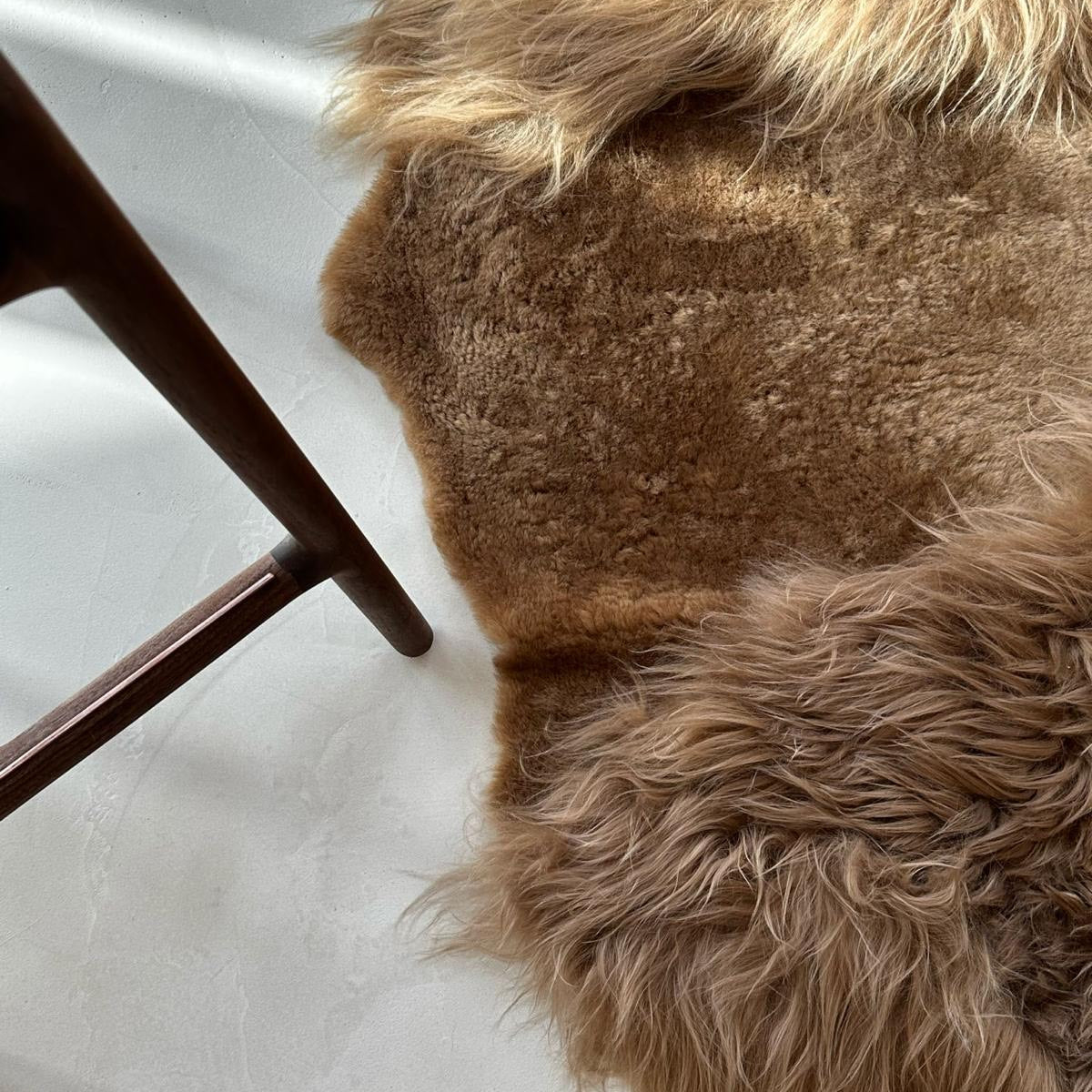
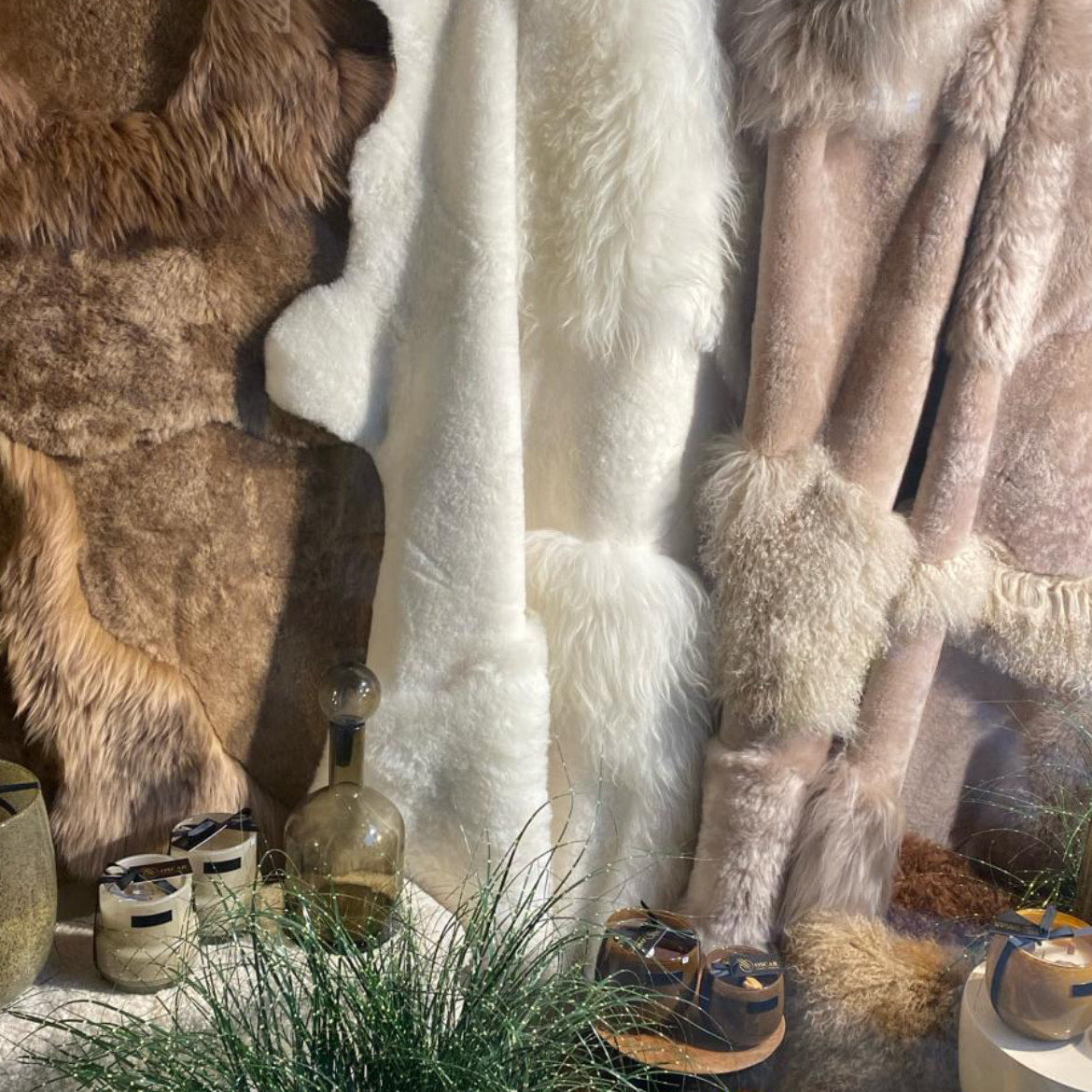
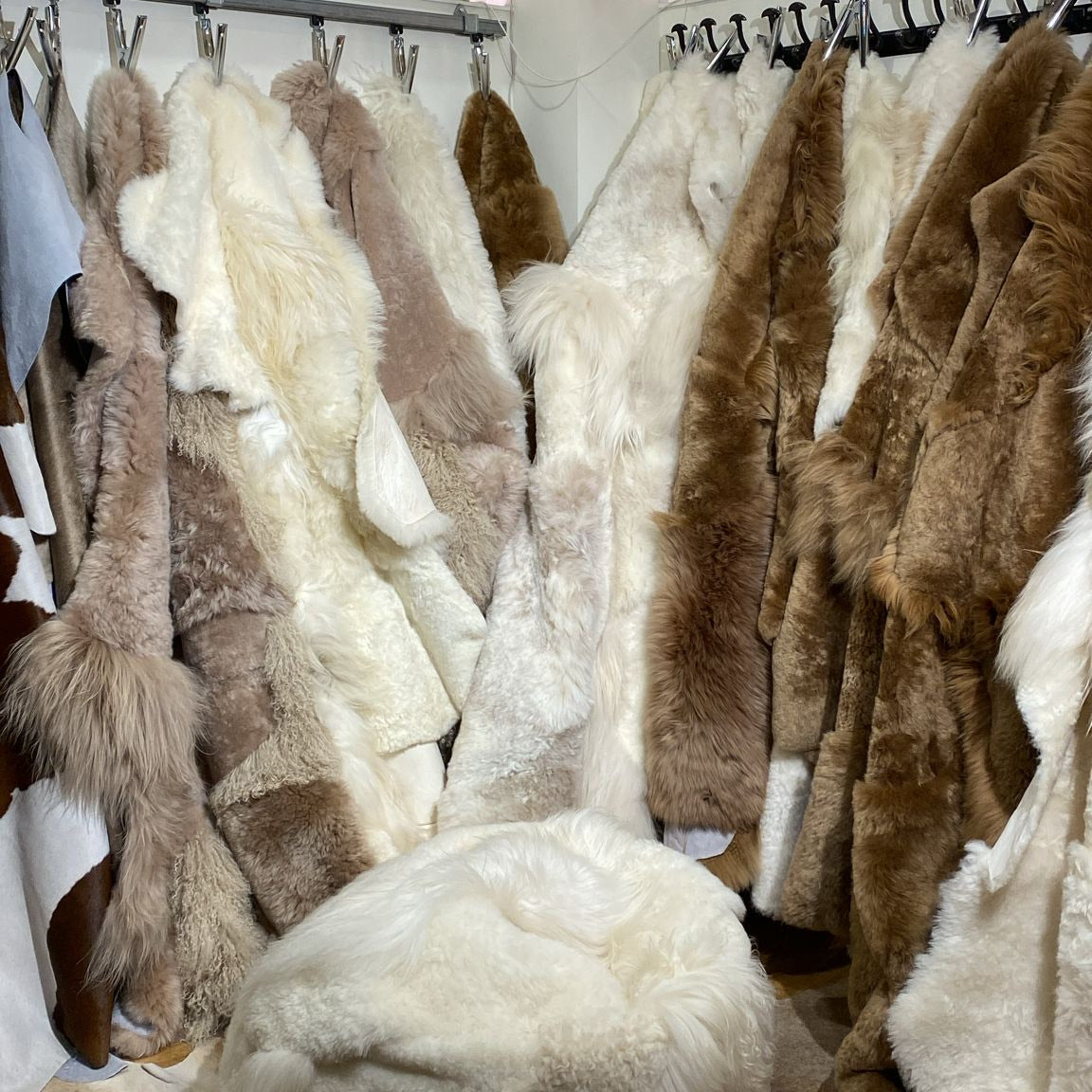
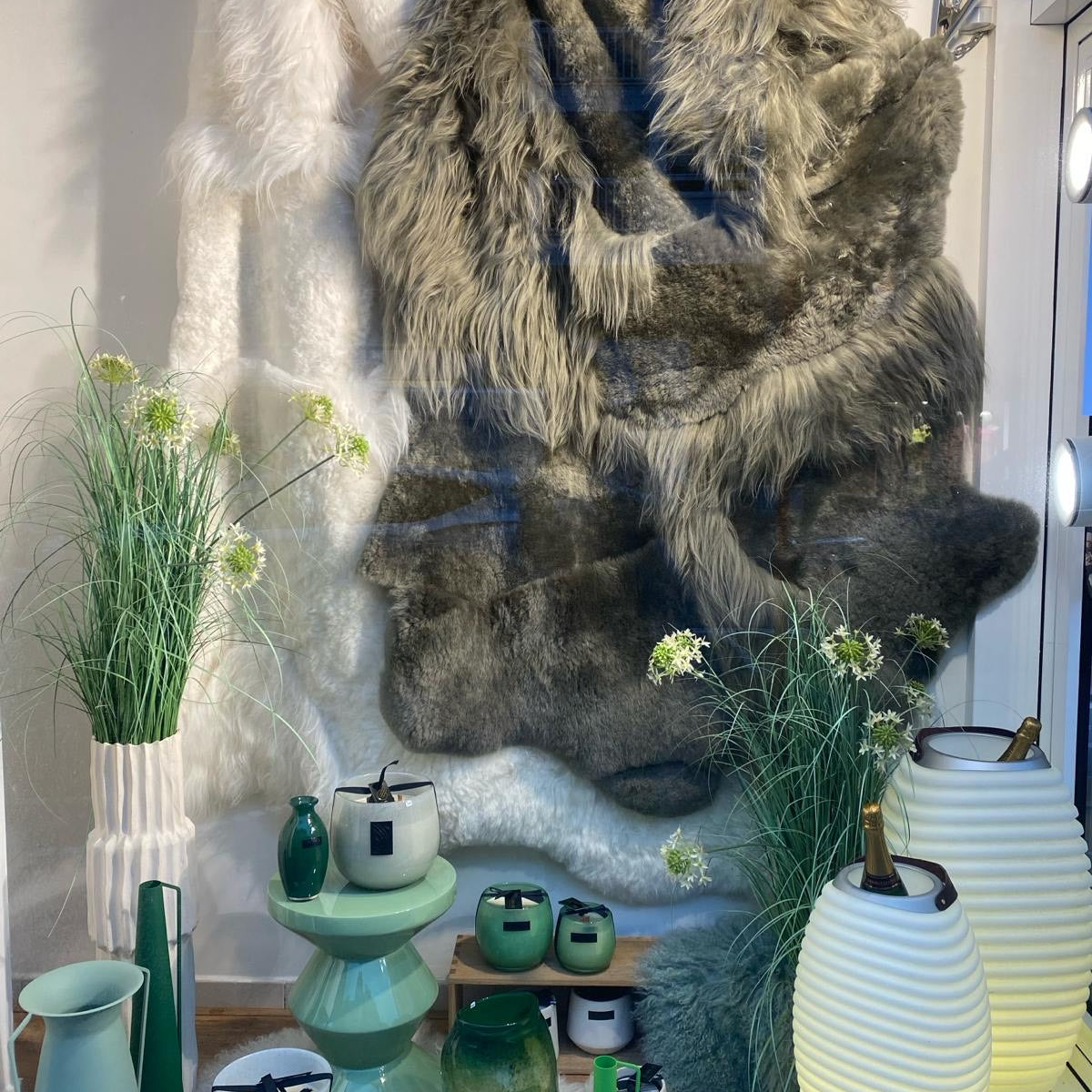
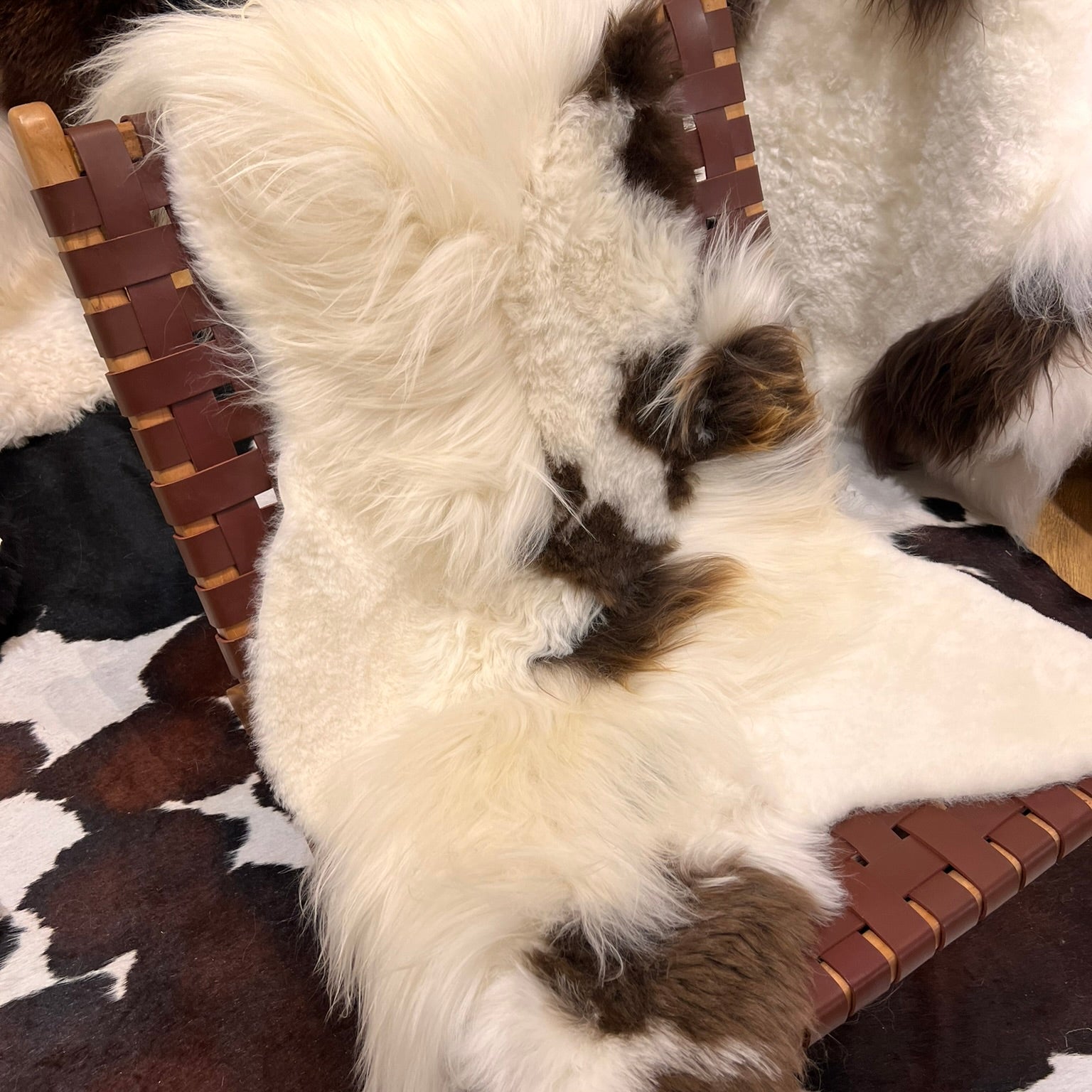
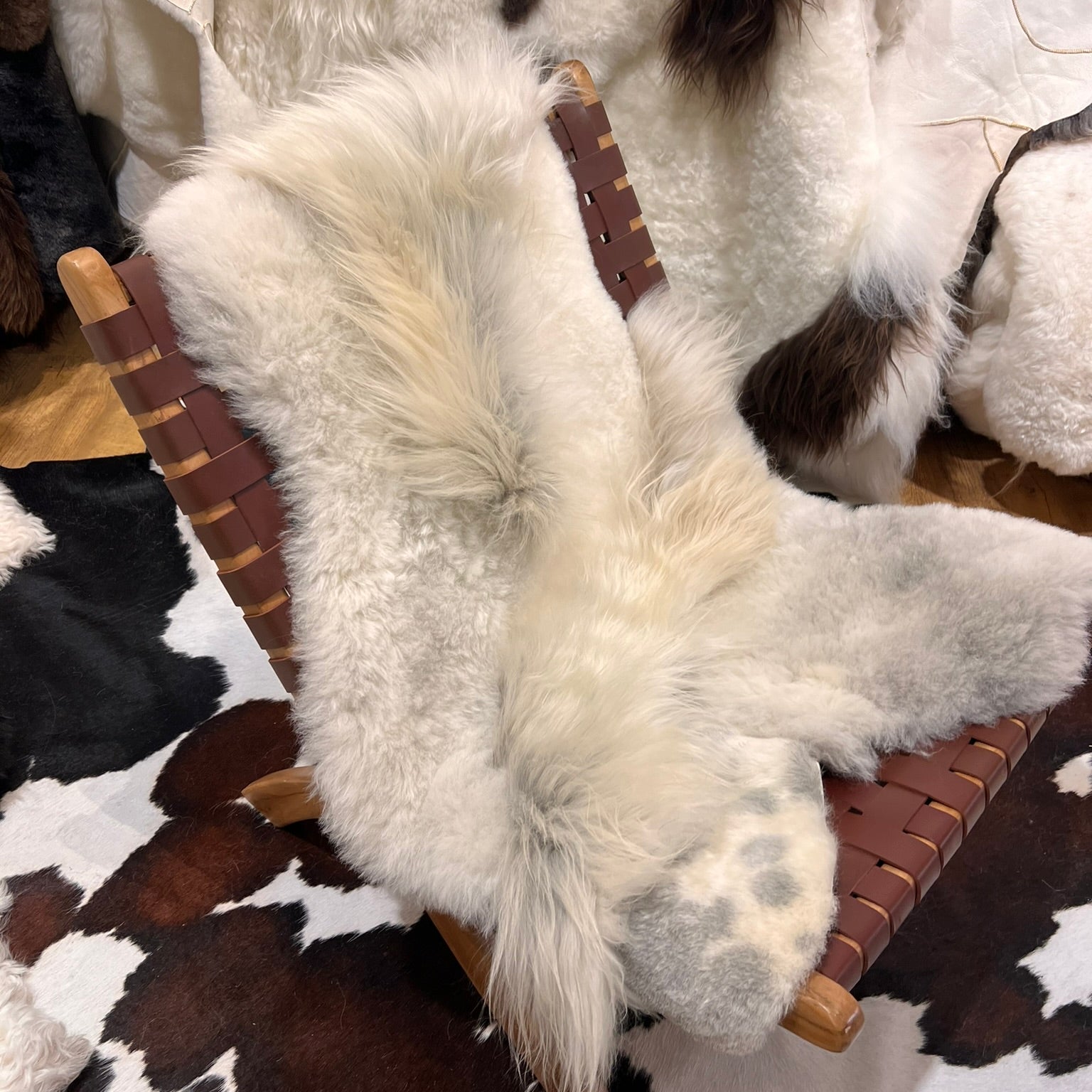
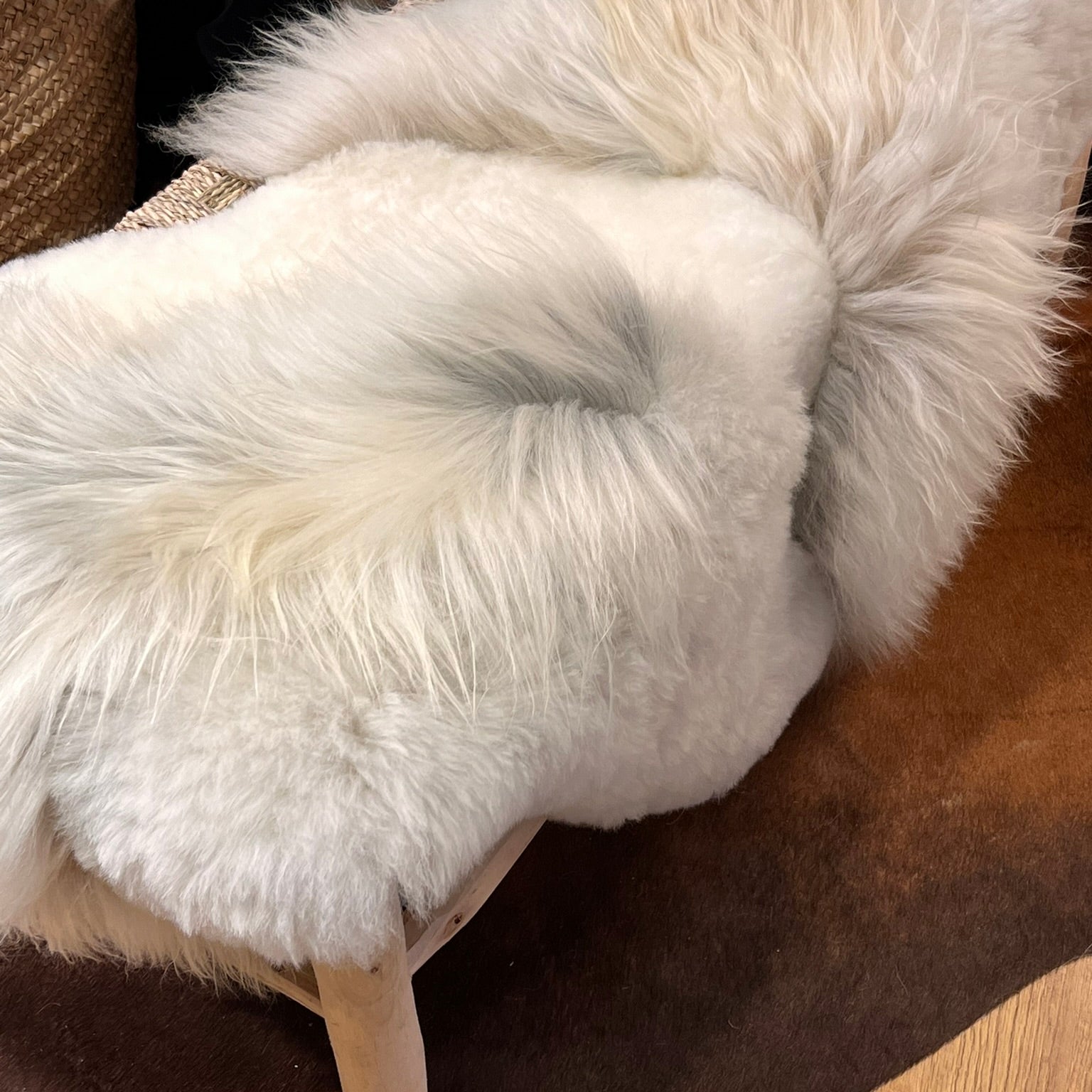
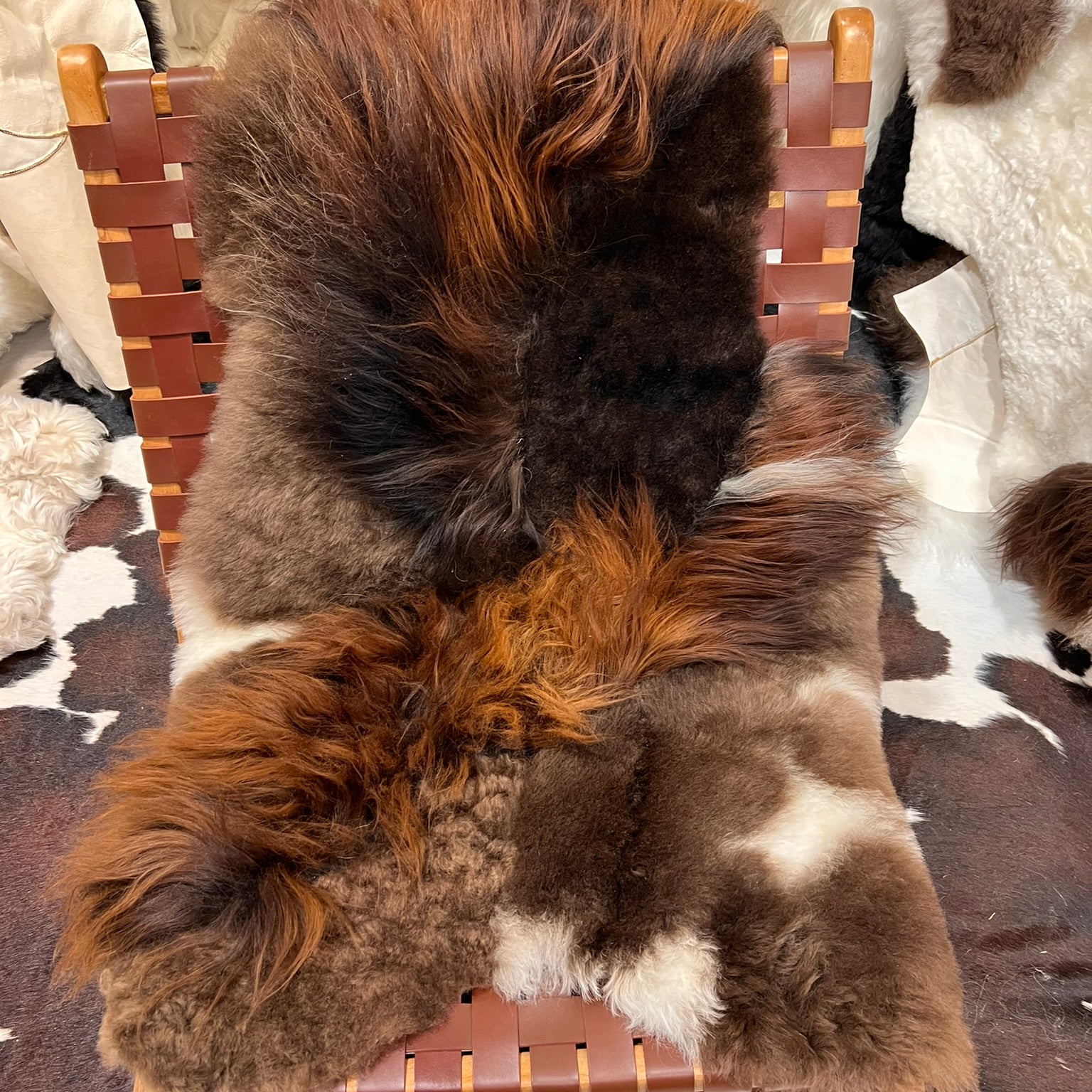
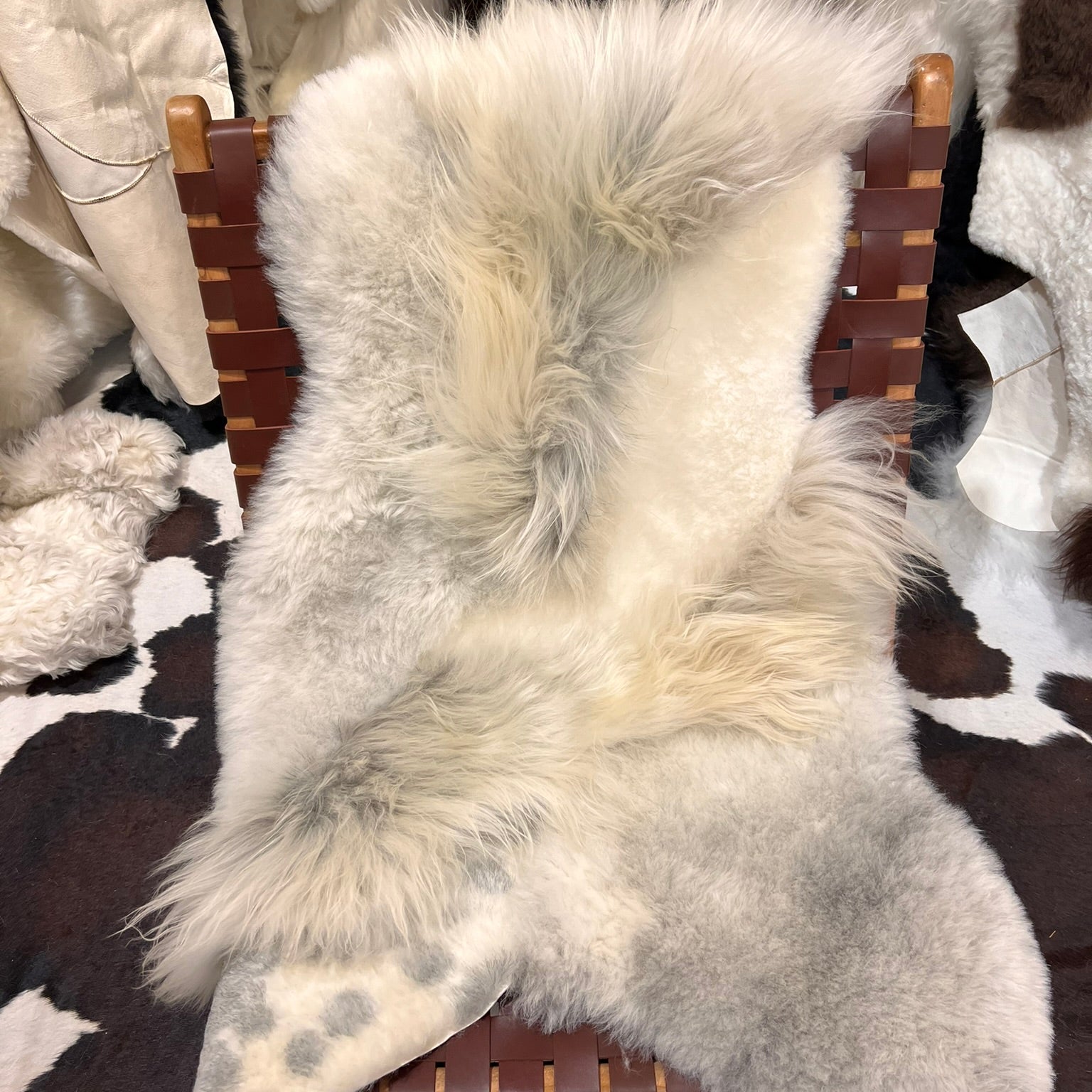
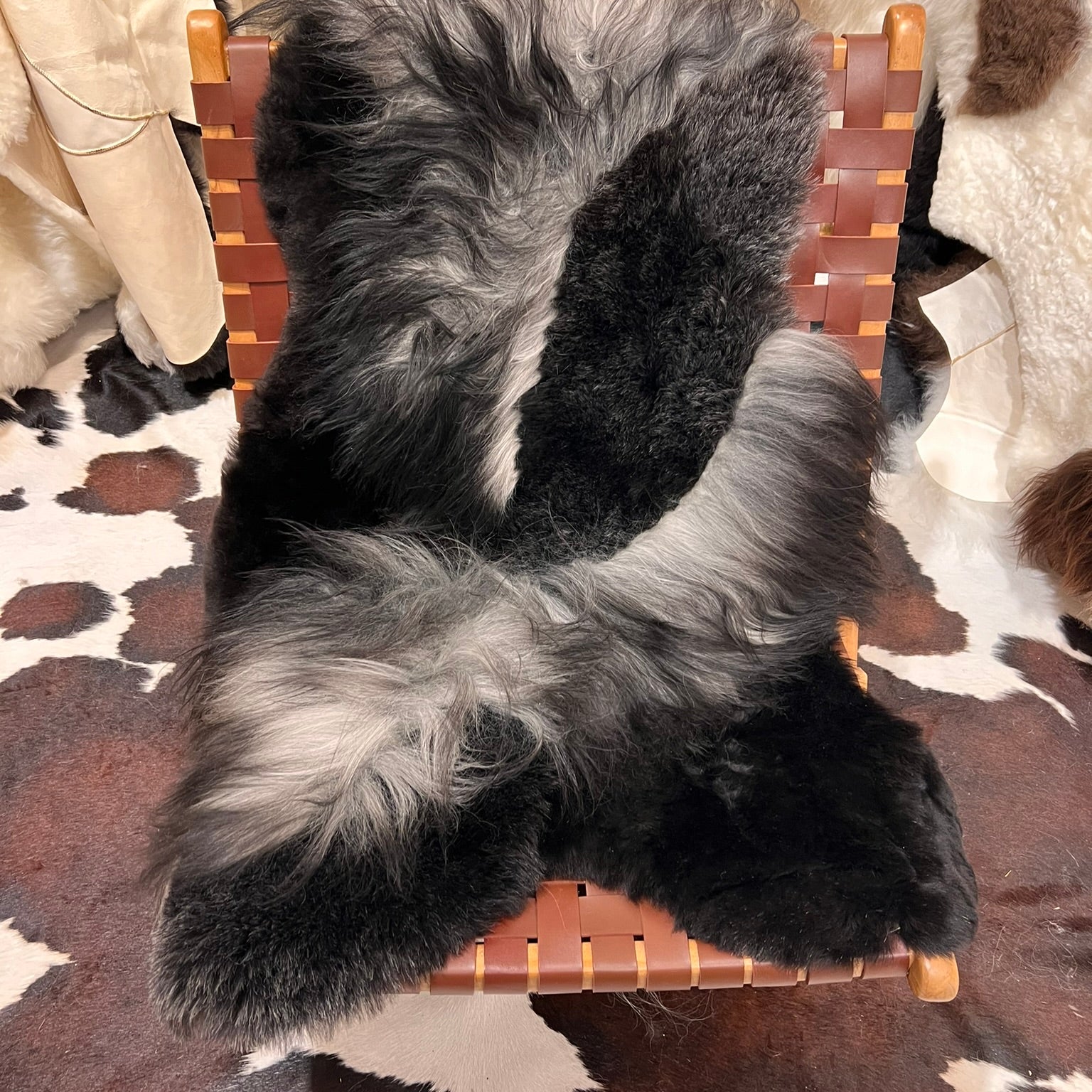
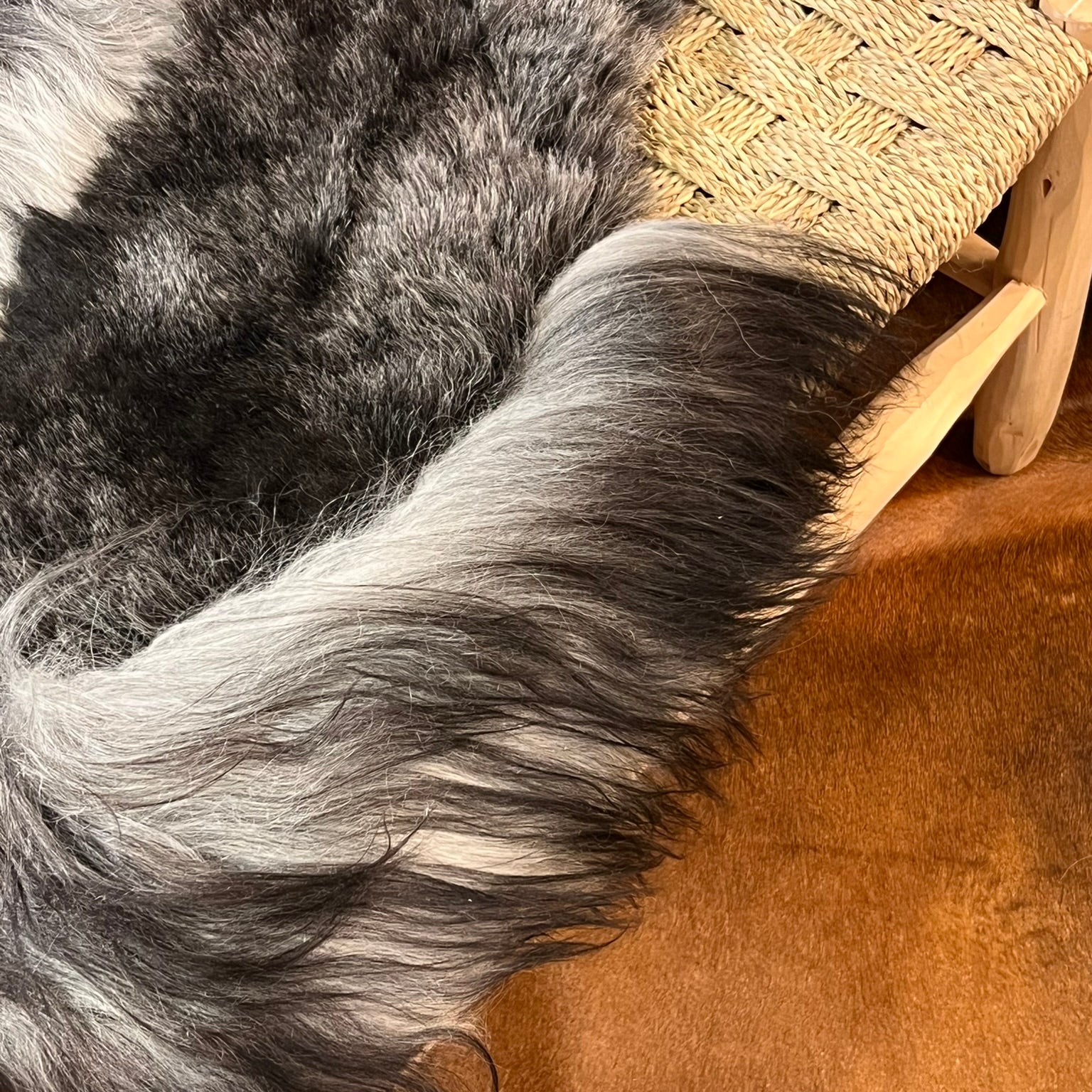
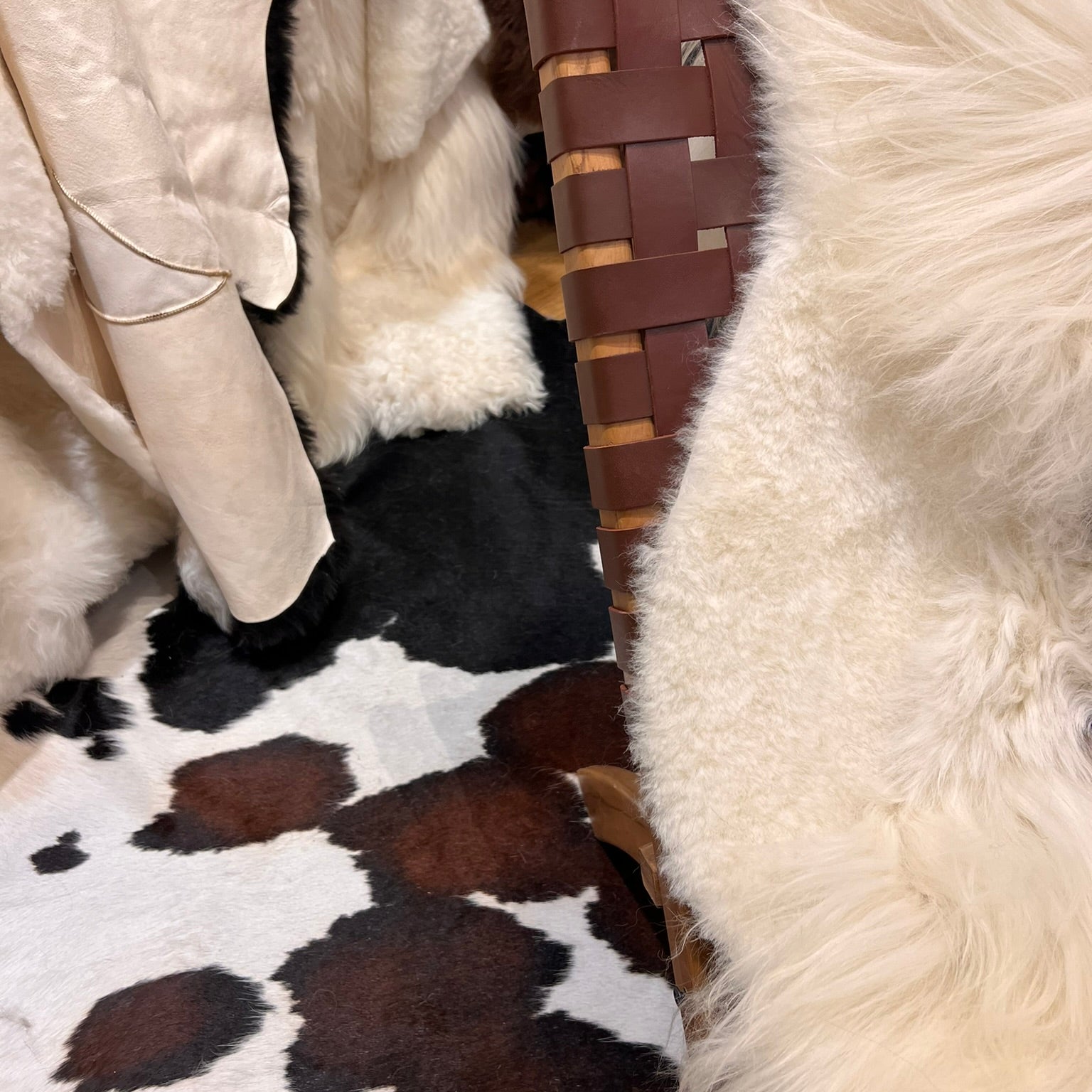
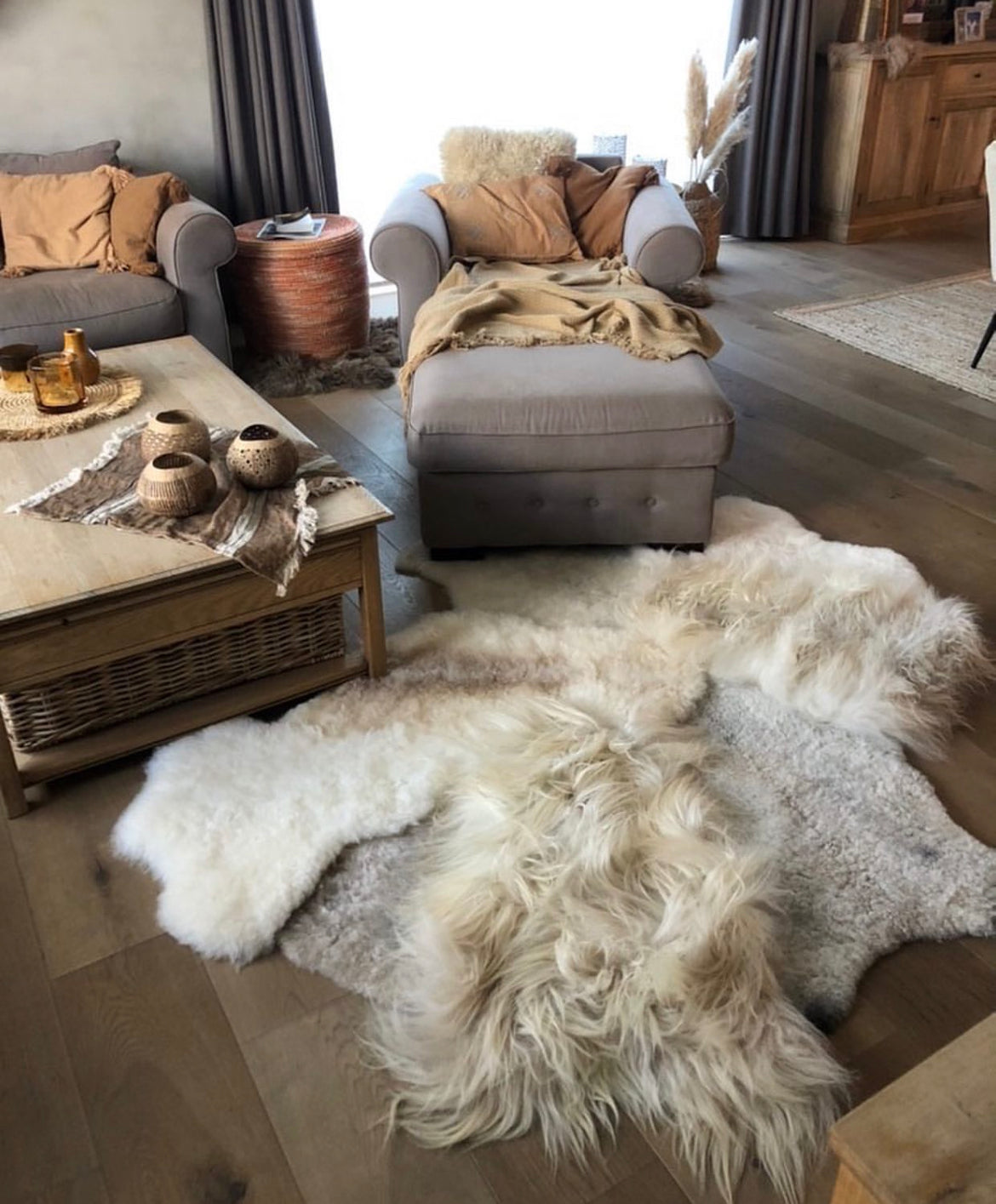
In the world of interior design, sheepskins bring an element of luxury, warmth, and texture. They are versatile and can be used as rugs, throws, chair coverings, and more. Their natural colors range from white and cream to brown and black, making them easy to integrate into various decor styles, from Scandinavian minimalist to rustic and eclectic.
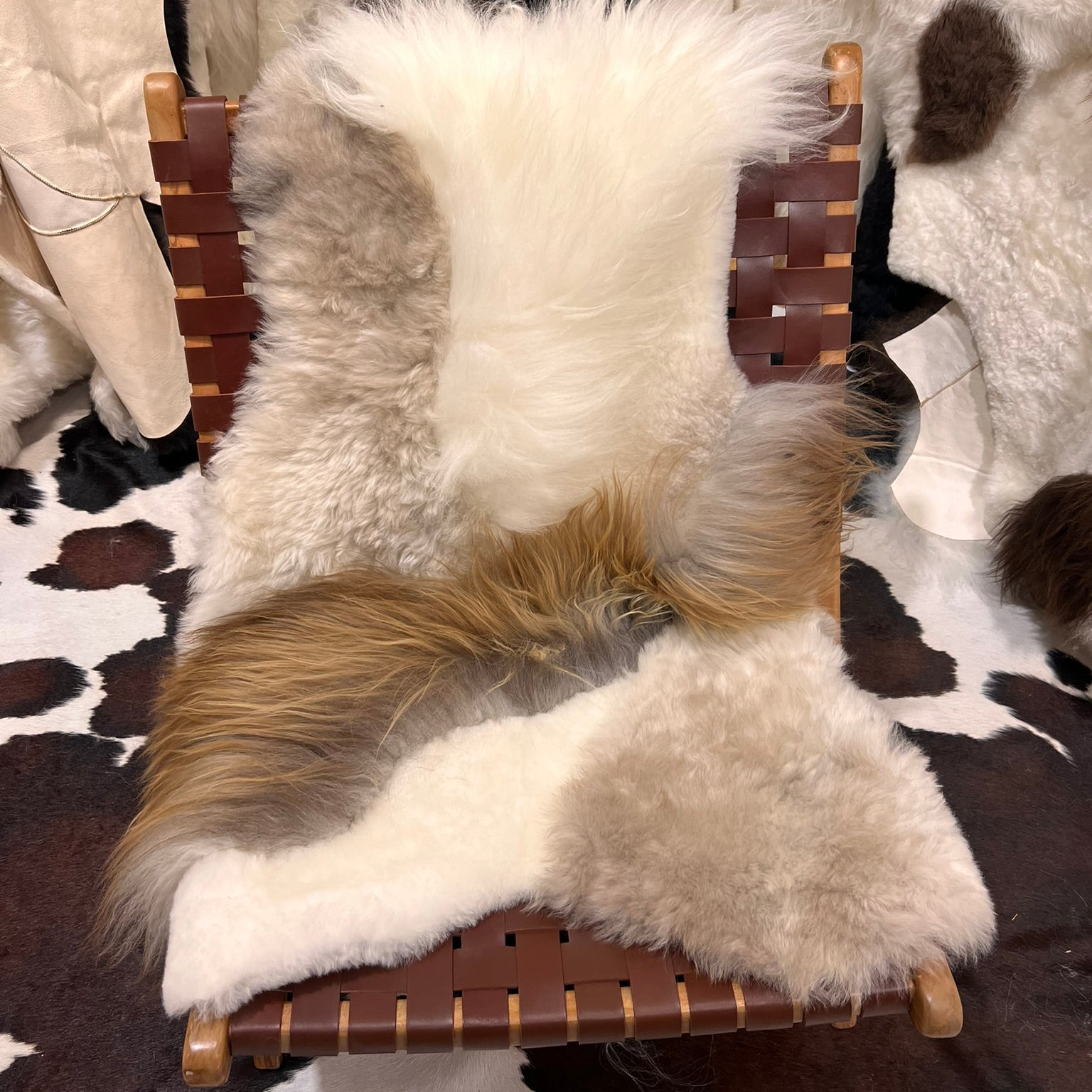
Sheepskins offer a unique combination of functionality and aesthetics. They add a tactile element that is both visually appealing and comfortable. They can be draped over chairs for extra warmth, spread on the floor for a soft touch underfoot, or used as a cozy blanket on a cold evening.
Integration into Sustainable Living
Integrating sheepskins into interior design goes hand in hand with the growing trend of sustainable living. Homeowners who prioritize environmental consciousness often choose natural materials that are both functional and aesthetic. Sheepskins meet these criteria and support a sustainable lifestyle, while adding warmth and style to any home.
Conclusion
Sheepskins unite the past and present by combining their historical applications and sustainable properties with modern design elements. They are more than just a stylish accessory; they are a testament to how traditional materials can be used to meet contemporary design and environmental demands. By integrating sheepskins into the home, we not only honor our past but also embrace a future of sustainable and conscious living.