
Short answer: sheepskin has demonstrable benefits, but not all claims are equally solid. Well supported: medical sheepskins reduce pressure ulcers (Cochrane review), wool improves sleep quality through temperature regulation (University of Sydney) and superfine wool eases eczema in children (Murdoch Children’s Research Institute). Wool also binds harmful substances from indoor air. A sheepskin rug is not a medical device, but it does contribute to a warm, dry and calm indoor climate.
1. Pressure ulcers: the best-studied effect
The strongest scientific evidence concerns the Australian Medical Sheepskin, a skin that meets a medical standard. A Cochrane review (McInnes et al.) pooled three randomised trials and found that patients on such a skin developed pressure ulcers about half as often as patients receiving standard care (relative risk 0.56). In a Dutch nursing-home study (Mistiaen et al., 2010, 543 patients) the number of sacral pressure ulcers fell from 14.7% to 8.9%. The mechanism: the skin distributes pressure, reduces friction and wicks moisture. Caveat: a third of patients found the skin too warm.
2. Sleep: falling asleep faster, fewer interruptions
Researchers at the University of Sydney (Chow et al., Nature and Science of Sleep, 2019) had adults aged 50 to 70 sleep in wool, cotton and polyester at 30 °C. The oldest participants fell asleep in wool after about 12 minutes, compared with 22 minutes in polyester and 27 in cotton, and woke less often. An earlier study in young adults (2016) found the same pattern at 17 and 22 °C. A systematic review in the Journal of Sleep Research (2024) confirmed it: wool gives shorter sleep-onset times than cotton. The explanation is thermoregulation — wool keeps the skin in the comfort zone by absorbing and releasing moisture.
3. Skin: superfine wool for eczema
Wool was long advised against for eczema. The Murdoch Children’s Research Institute in Melbourne (Su et al., British Journal of Dermatology, 2017) tested superfine merino wool (≤ 17.5 micron) on 39 children aged 4 weeks to 3 years: eczema symptoms decreased in wool and increased again on returning to cotton. A follow-up study (DESSINE 2, completed in 2024) examined this on a larger scale. Important: this applies to superfine wool on the skin, not automatically to every sheepskin.
4. Indoor air: wool binds volatile compounds
AgResearch (New Zealand) showed that wool absorbs formaldehyde, nitrogen oxides and sulphur dioxide from the air — a high formaldehyde concentration dropped to almost zero within about four hours — and does not re-emit them, even when heated. A TU Delft study (Bluyssen et al., 2024) confirmed the odour-absorbing effect of wool floor coverings with a sensory panel.
5. For pets
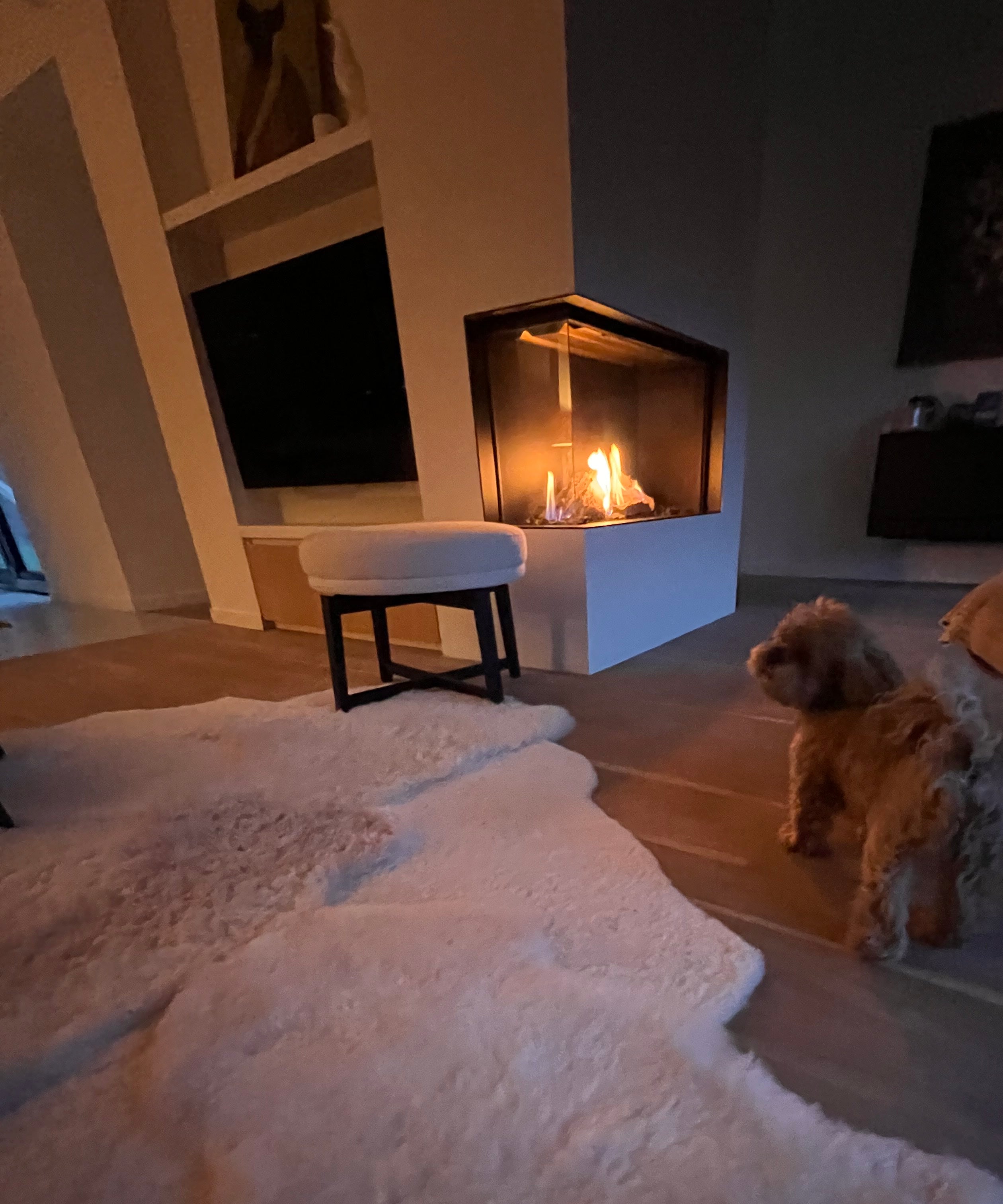
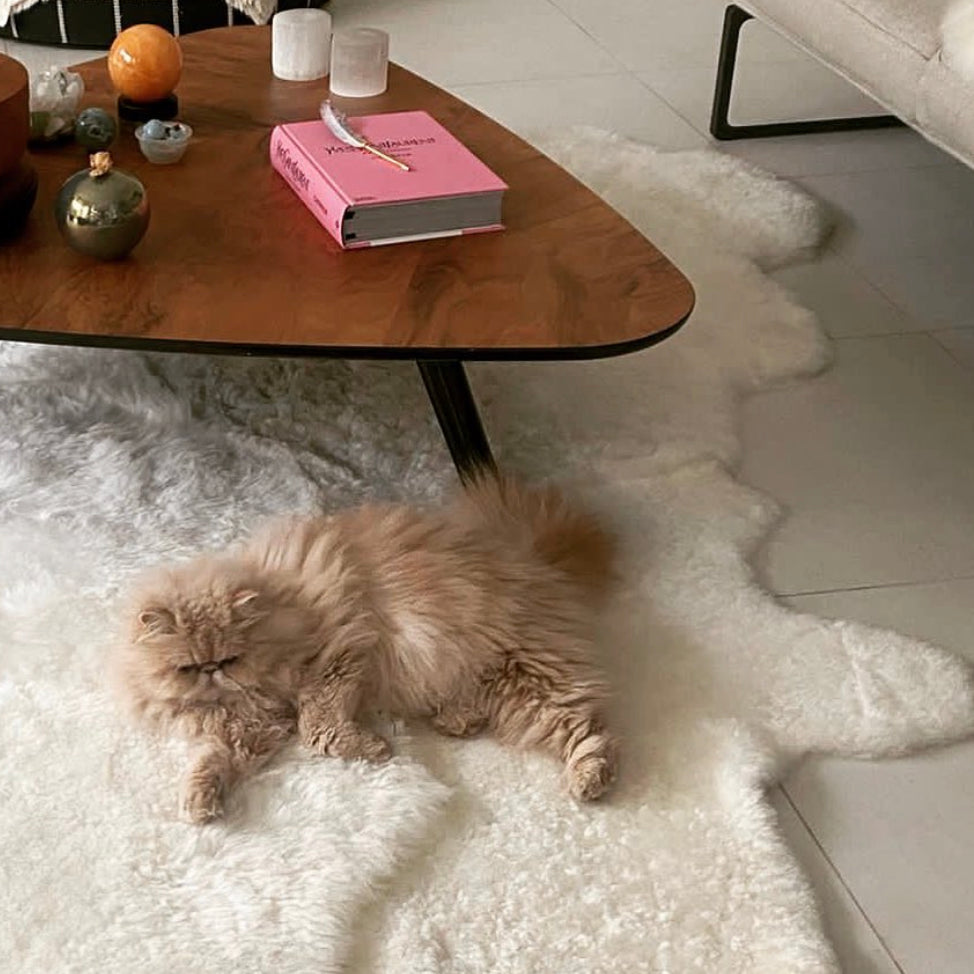
The same distribution of pressure and moisture makes a sheepskin comfortable for older dogs and cats with stiff joints. Here the evidence is mainly practical experience of vets and owners, not controlled studies.
What this means for a rug at home
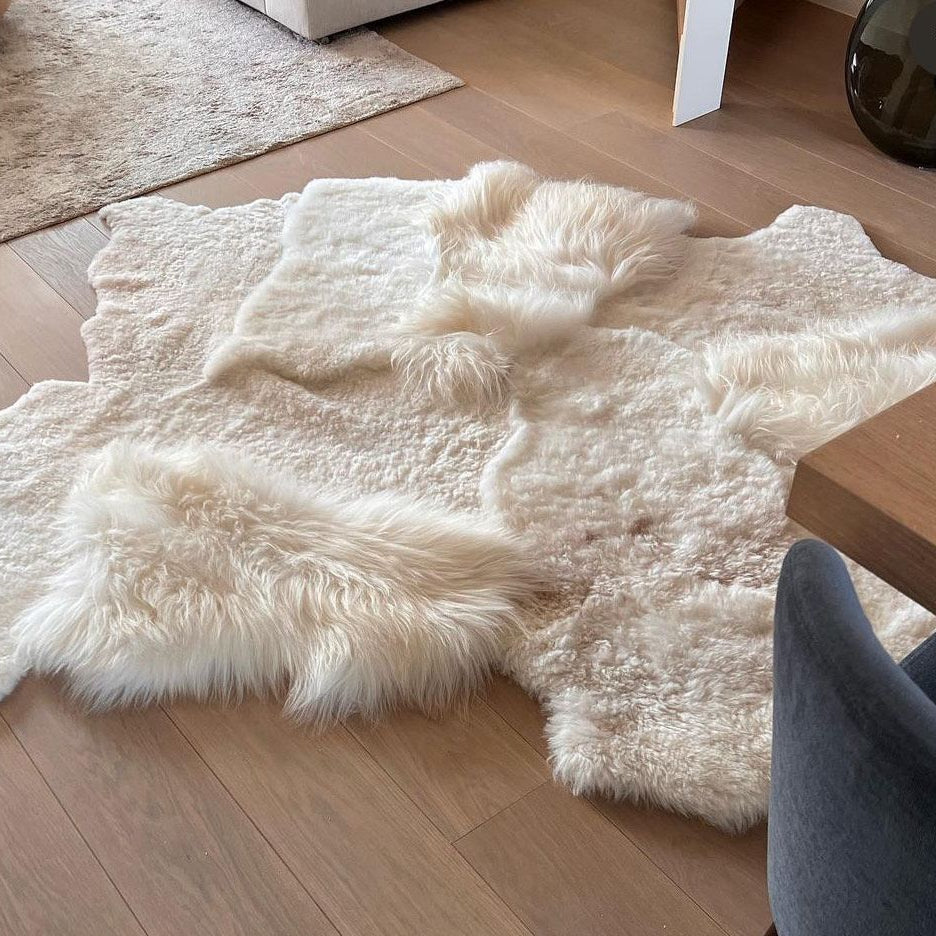
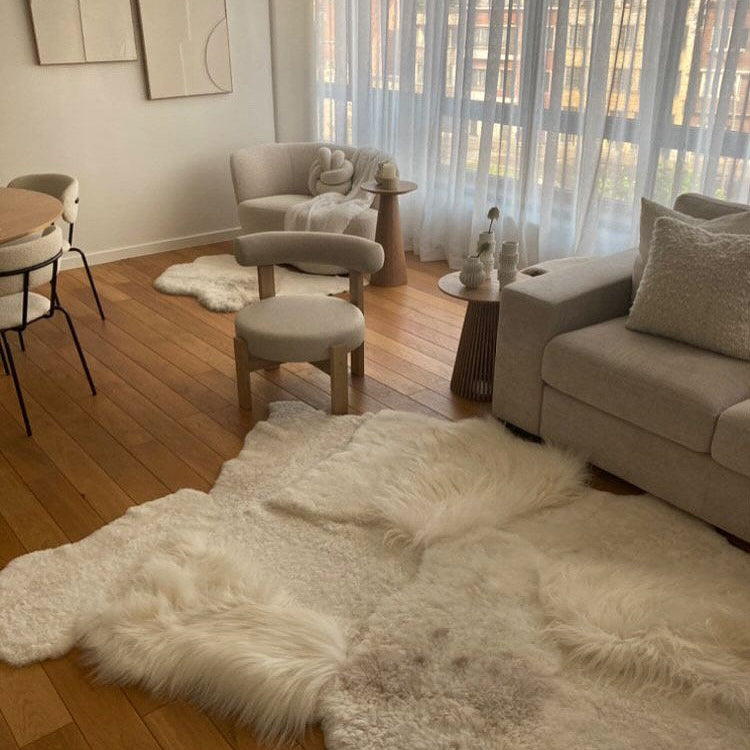
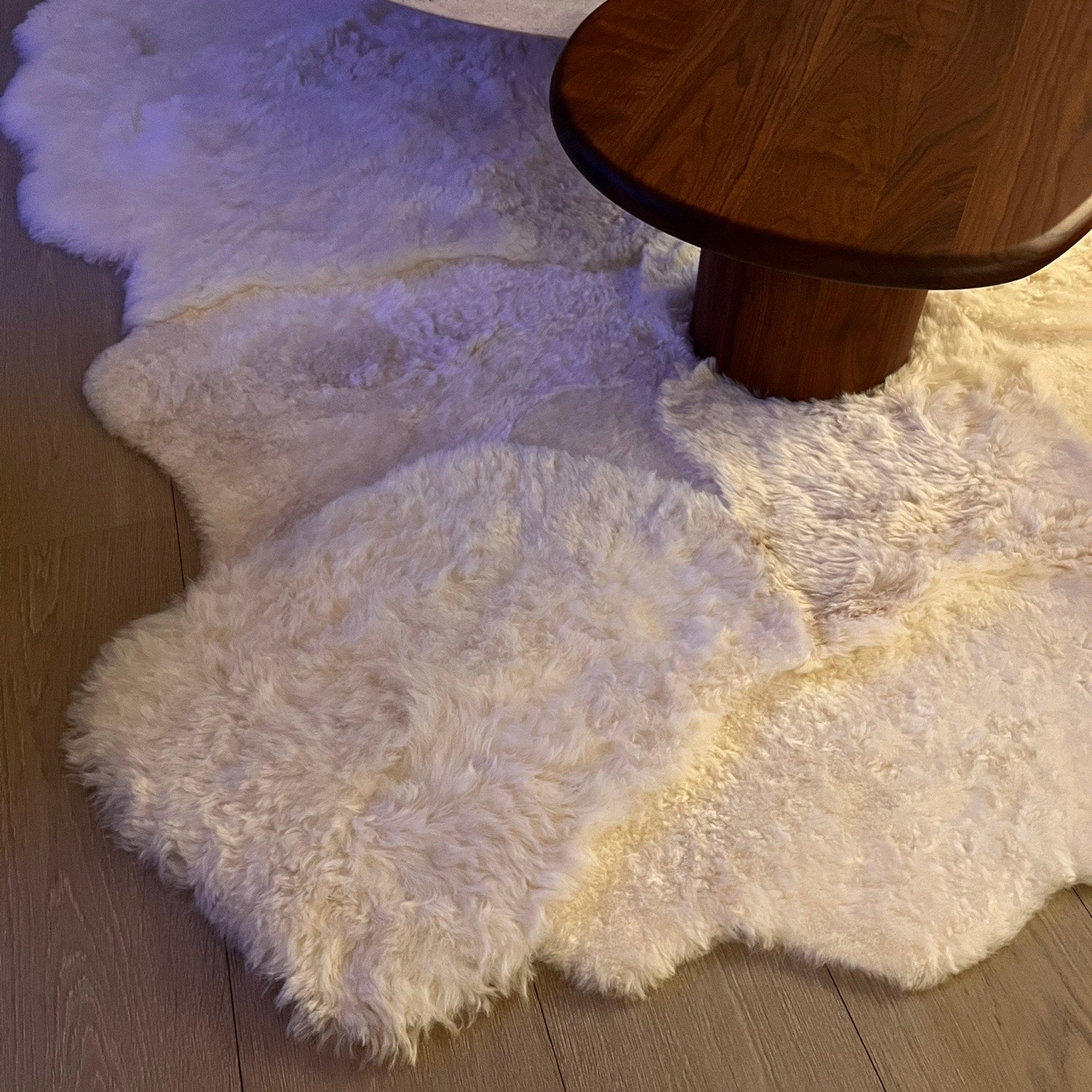
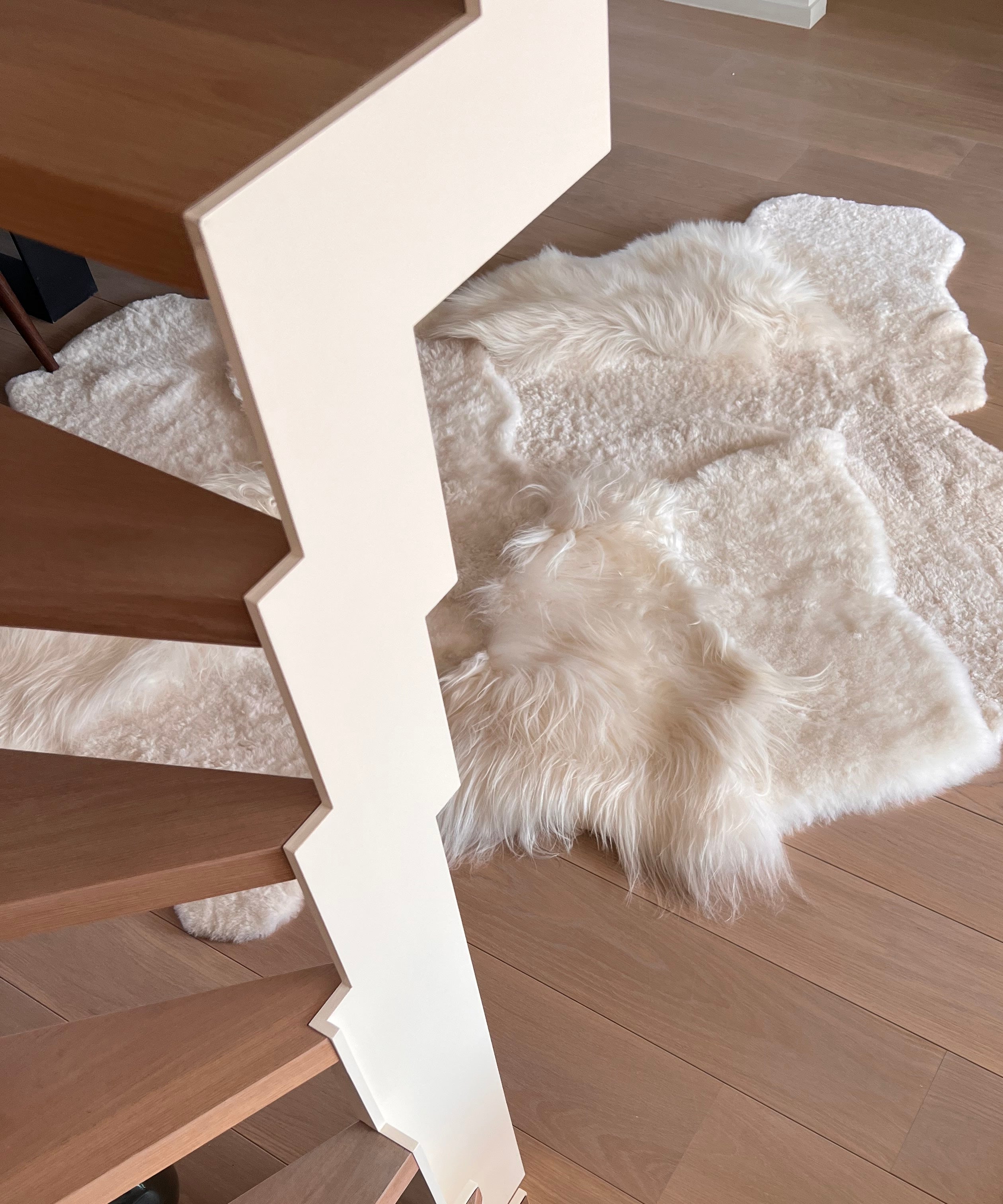
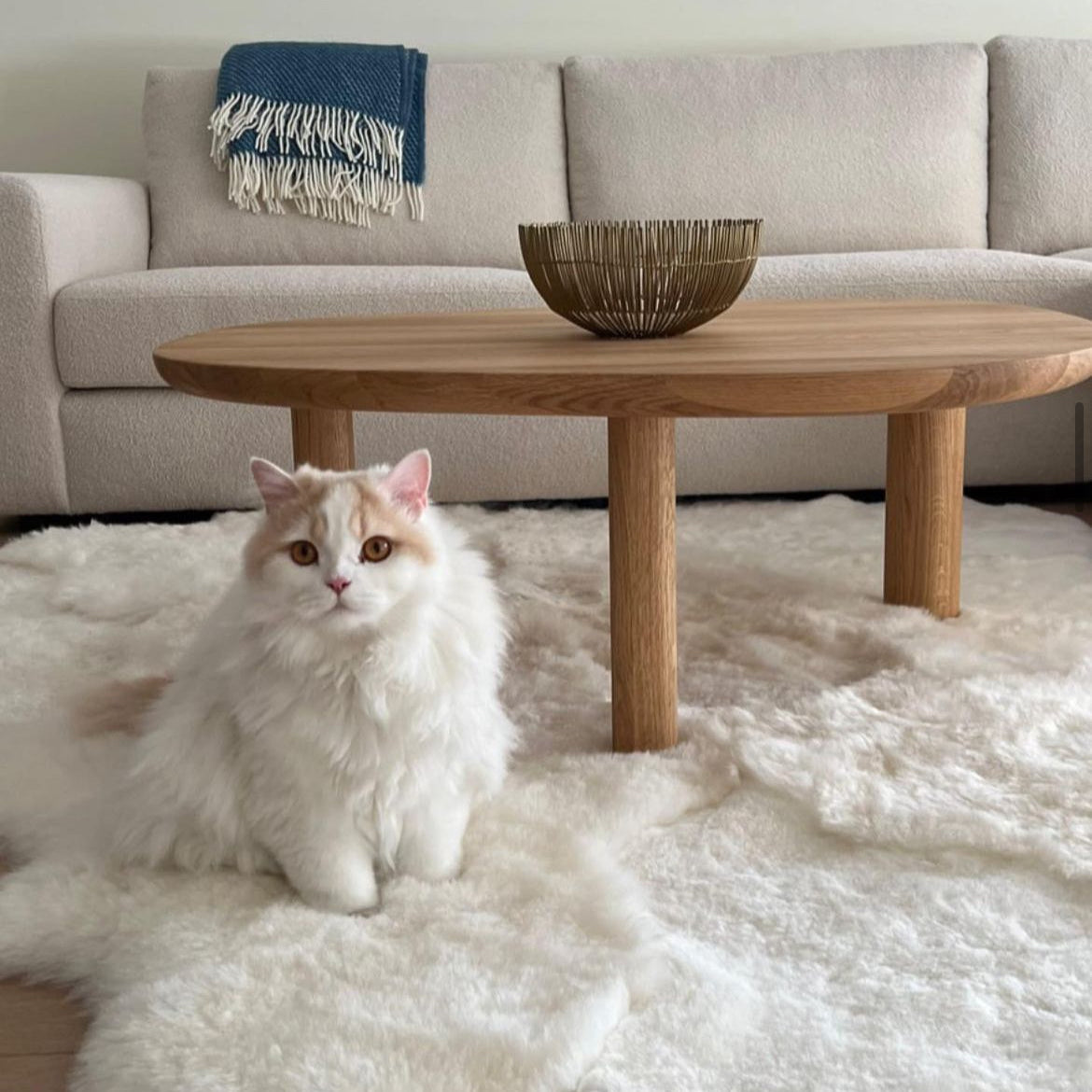
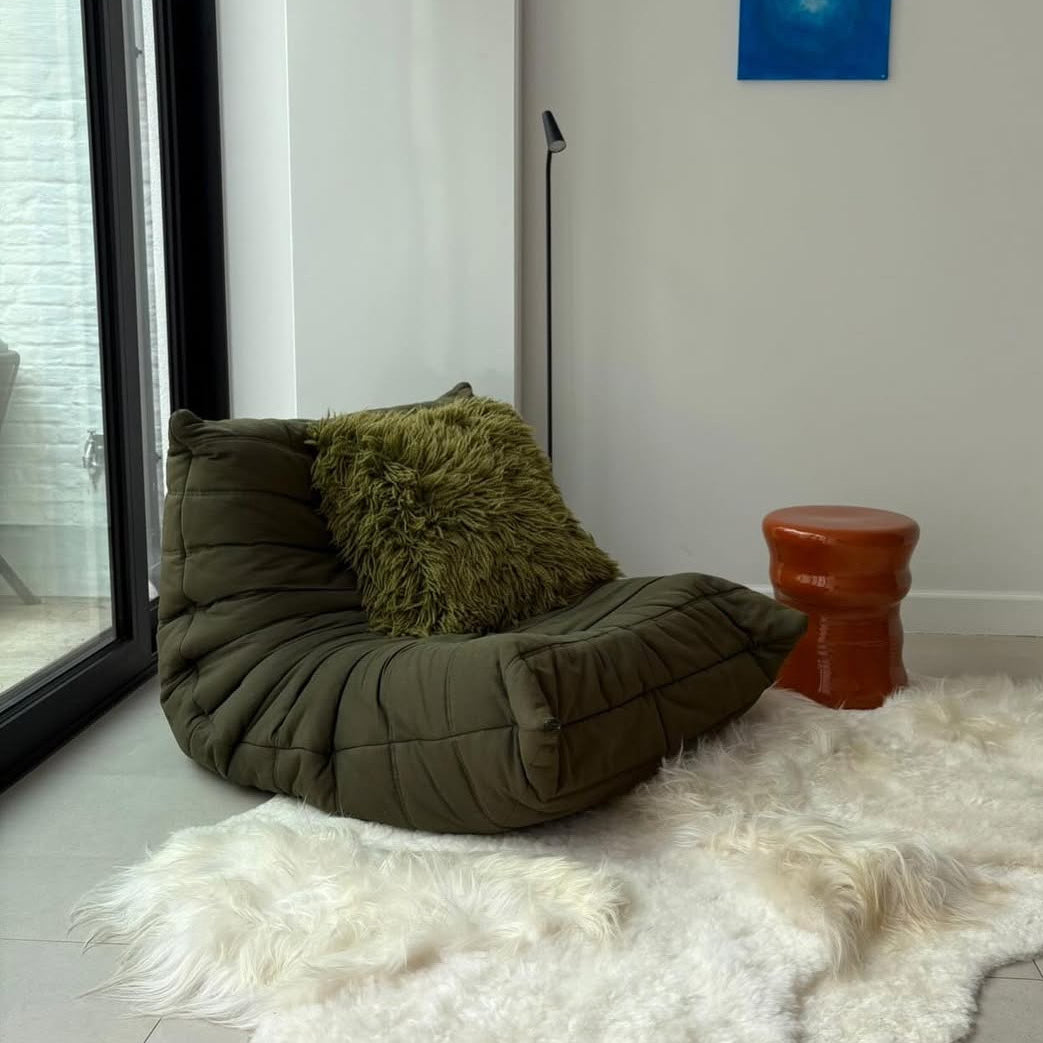
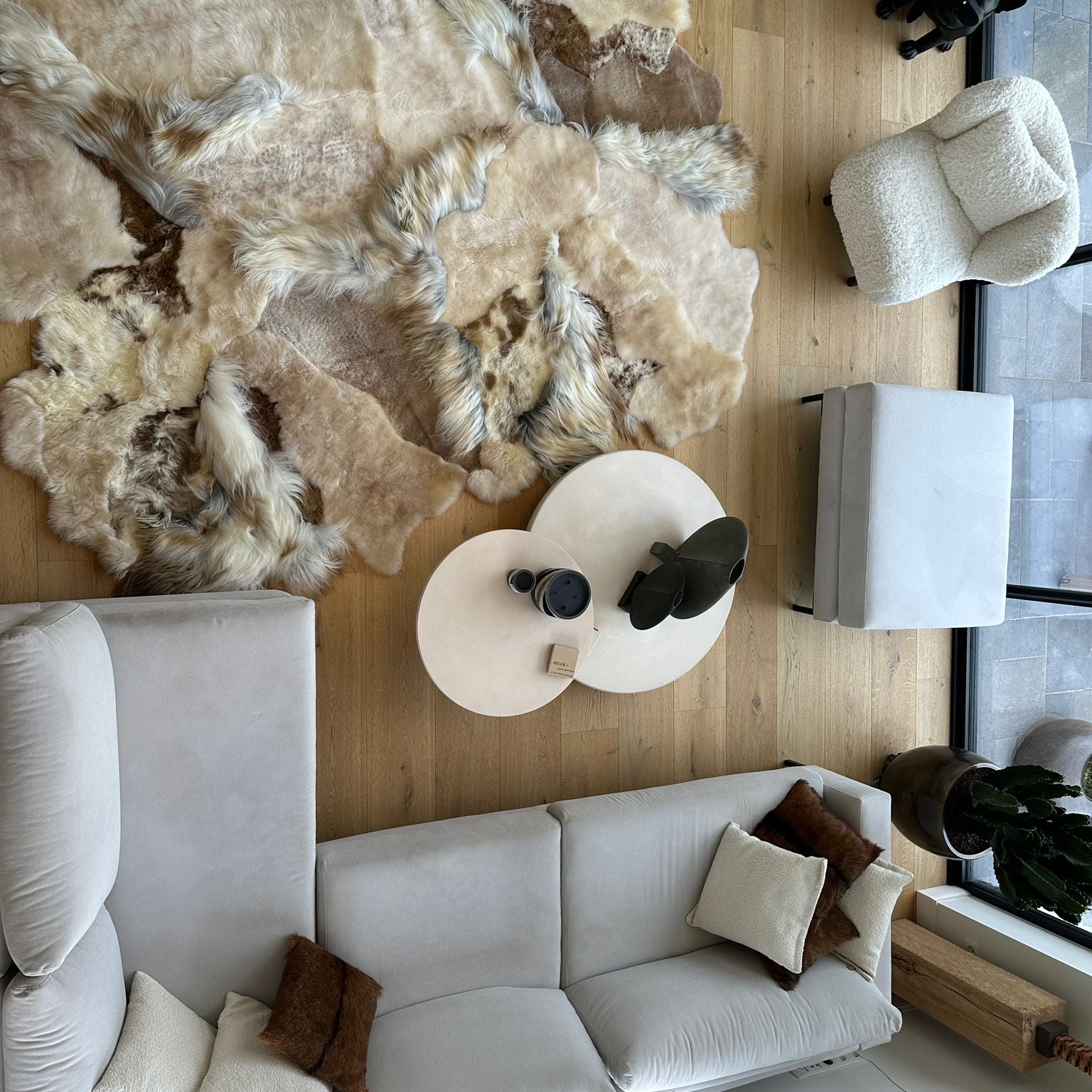
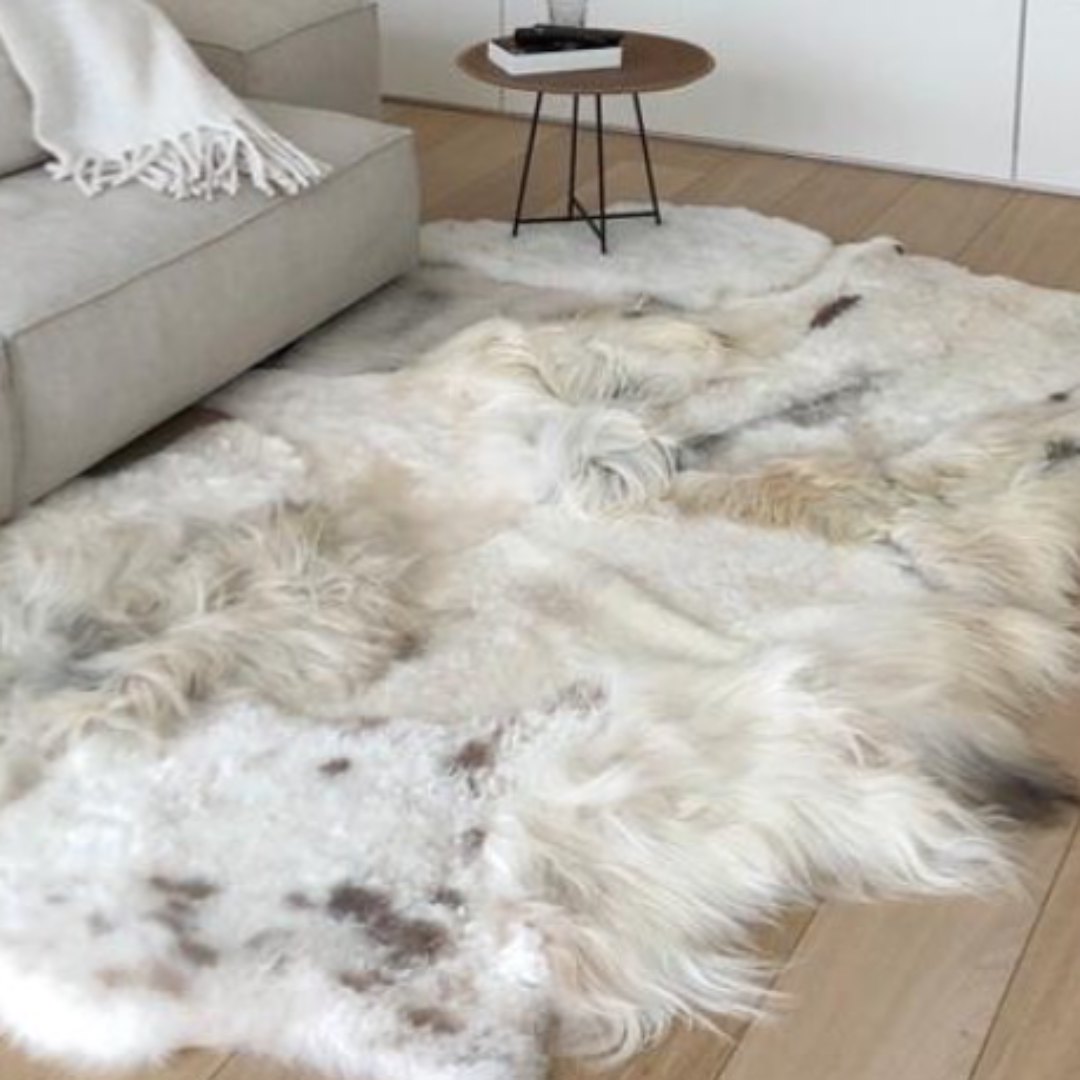
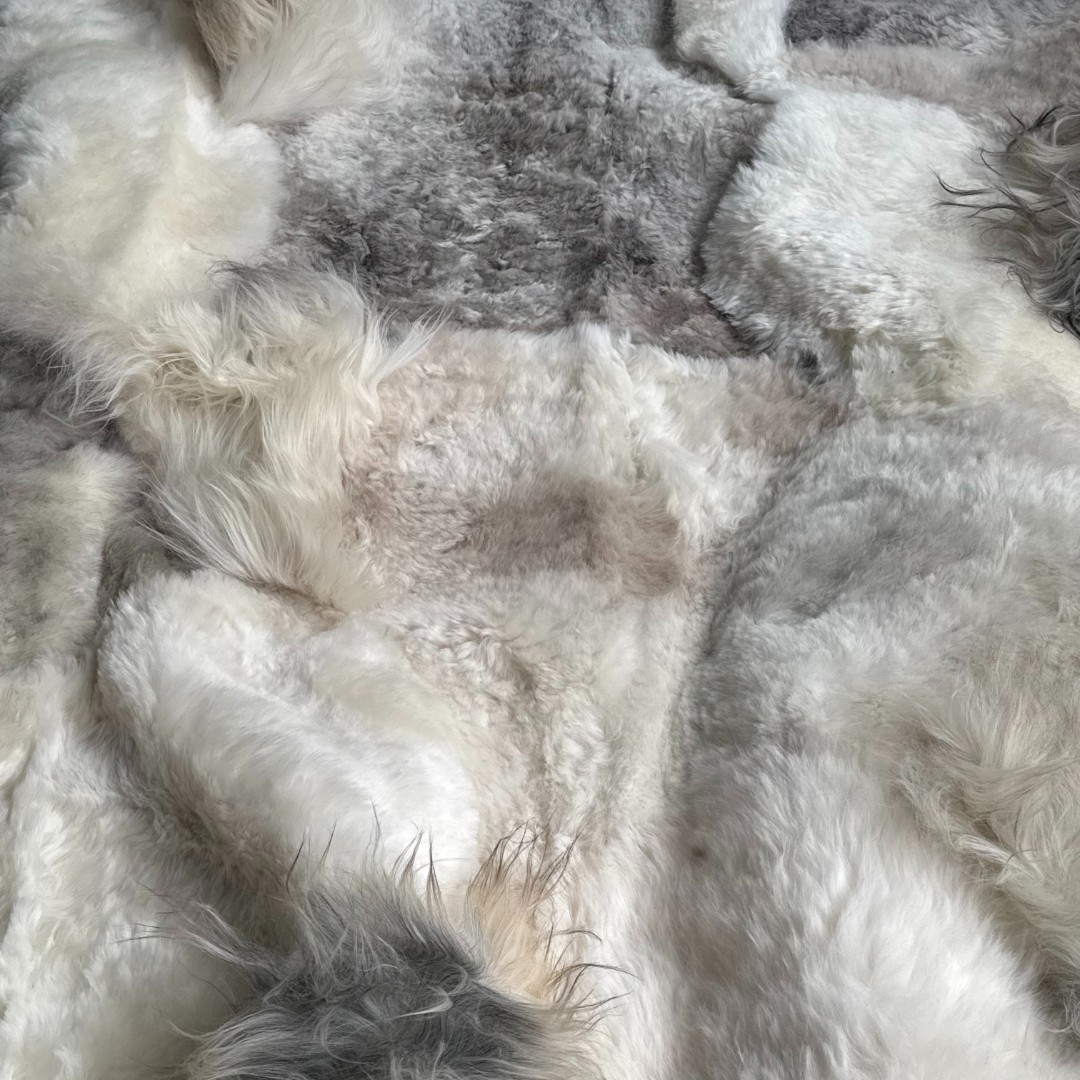
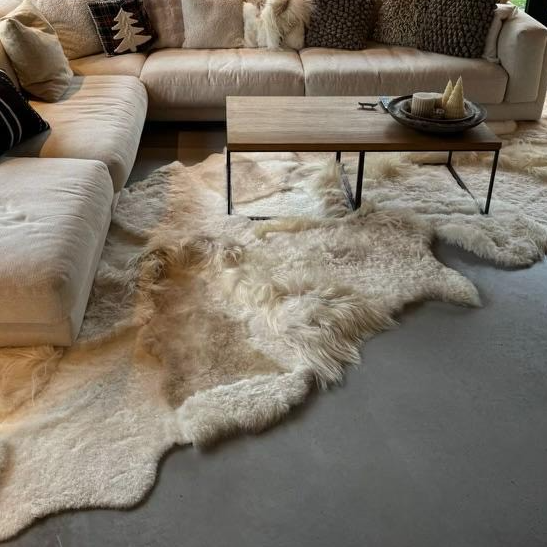
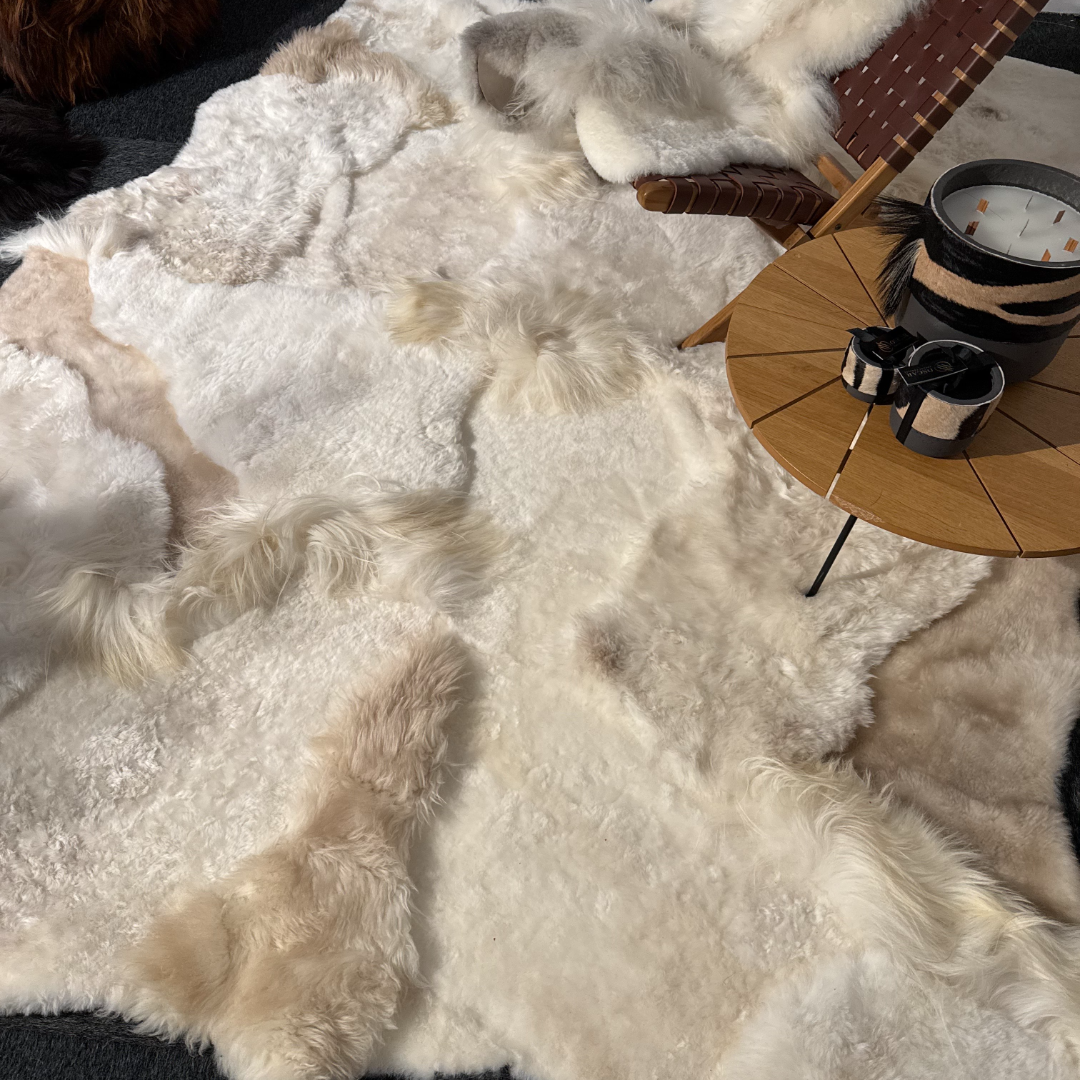
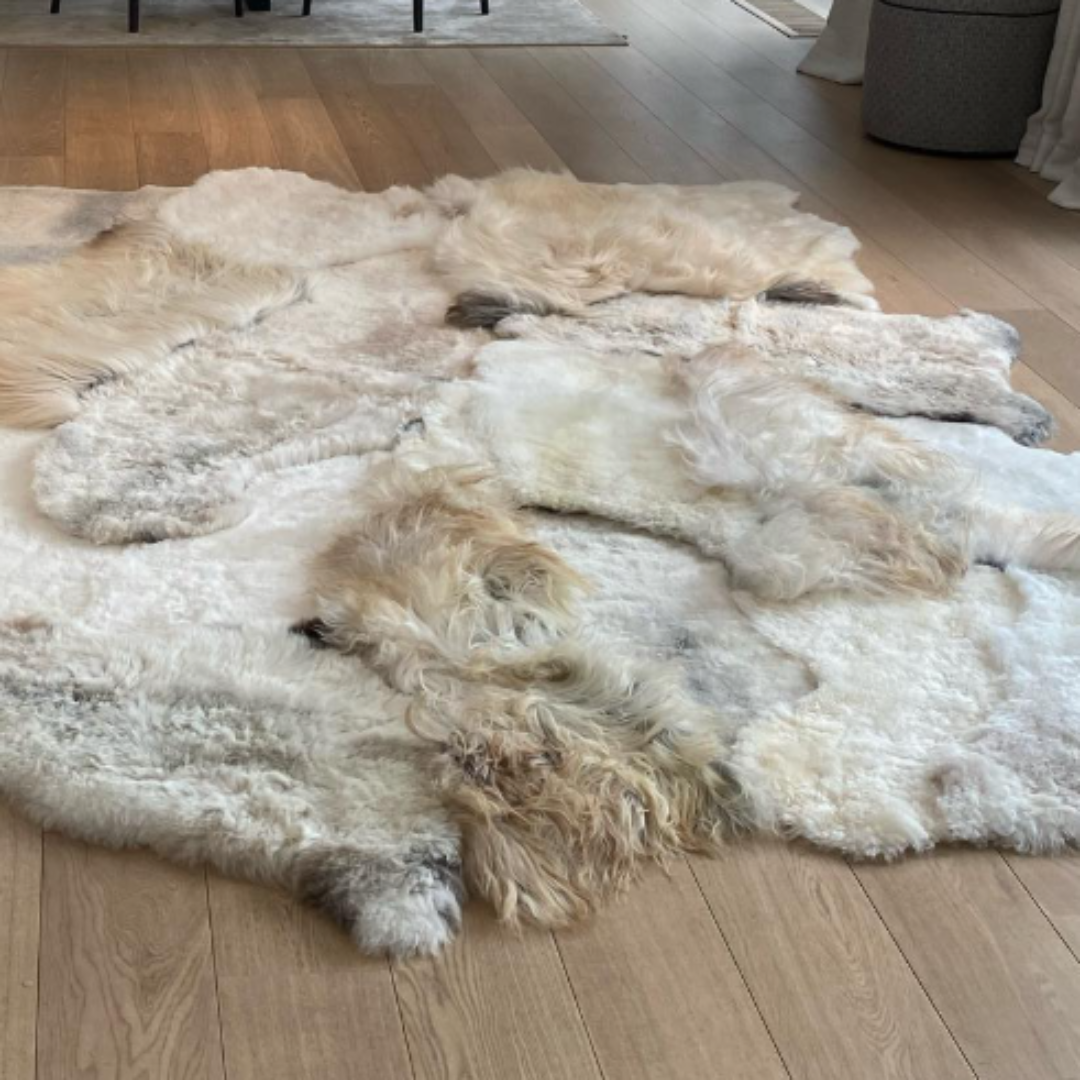
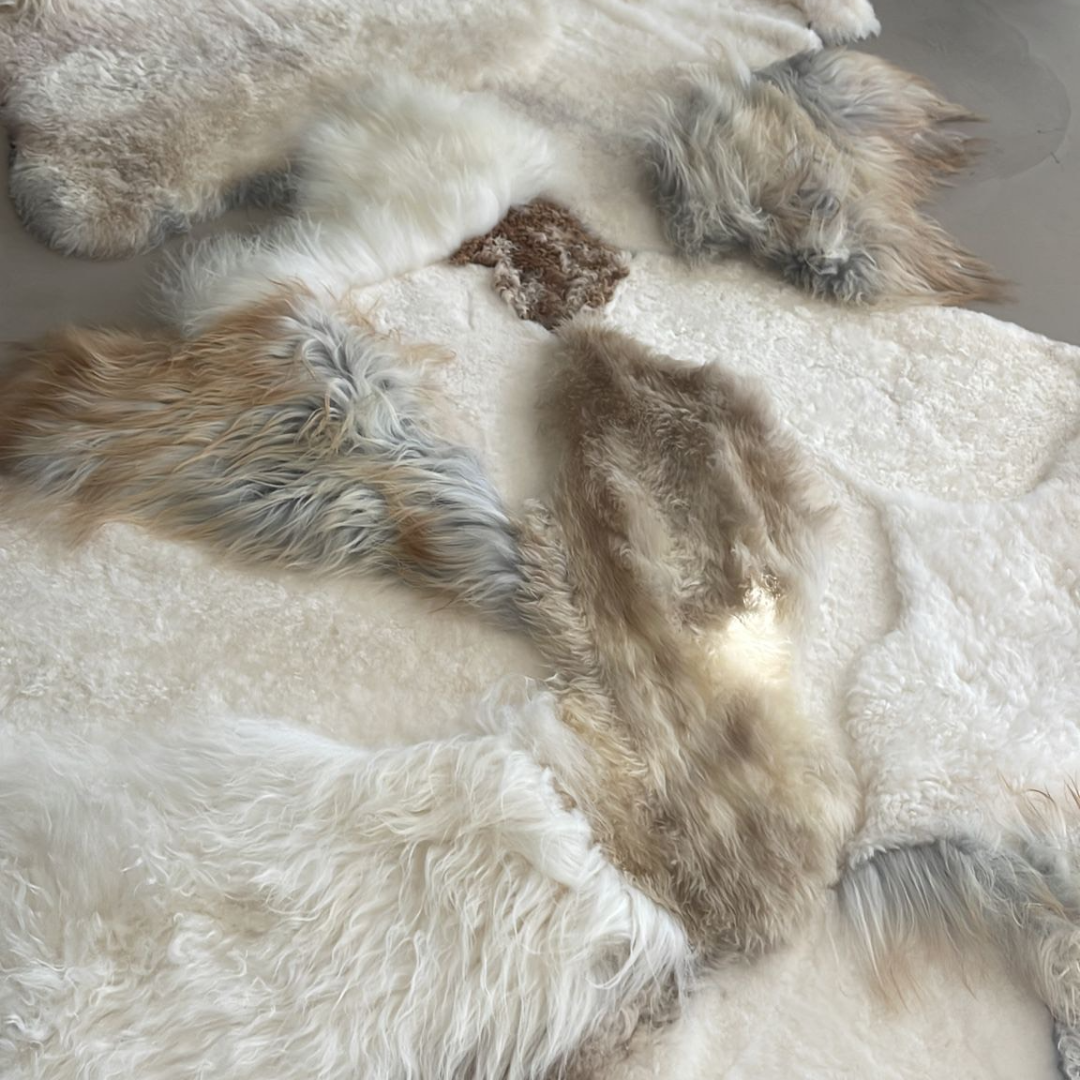
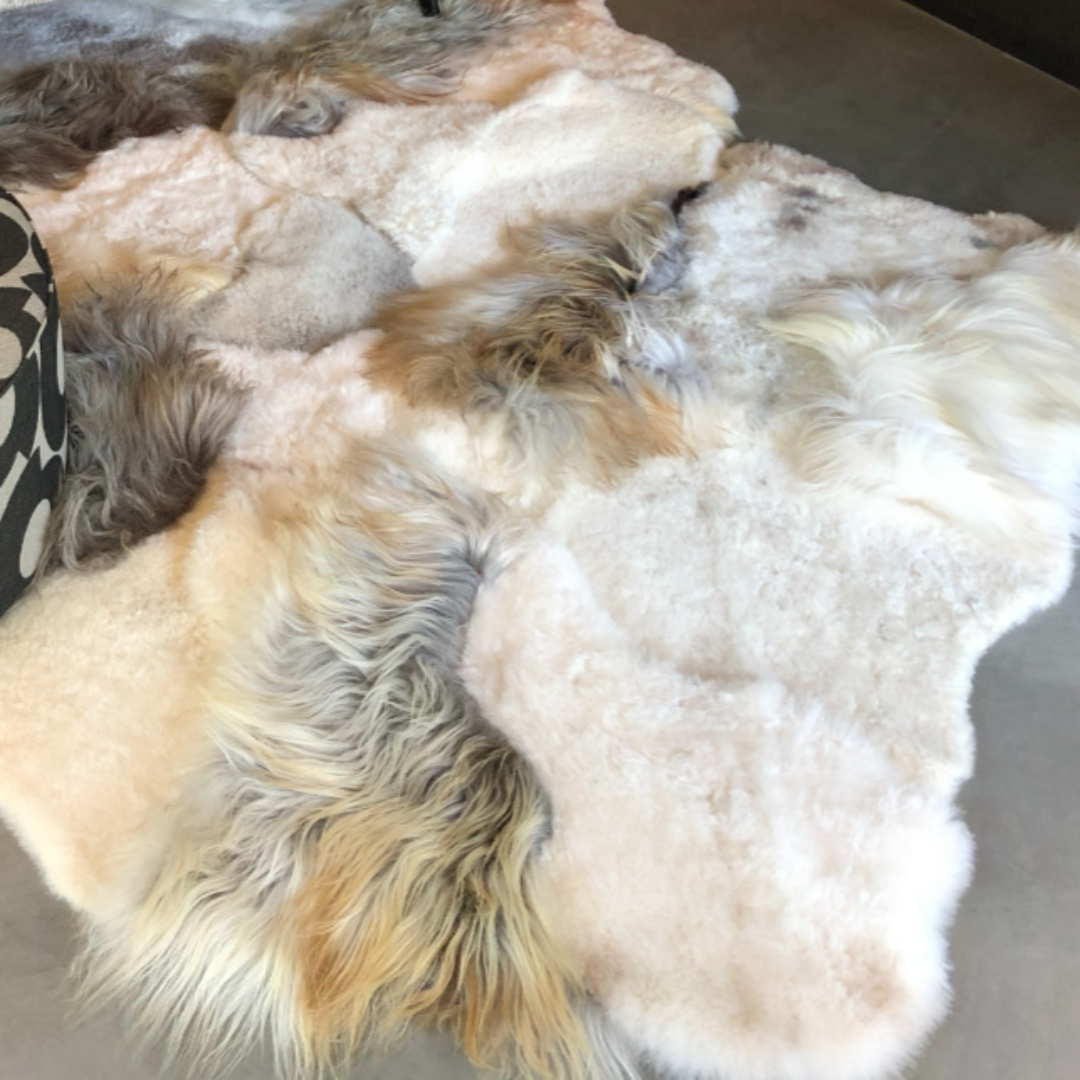
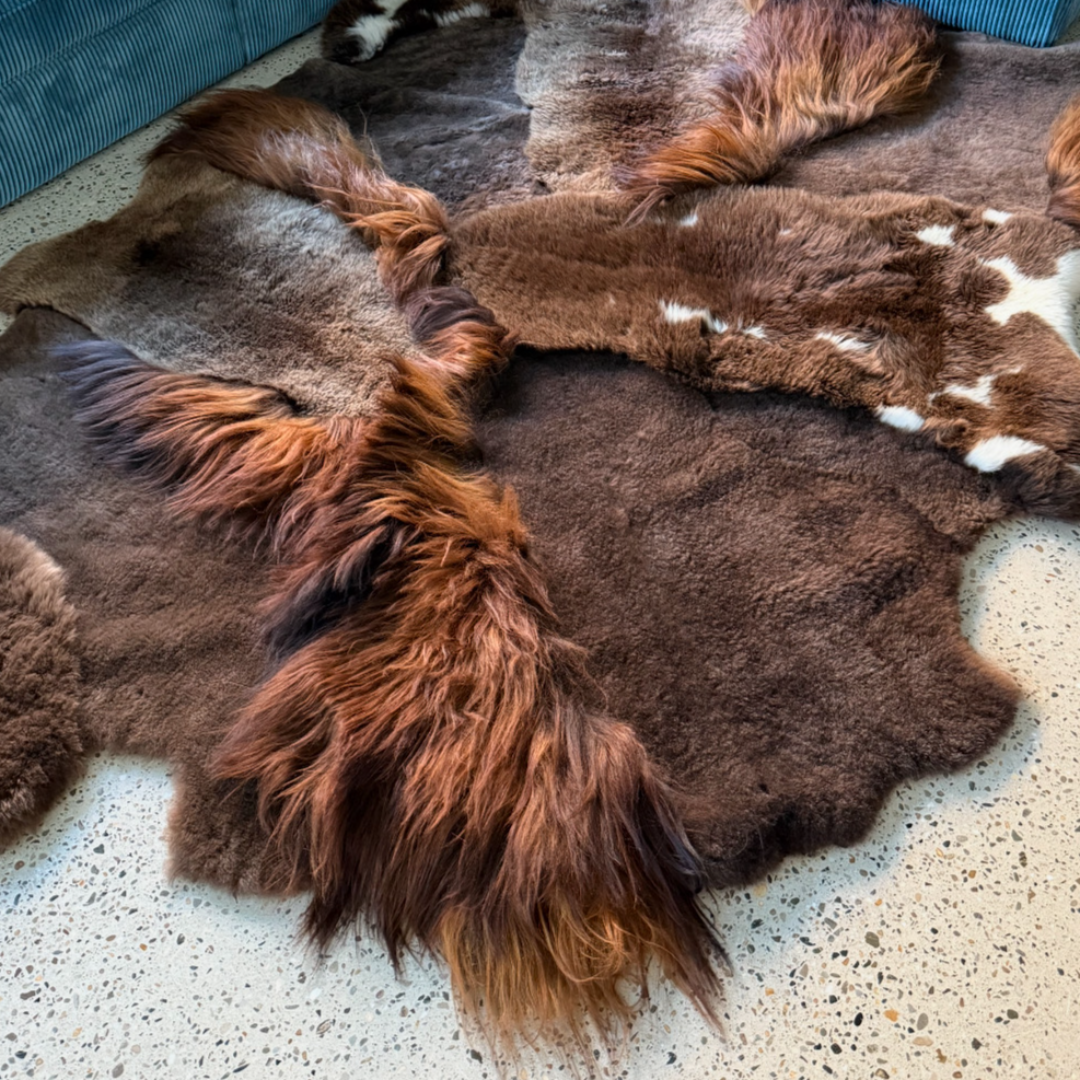
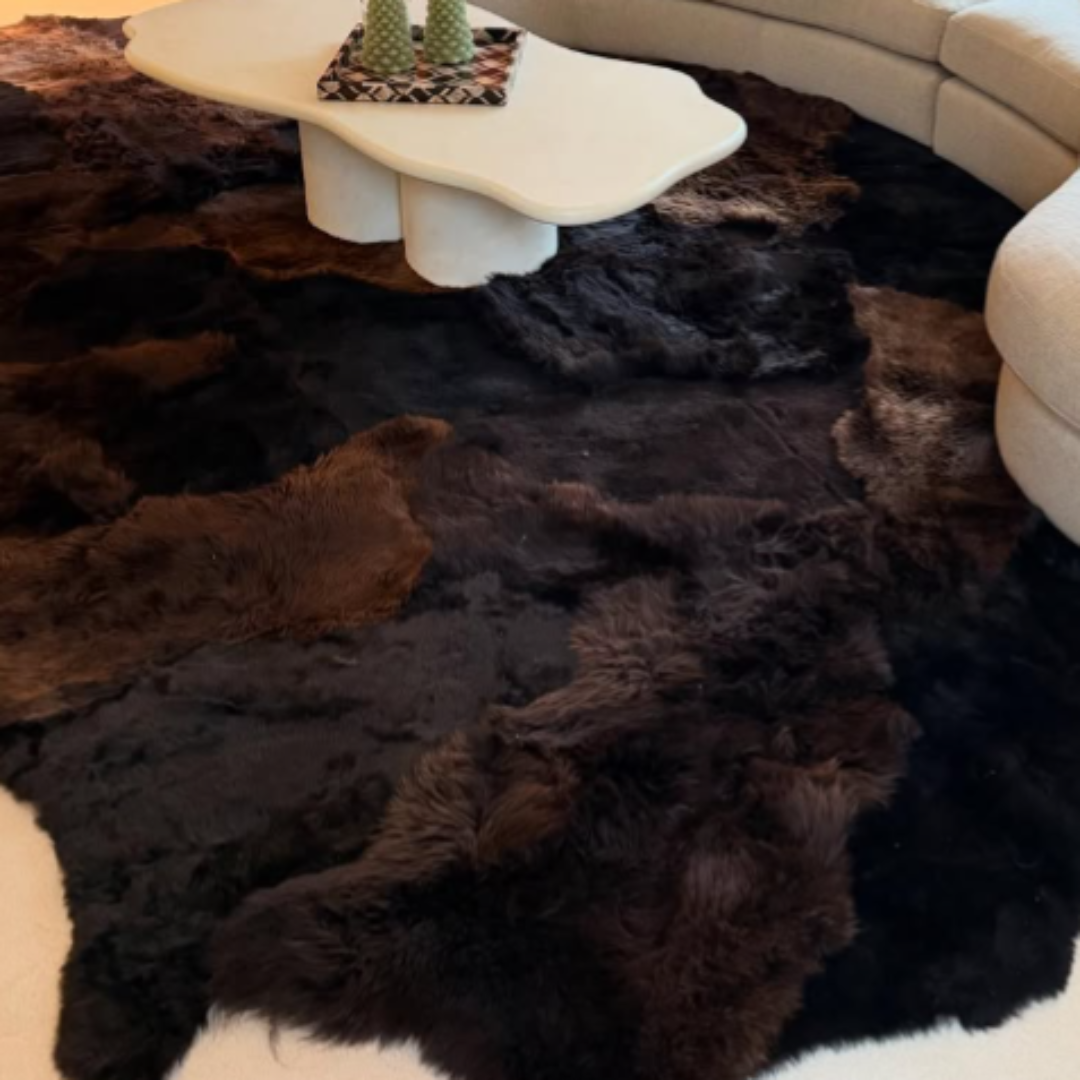
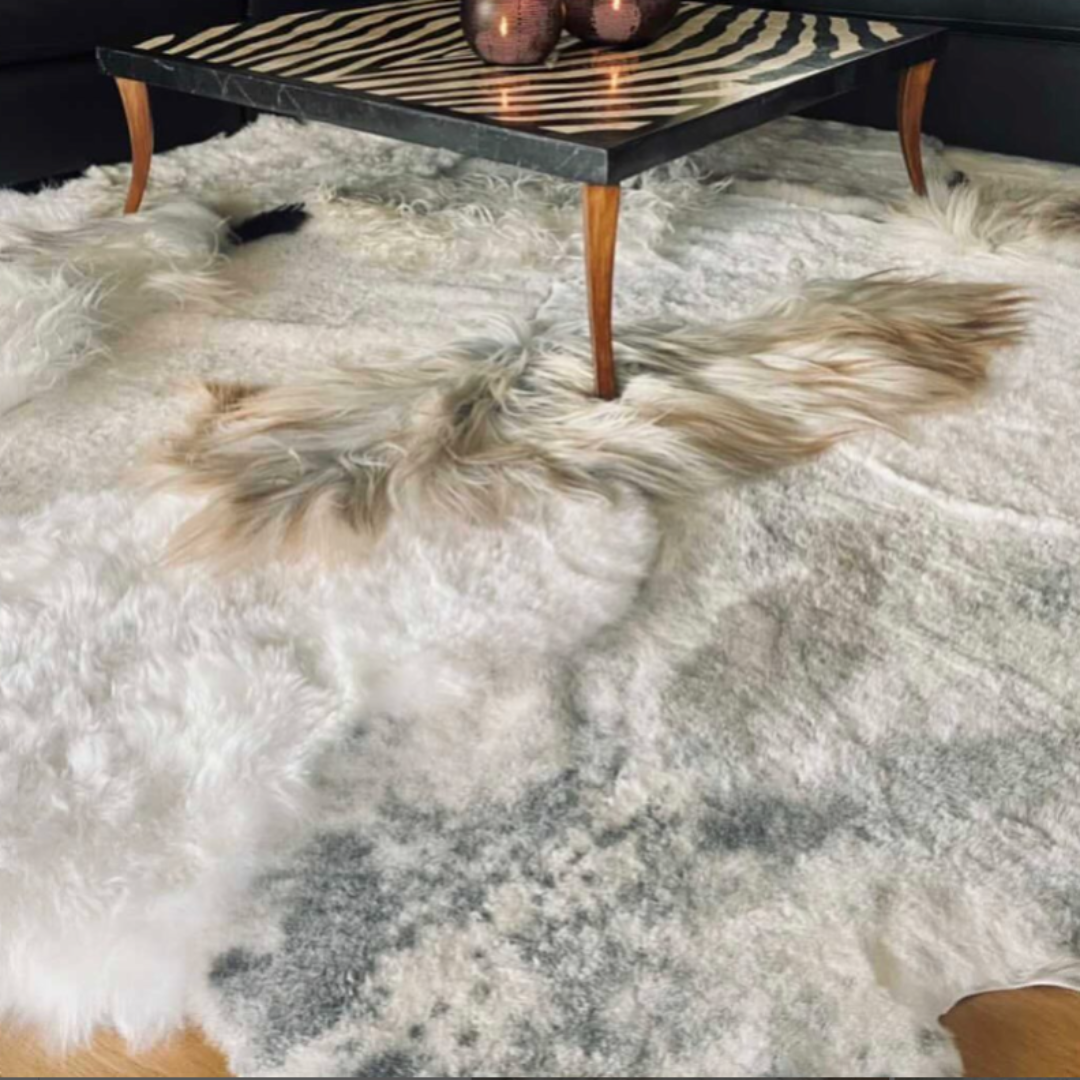
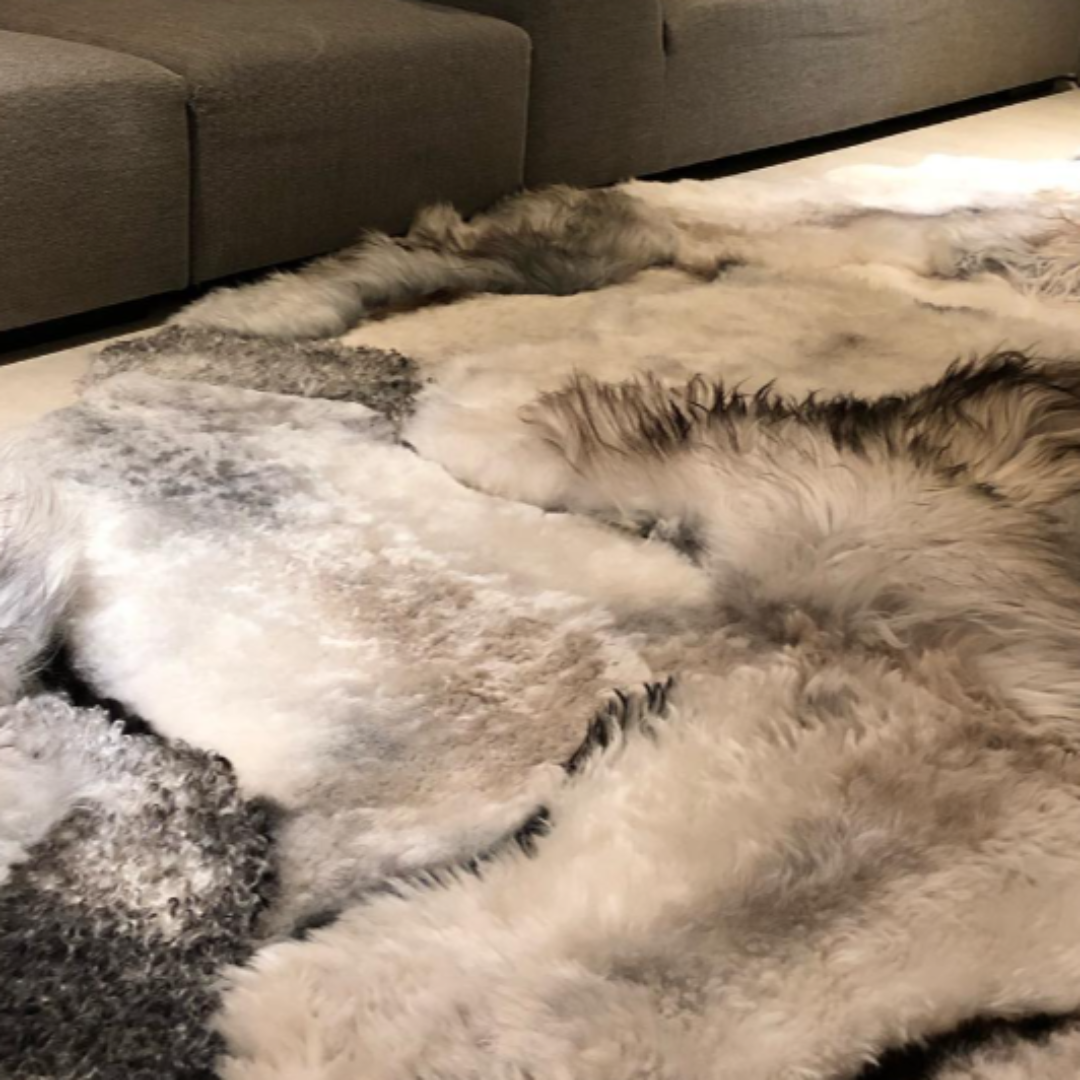
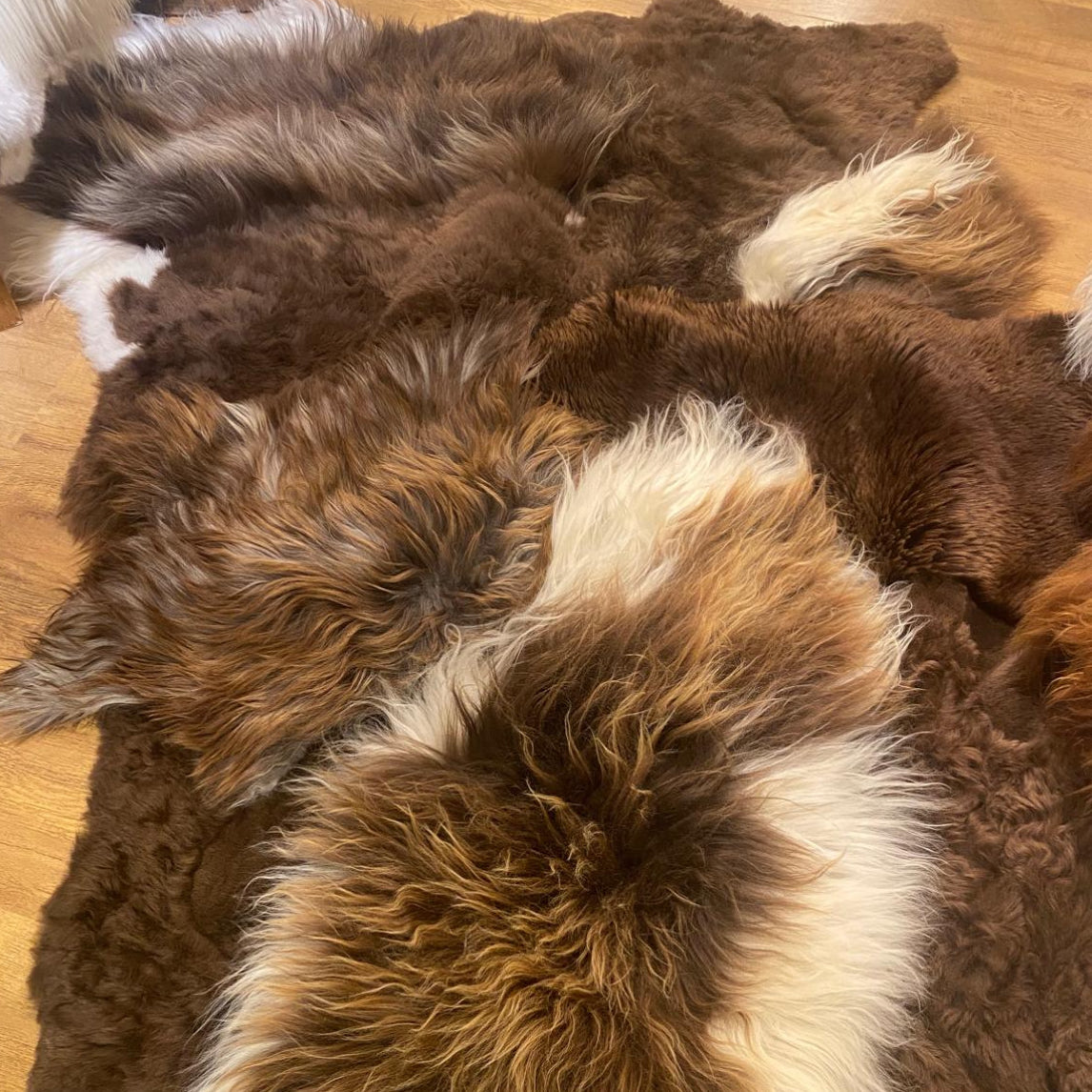
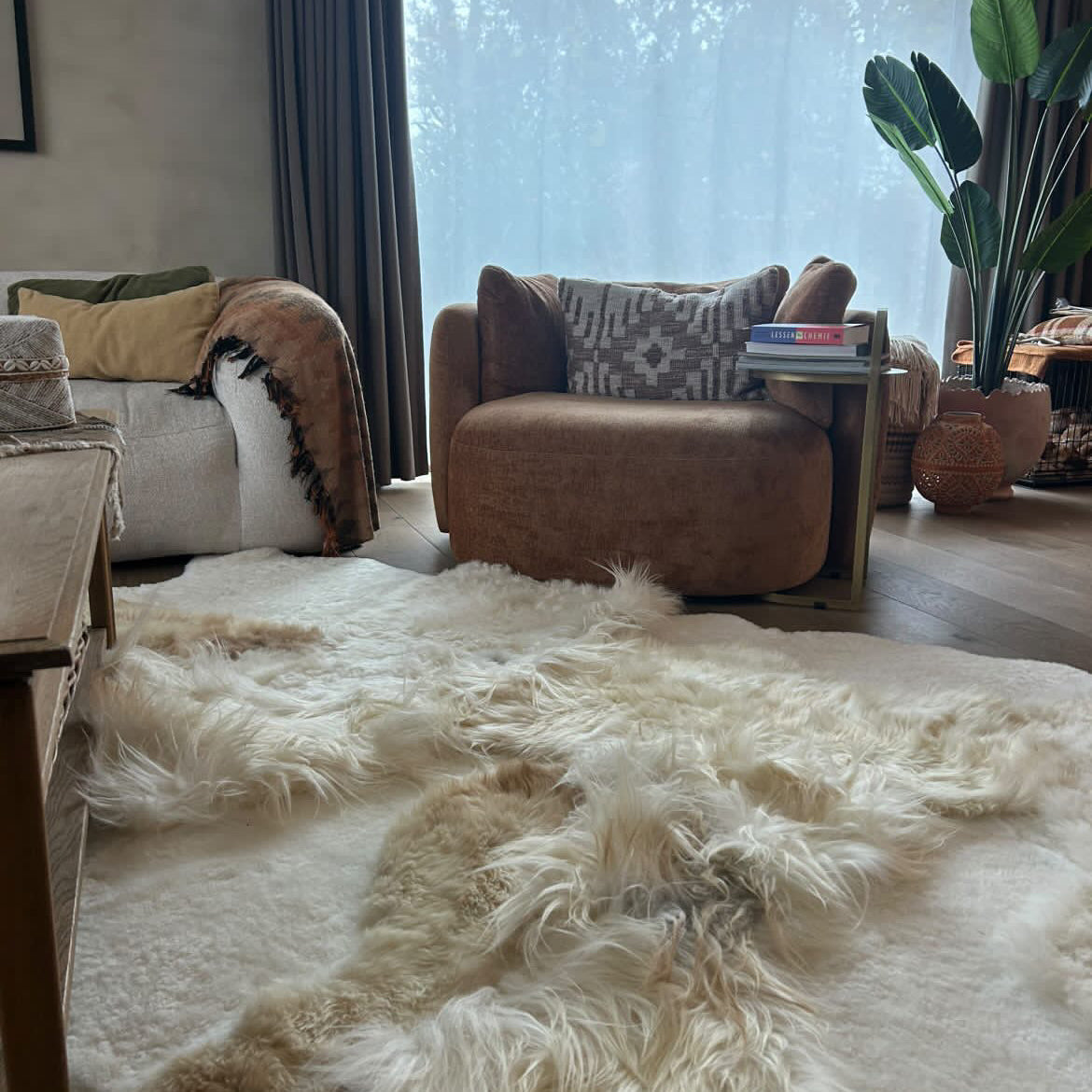
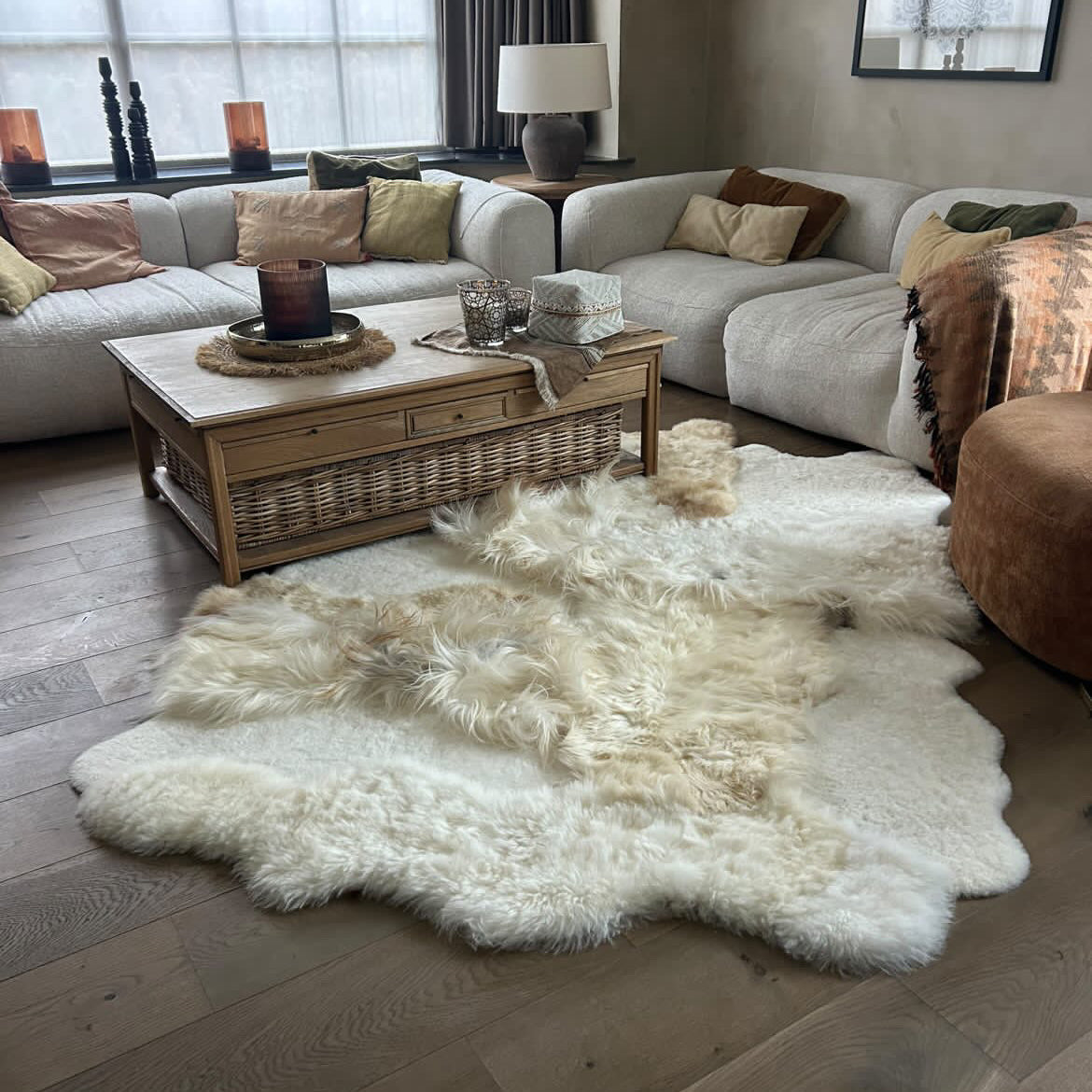
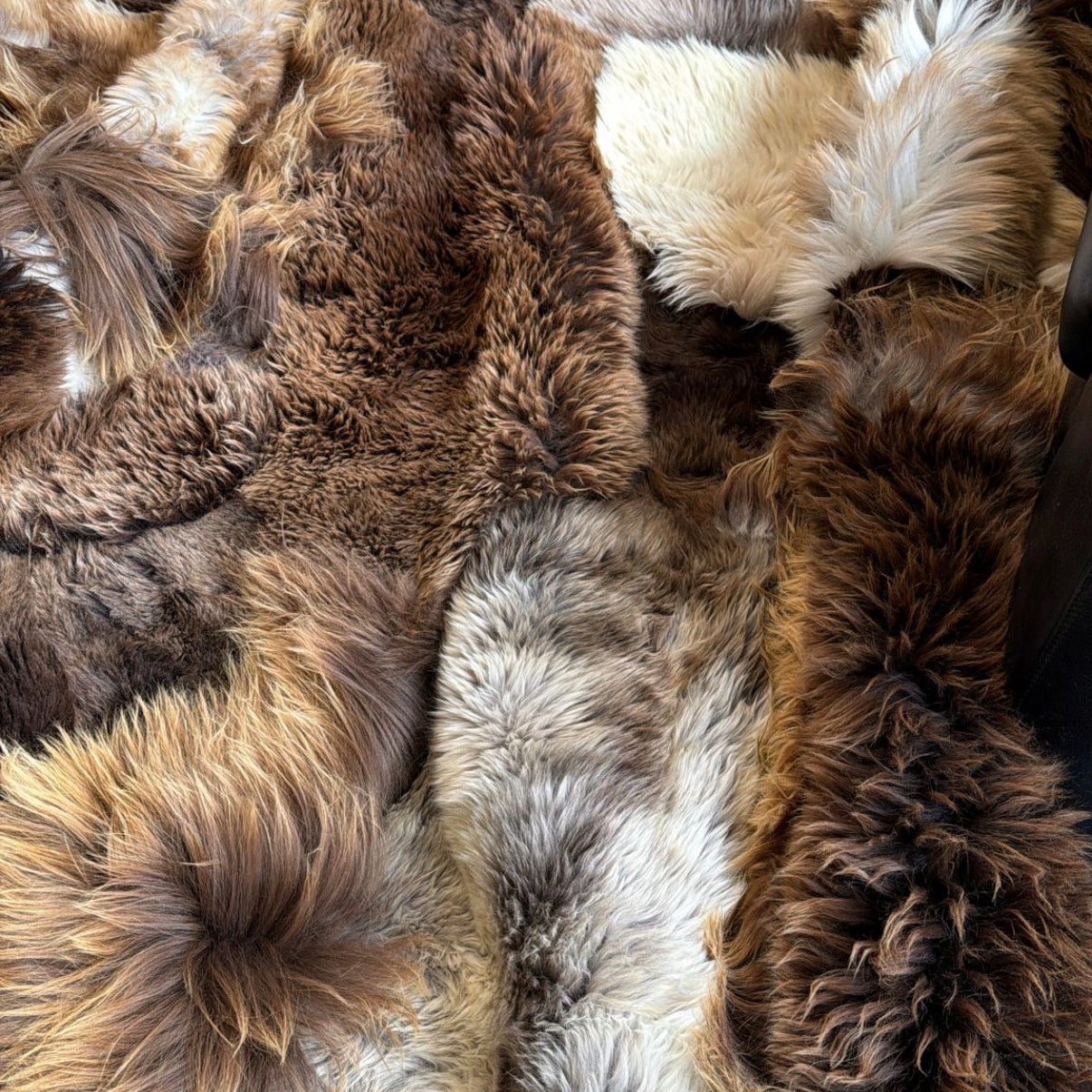
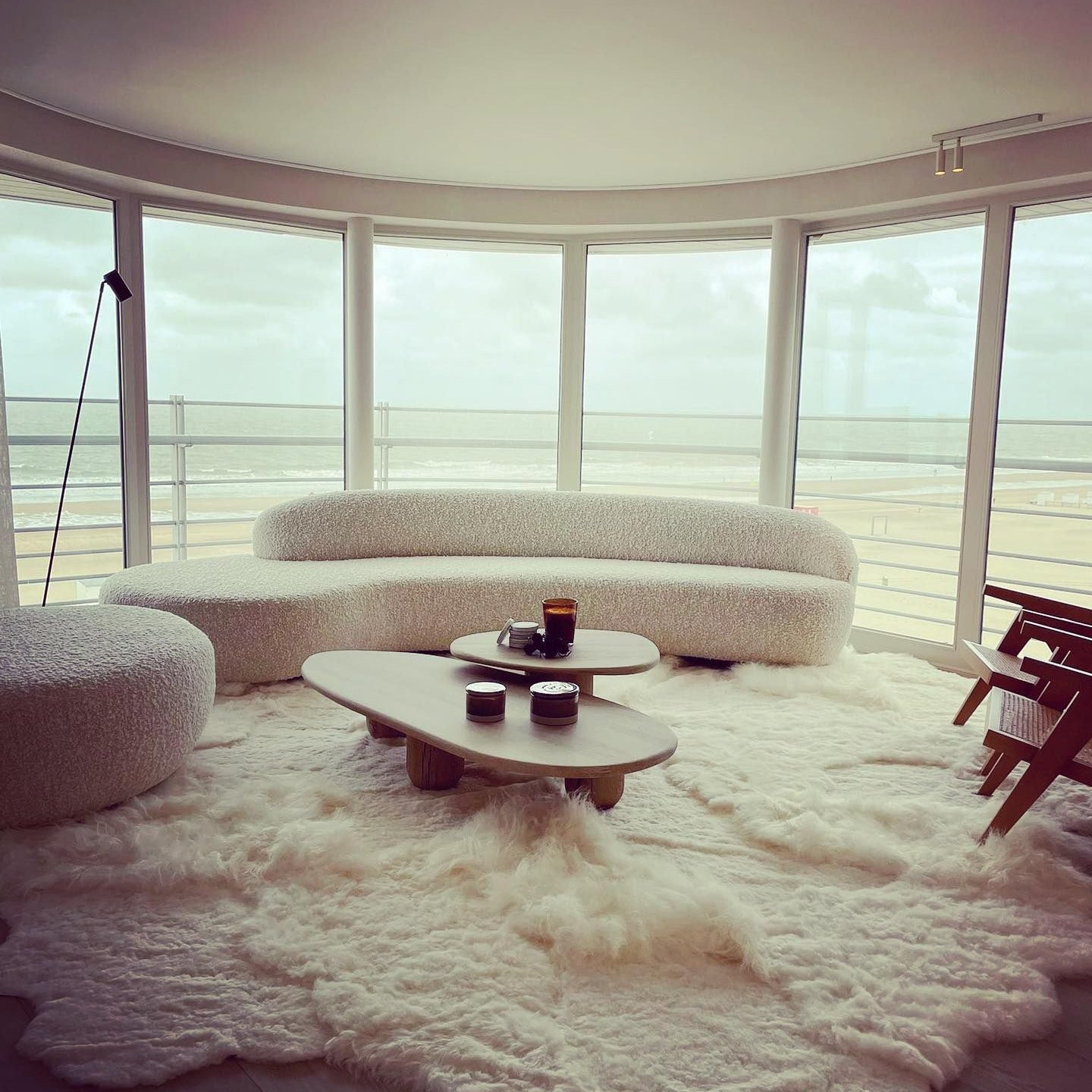
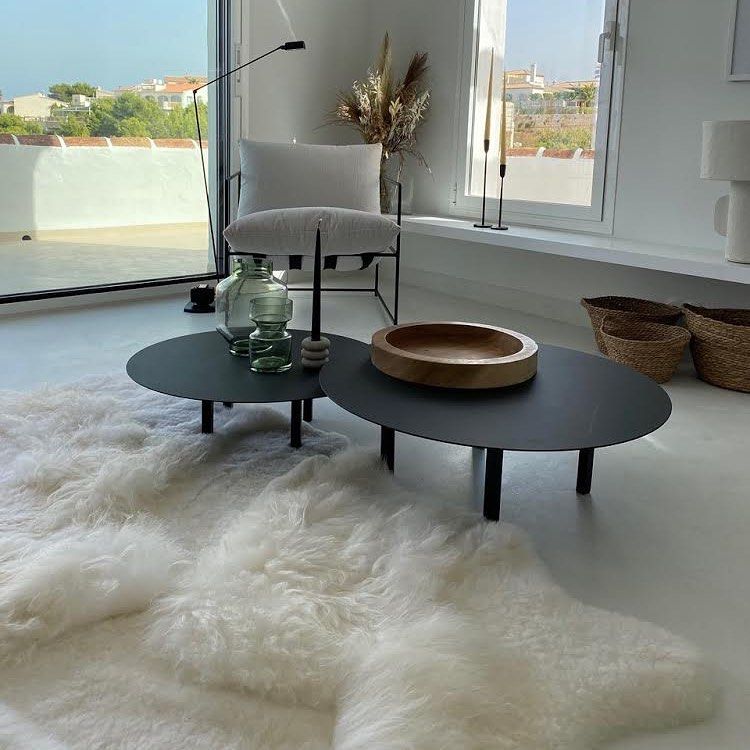
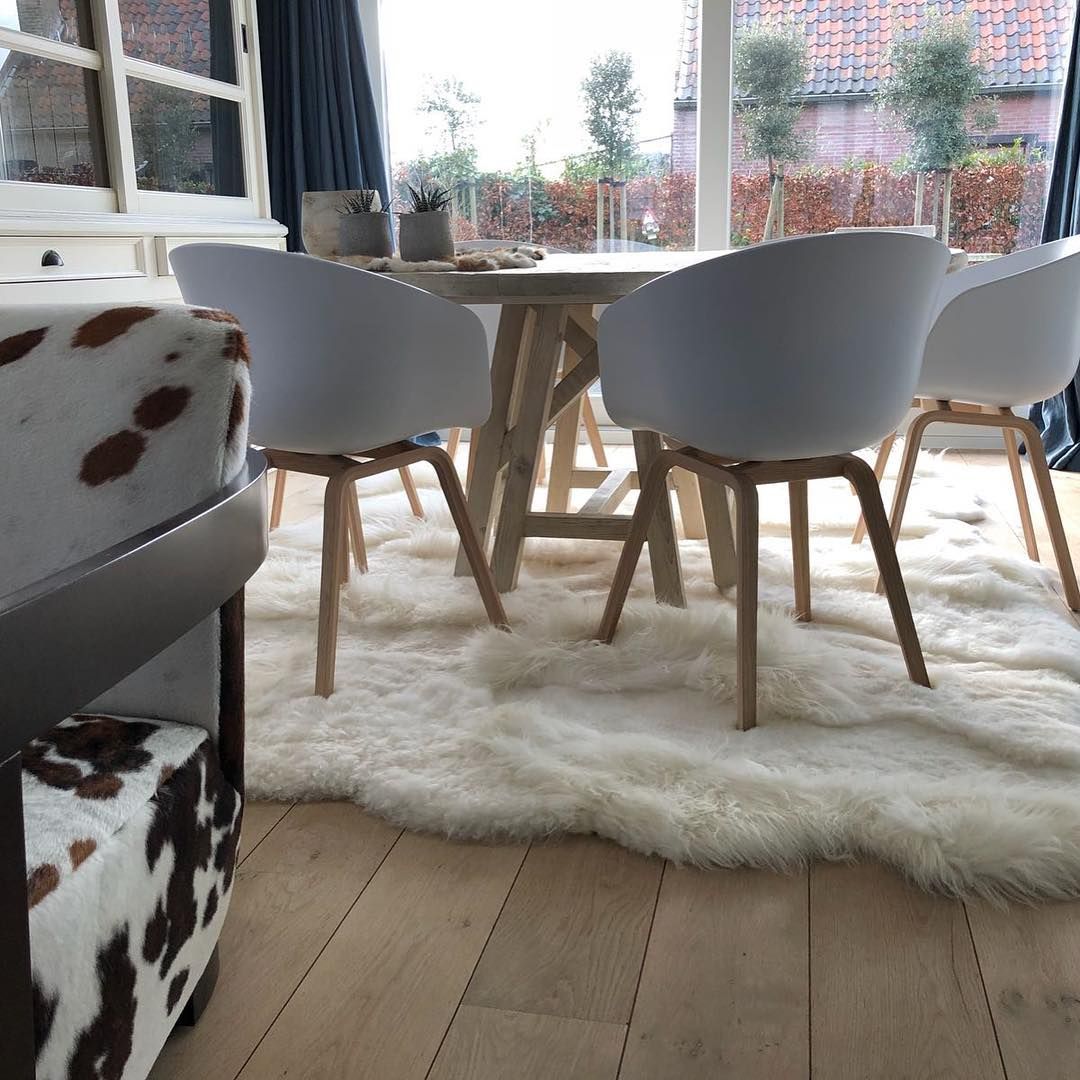
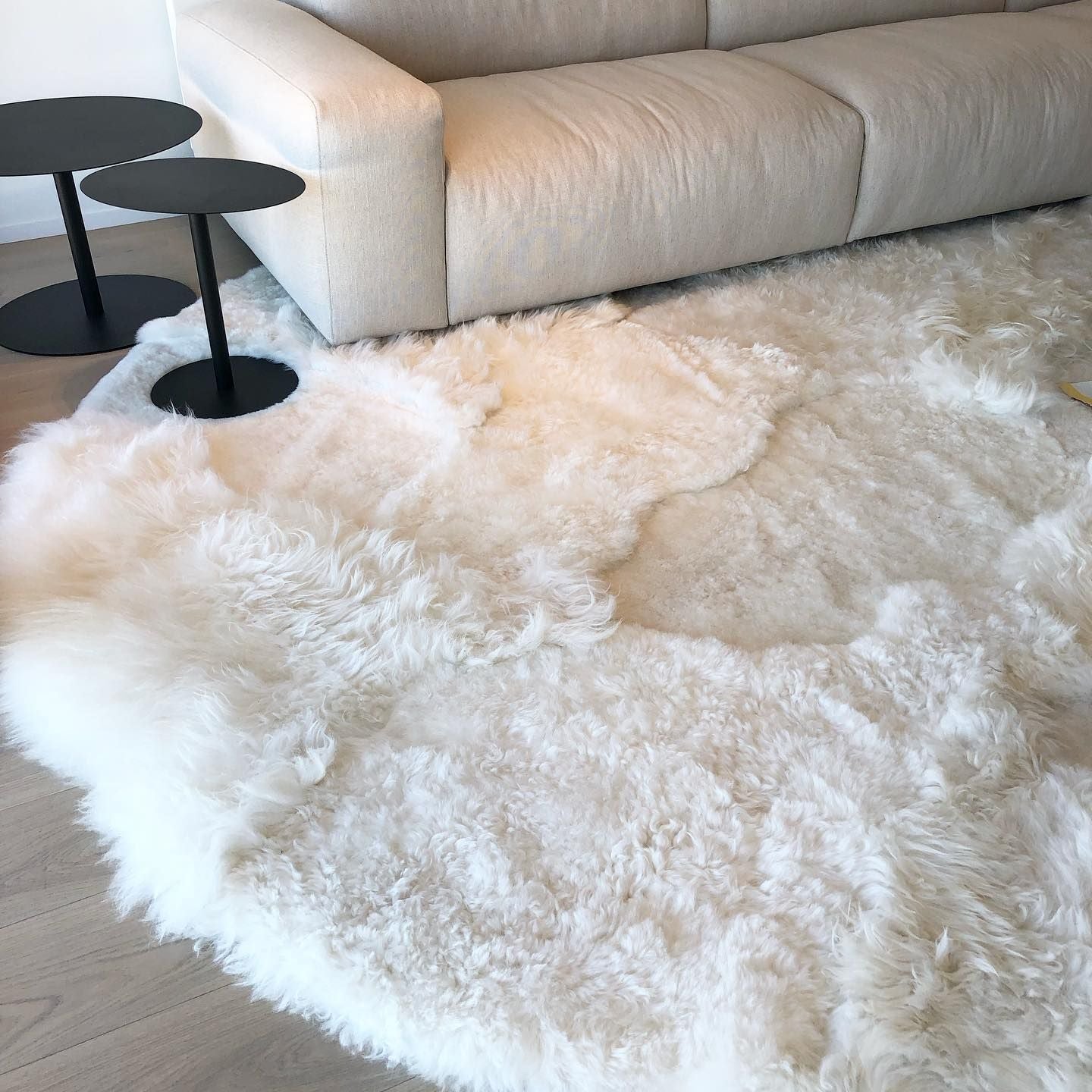
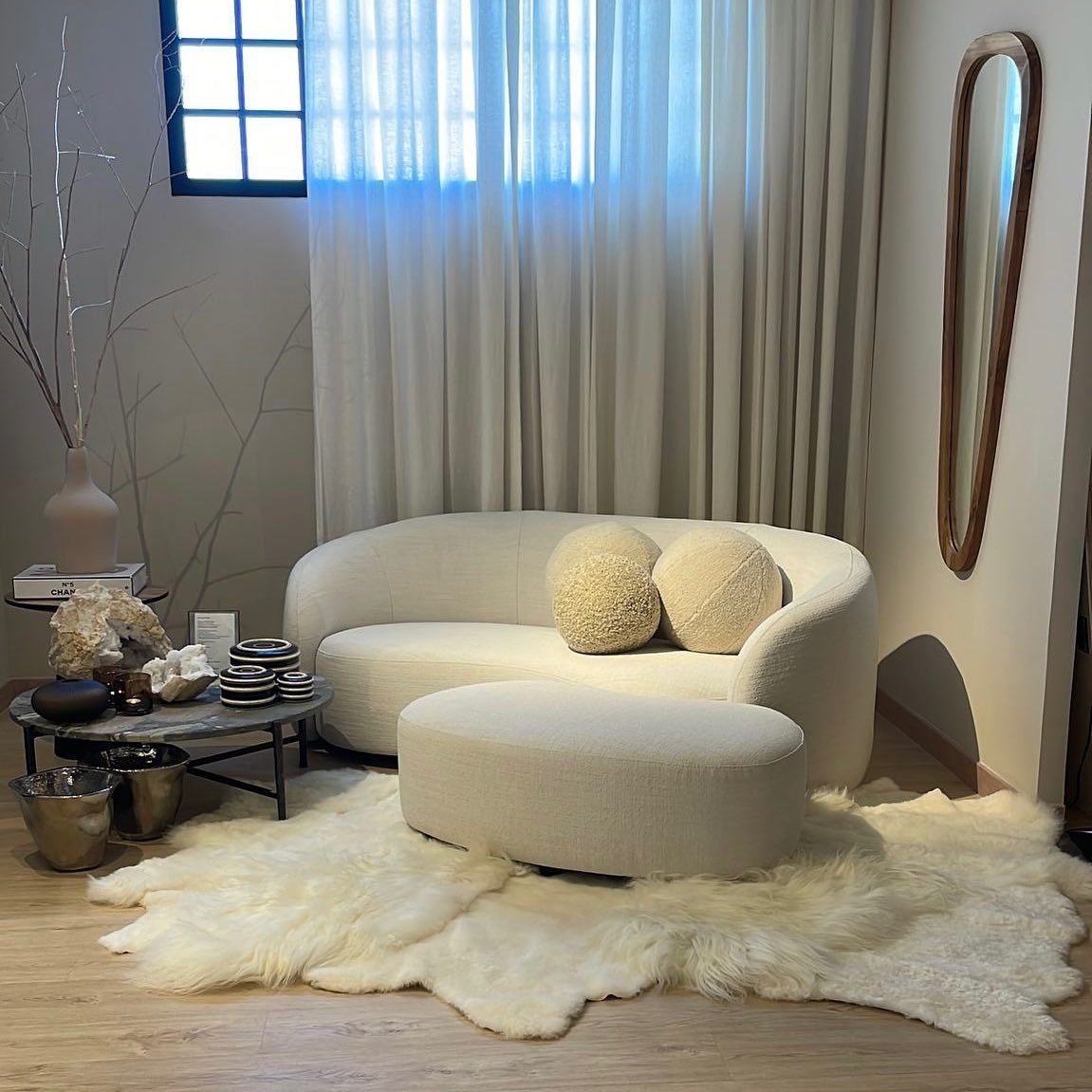
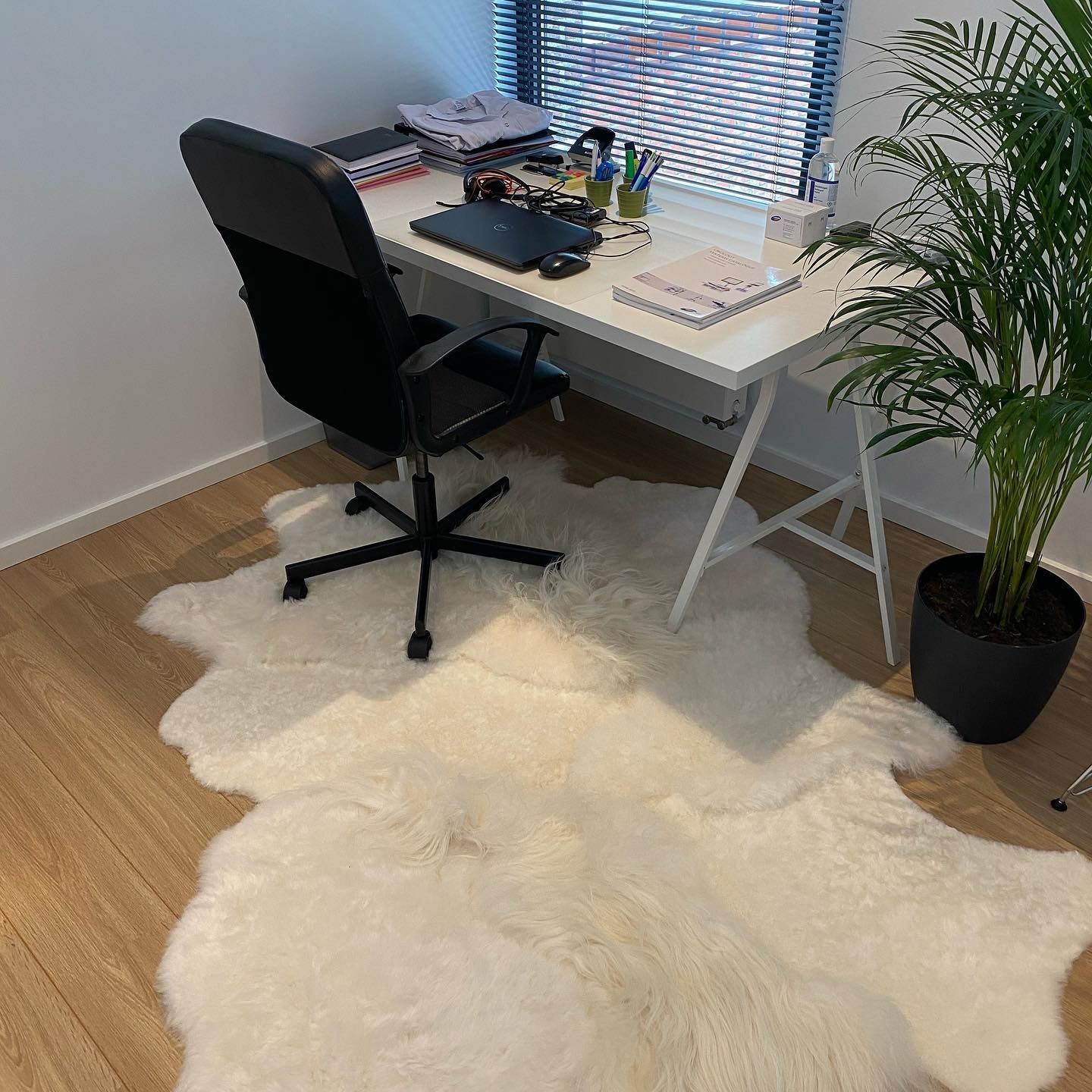
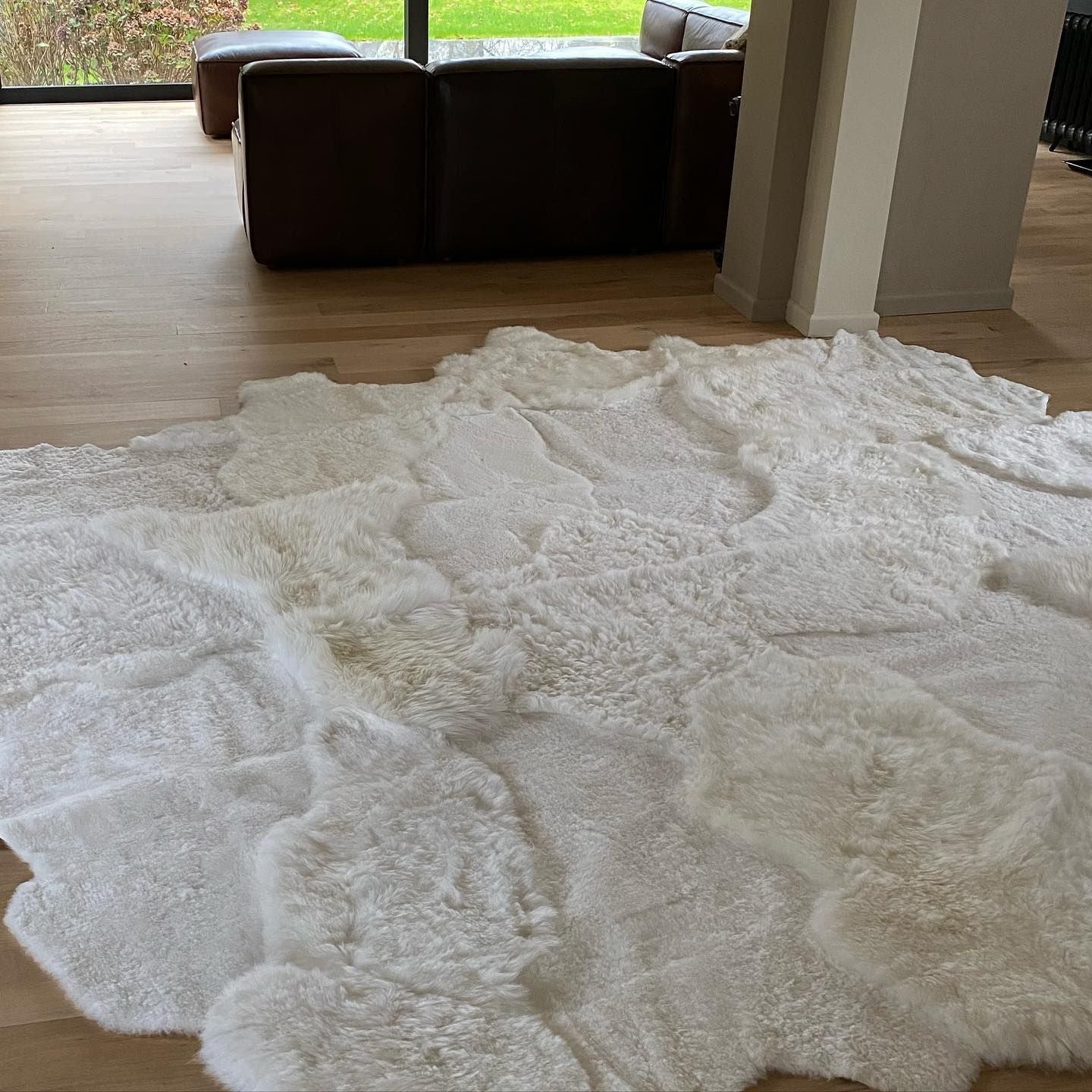
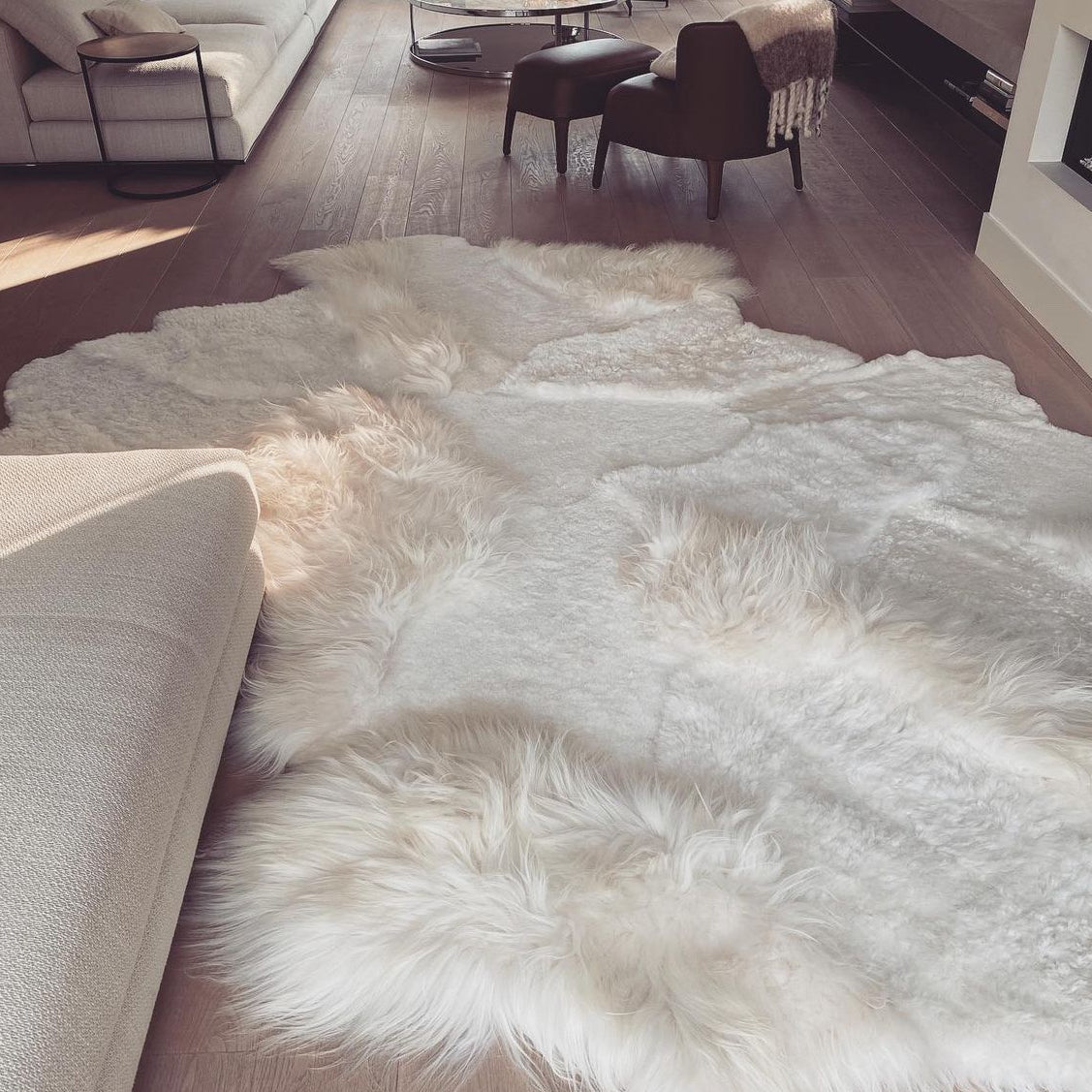
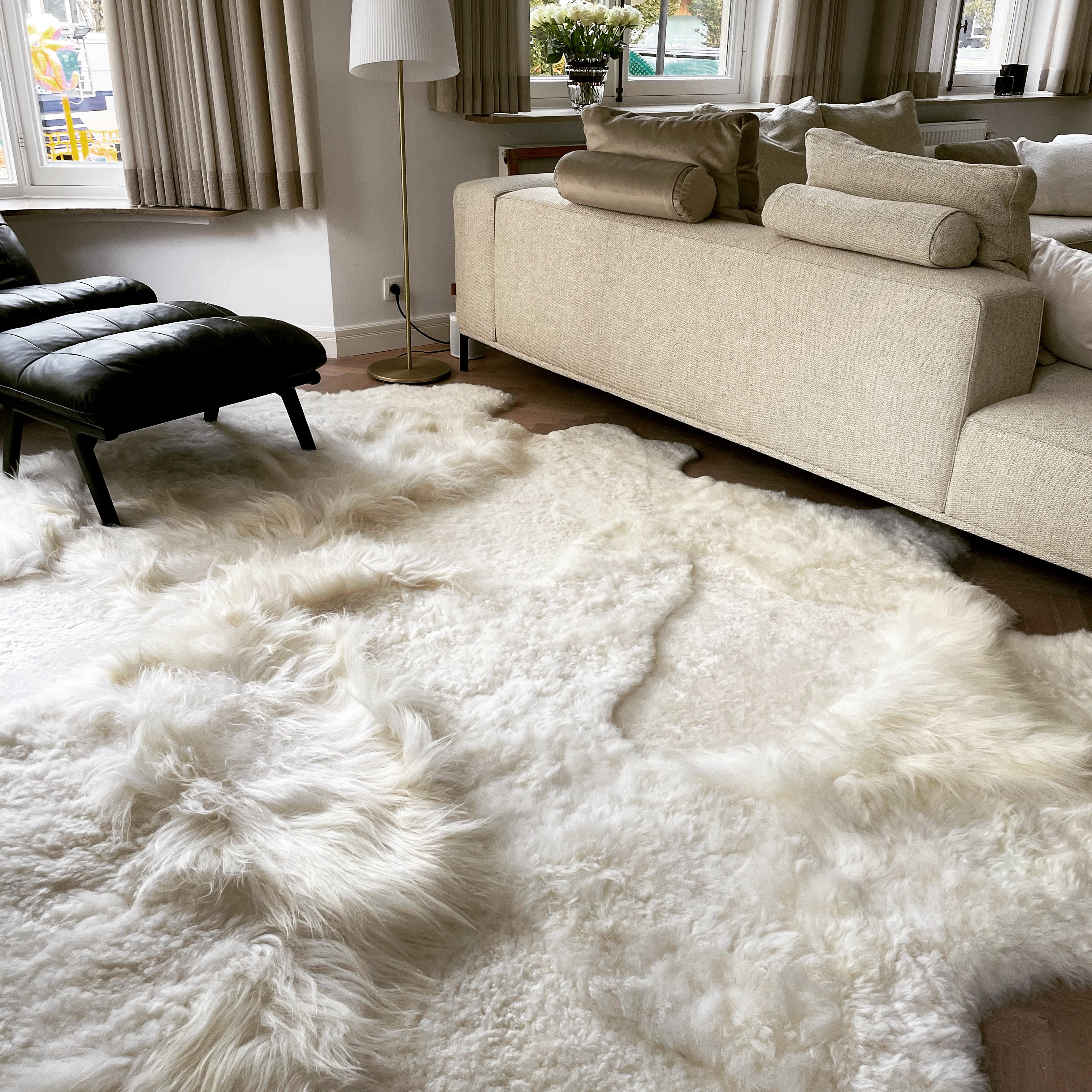
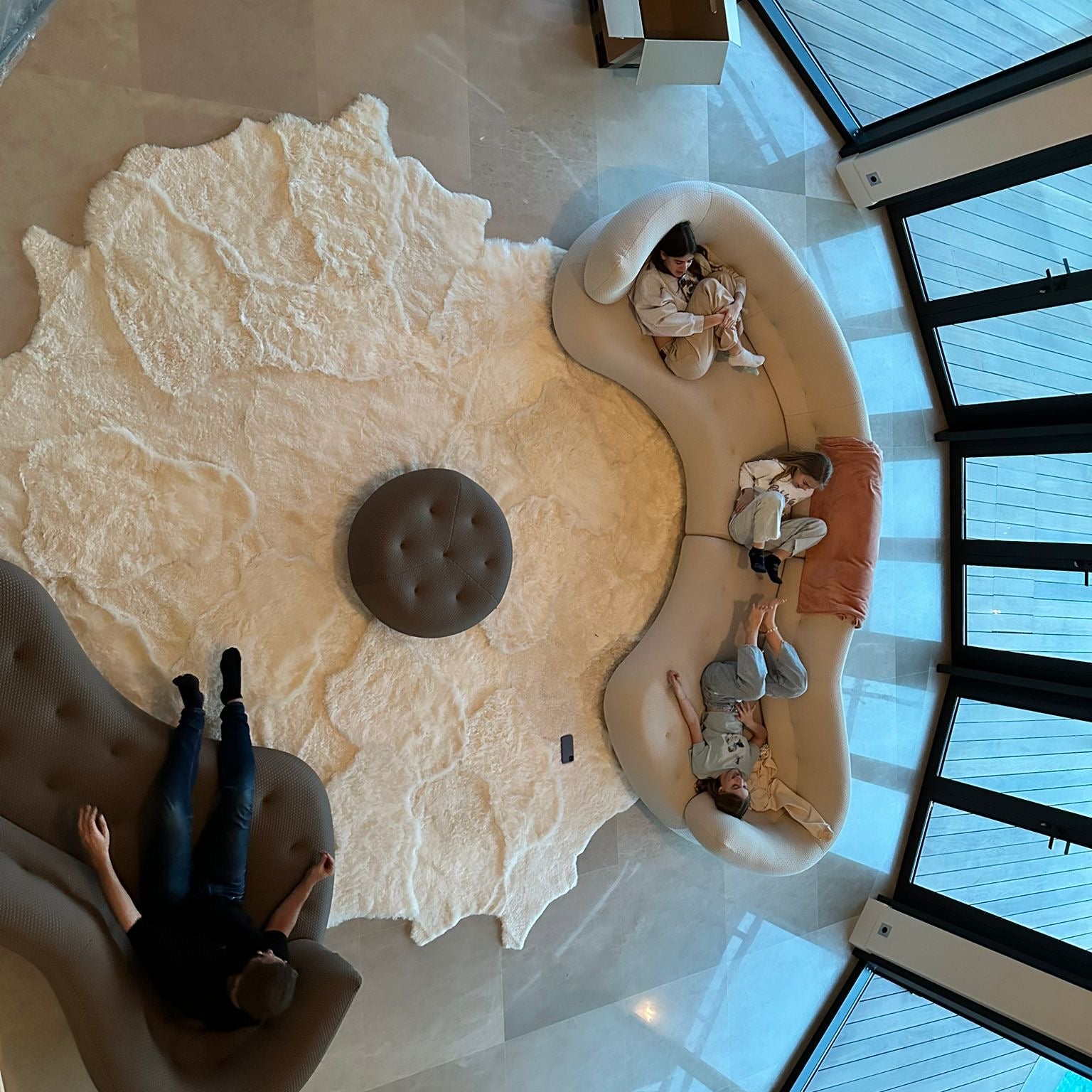
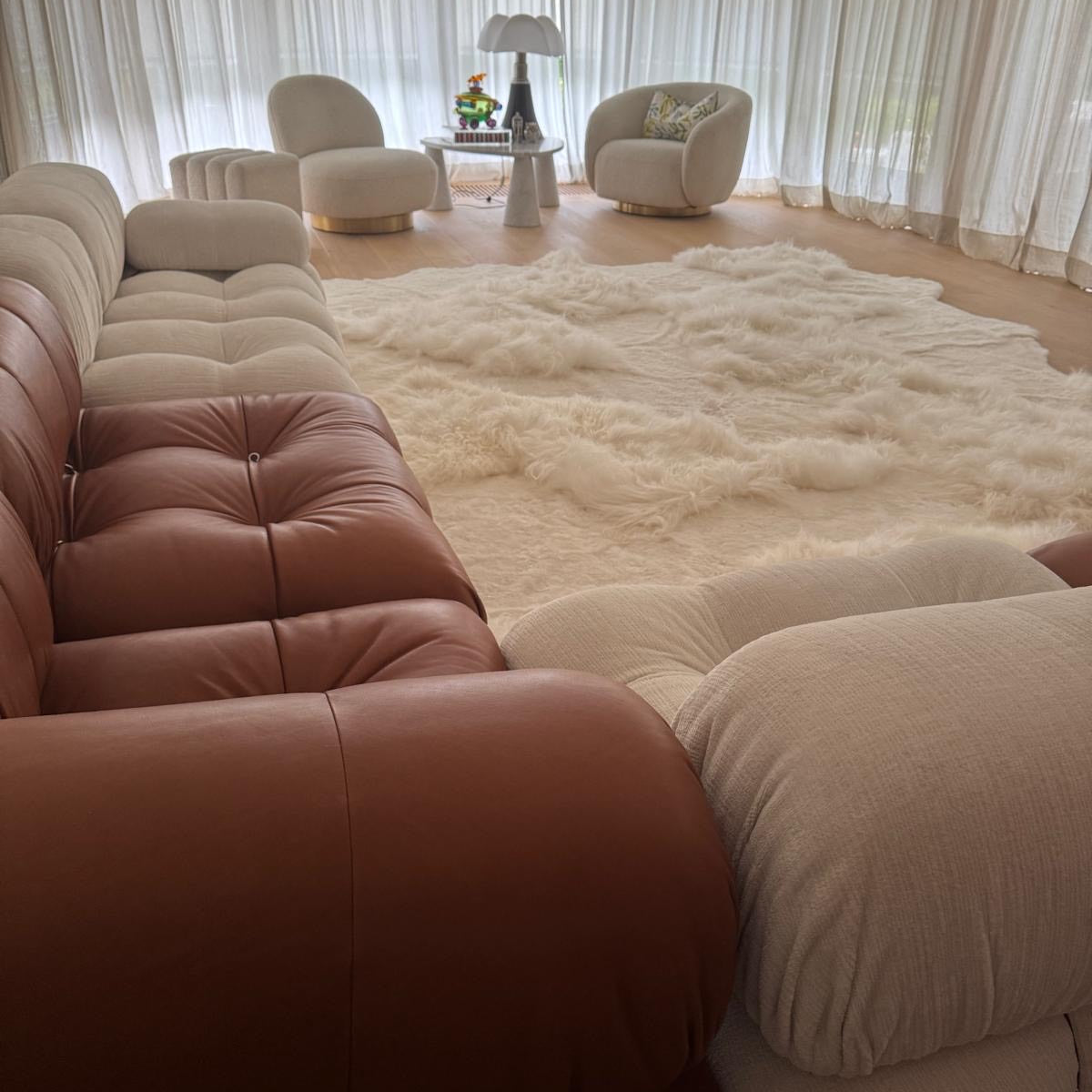
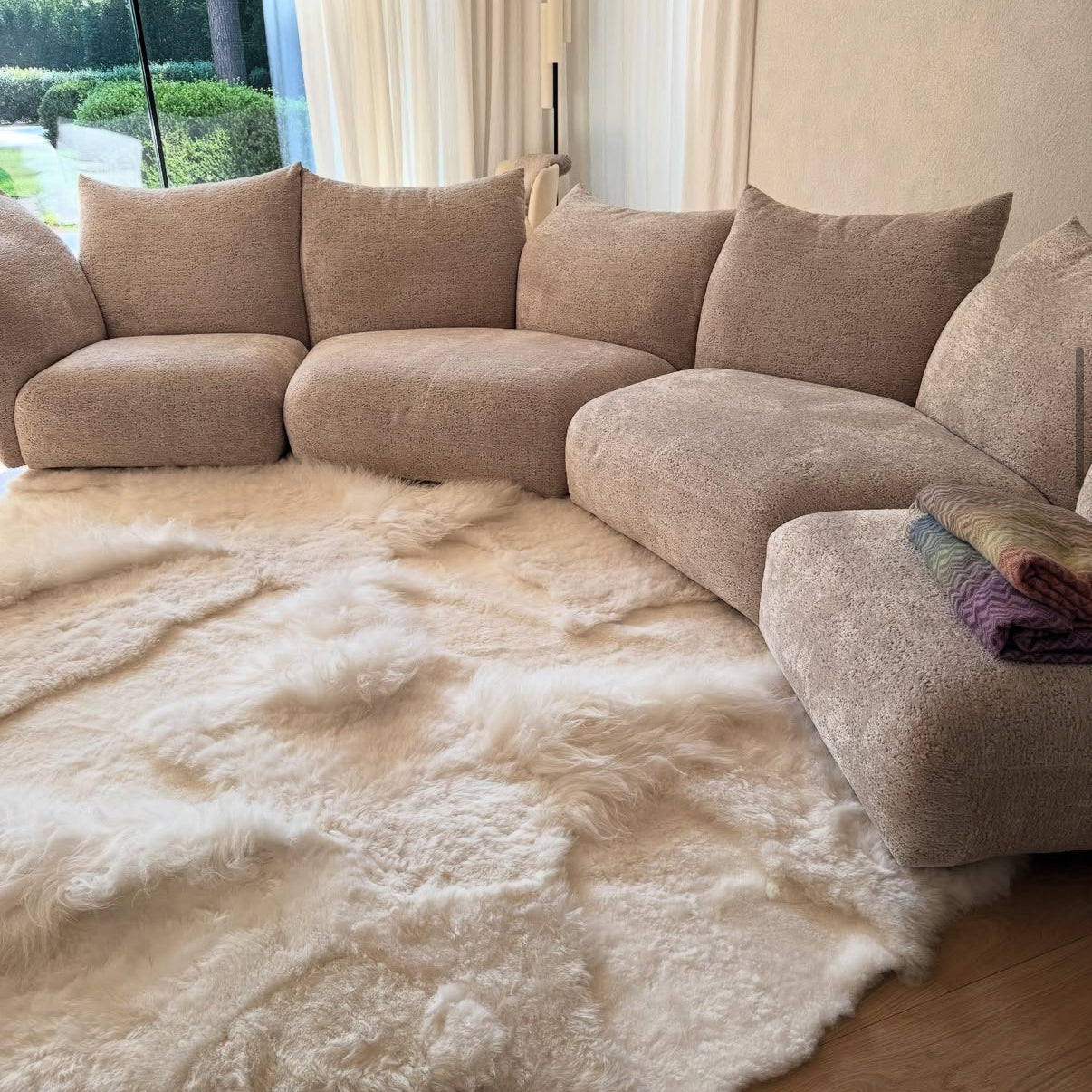
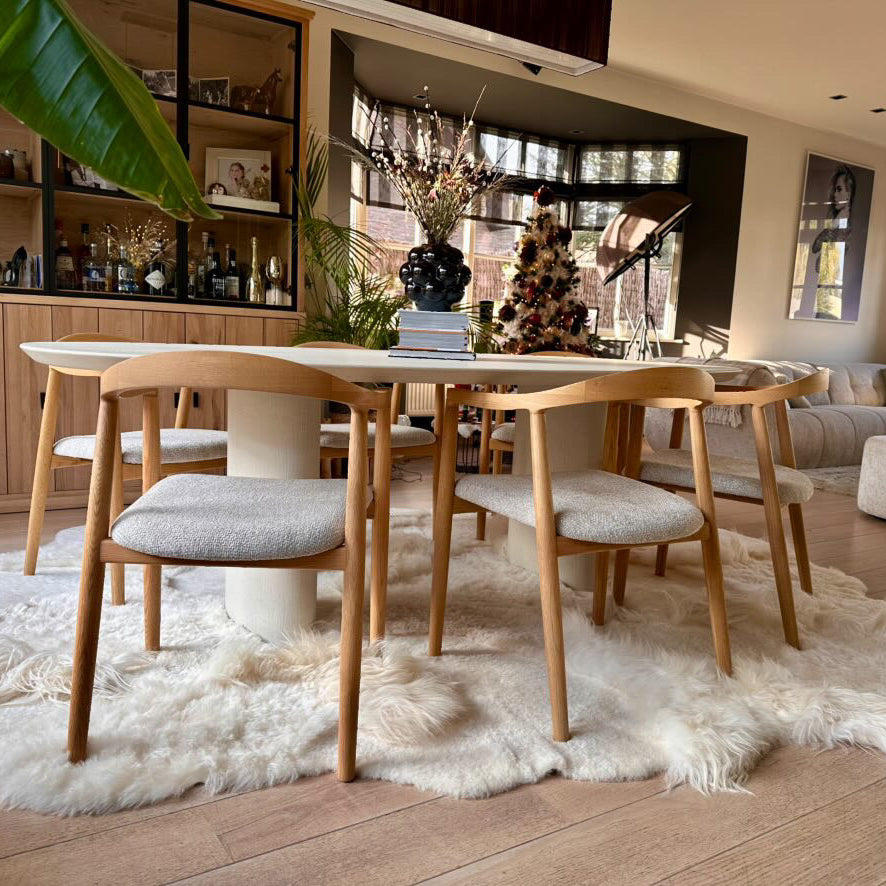
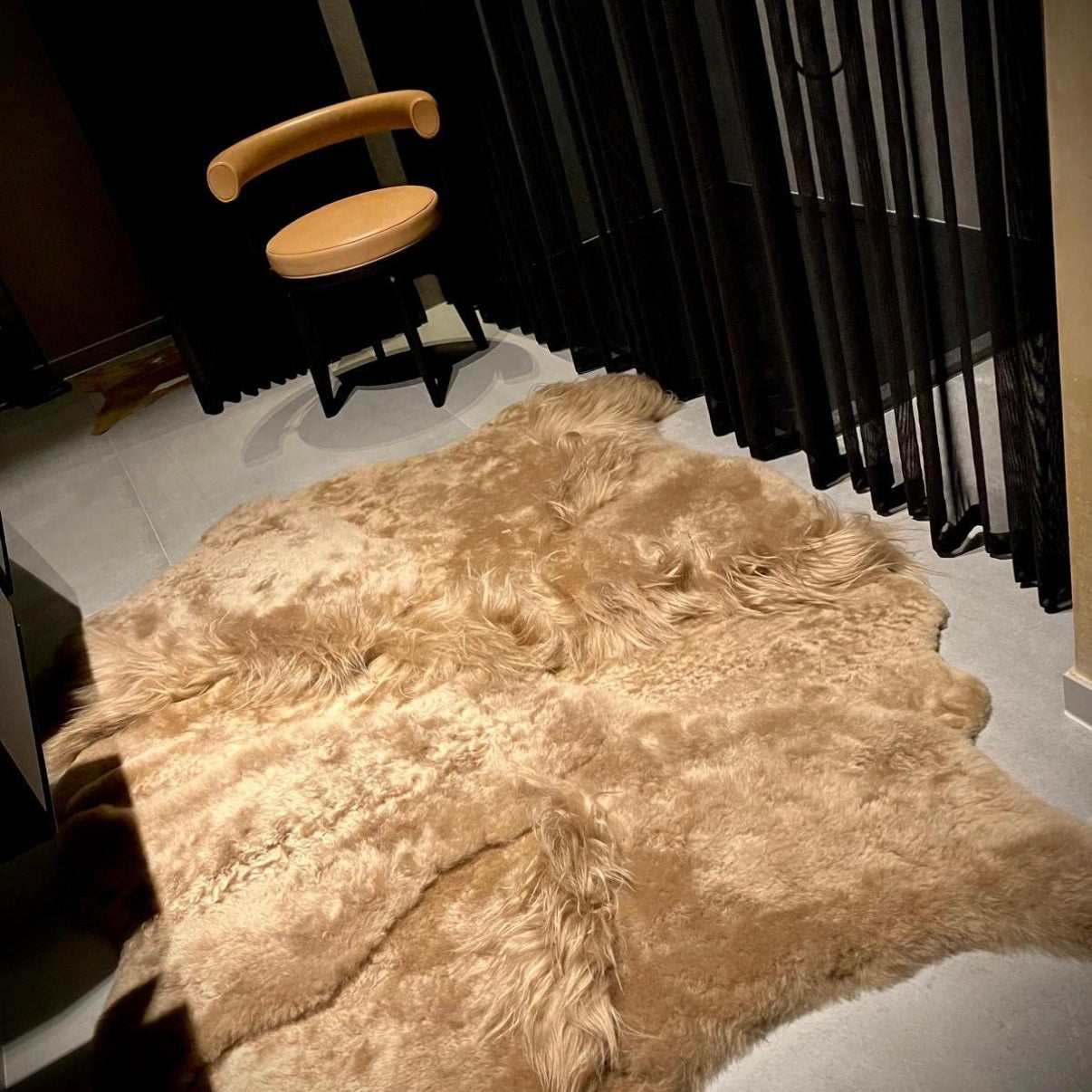
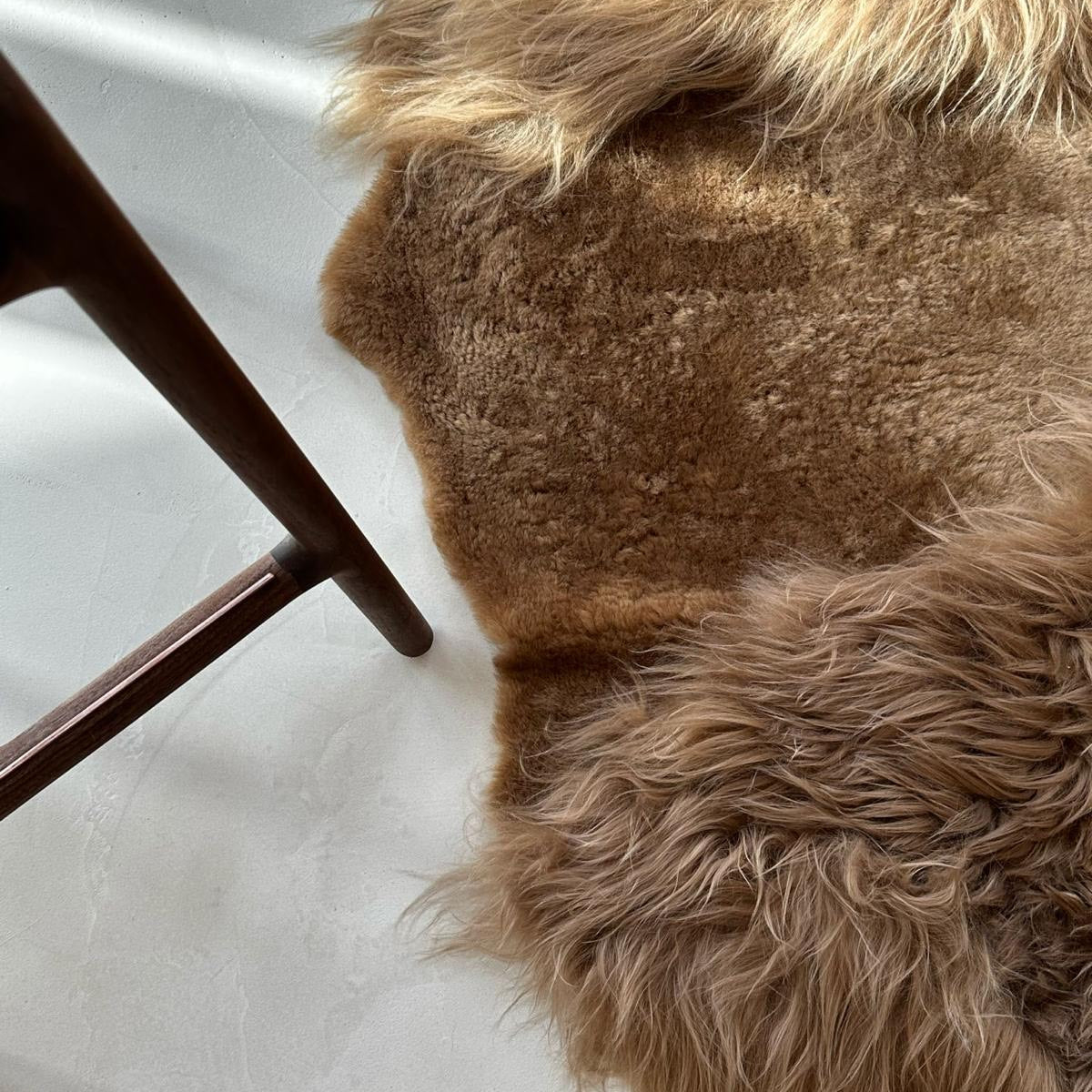
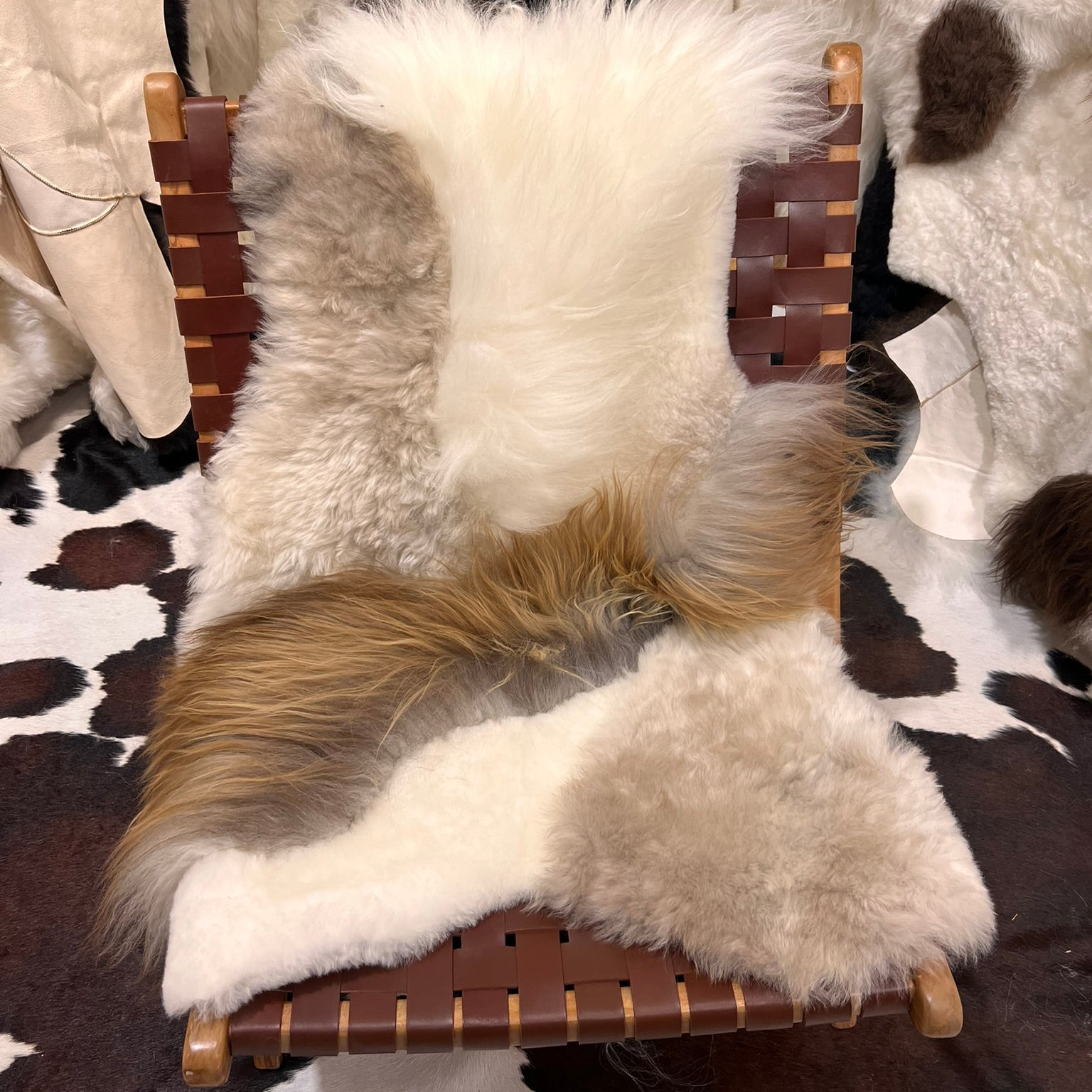
A Monroe rug is not a medical sheepskin and not a treatment. What it does do: provide a warm, dry and soft surface that regulates moisture, softens sound and releases no synthetic substances or microplastics. For anyone who plays, sits or reads on the floor — children, older people, pets — that is noticeable. To be clear: the sleep and pressure-ulcer studies are solid; the eczema study is small and is about clothing. Anyone buying a rug for medical reasons is buying it for the wrong reason.
Frequently asked questions
Does a sheepskin help against pressure ulcers?
Medical sheepskins to the Australian standard do, according to a Cochrane review. For care needs always ask a healthcare professional; an interior rug does not replace a medical device.
Is wool good for sleep?
Yes, several University of Sydney studies show shorter sleep onset and fewer interruptions in wool, especially for older and poorer sleepers.
Can a baby lie on a sheepskin?
Supervised, to play: yes. For sleeping, your paediatrician’s safe-sleep guidelines apply (firm mattress, no loose materials); always follow those.
Is sheepskin hypoallergenic?
For most people, yes: wool sheds no dust, repels dust mites by wicking moisture and contains no synthetic substances. If you are allergic to lanolin, ask for a sample first.
Still unsure? Send a photo of your room via WhatsApp and within a day you get a free trial image of the rug in your own interior, no strings attached. Or come and feel it in the shop, Dumortierlaan 115, Knokke. See the rugs · Size guide · Rug Studio