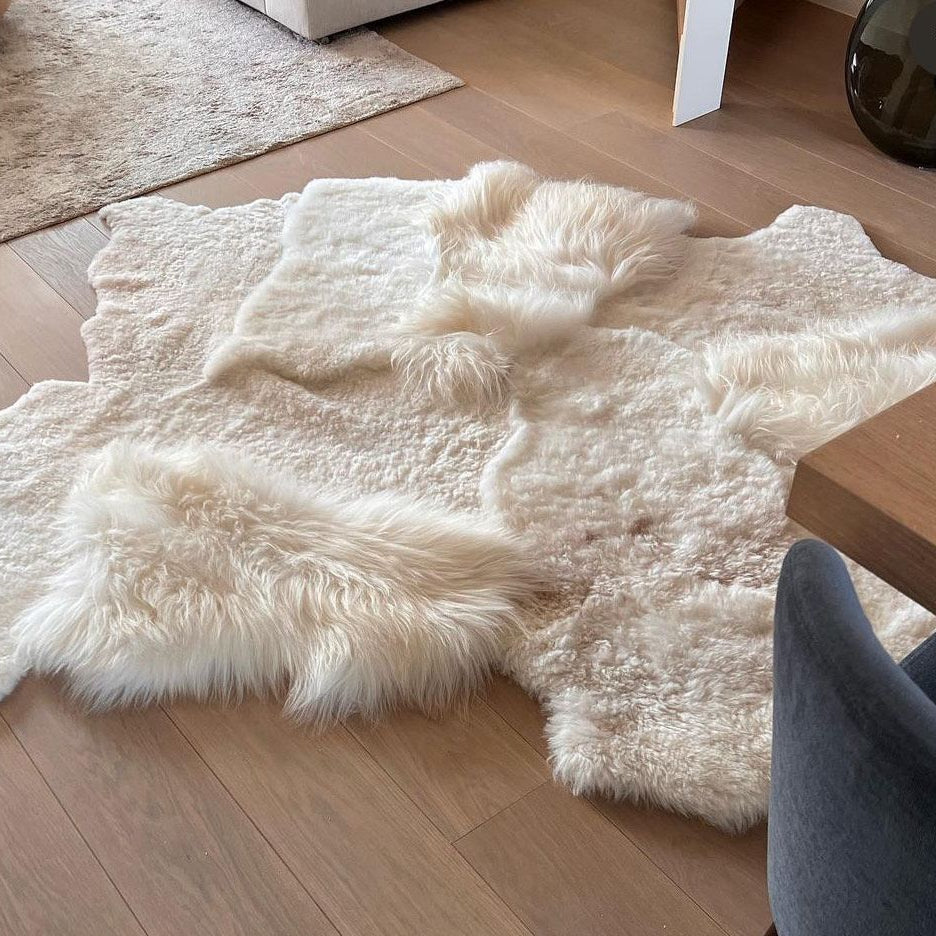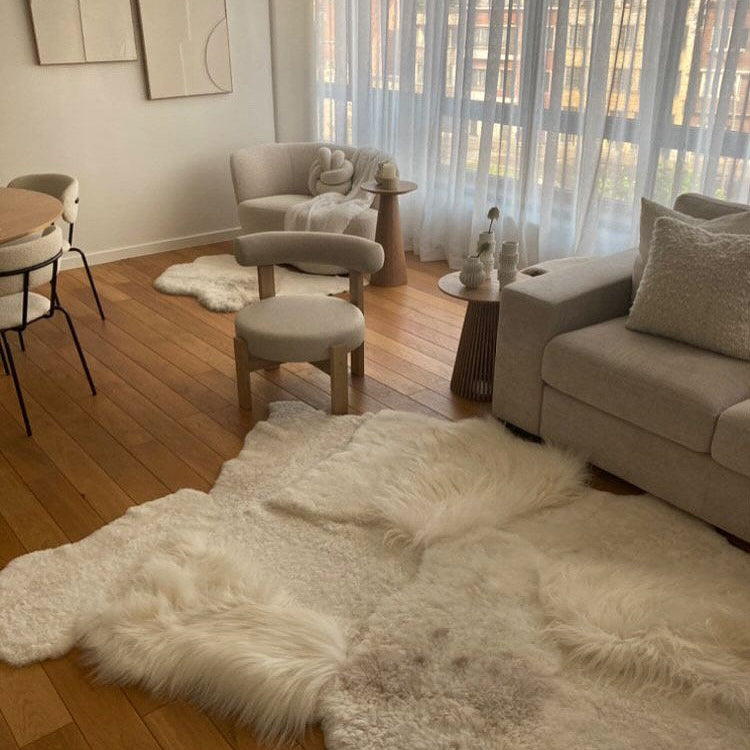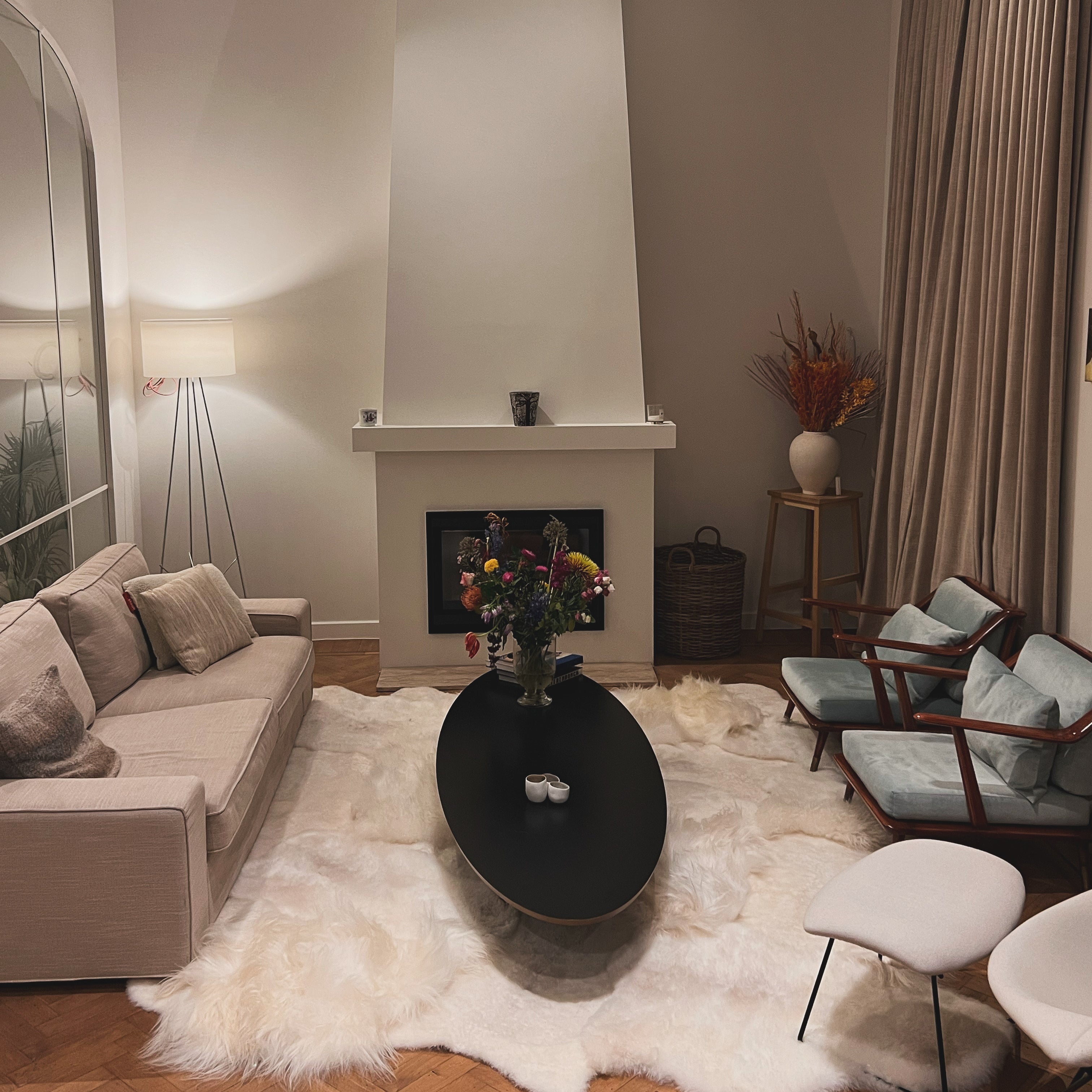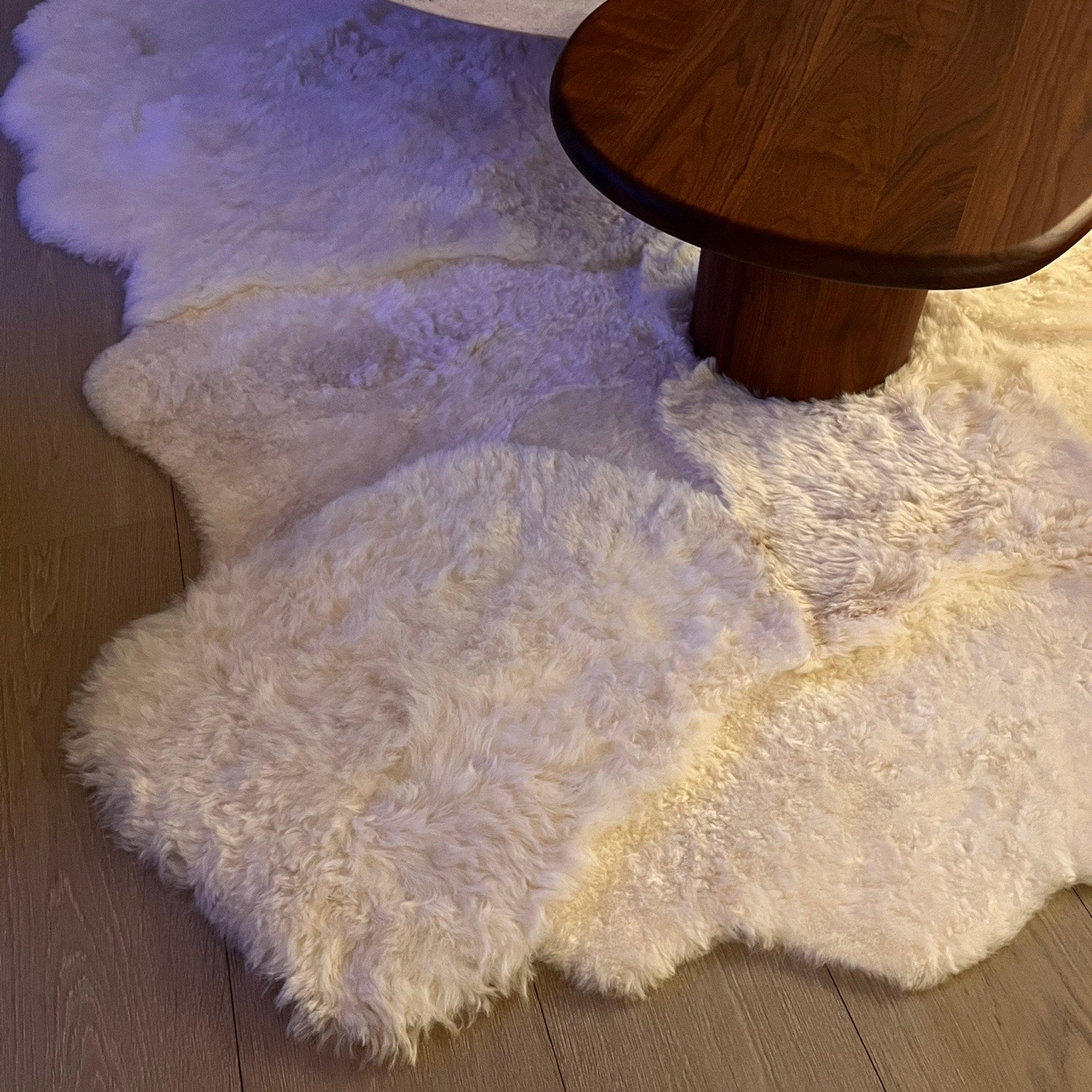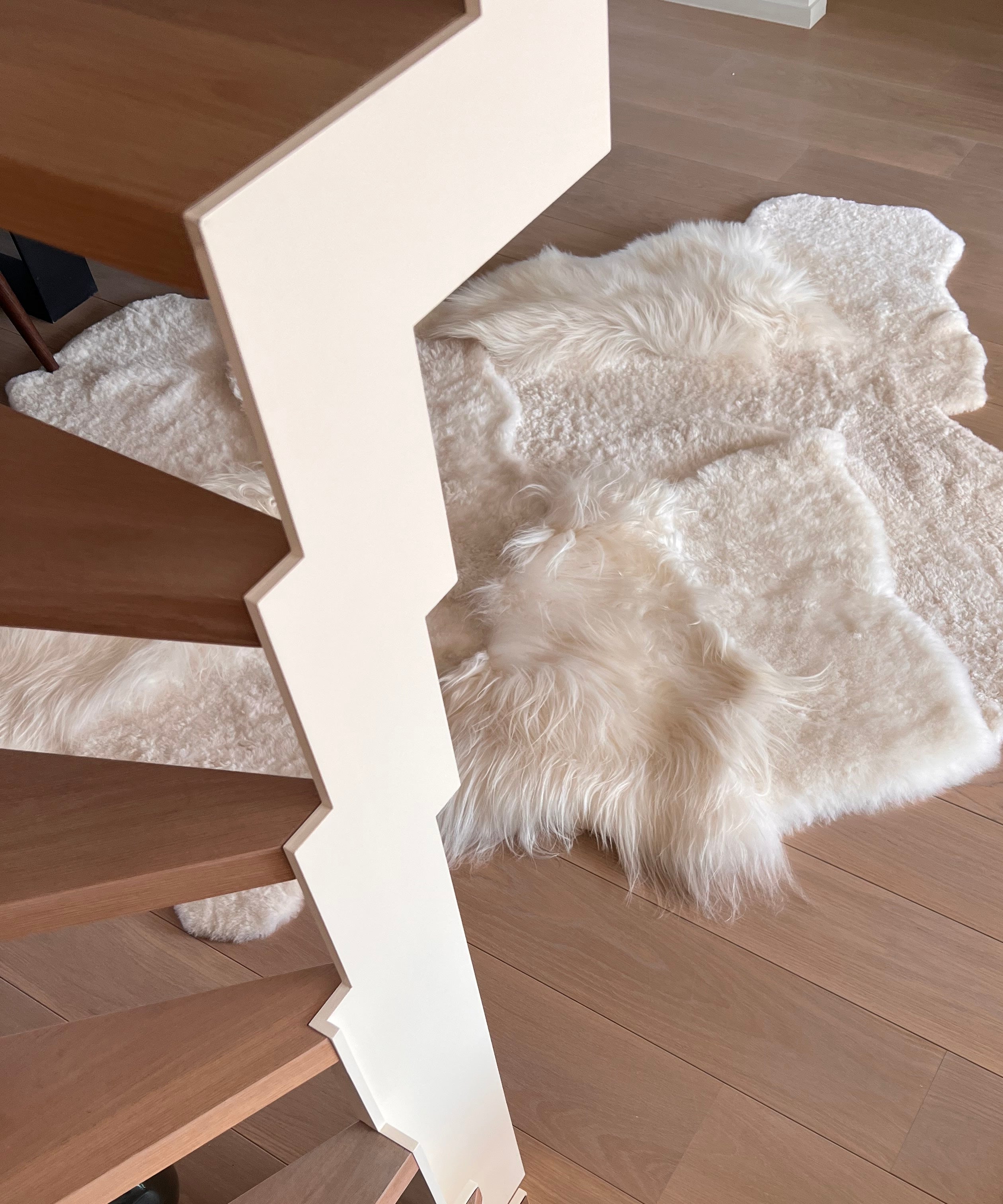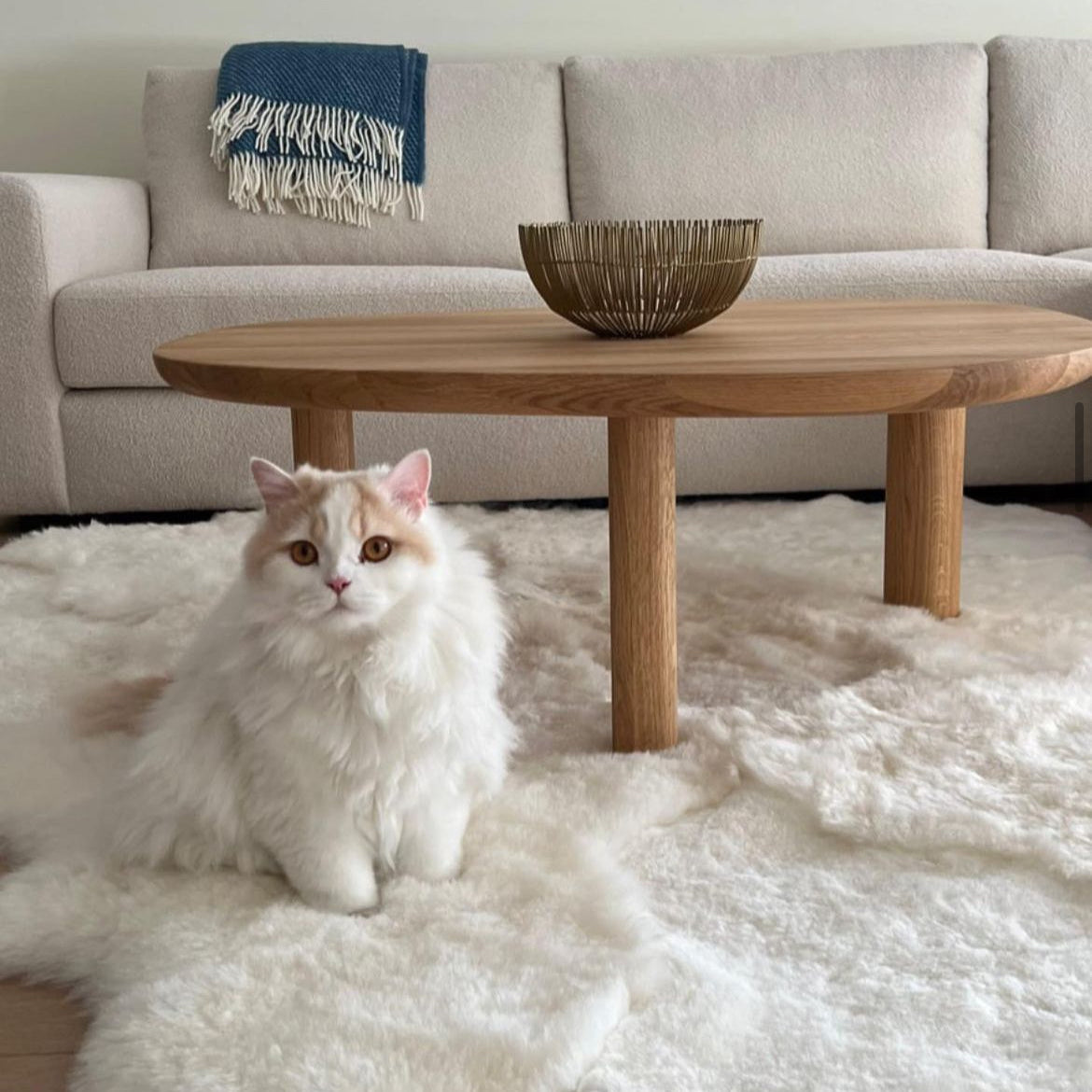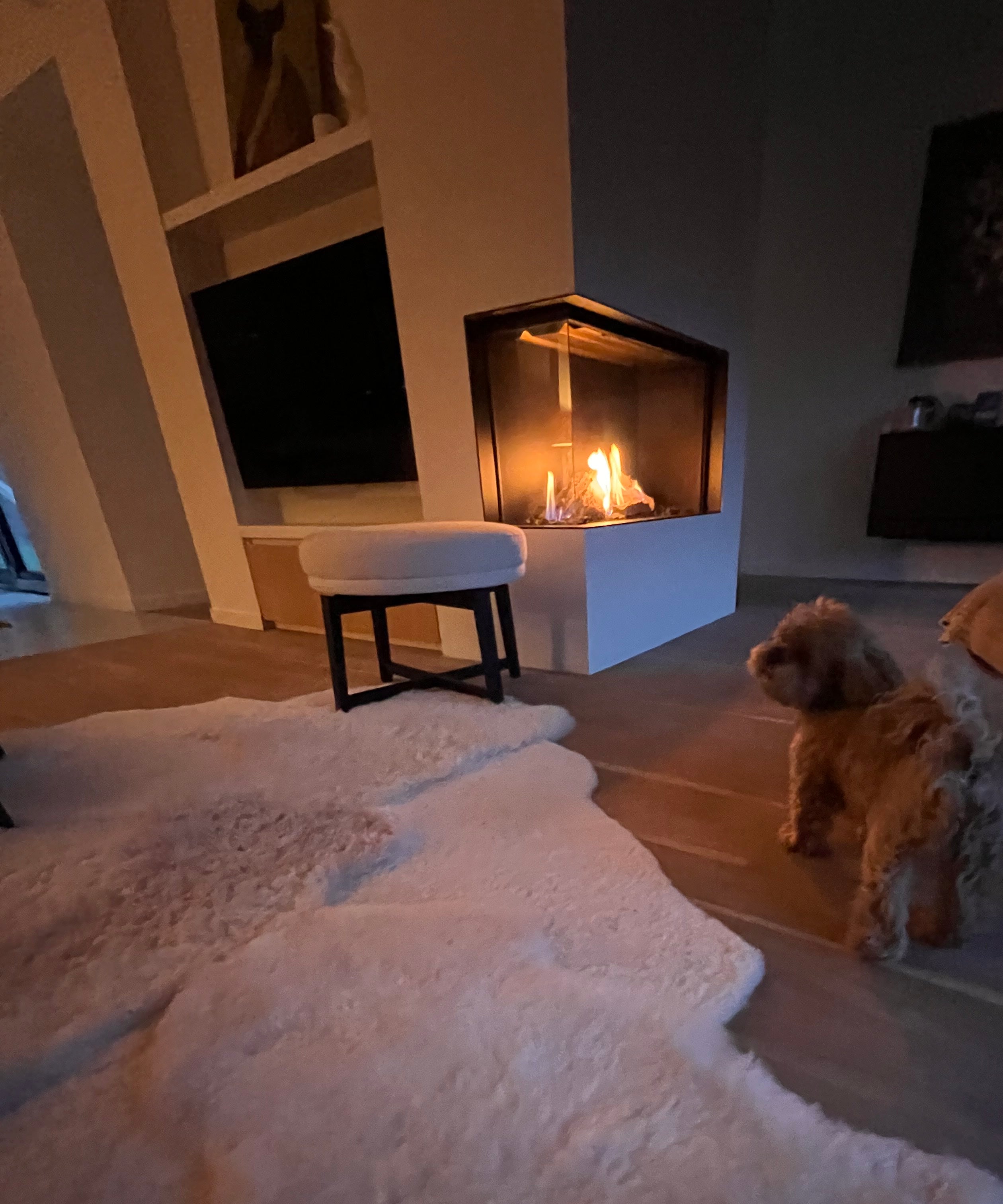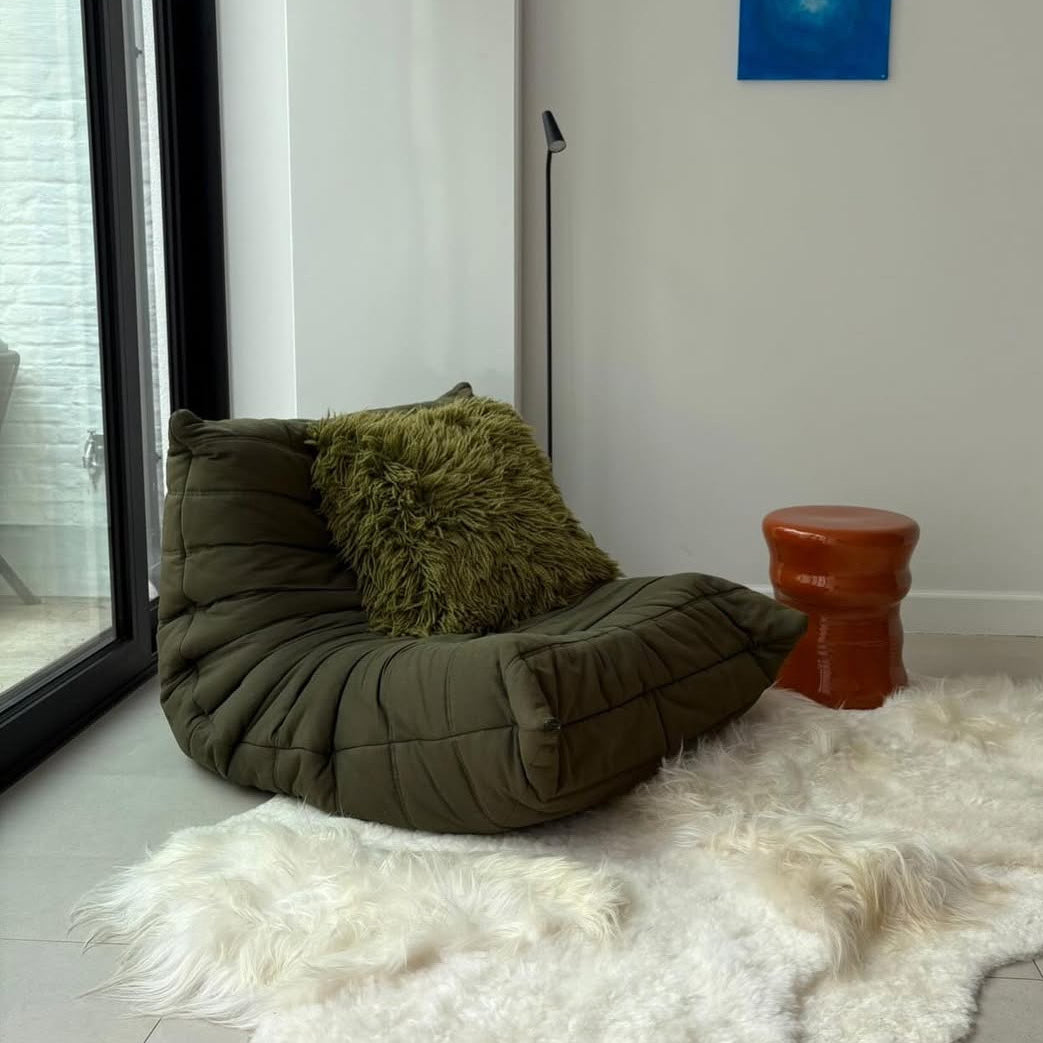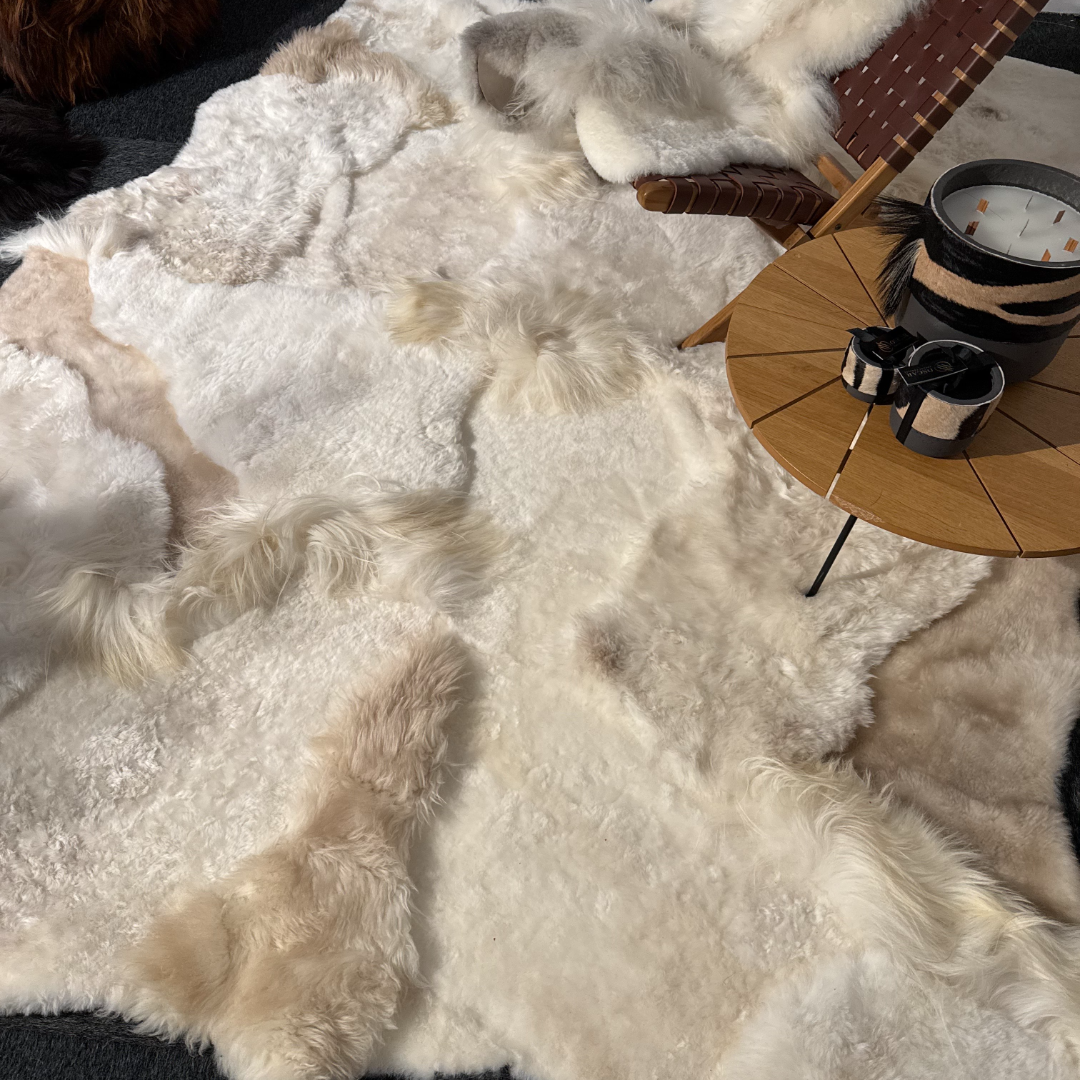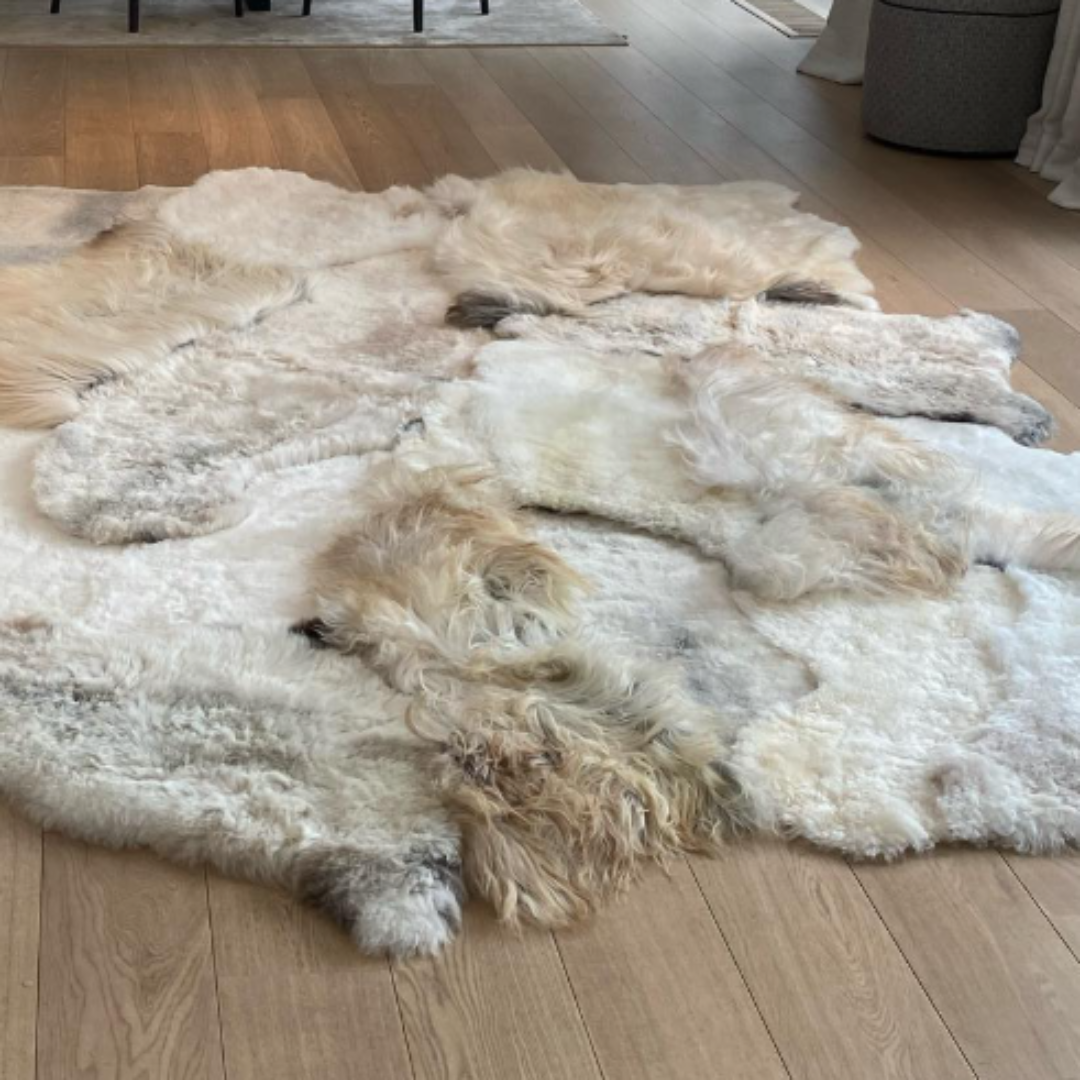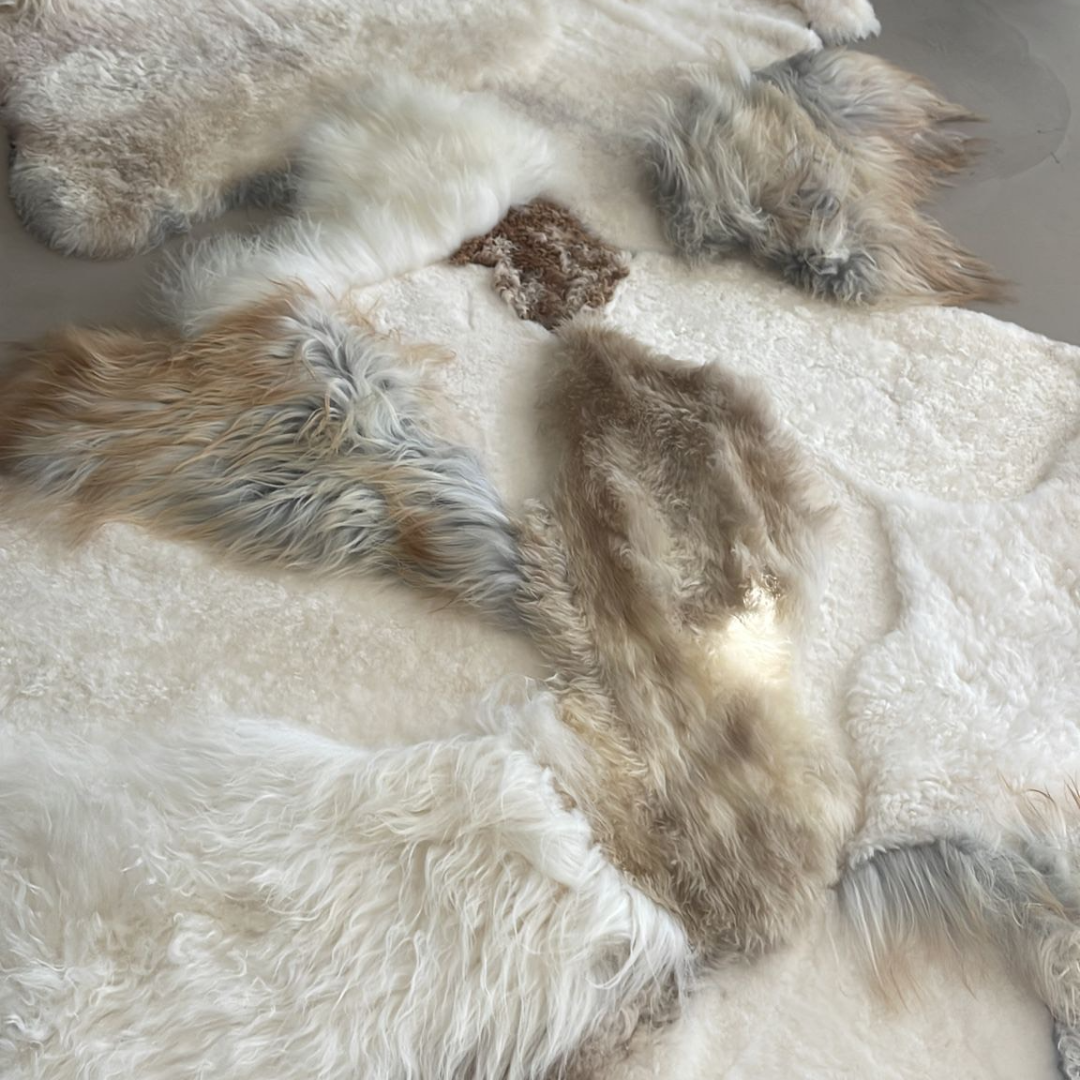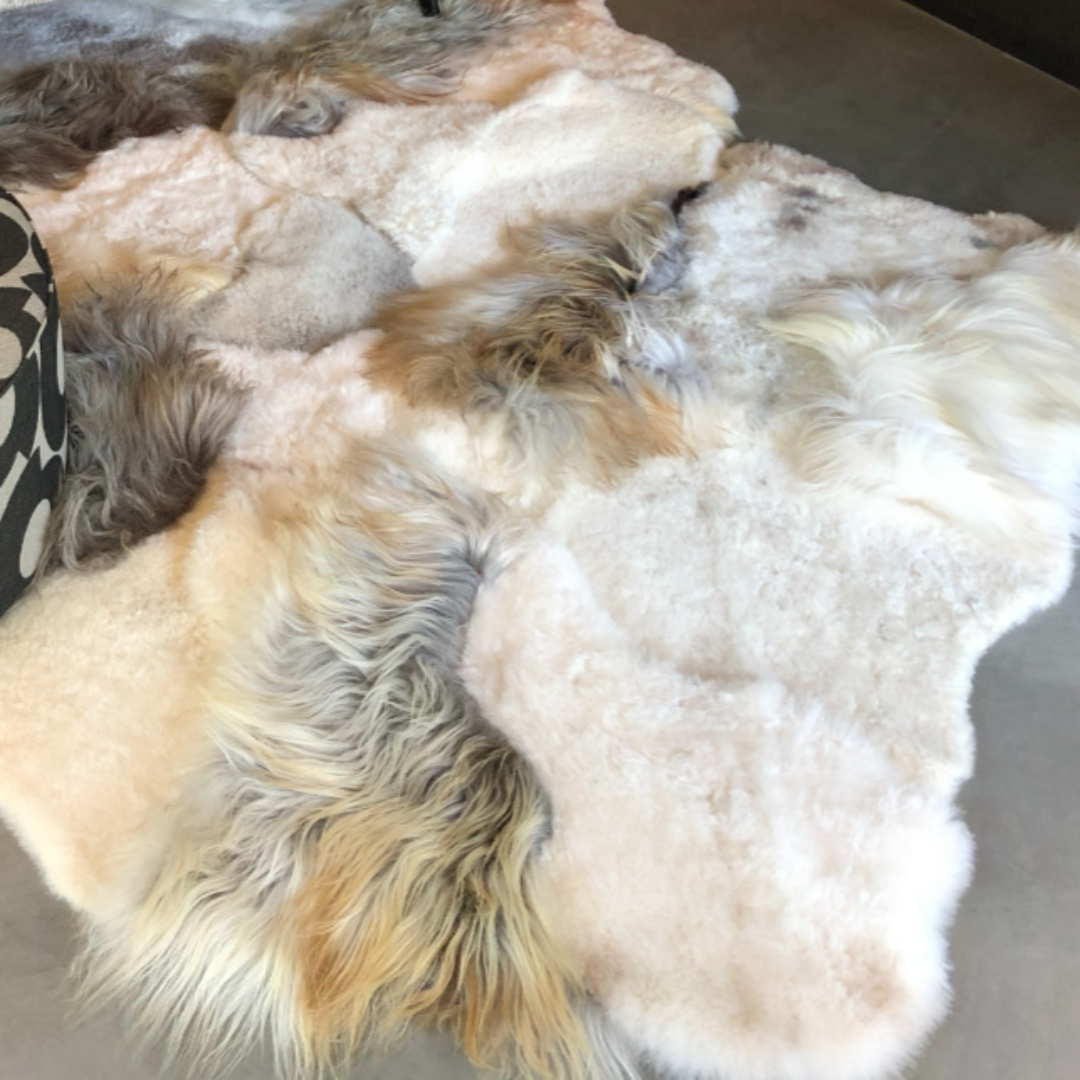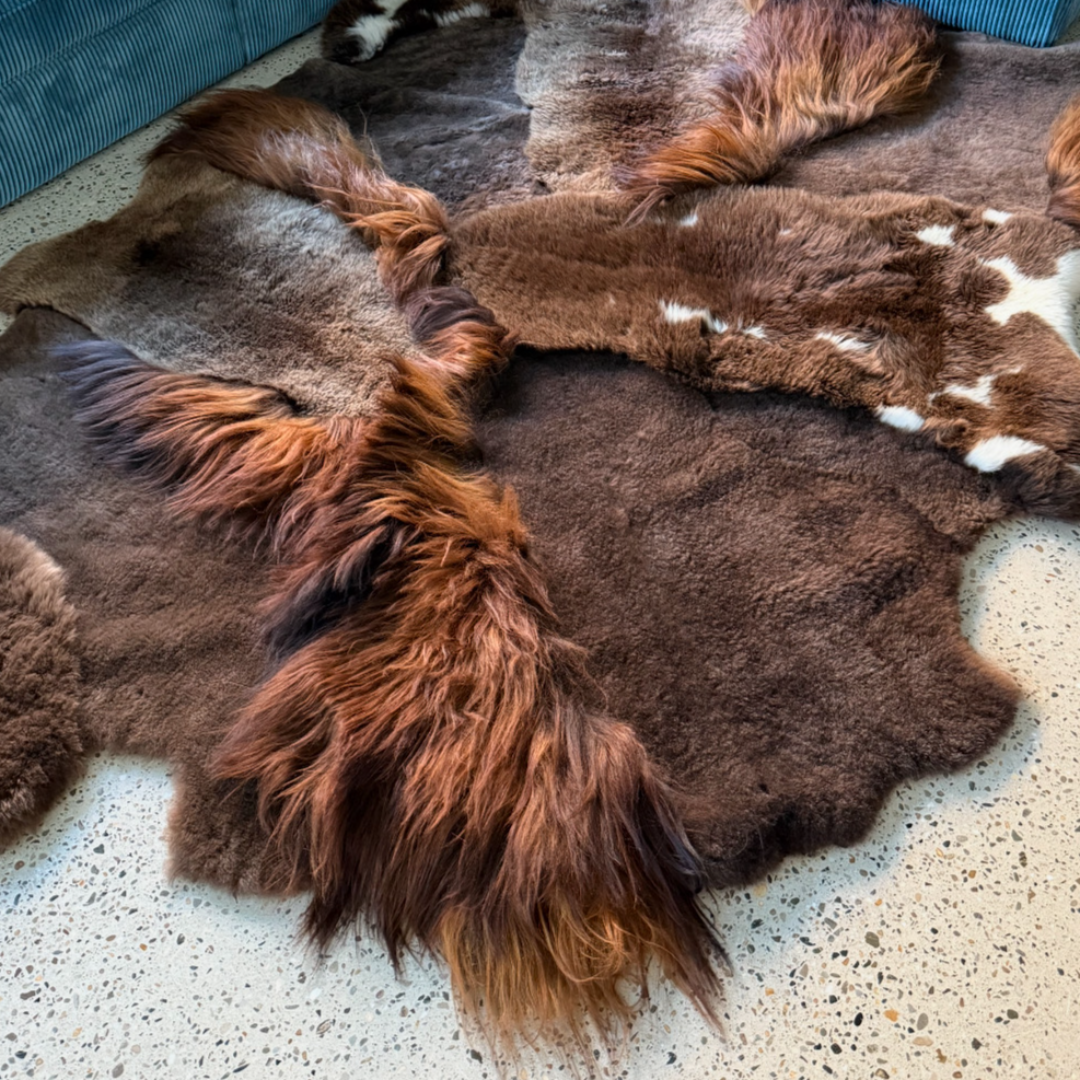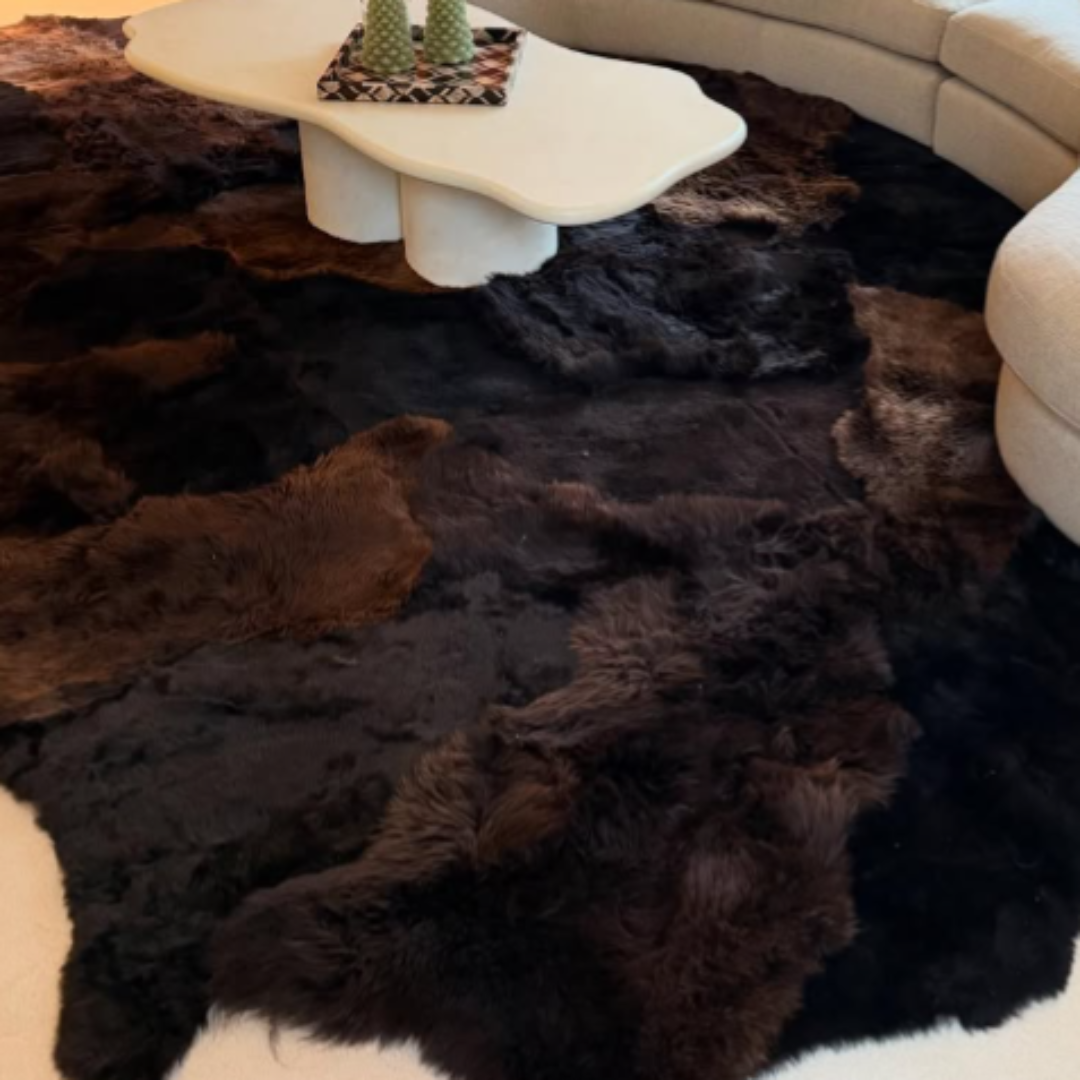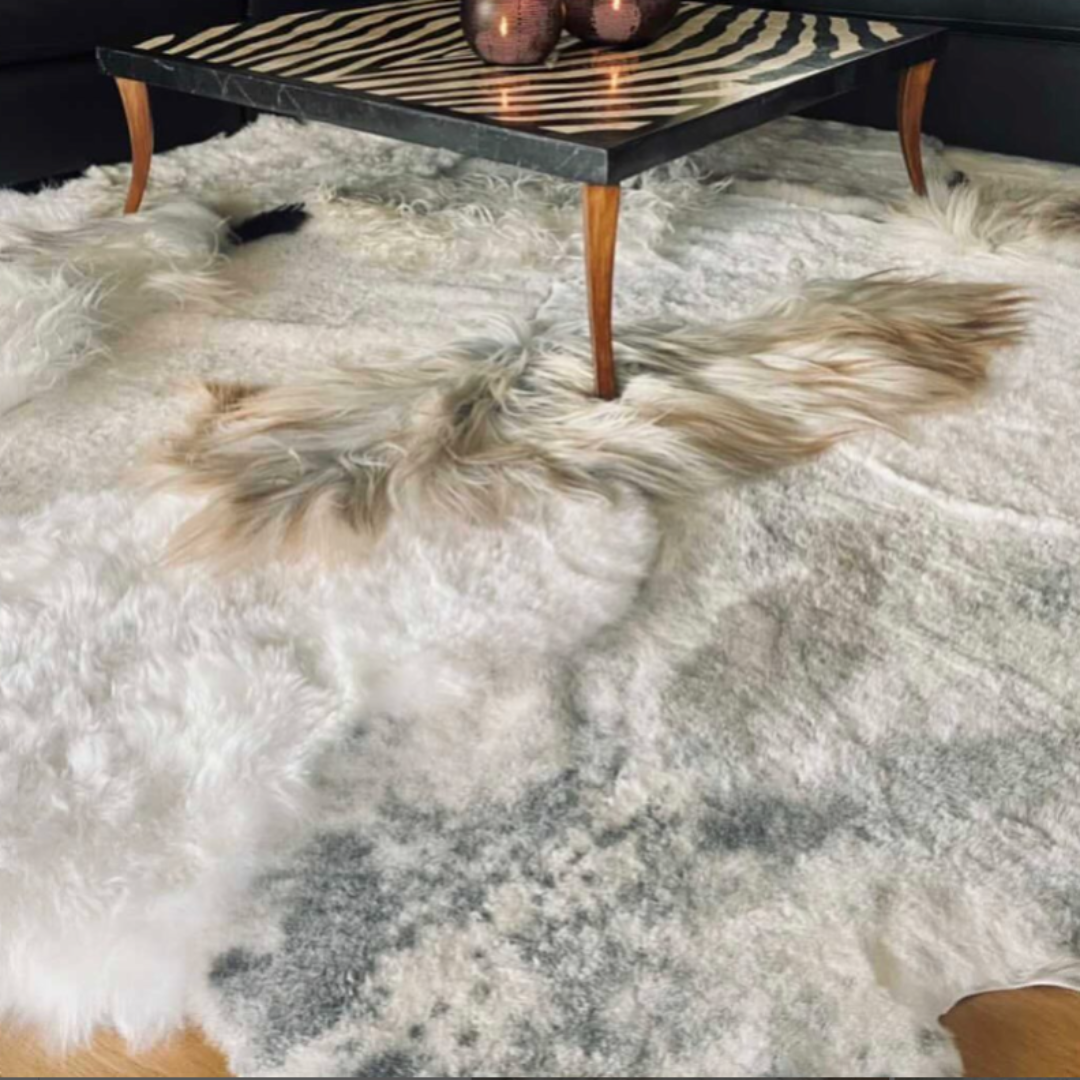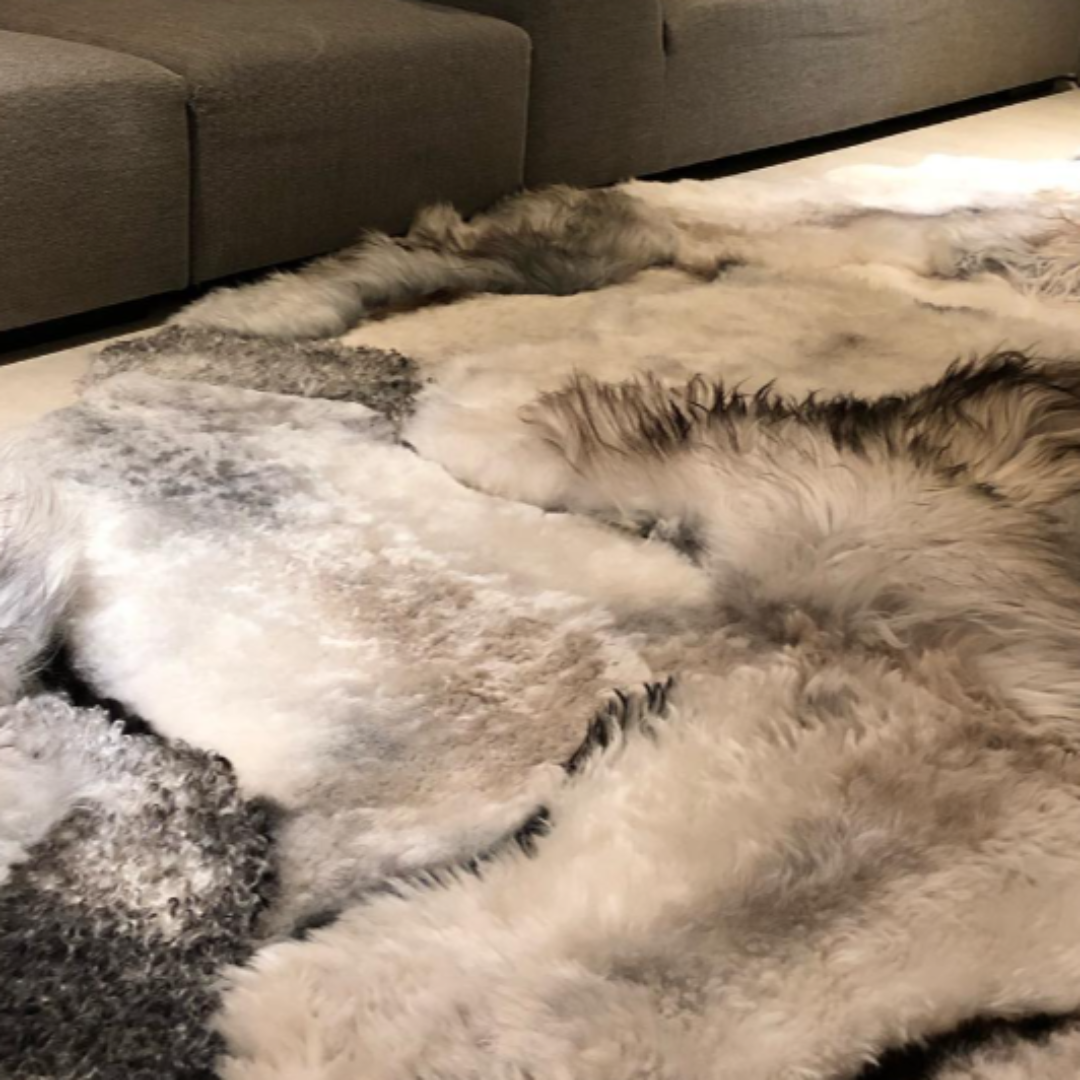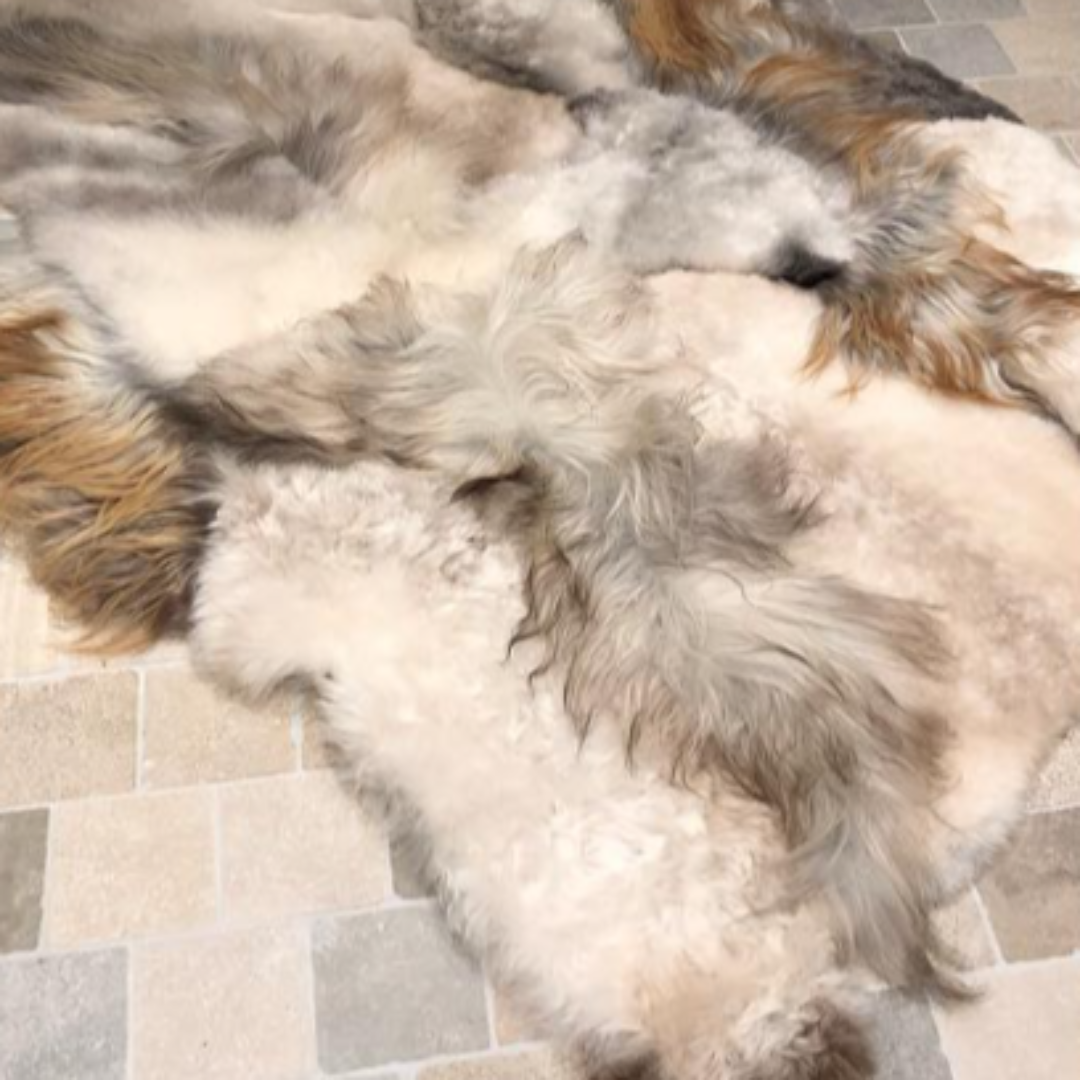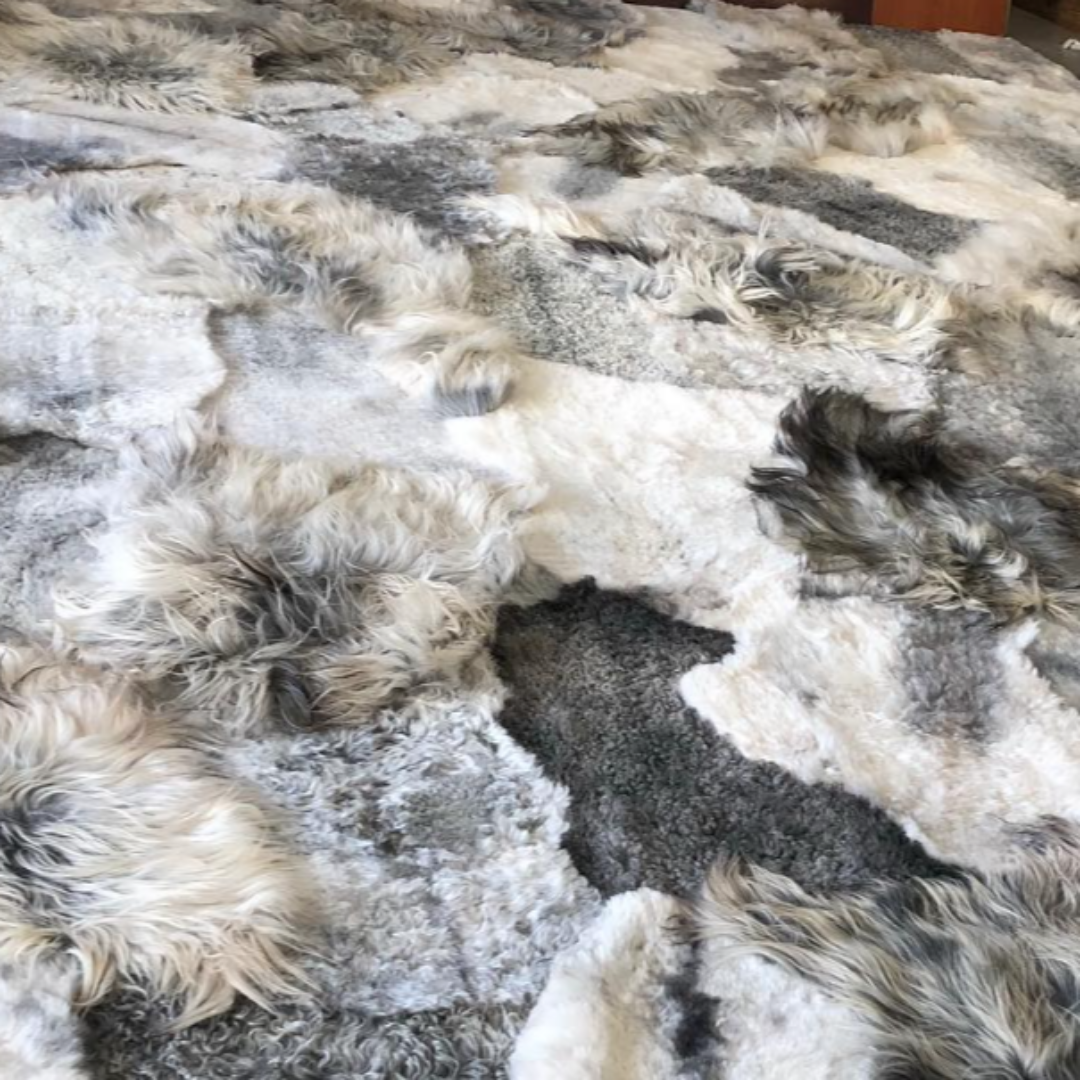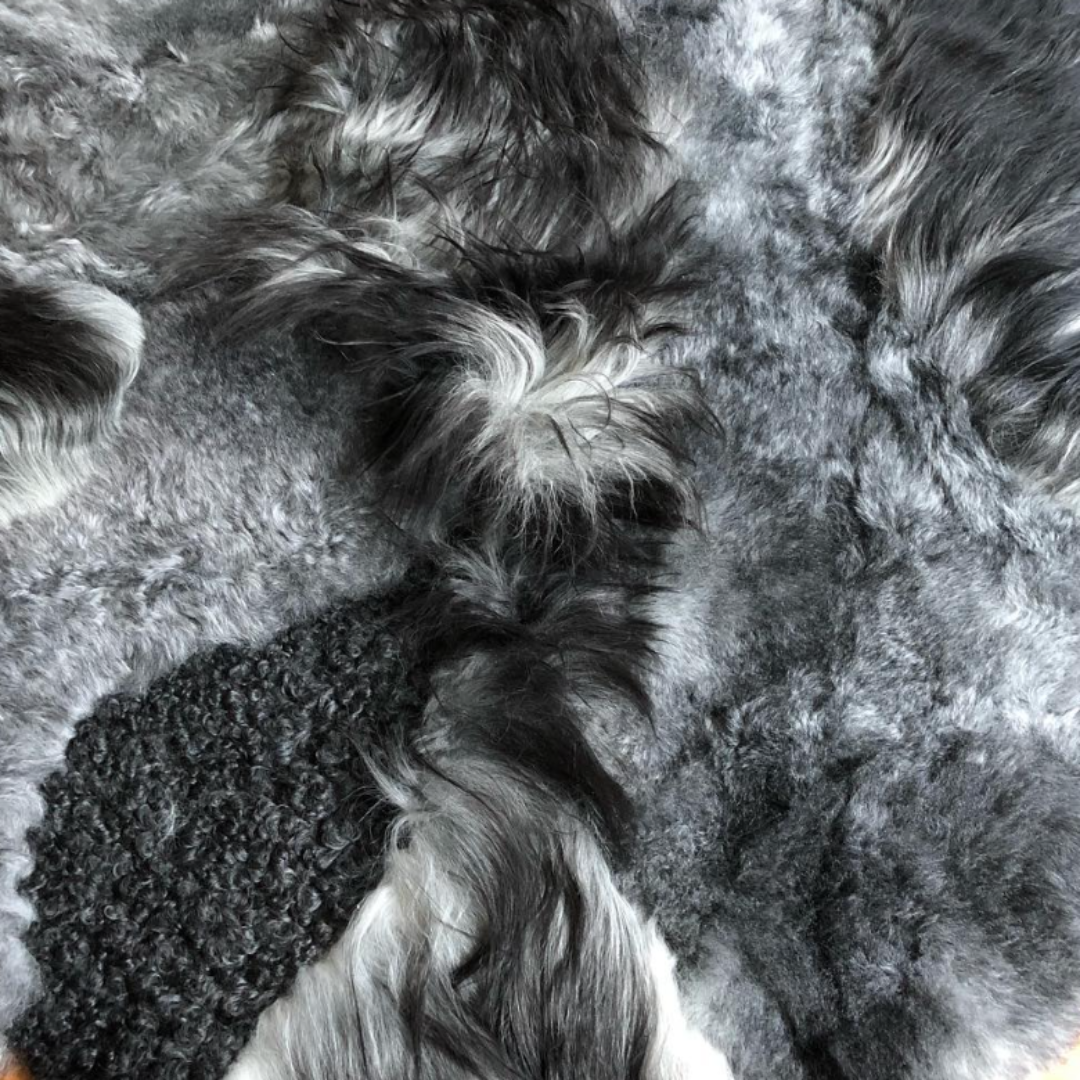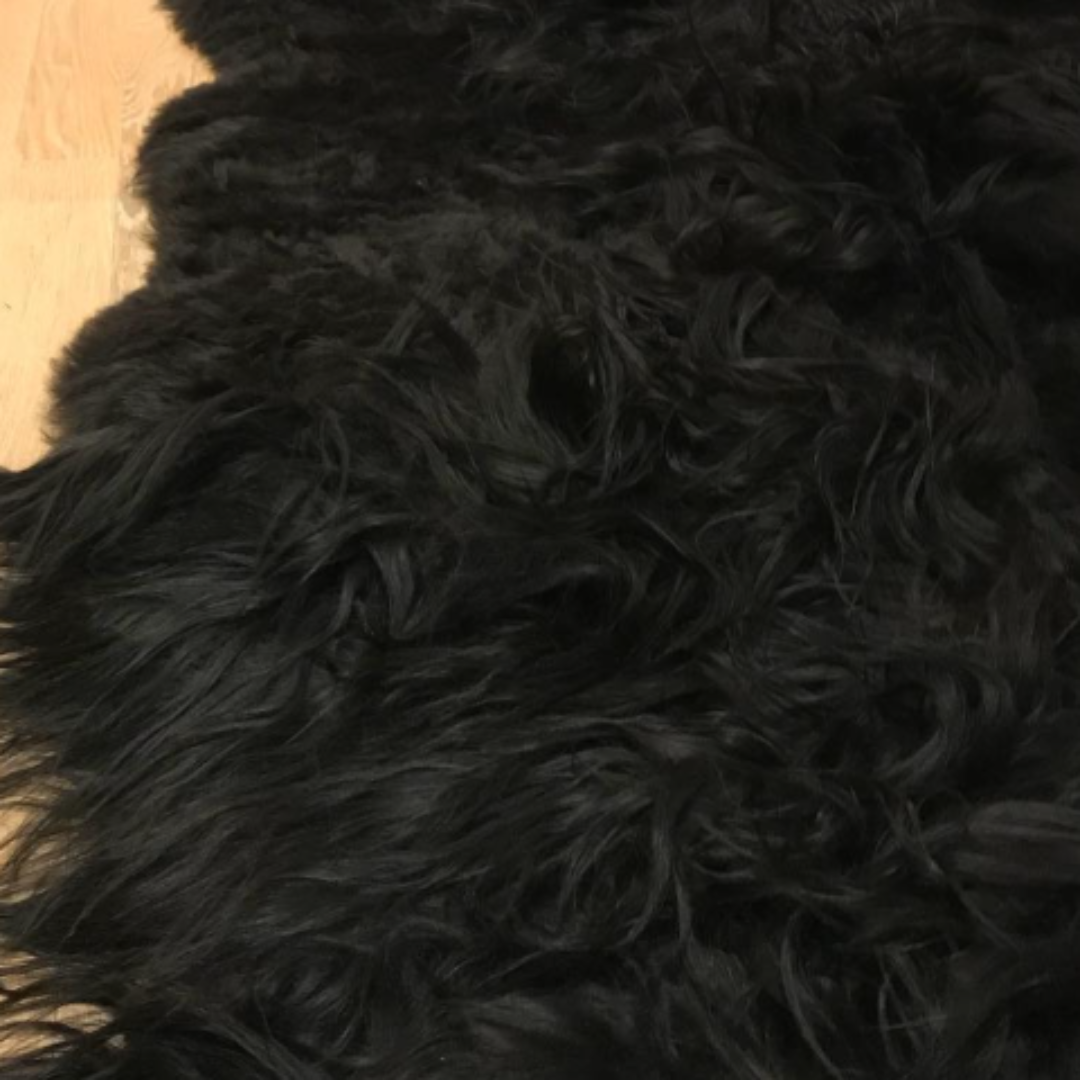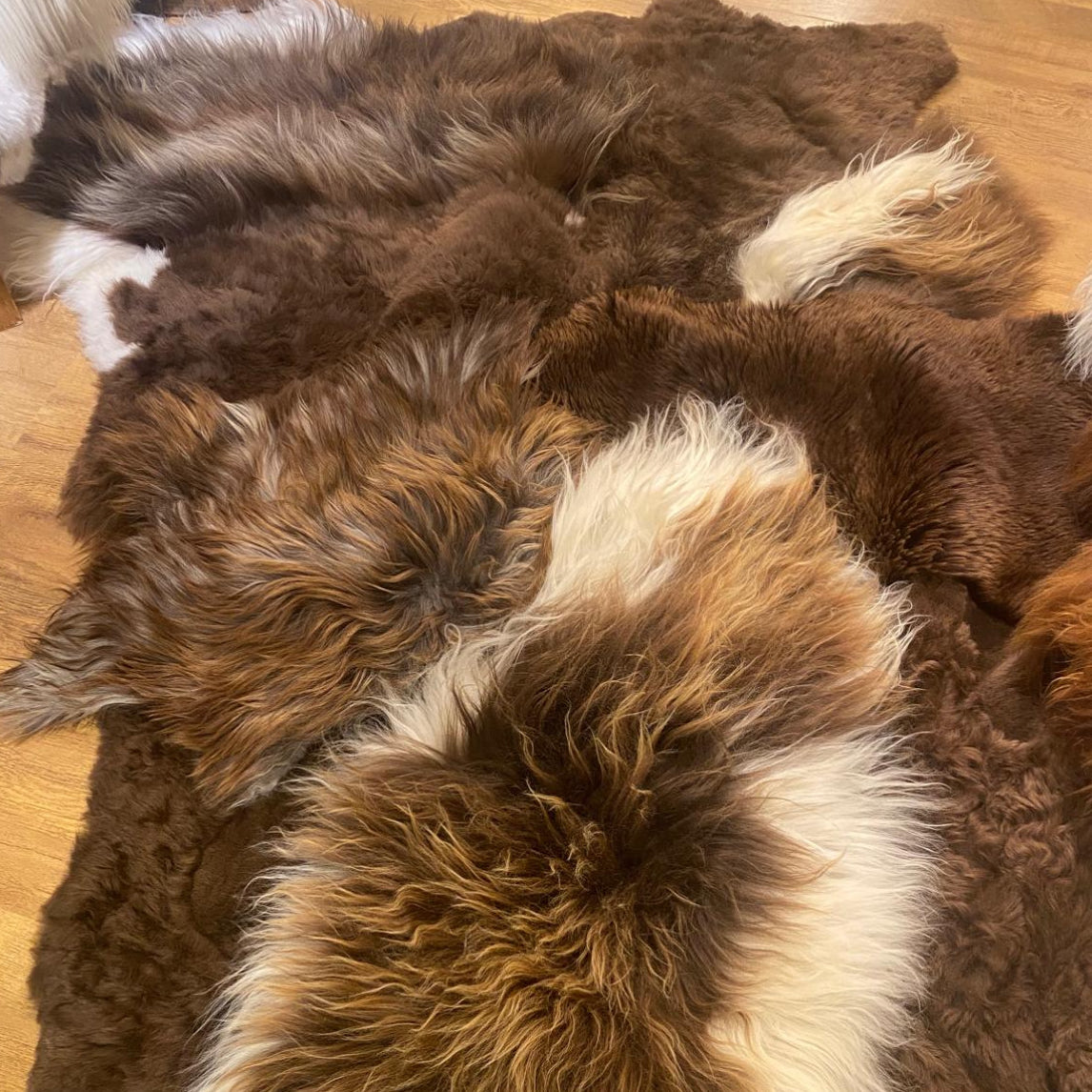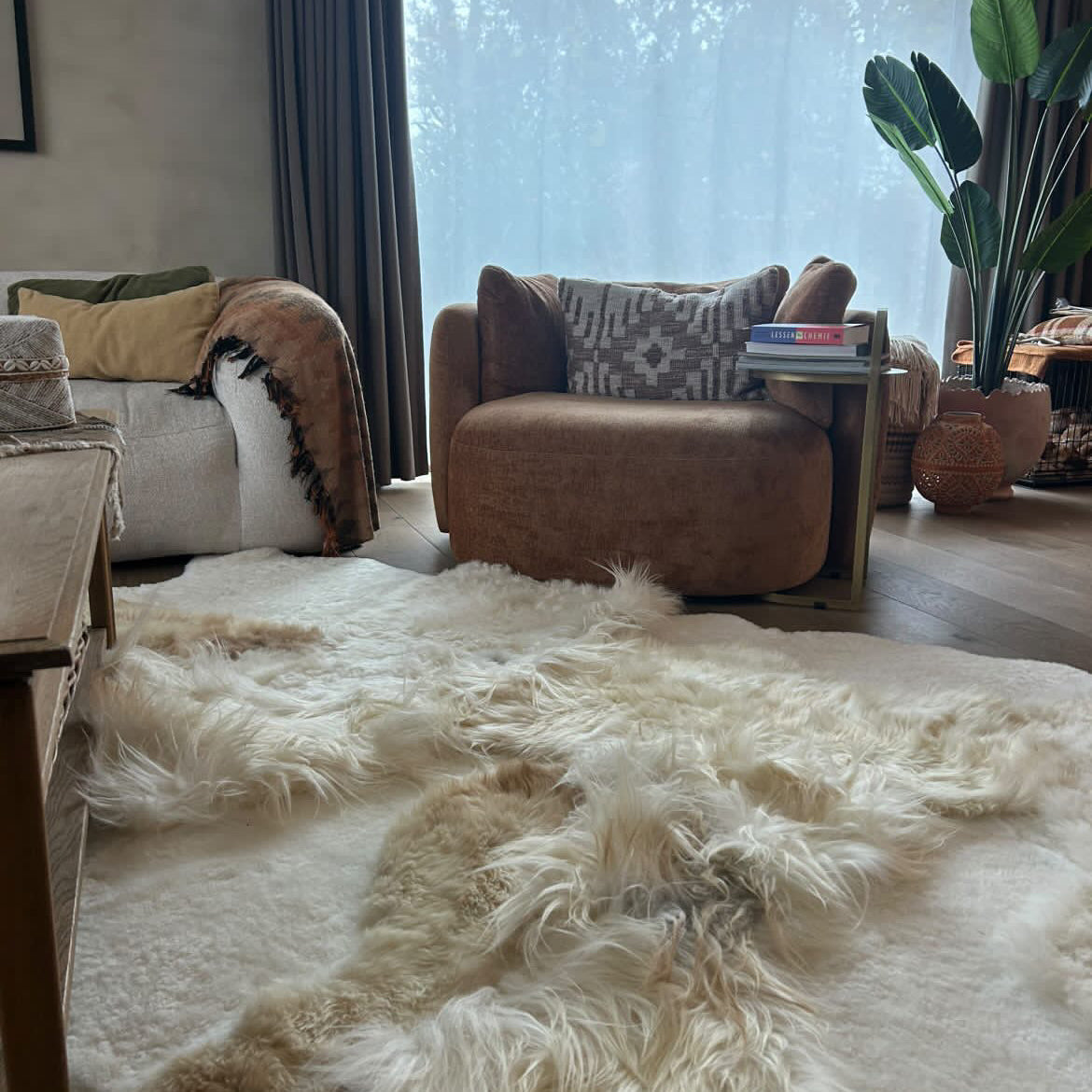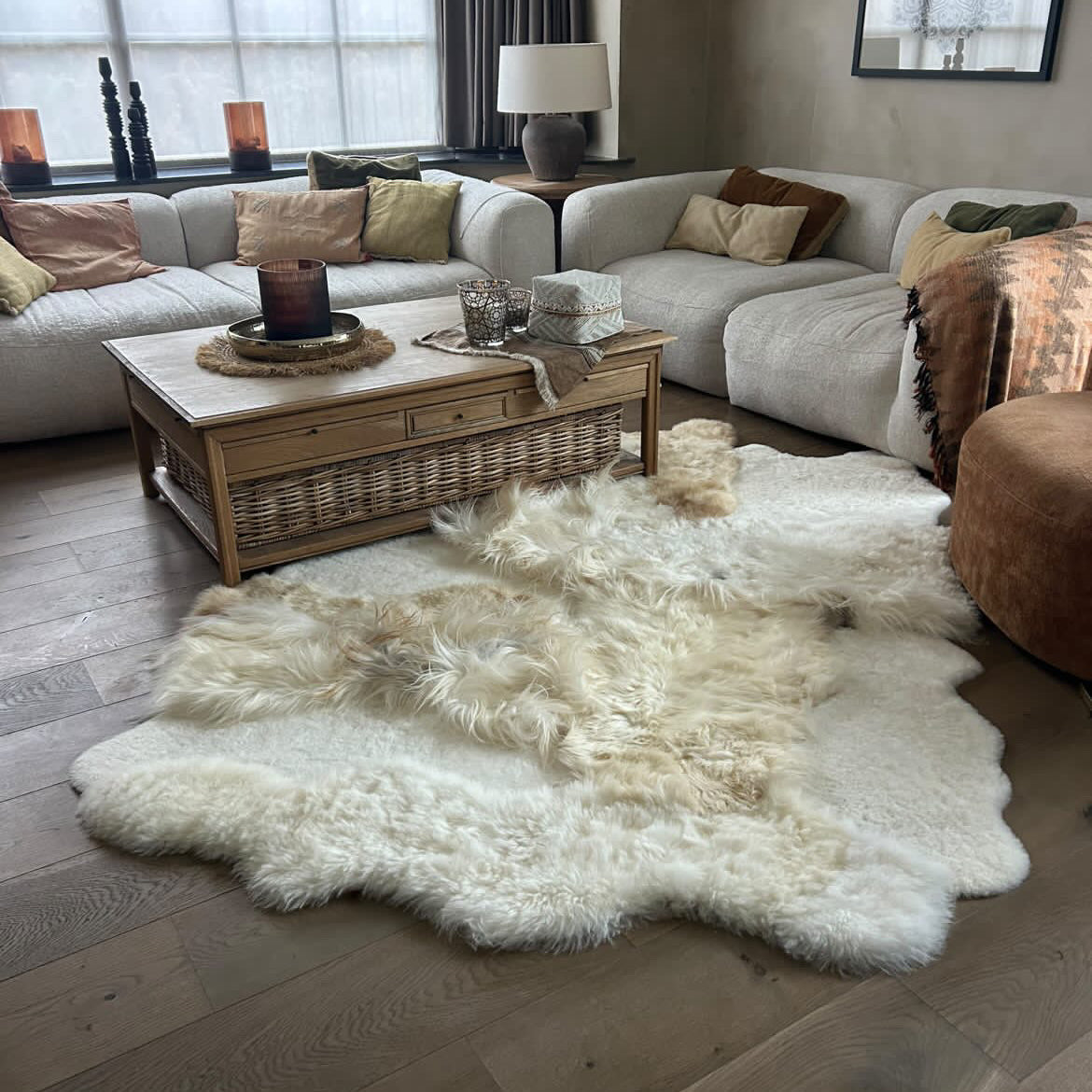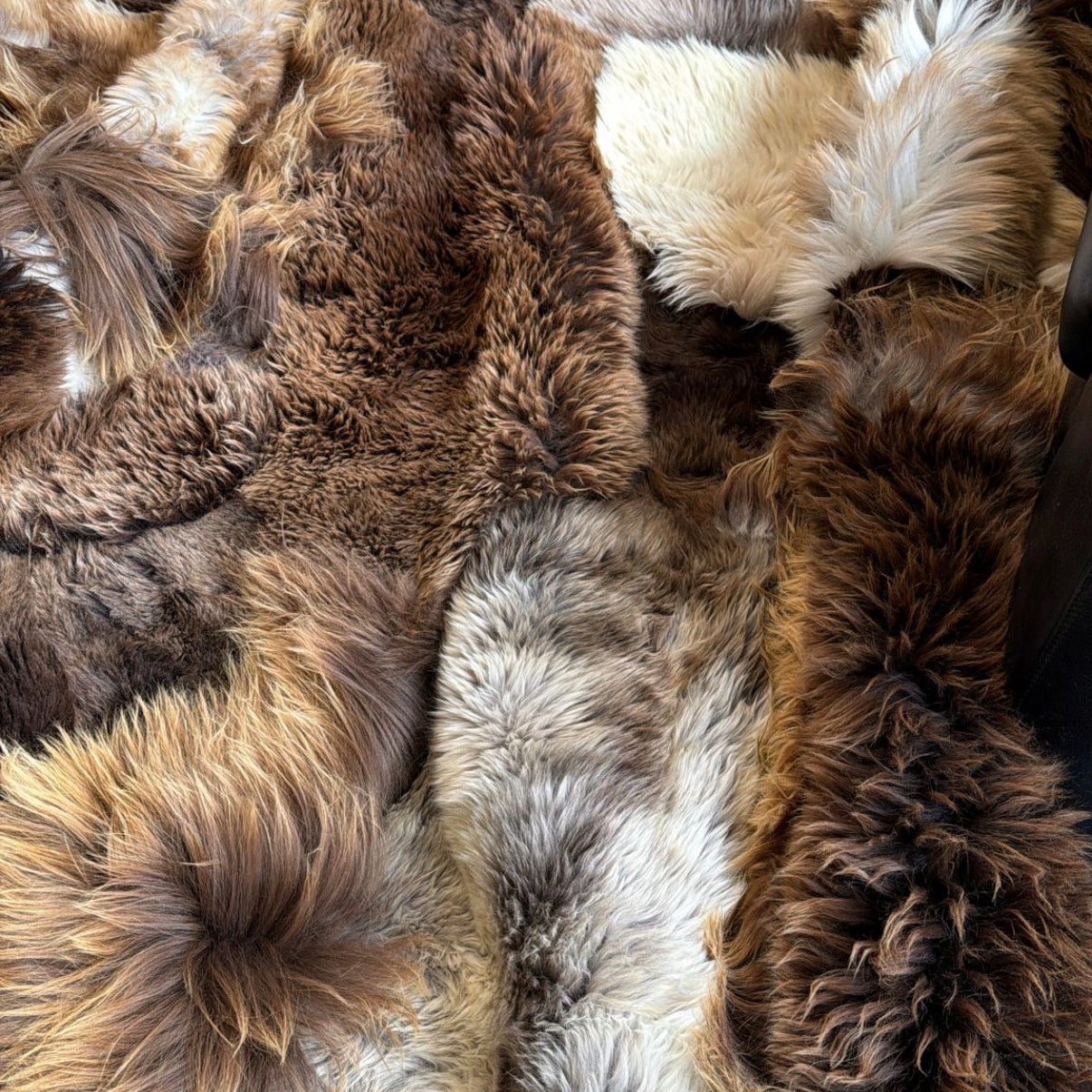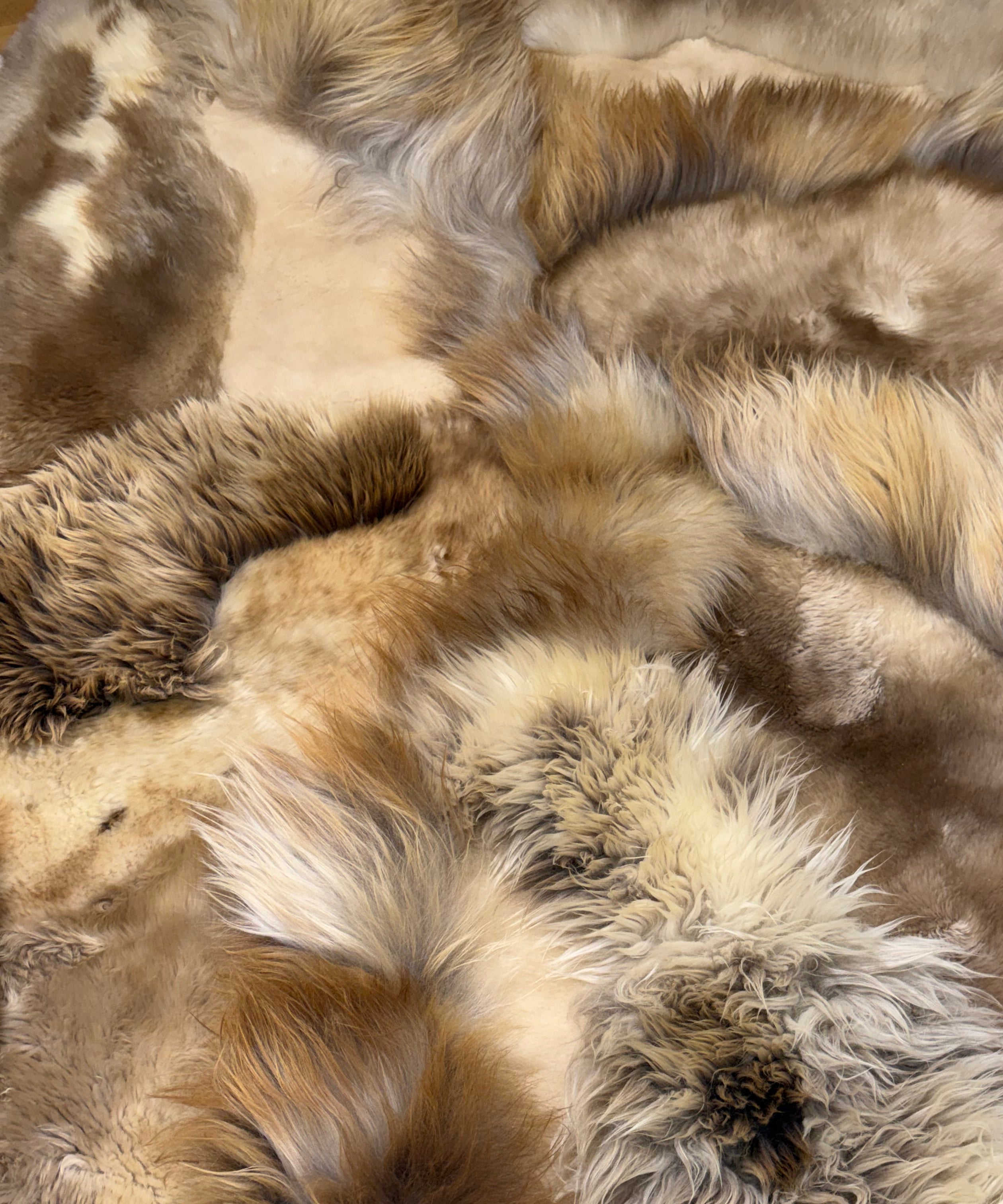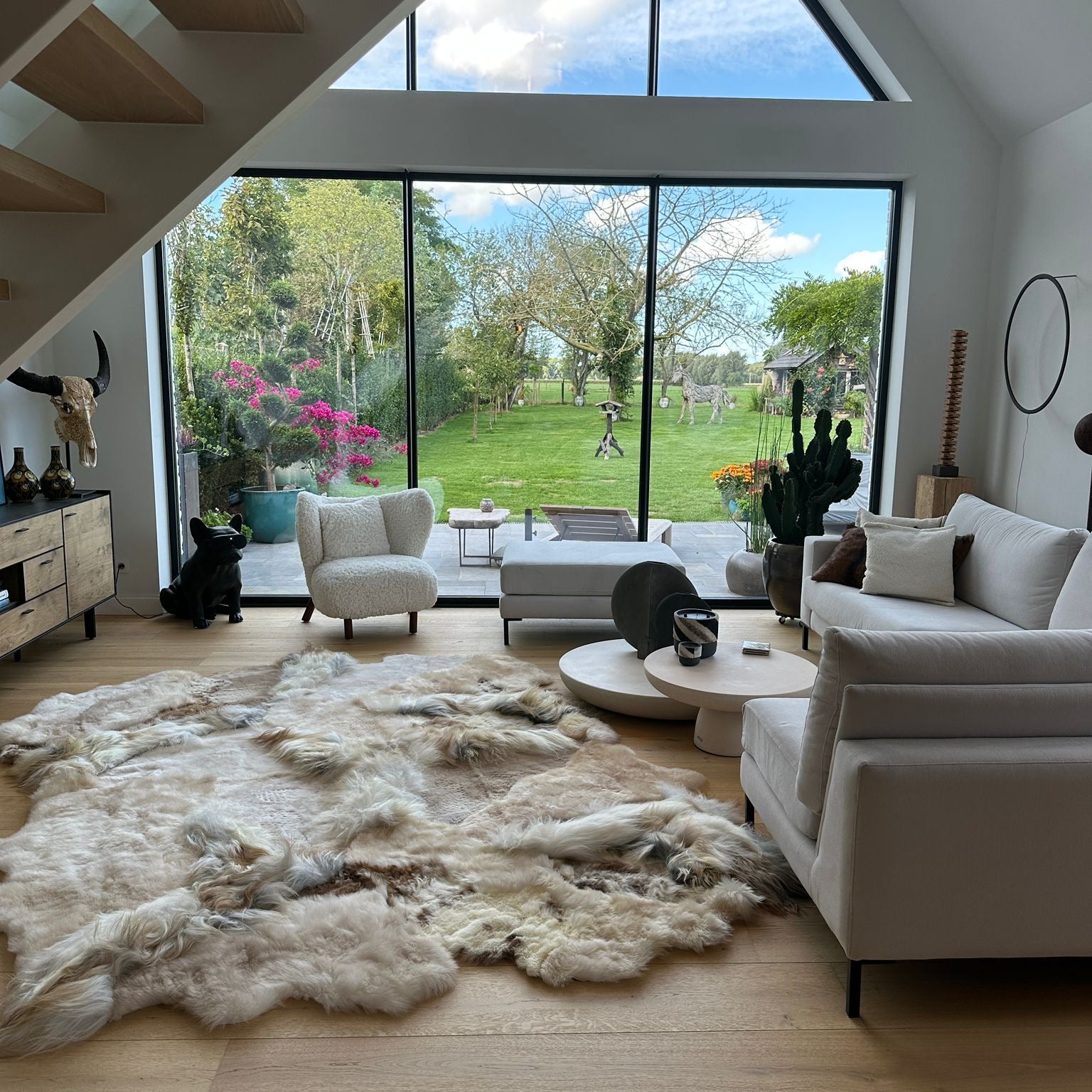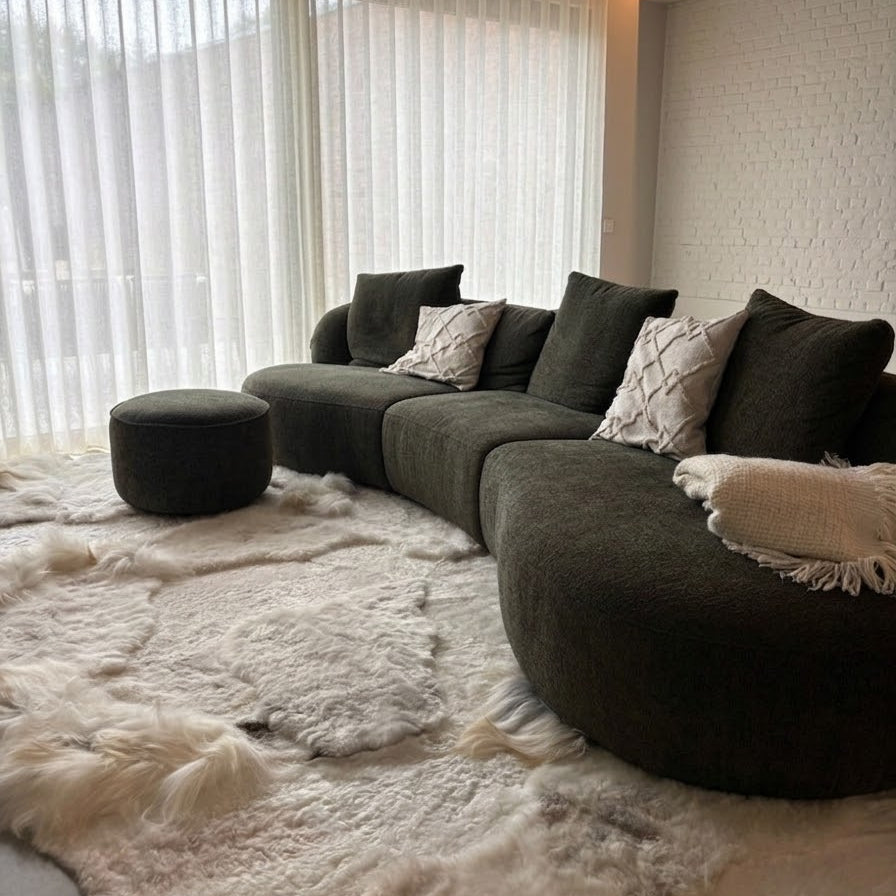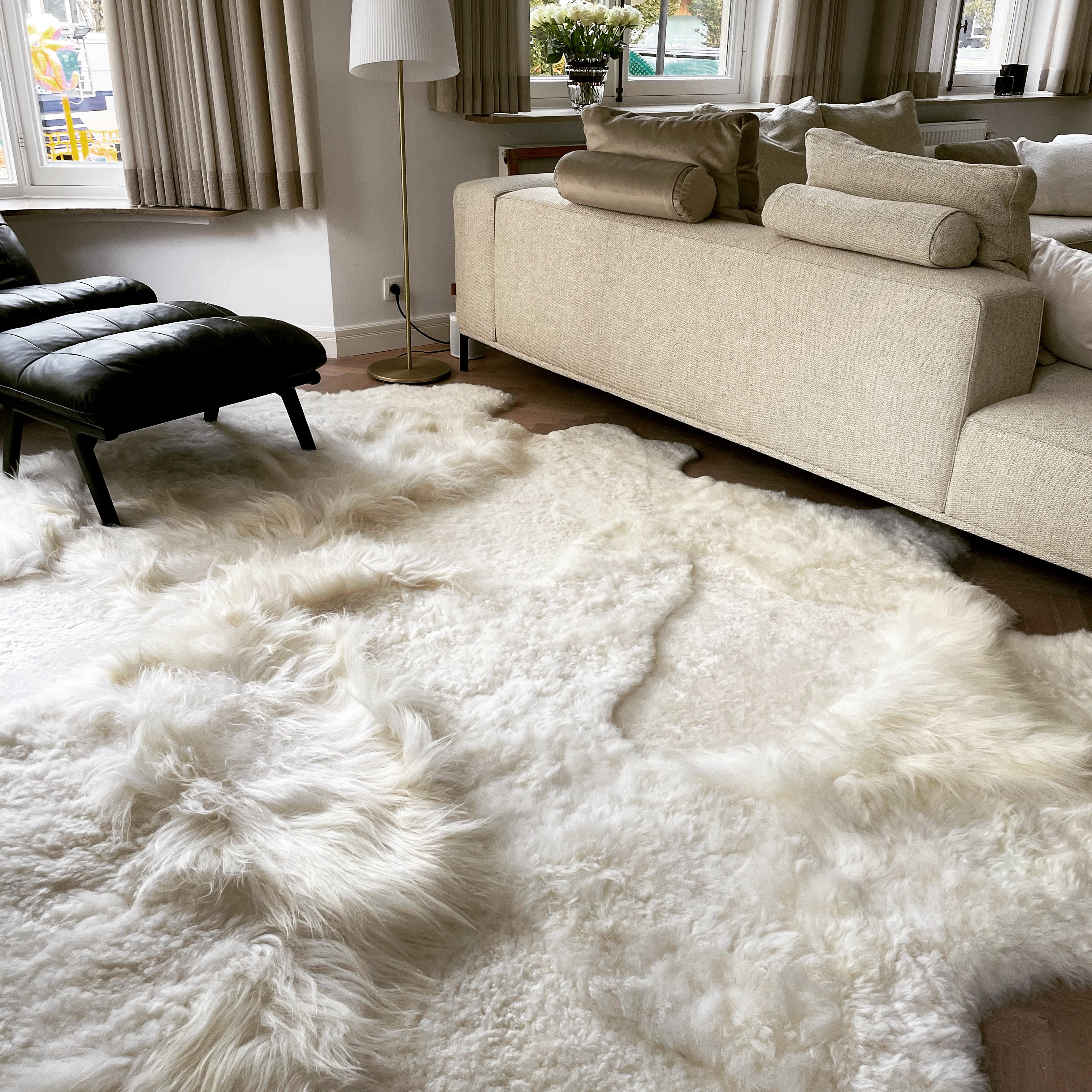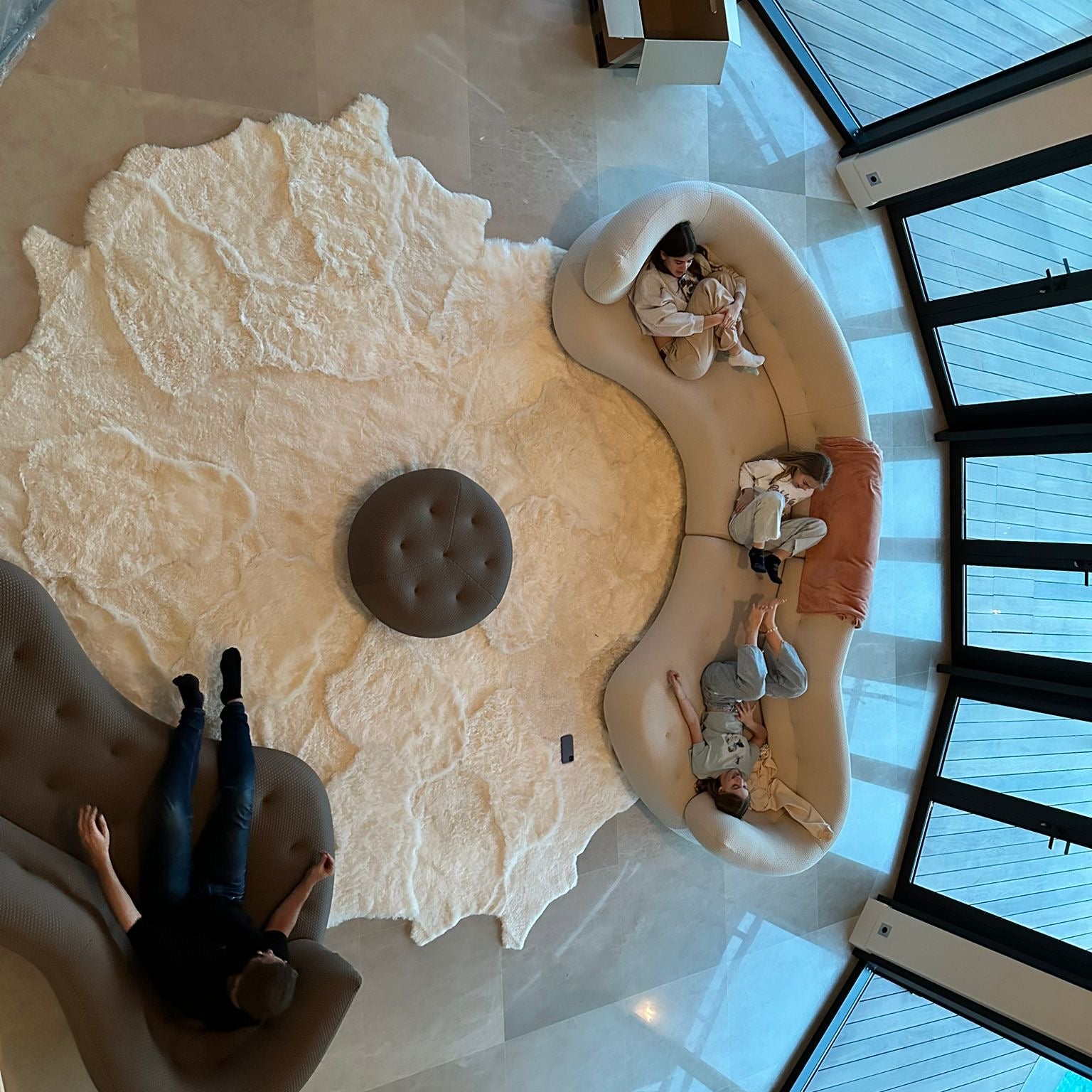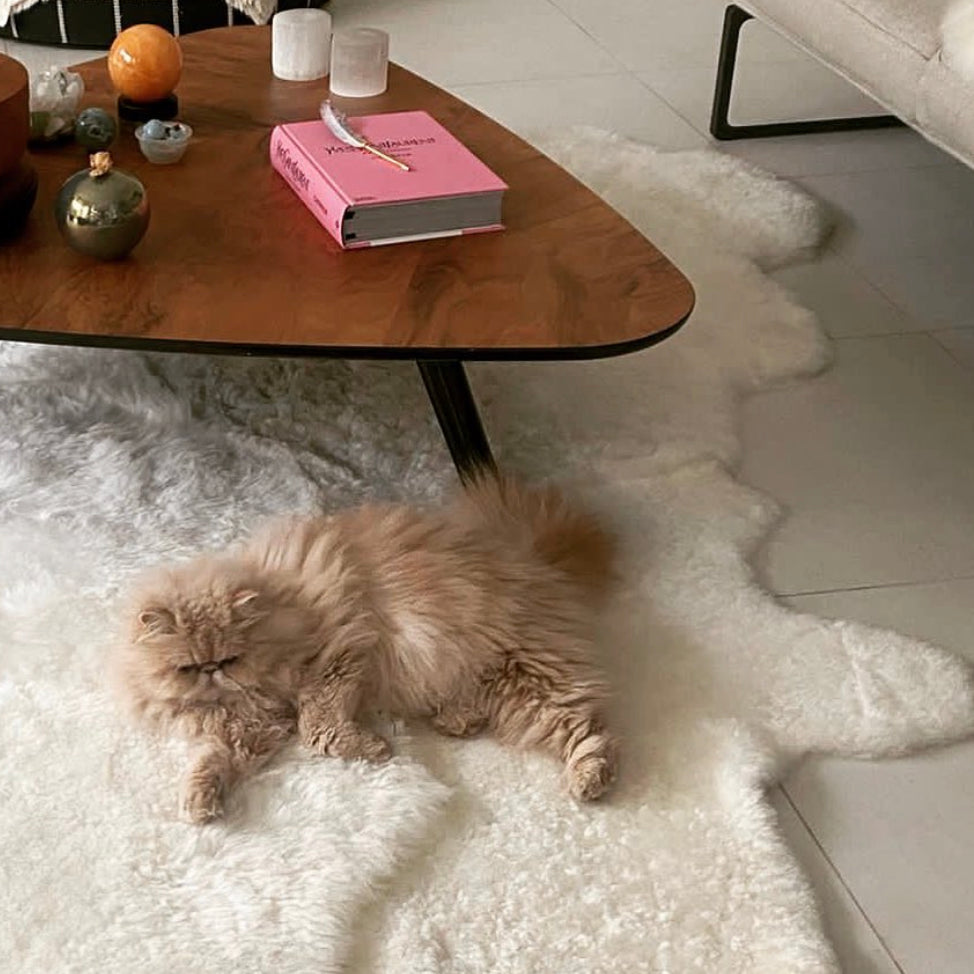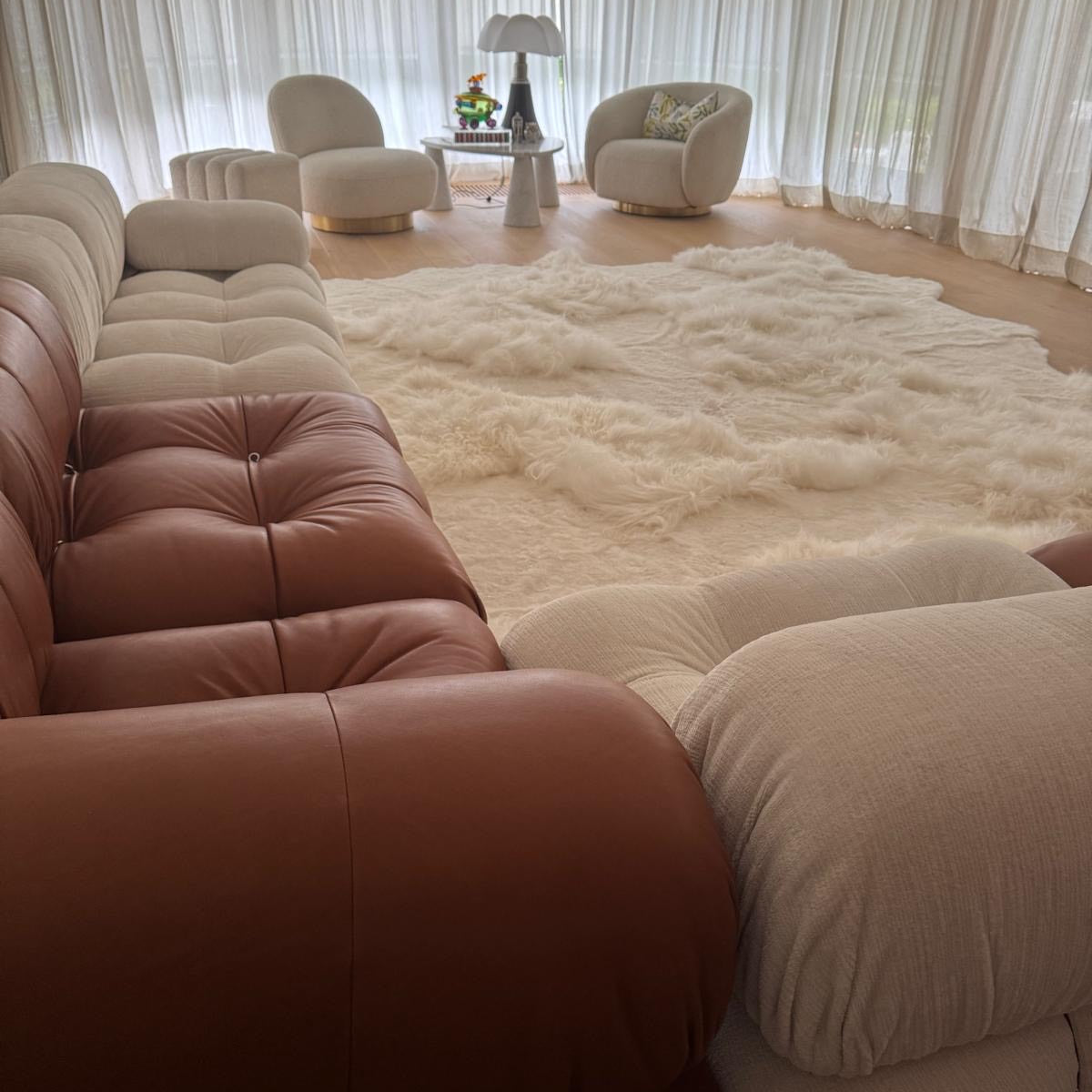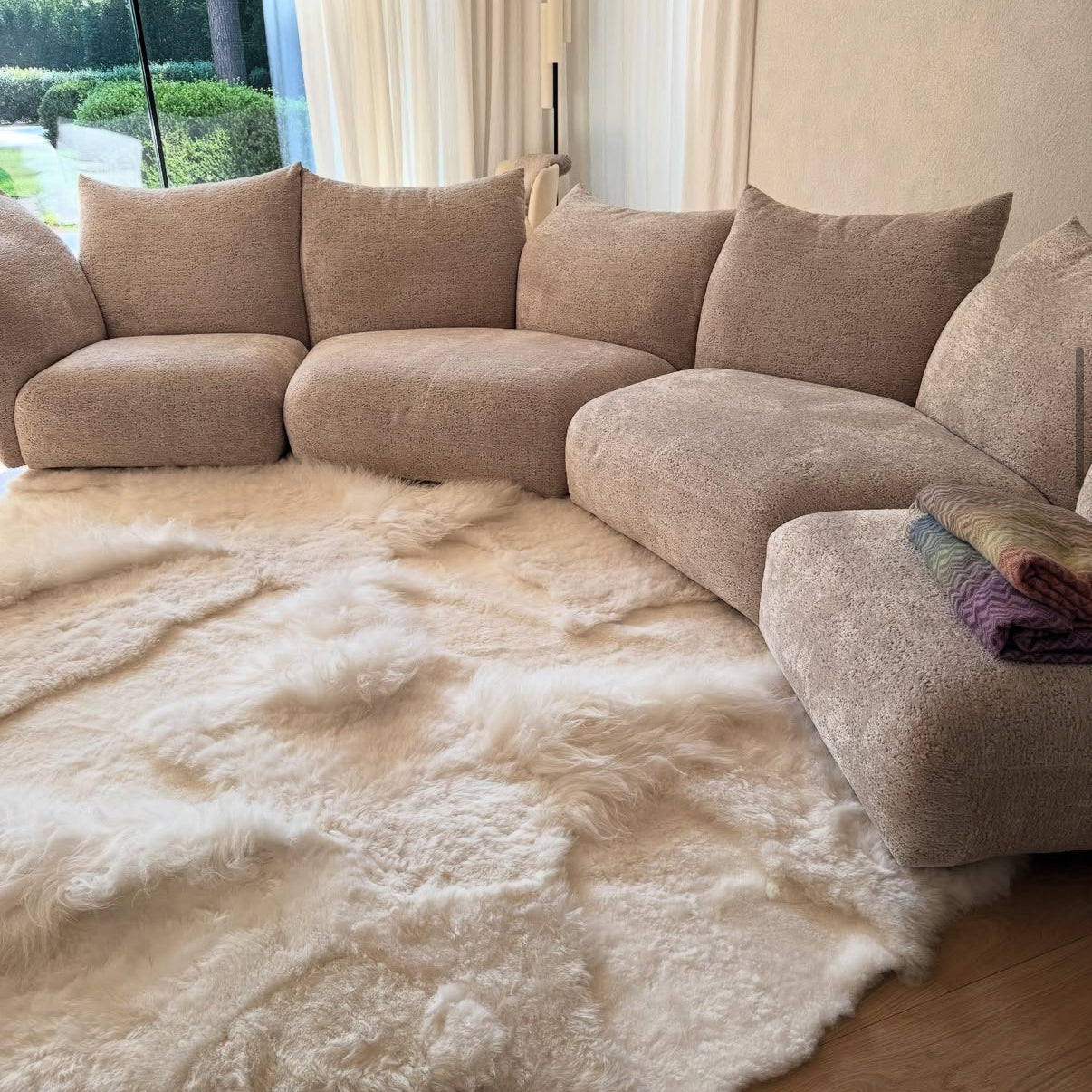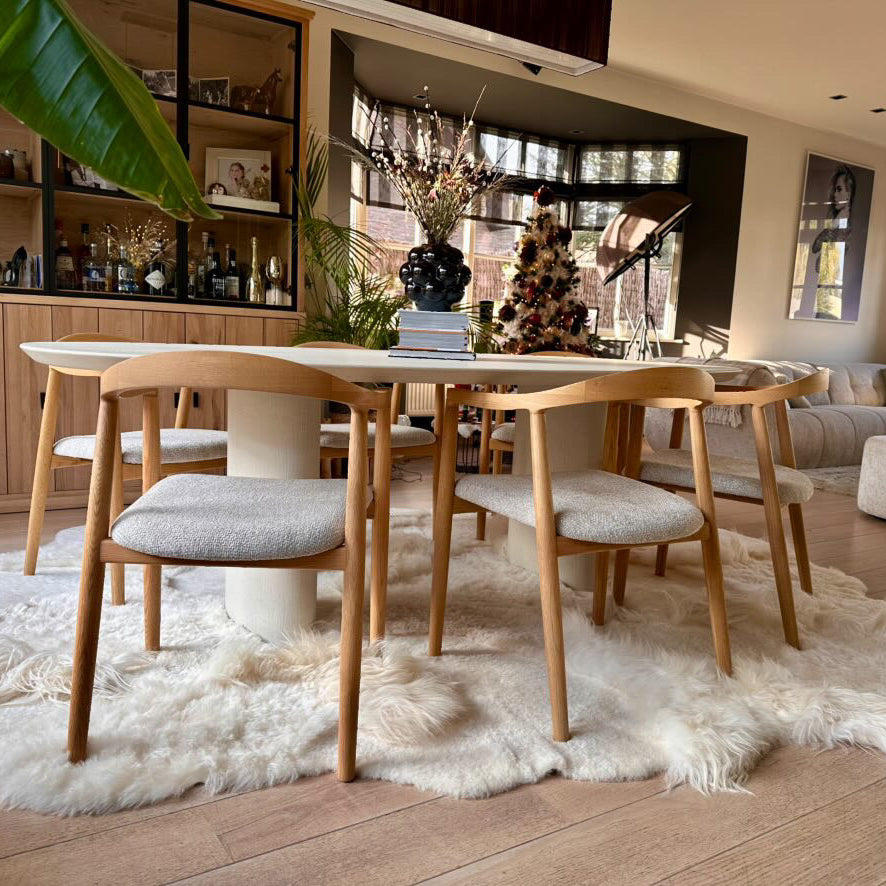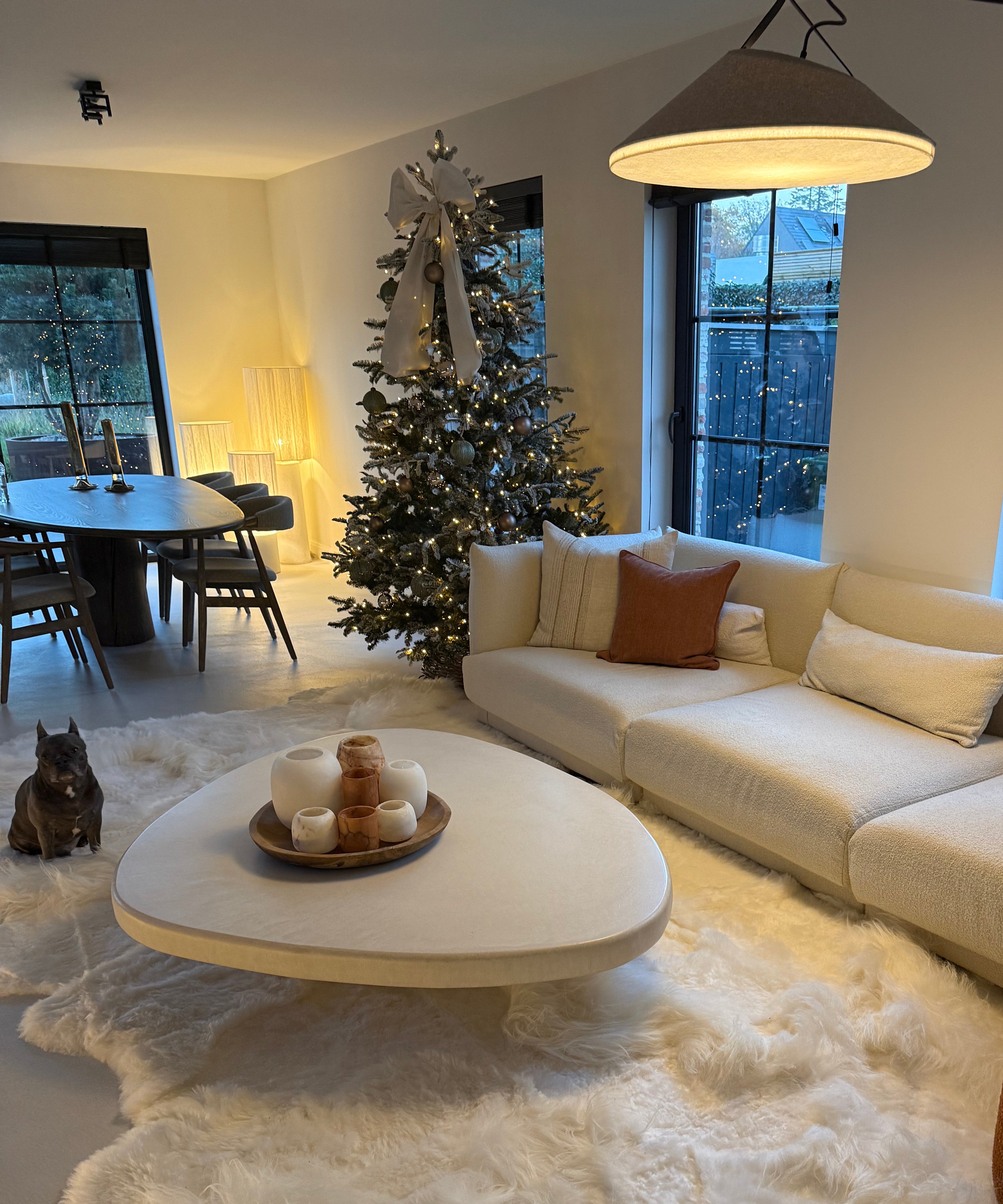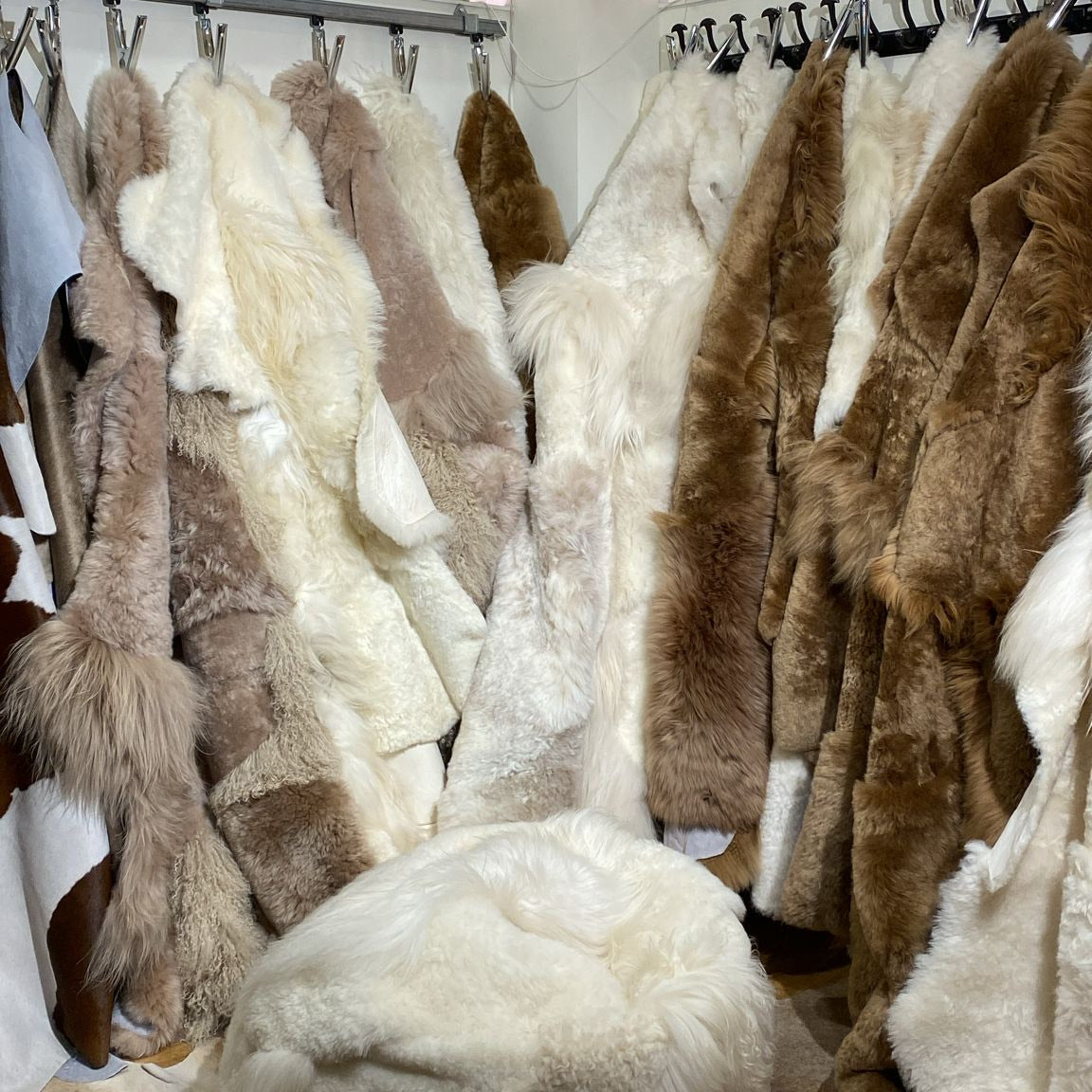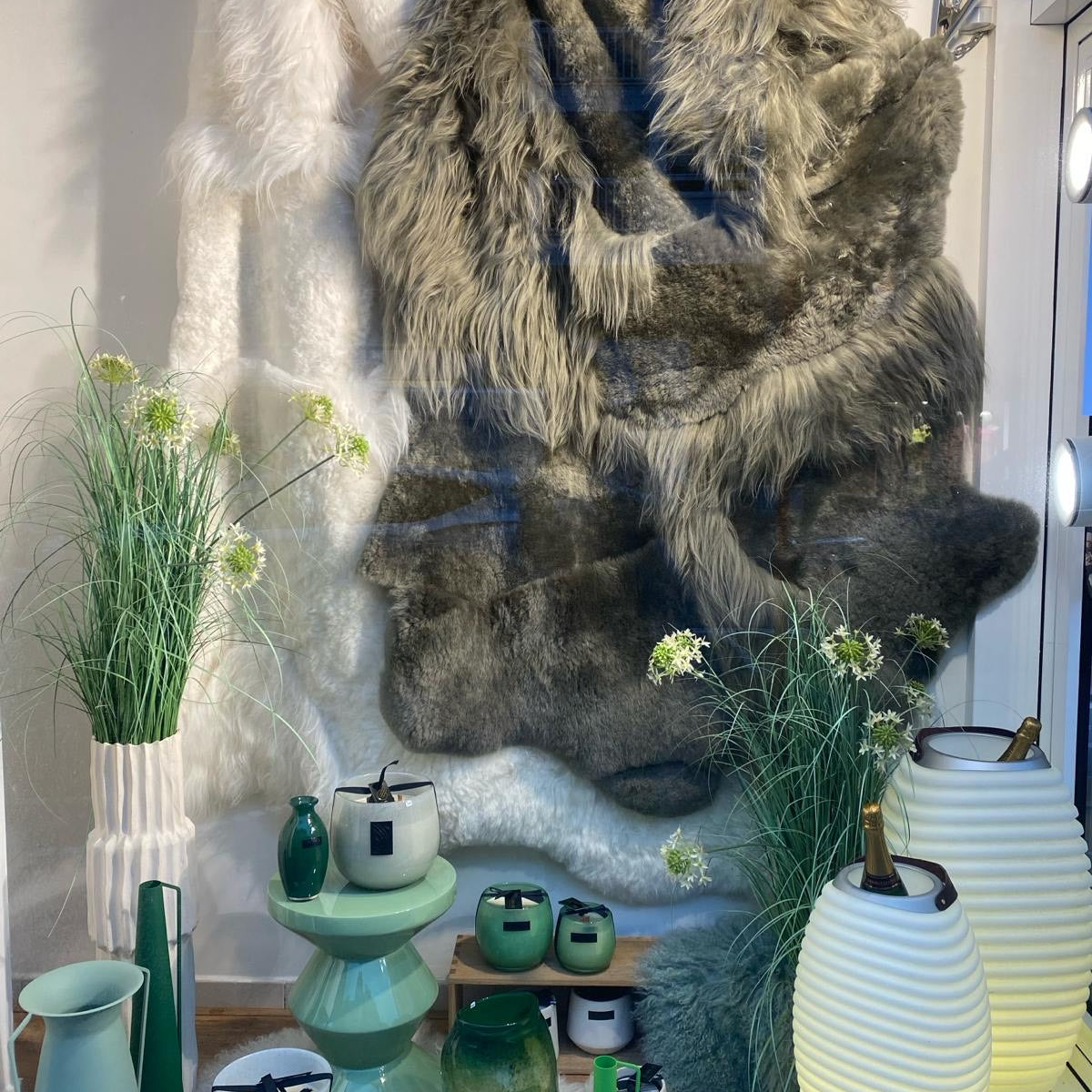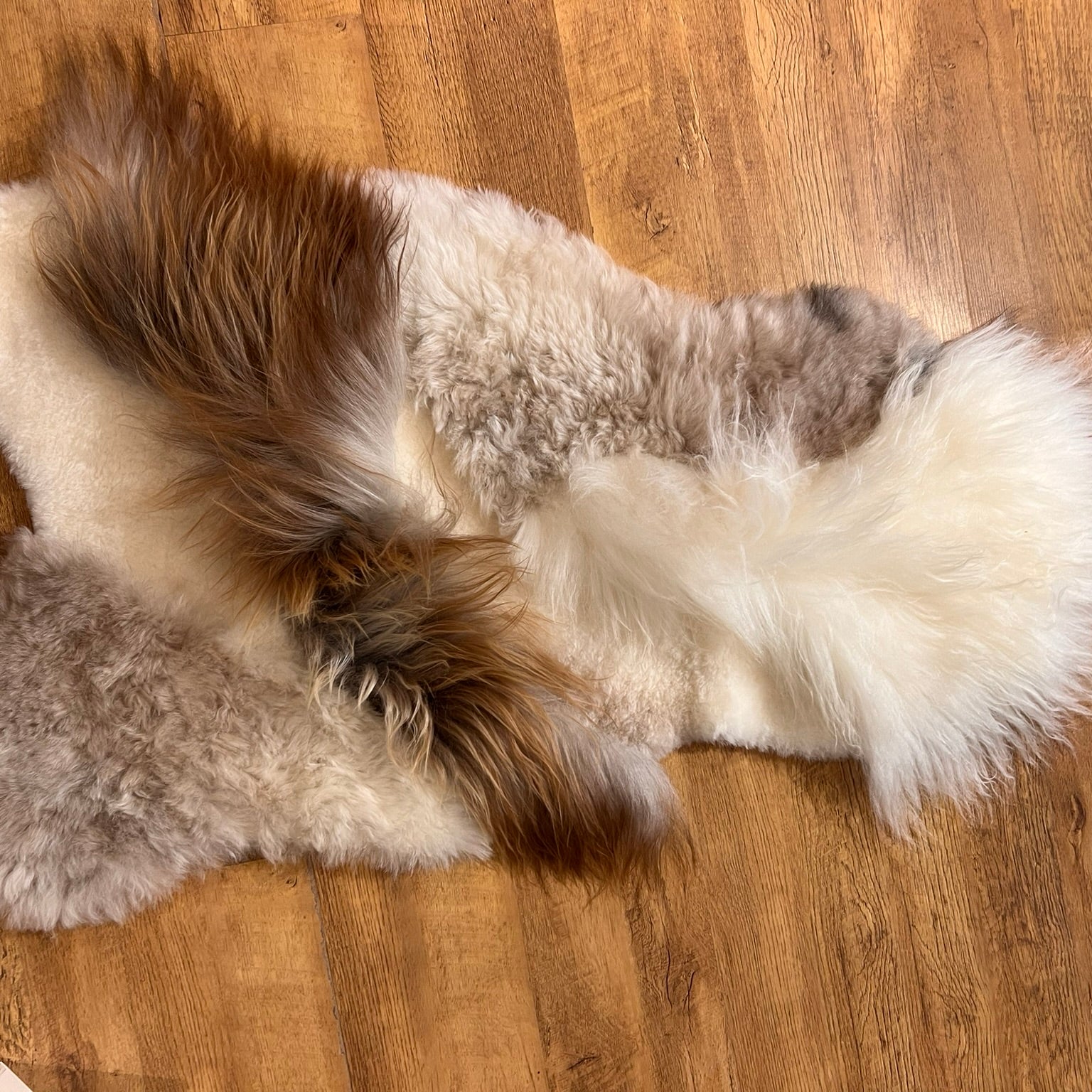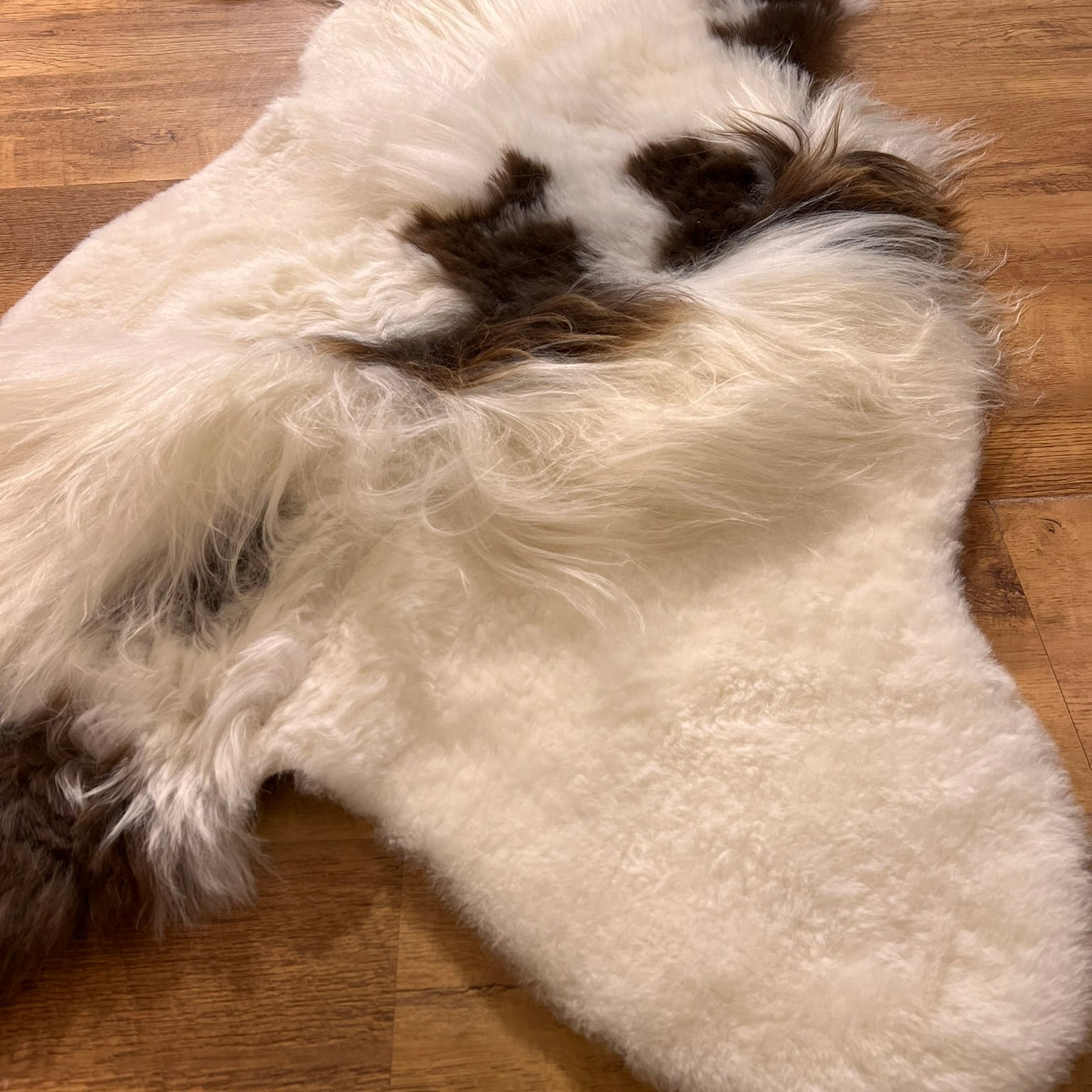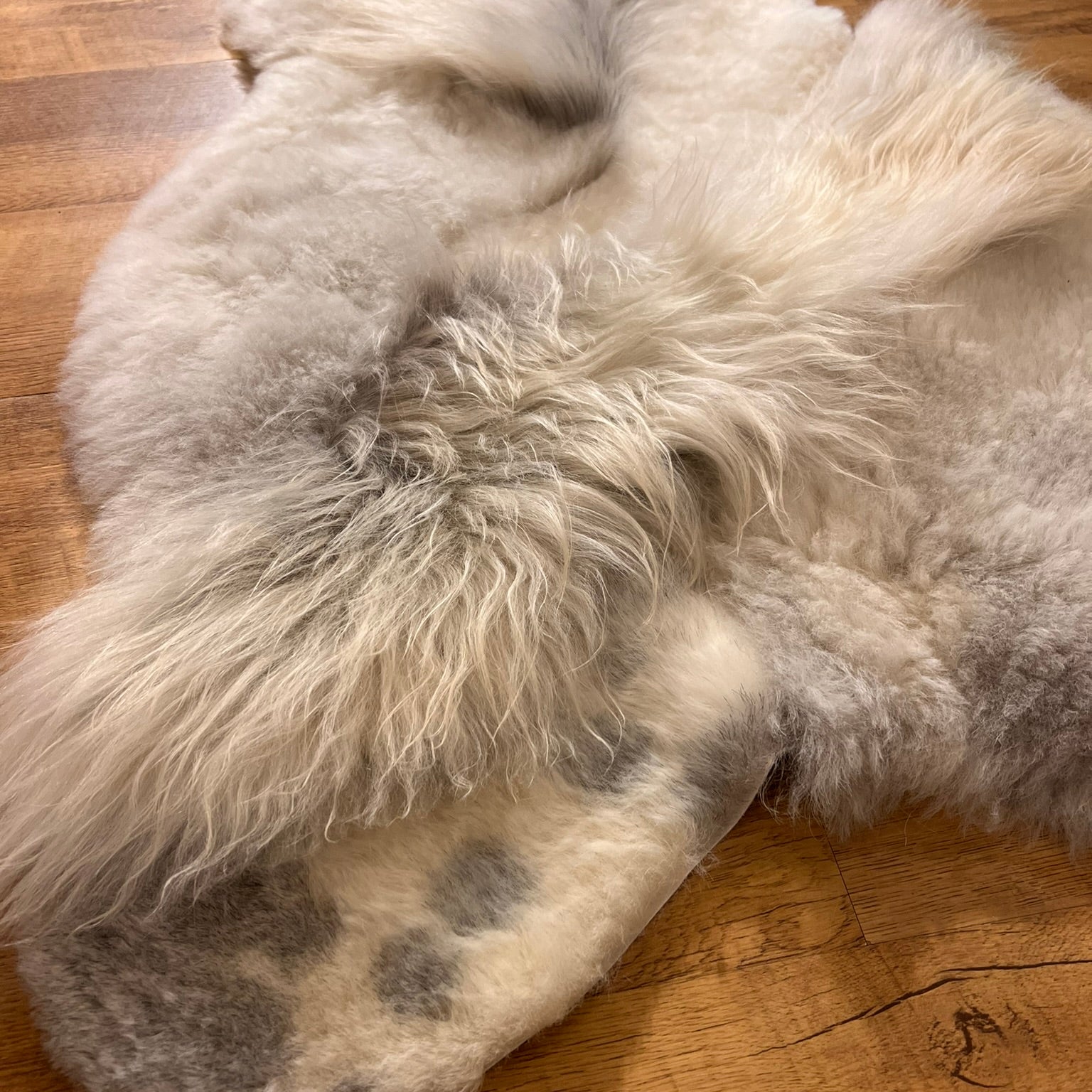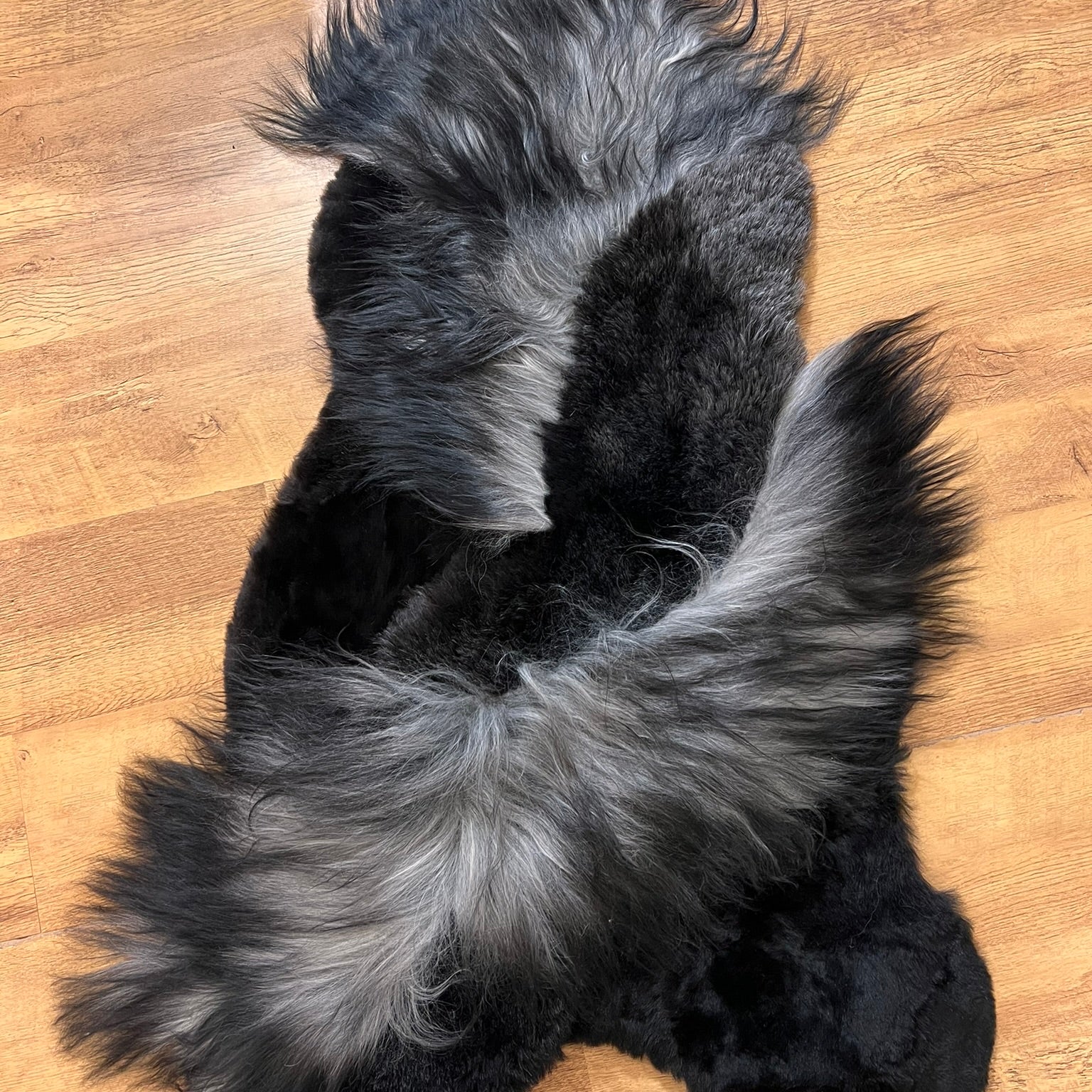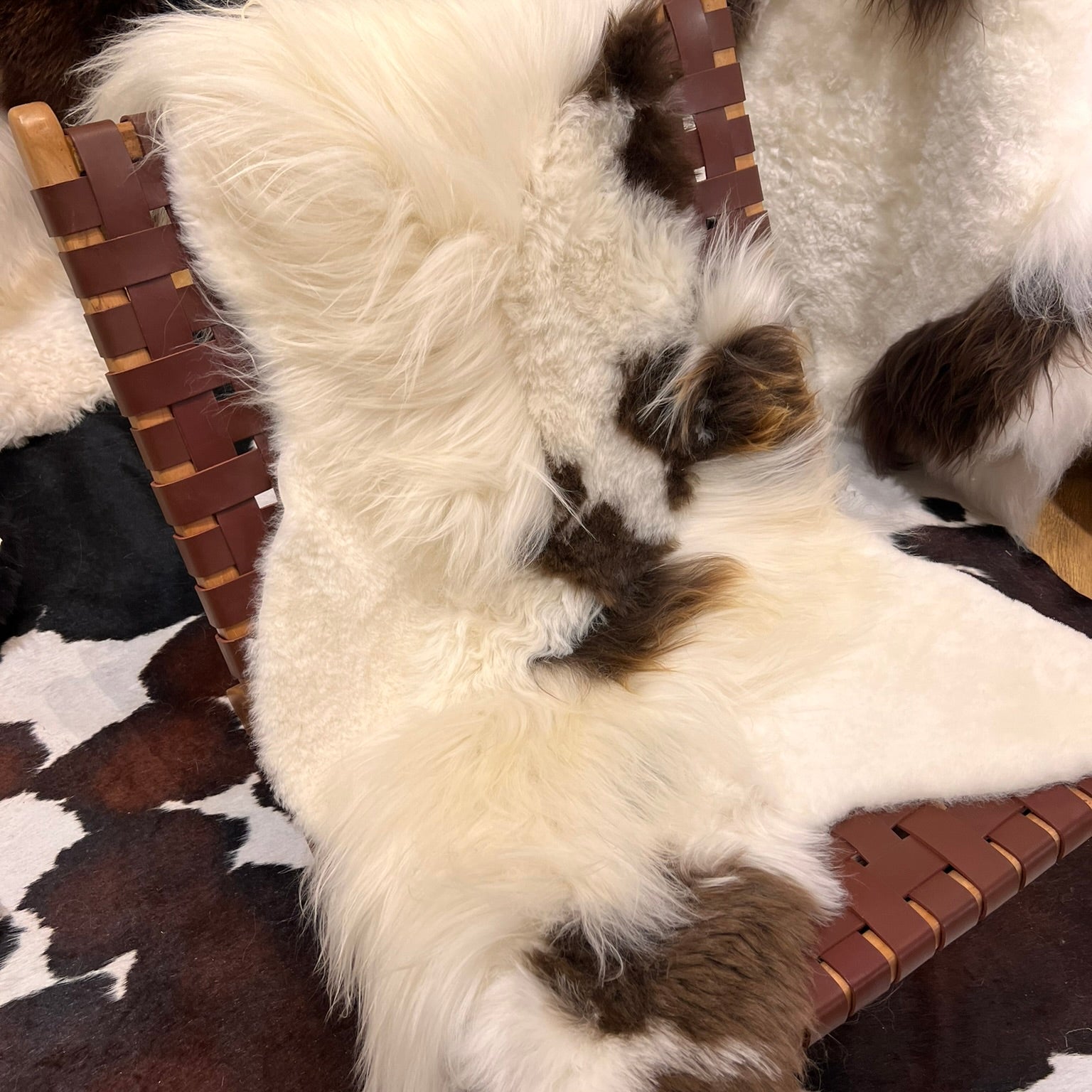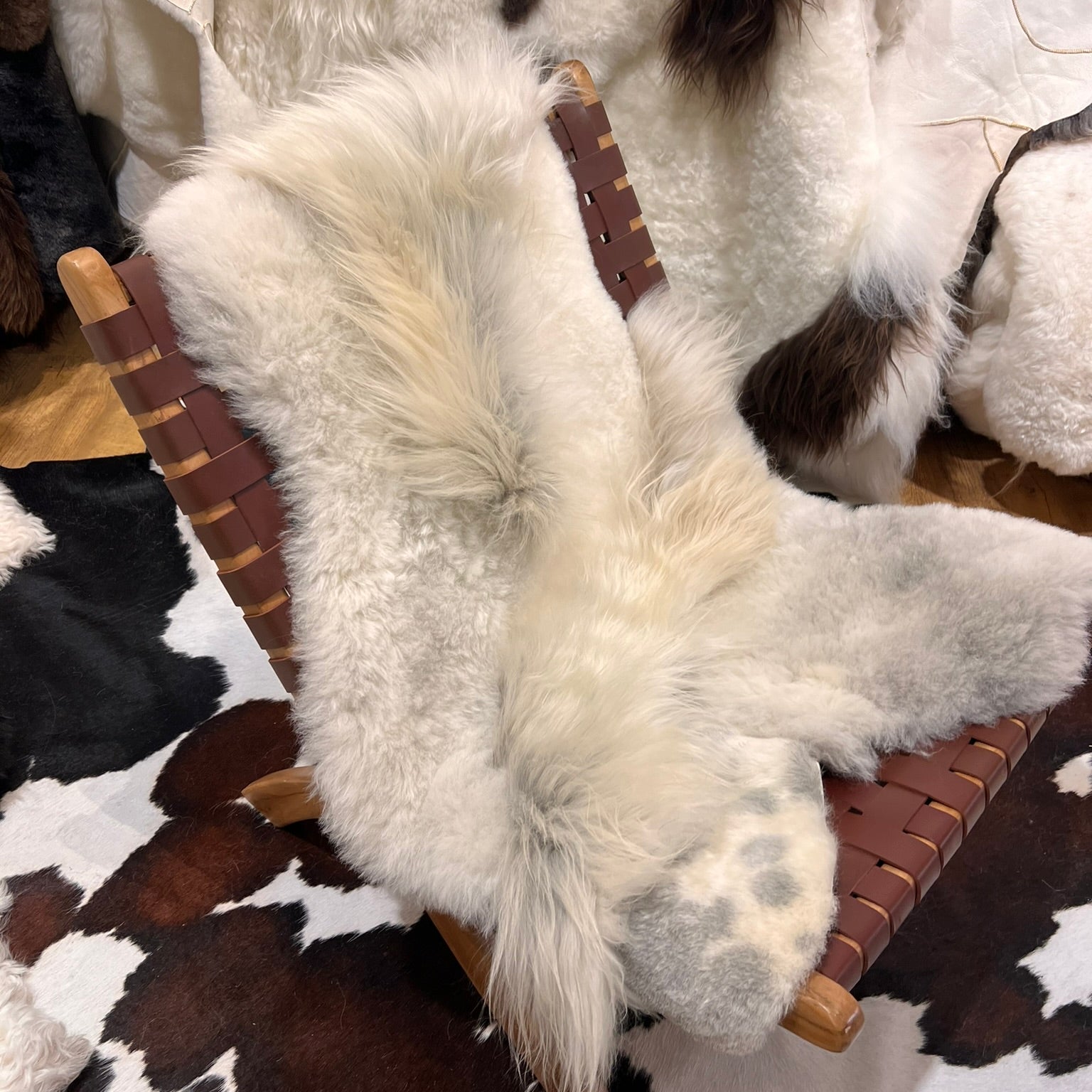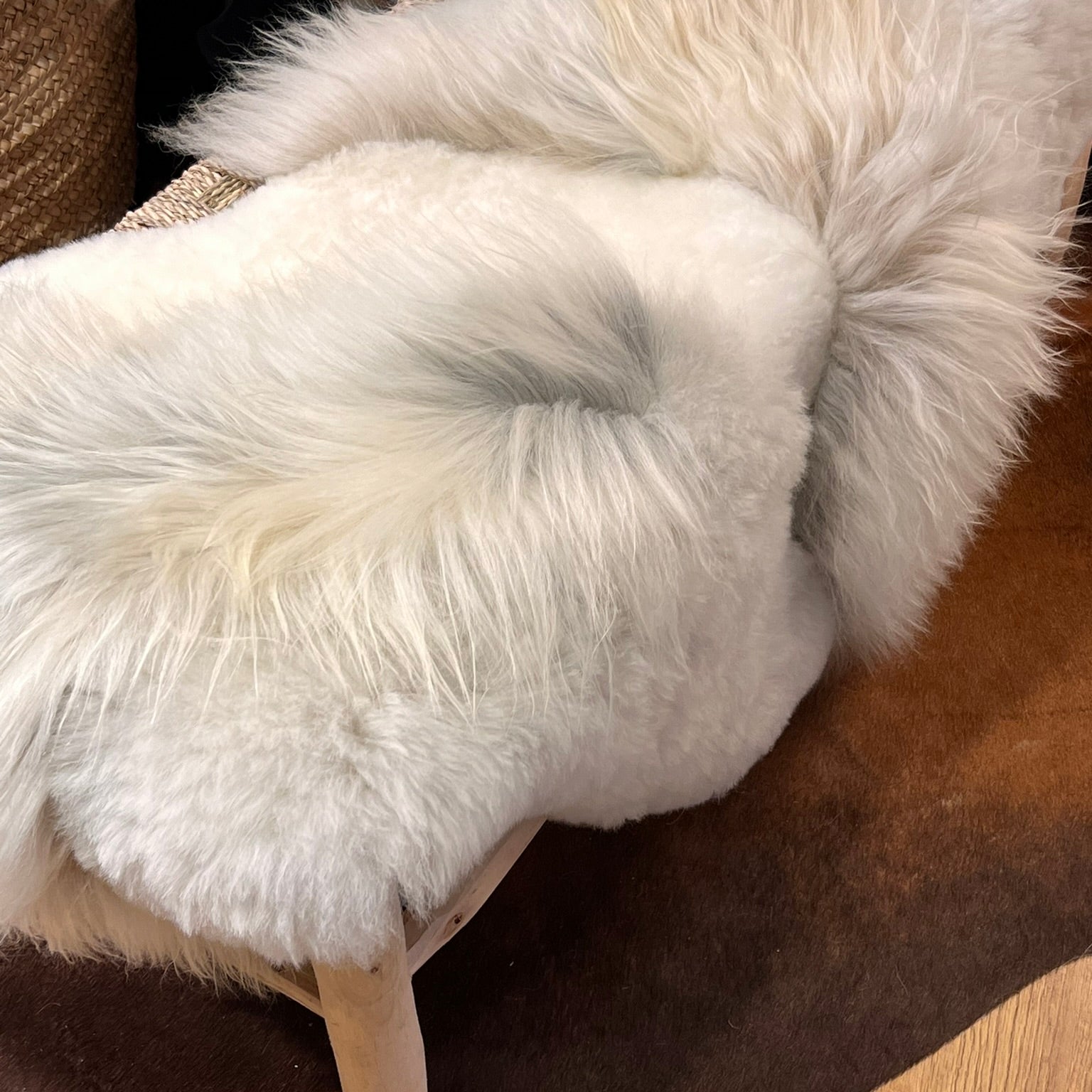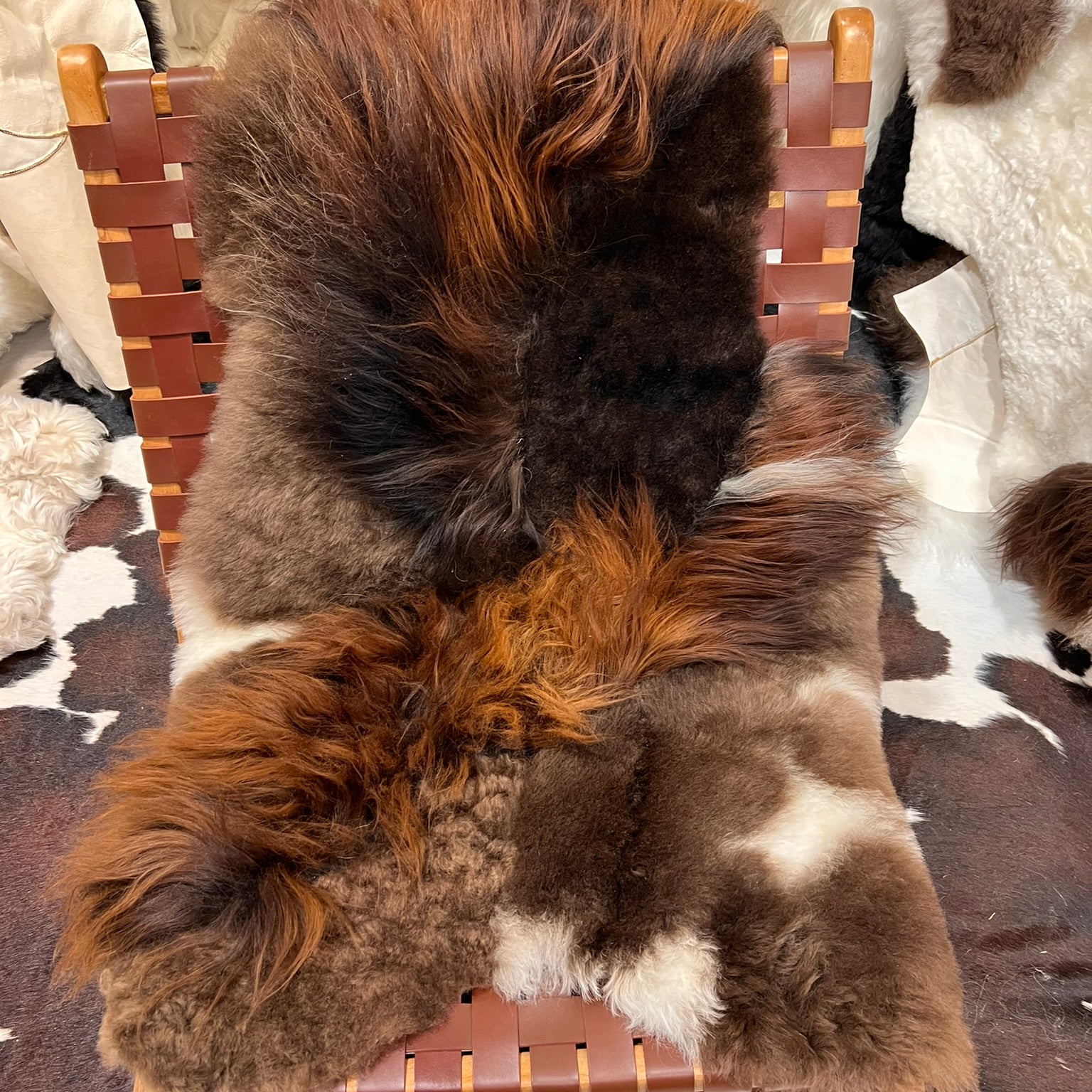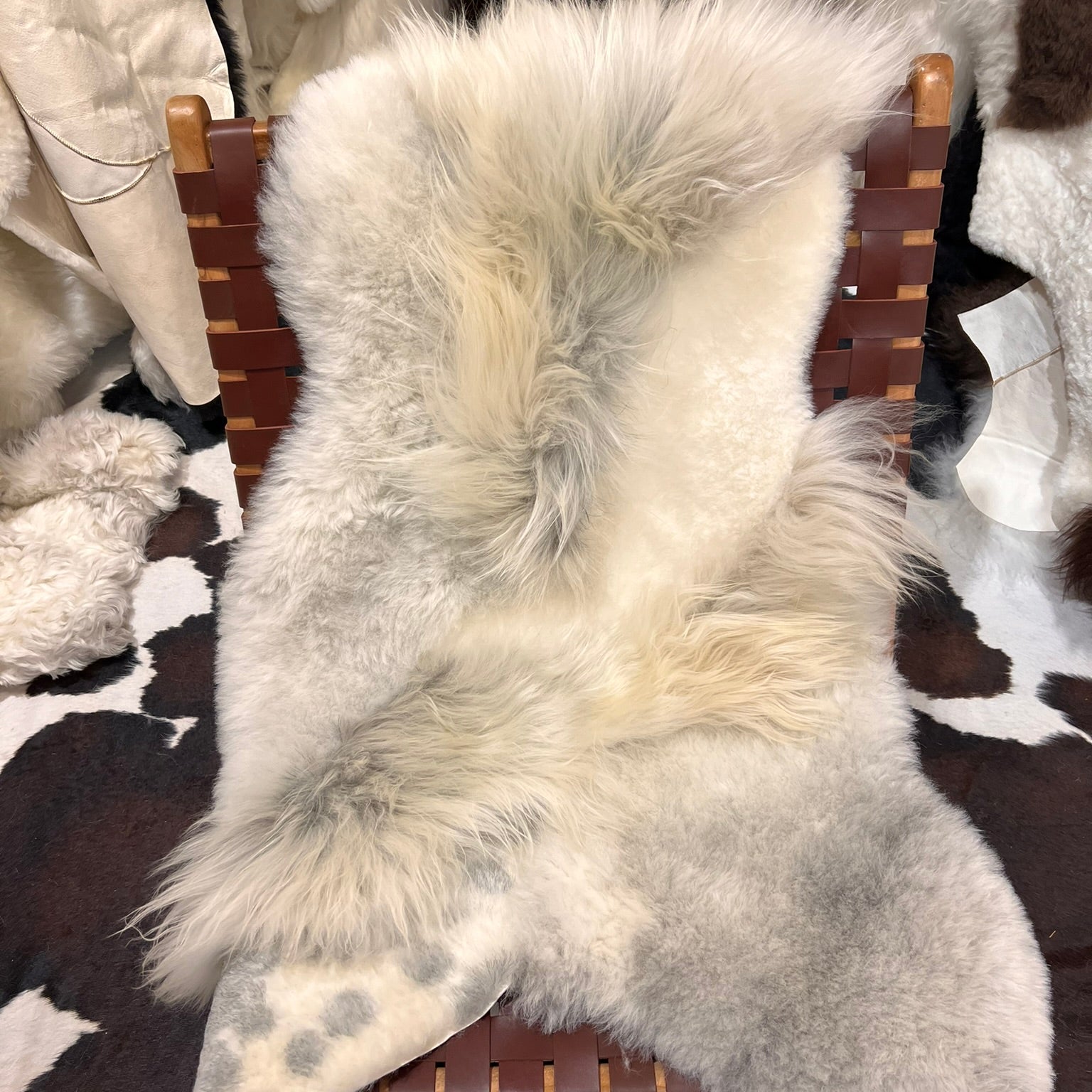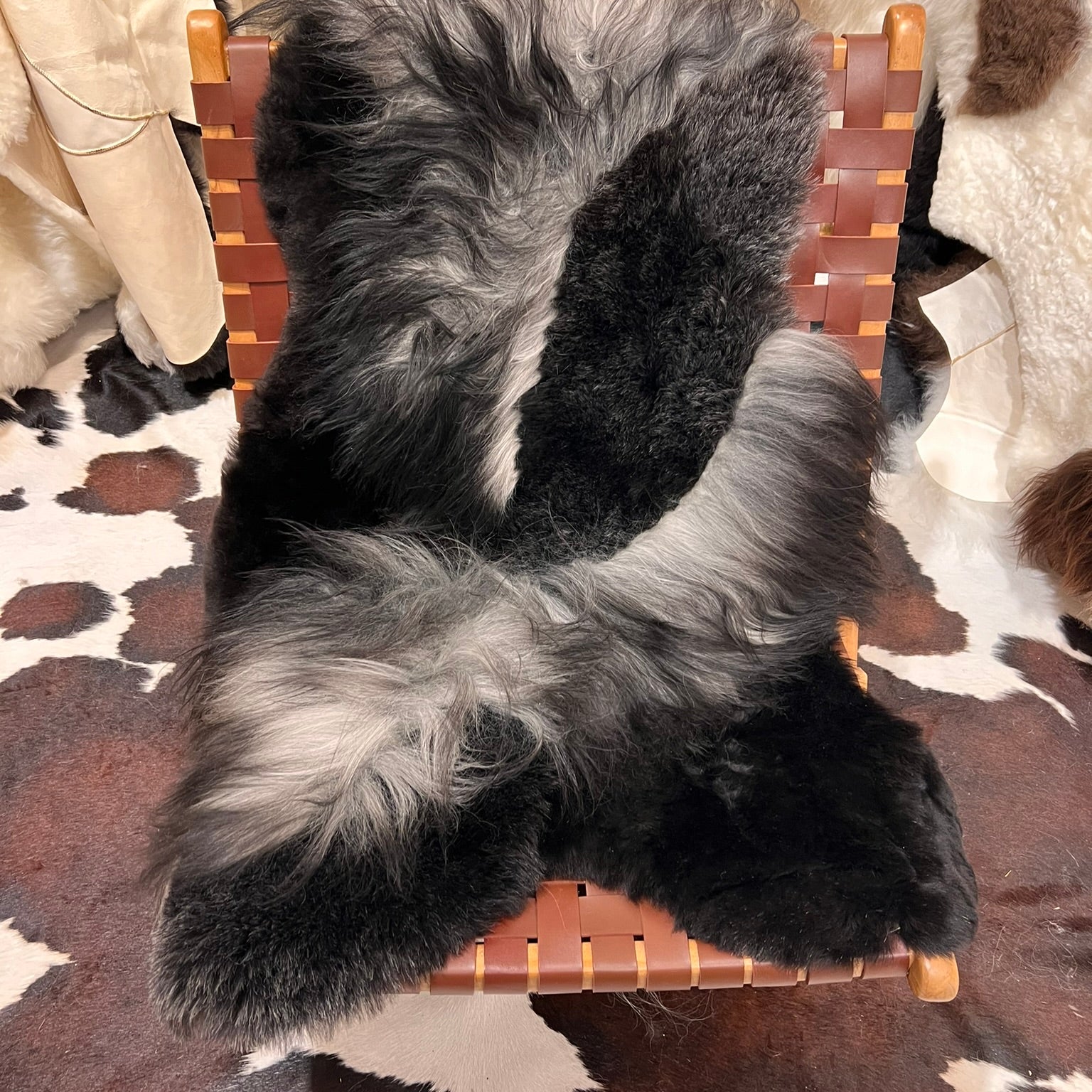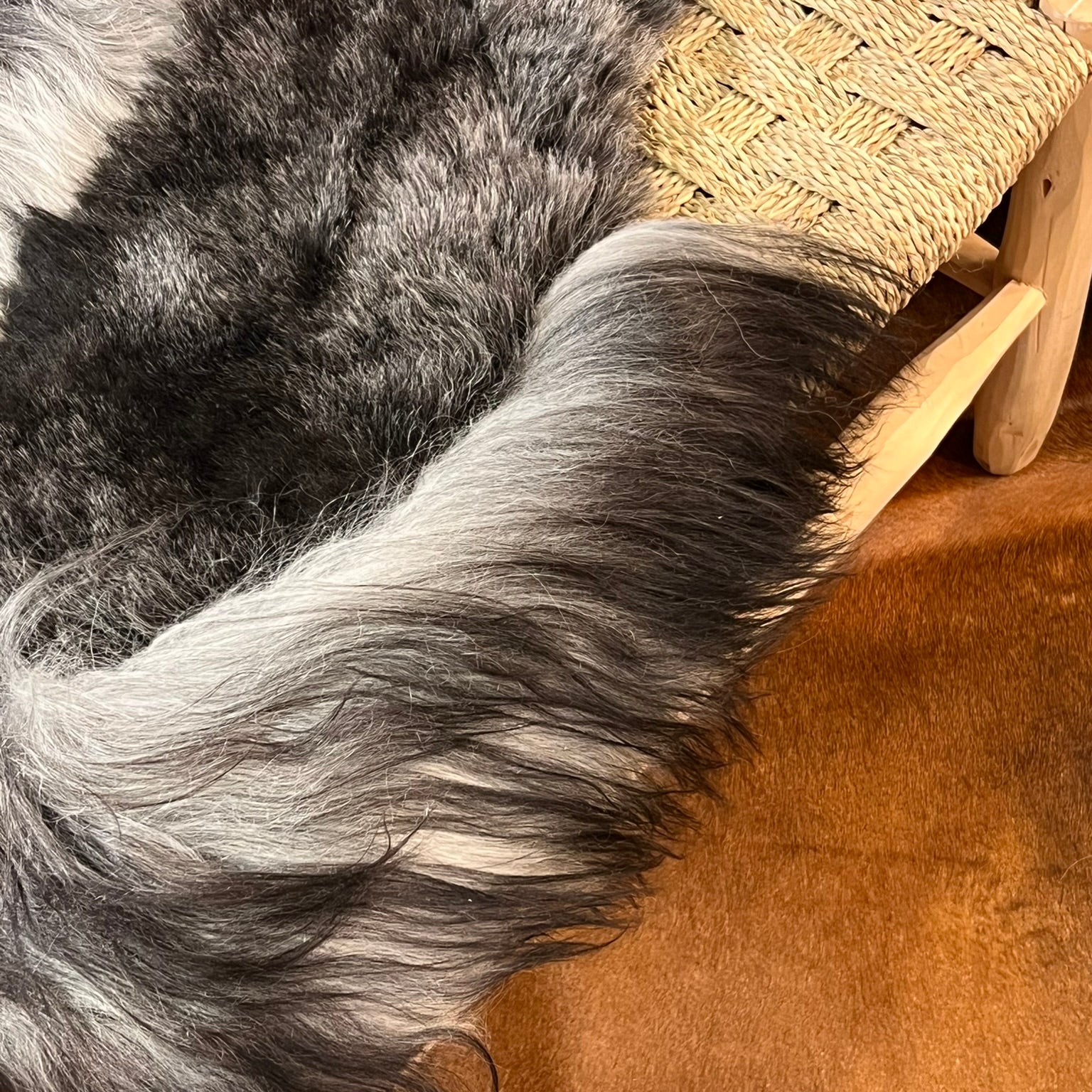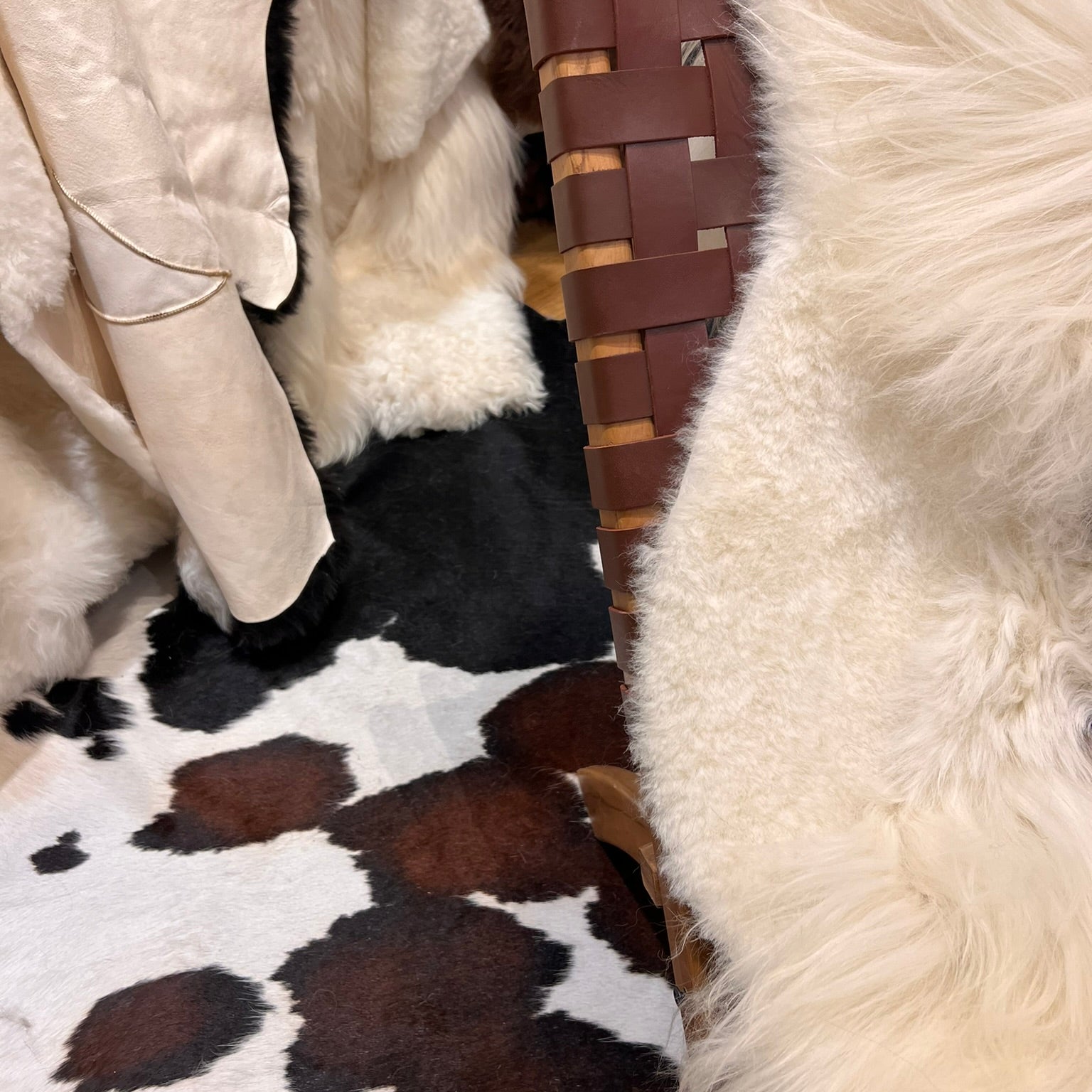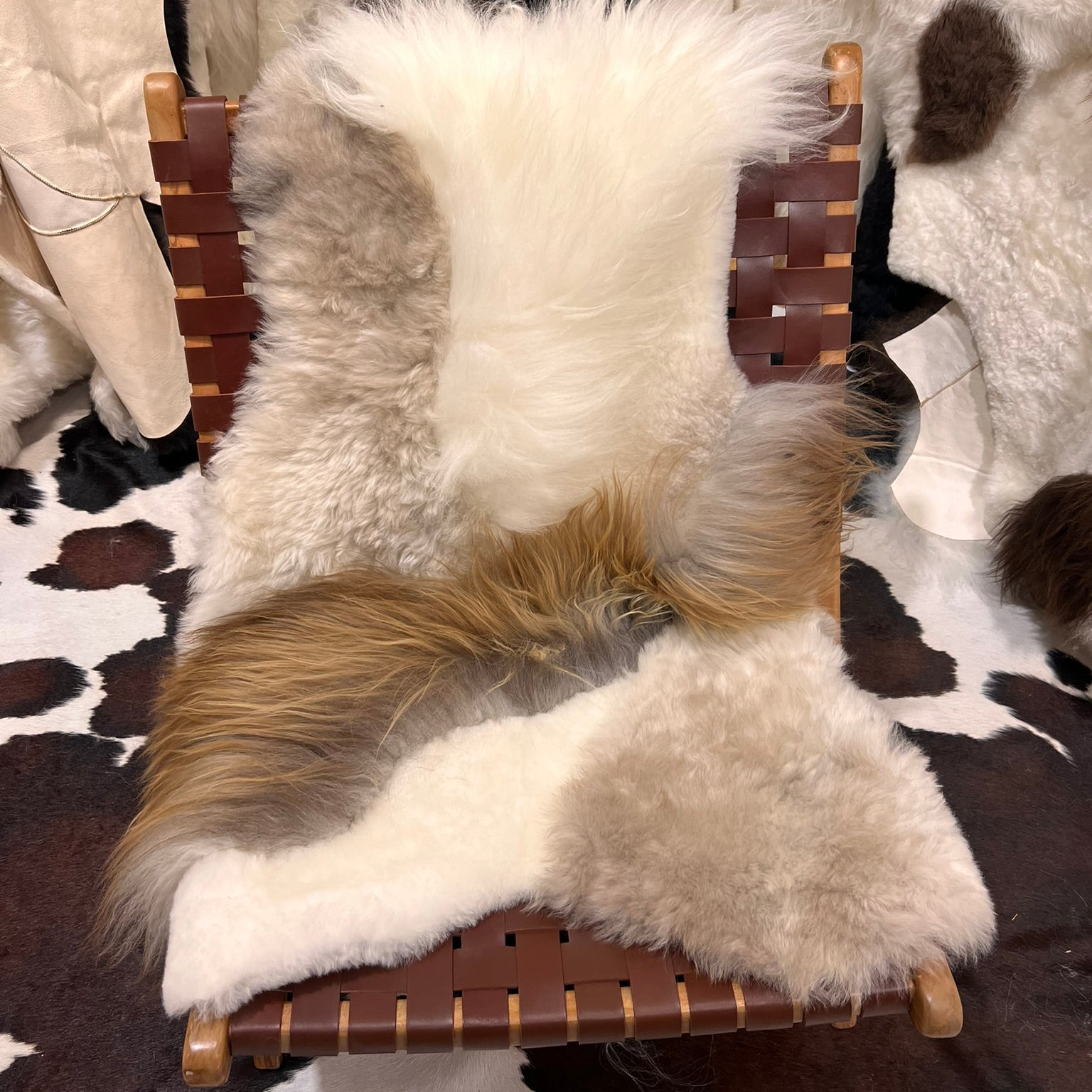

Short answer: a Monroe rug is sustainable in three ways: the skins are a by-product of livestock farming and are tanned chrome-free and ecologically in Europe (REACH-compliant); the rug contains no plastics and is fully biodegradable; and thanks to handwork, gold thread and lifetime service it lasts for decades instead of being replaced.
The problem with conventional chrome tanning
Most leather worldwide is tanned with chromium(III) salts. Efficient and cheap, but the wastewater is polluting and under certain conditions toxic, carcinogenic chromium(VI) can form. That is why the European Union has, since 2015 (REACH, Annex XVII), limited the chromium(VI) content of leather articles that come into contact with the skin to a maximum of 3 mg/kg.
Our choice: chrome-free and ecological
- Chrome-free tanning with vegetable tannins and modern chrome-free tanning agents, without heavy metals.
- European tanneries that work under the REACH regulation and treat their wastewater.
- Natural finishing with oils and fats, so the skin stays supple and the lanolin is preserved.
- Every skin is checked before it enters our workshop.
A rug without plastic
Many patchwork rugs have a synthetic anti-slip backing or are stitched with man-made fibre. Not ours: fleece, leather and thread, nothing more. That makes the difference at the end of its life. A study in Water, Air & Soil Pollution (Collie et al., 2024) showed that wool clearly degrades in seawater, while polyester, nylon and polypropylene showed virtually no degradation. In soil, according to the International Wool Textile Organisation, wool largely breaks down within about six months under favourable conditions, returning nitrogen and sulphur to the ground.
Sustainable above all means: lasting long
The most sustainable purchase is one you never have to replace. That is why we stitch with gold thread, repair free of charge in our own workshop and offer lifetime service. A Monroe rug typically lasts 15 to 25 years — often longer than the sofa standing on it.
Honest about what we don’t claim
Sheepskin remains an animal product and tanning remains a process that uses water and energy. What we can guarantee: no chrome, no plastics, European processing, a by-product of existing livestock farming and a product that returns to nature at the end of its life.
What does a Monroe rug cost?
A white or off-white patchwork rug costs €529 (125 × 185 cm) to €2,880 (305 × 405 cm). A Melange starts at €629, a Coloured rug at €649; the rare light brown runs up to €3,699 for 300 × 400 cm. Bespoke on request, free delivery in Belgium. If you want to start small: the mini patchwork costs €99 to €119.
Frequently asked questions
What does chrome-free tanned mean?
That no chrome salts were used in tanning, but vegetable tannins or other chrome-free agents. The leather is softer, light in colour and contains no heavy metals.
Is a sheepskin rug biodegradable?
A Monroe rug is: wool and chrome-free leather break down in soil and water; there is no synthetic backing or man-made fibre in it.
Are sheep killed for the skins?
No. The skins are a by-product of livestock farming; without processing into sheepskins they would be waste.
Why is an ecologically tanned rug more expensive?
Chrome-free tanning takes longer and needs more tanning agent and handwork. In return, the rug is free of harmful substances and lasts for years.
Still unsure? Send a photo of your room via WhatsApp and within a day you get a free trial image of the rug in your own interior, no strings attached. Or come and feel it in the shop, Dumortierlaan 115, Knokke. See the rugs · Size guide · Rug Studio