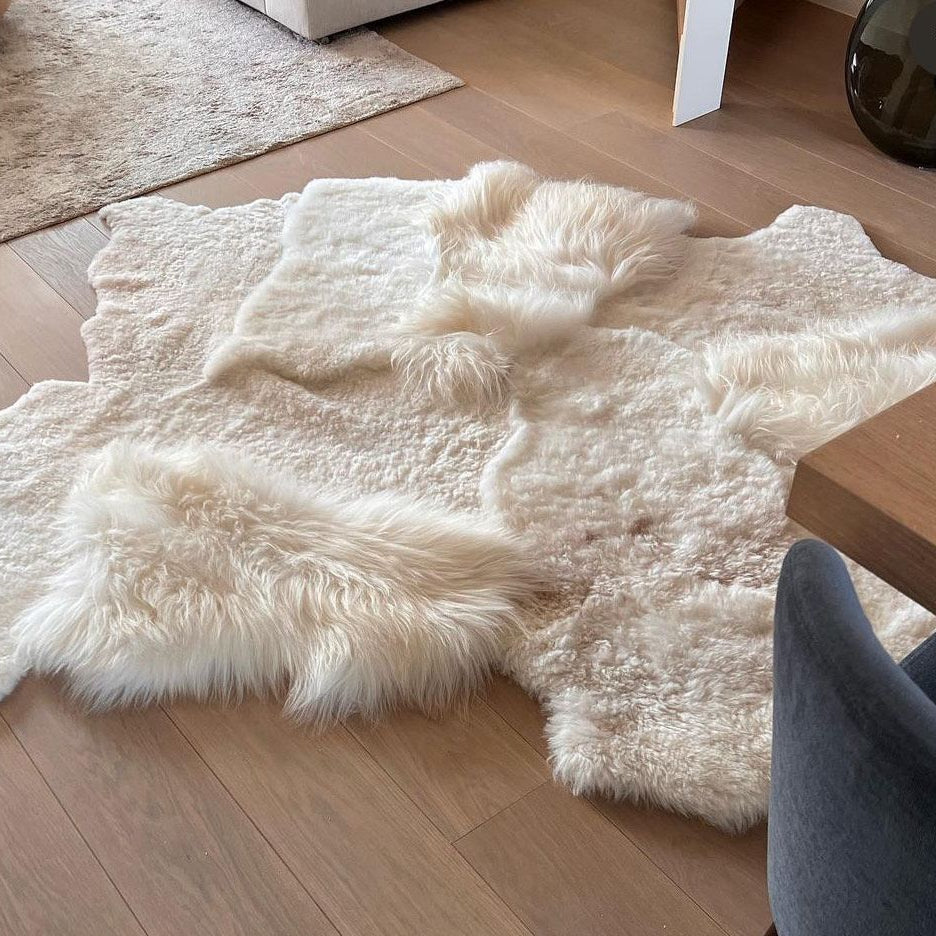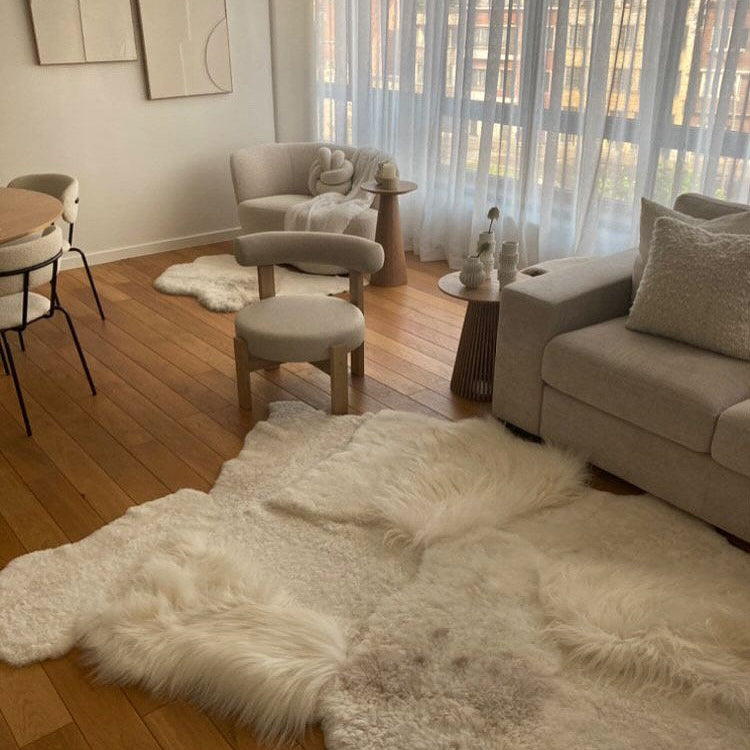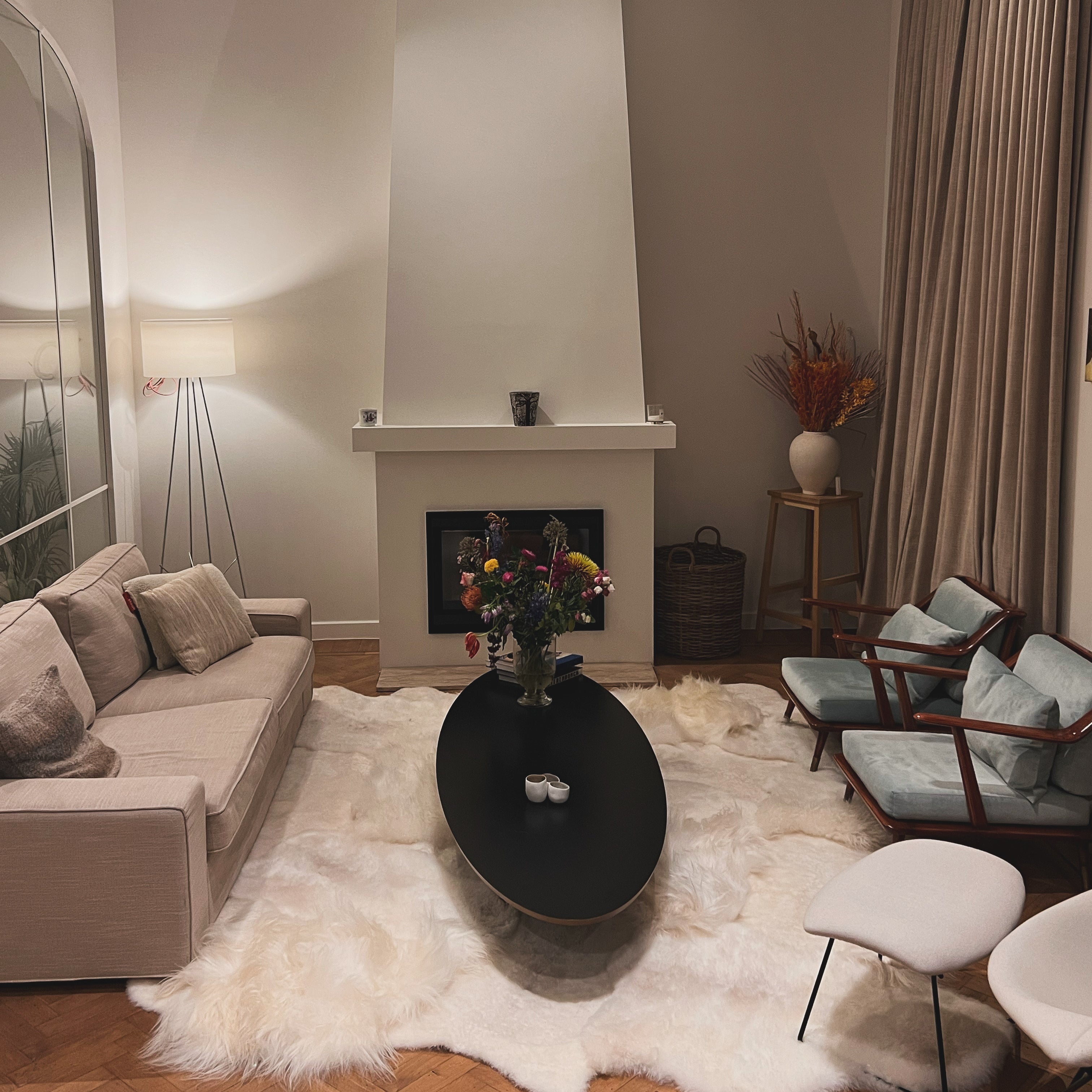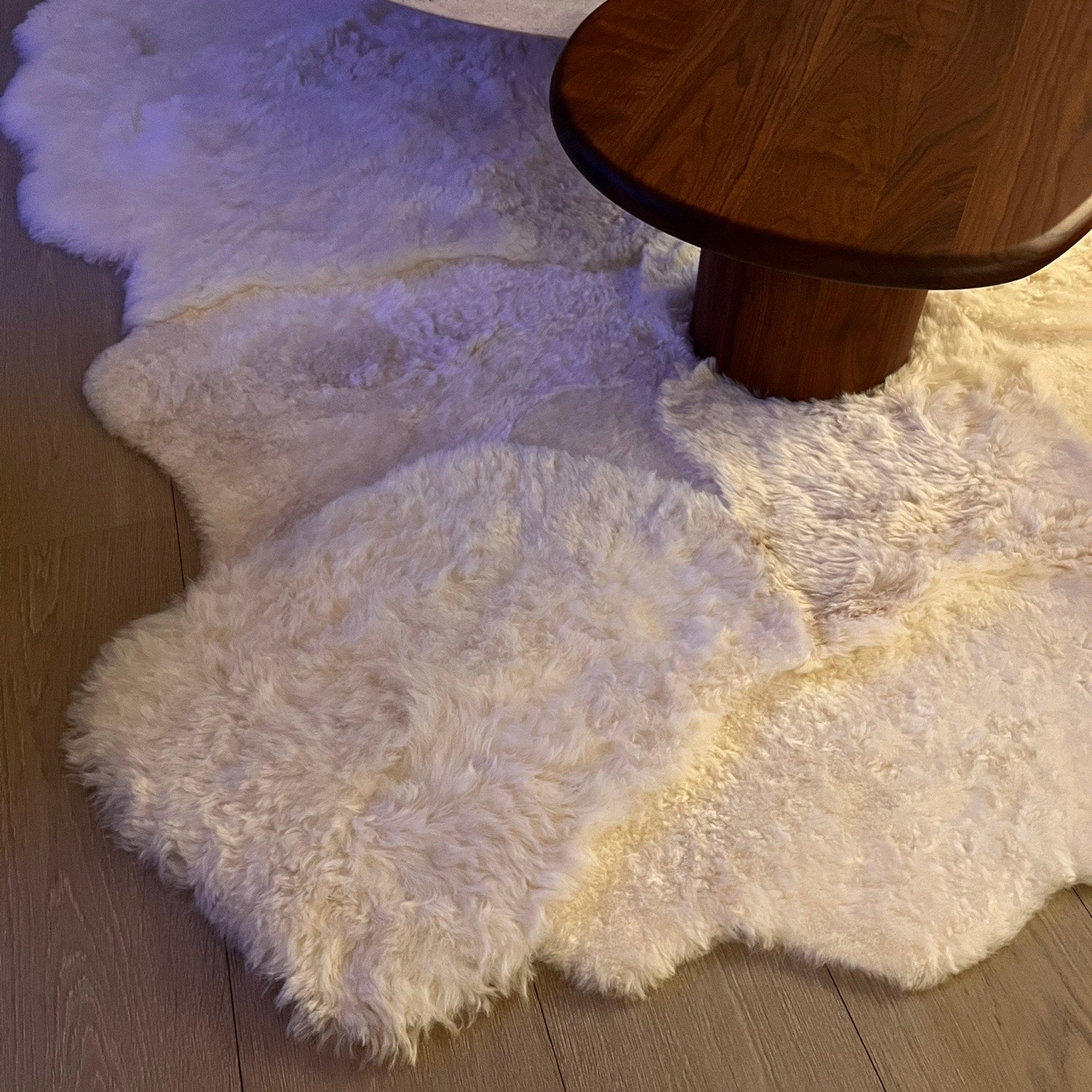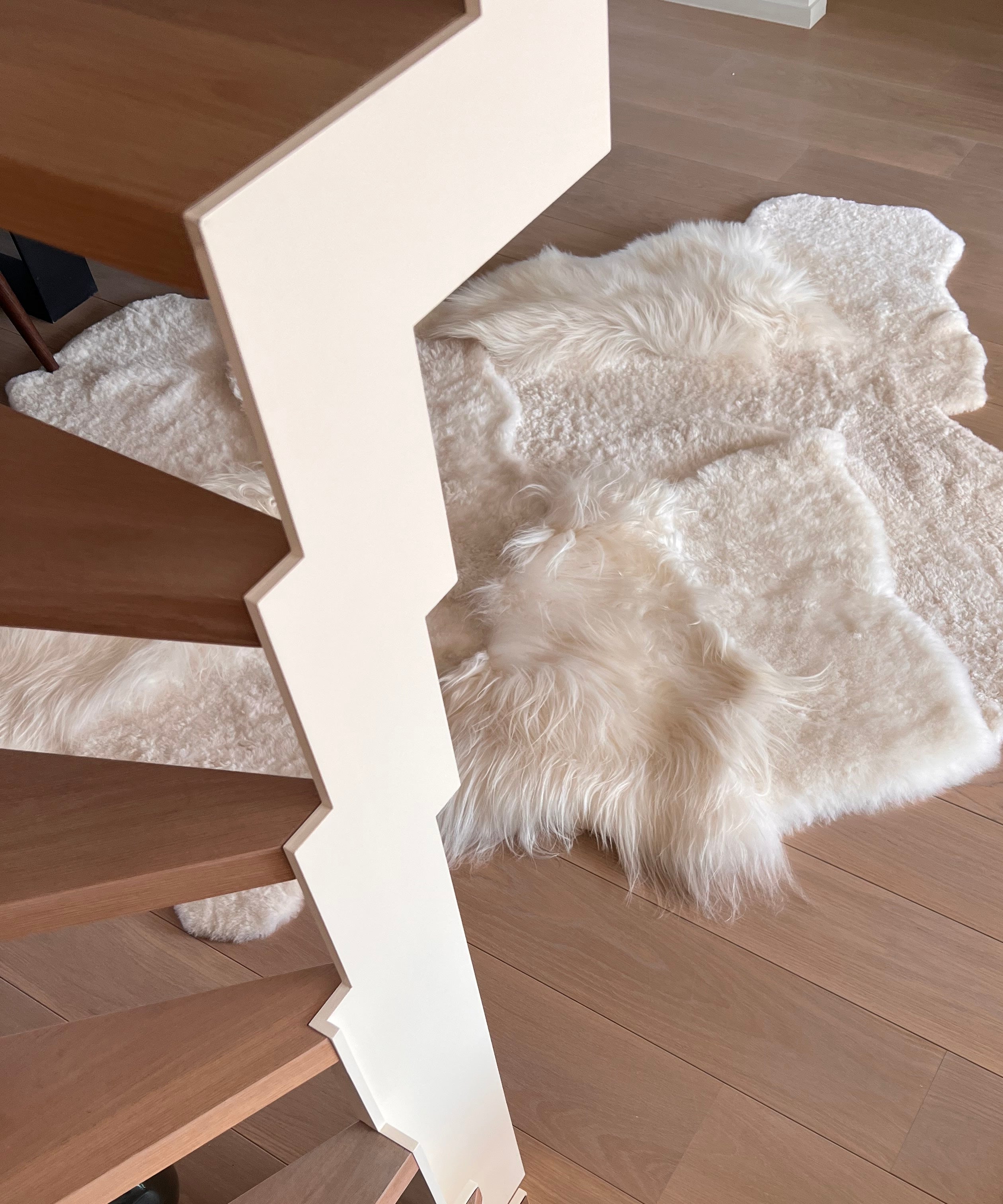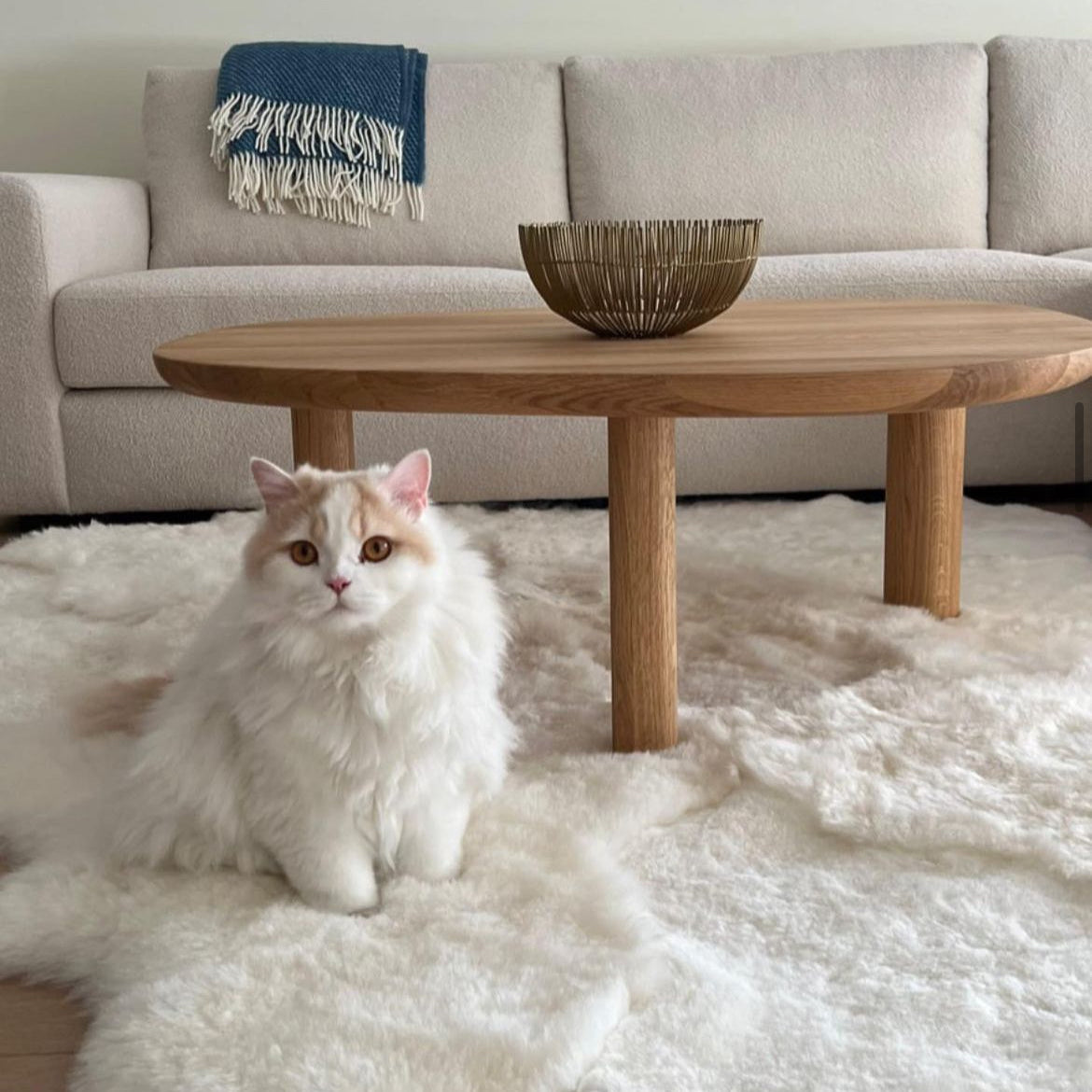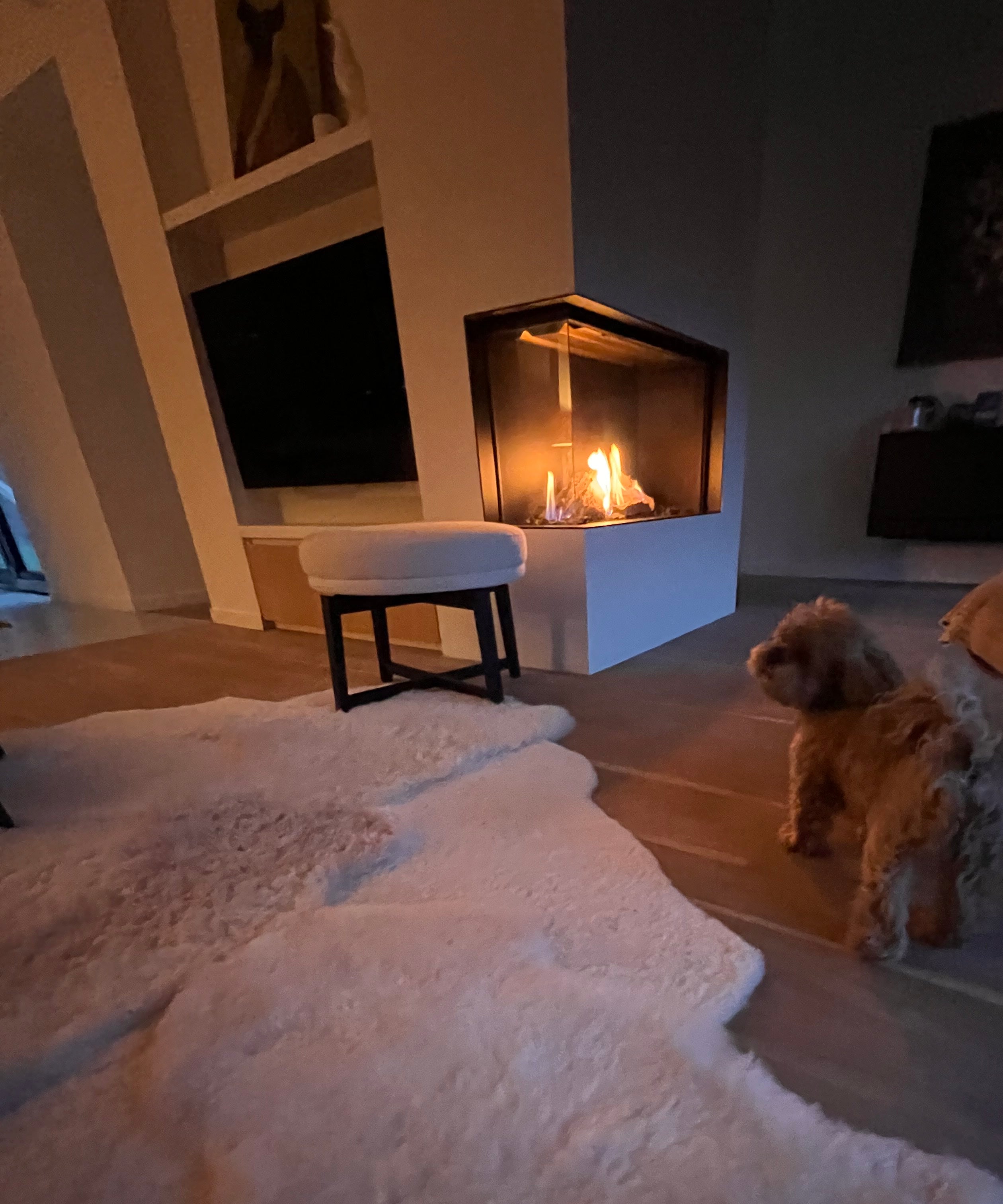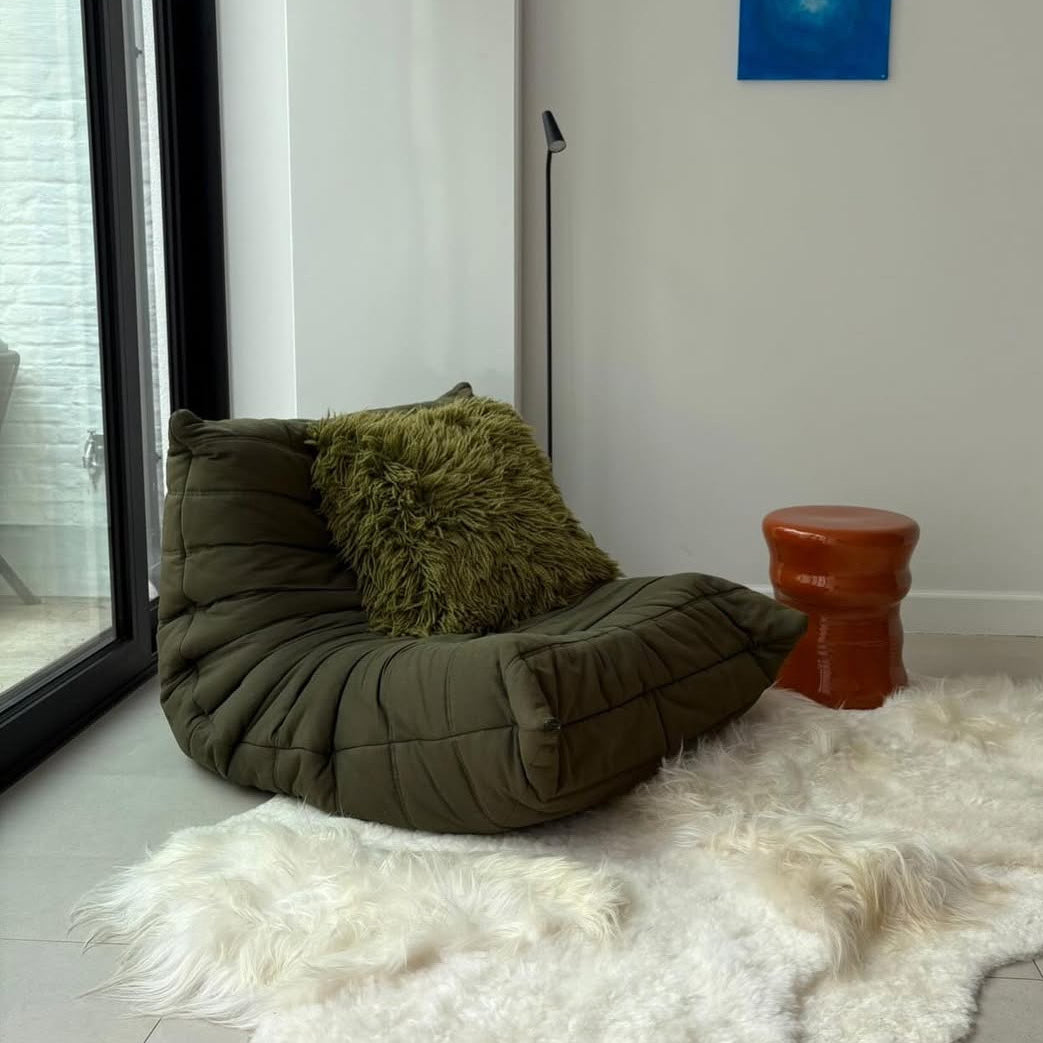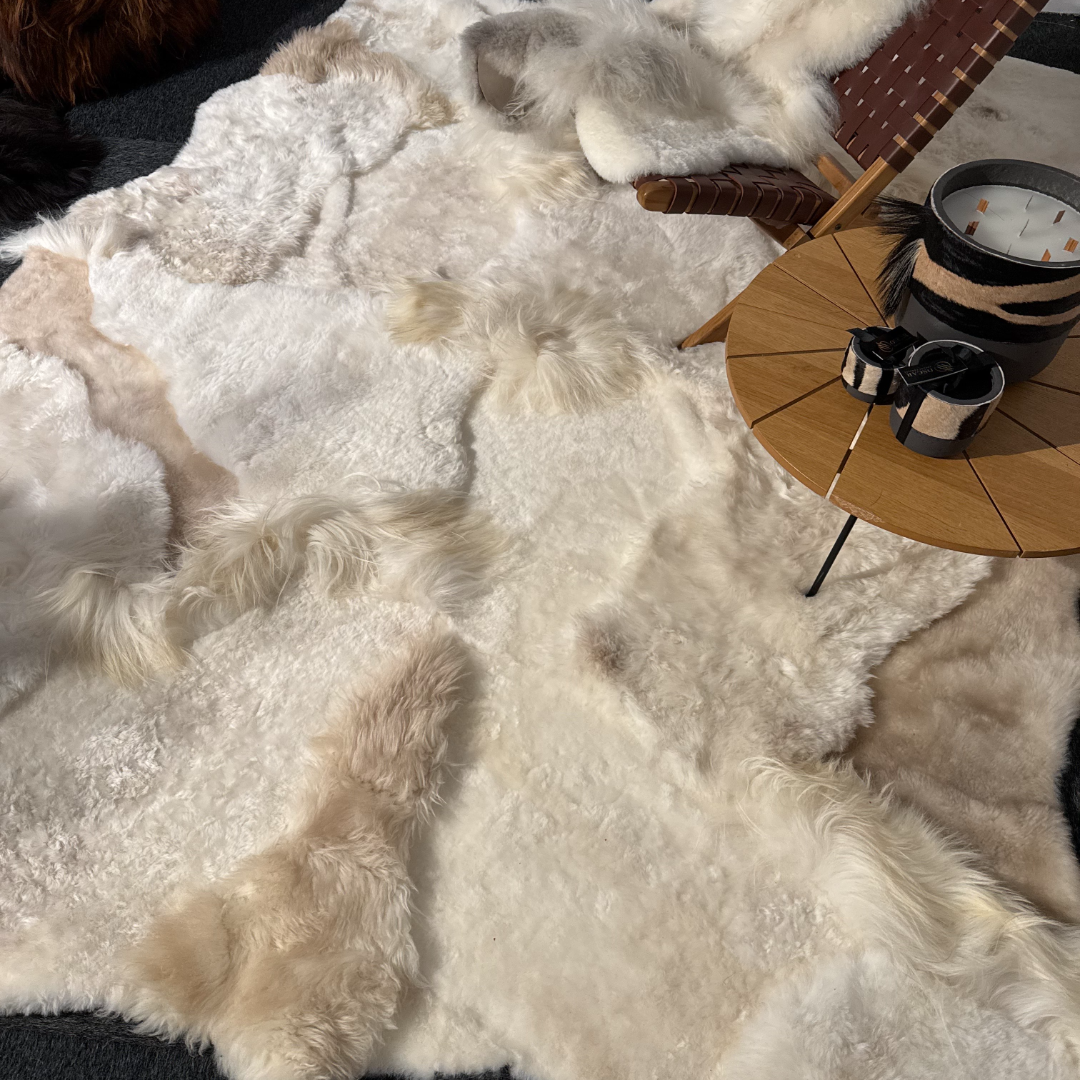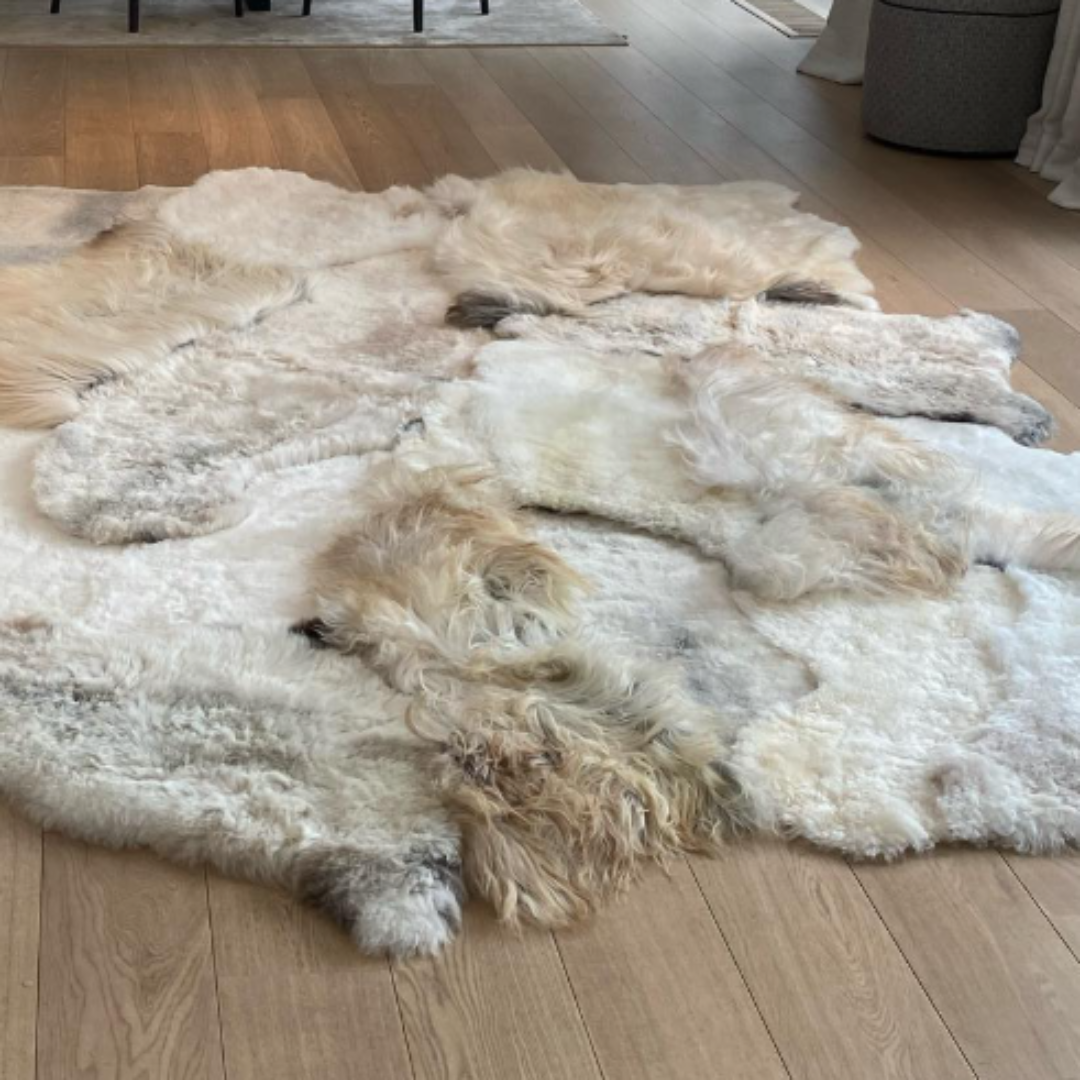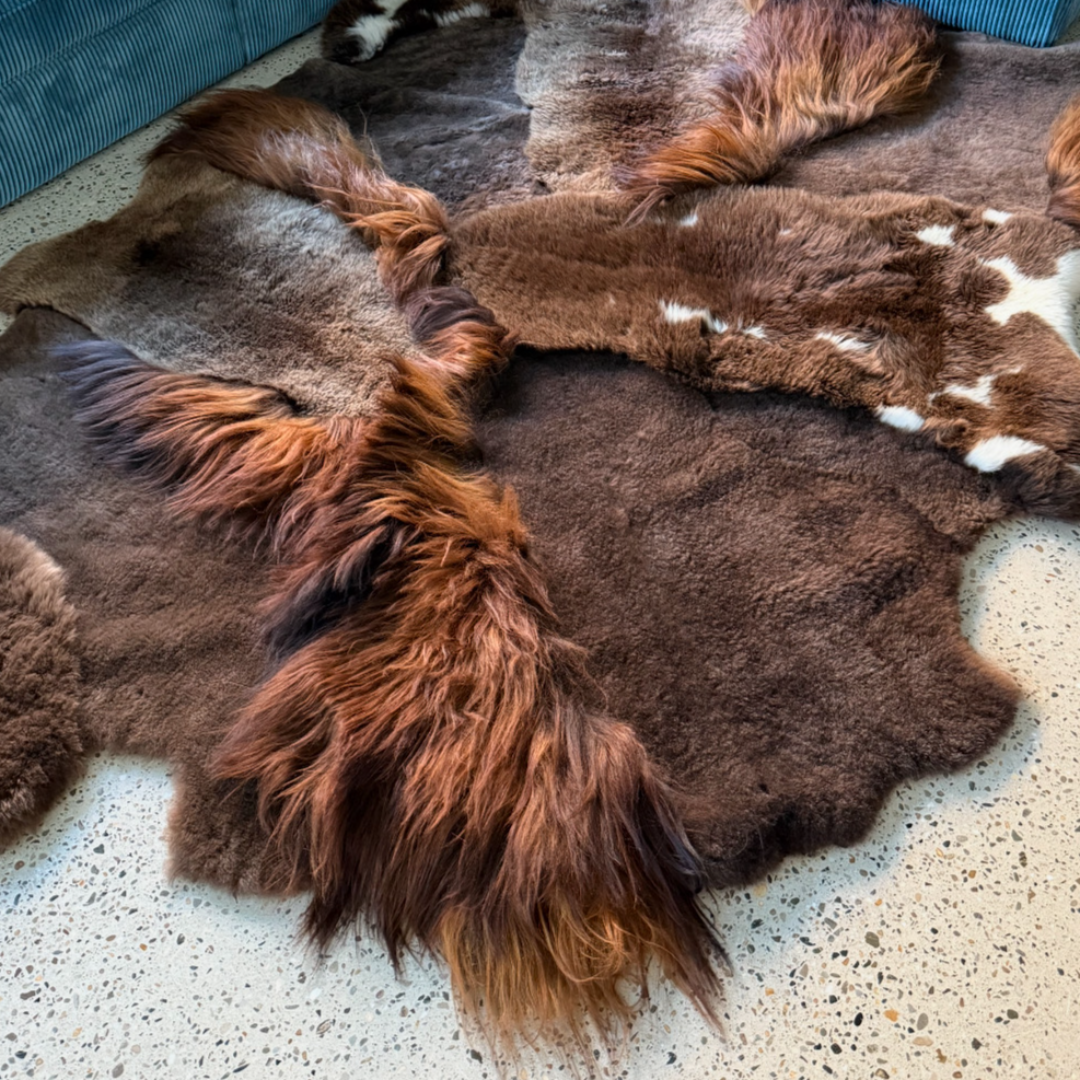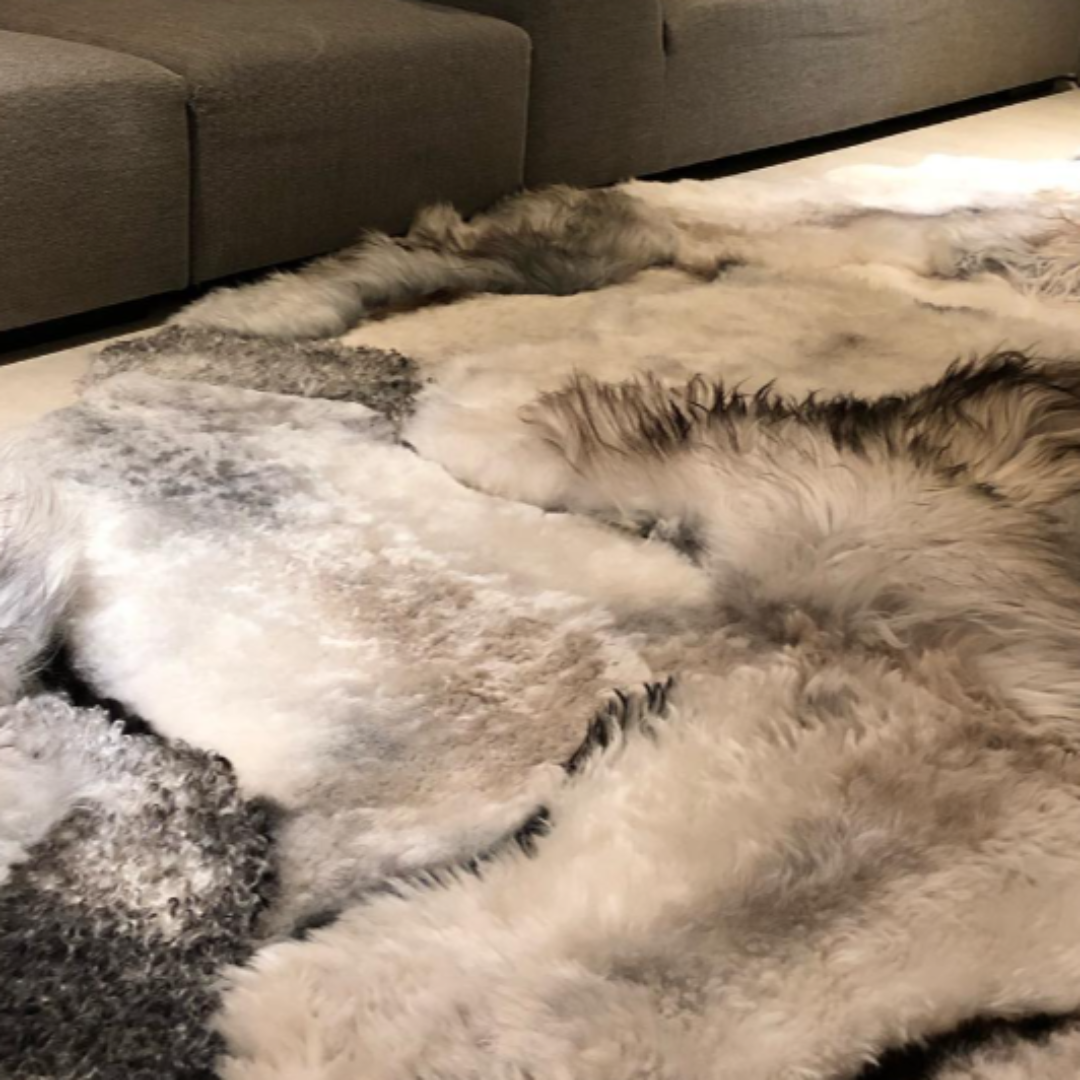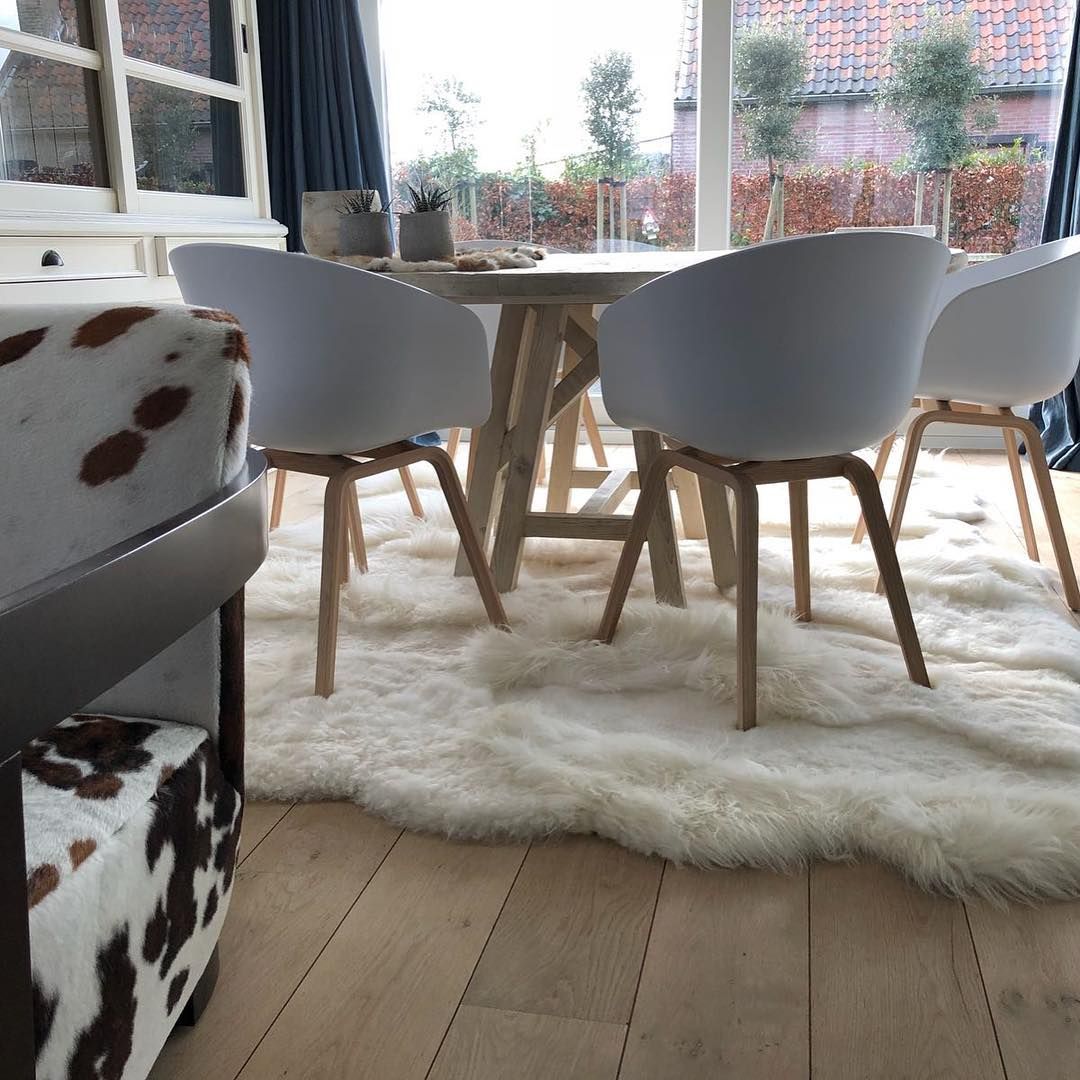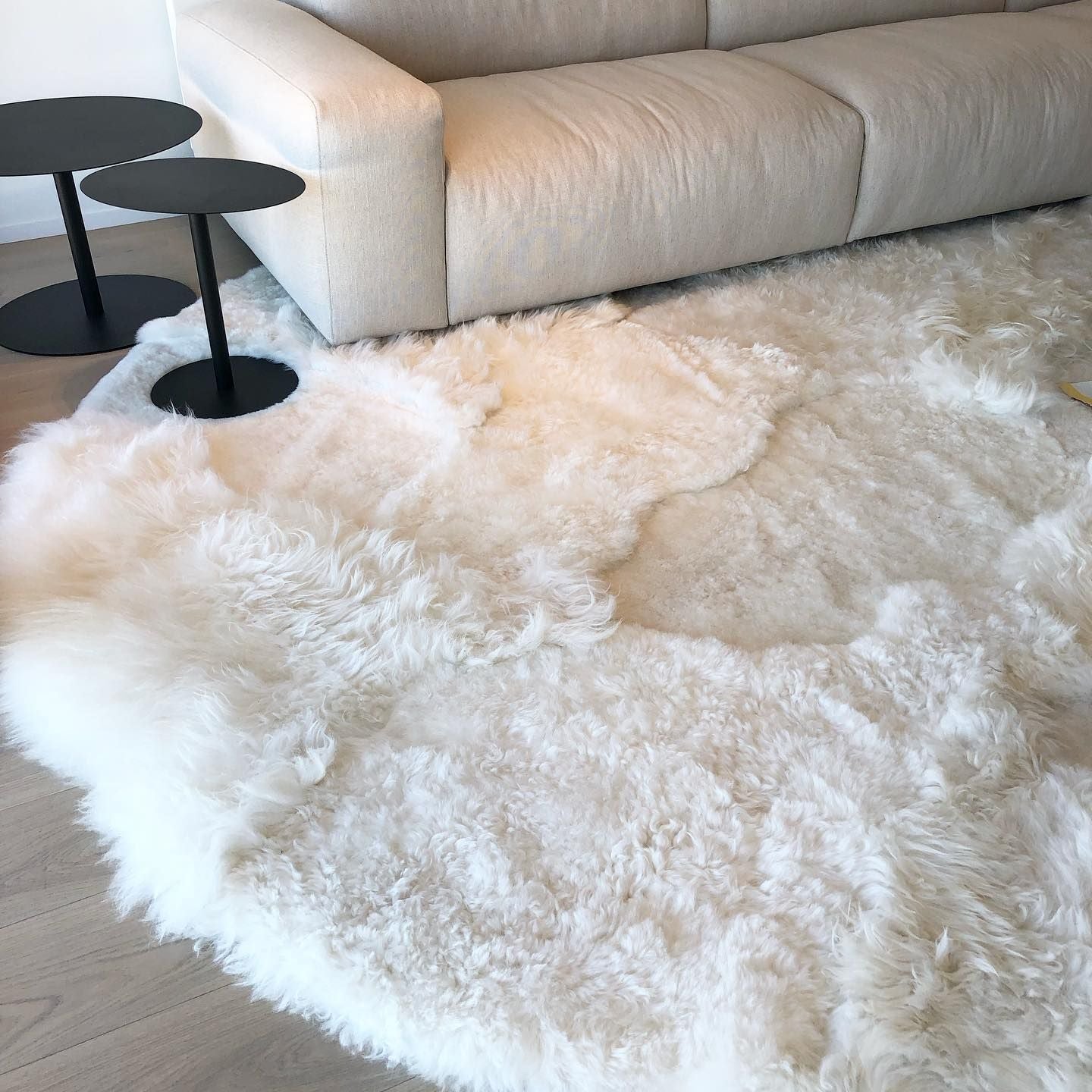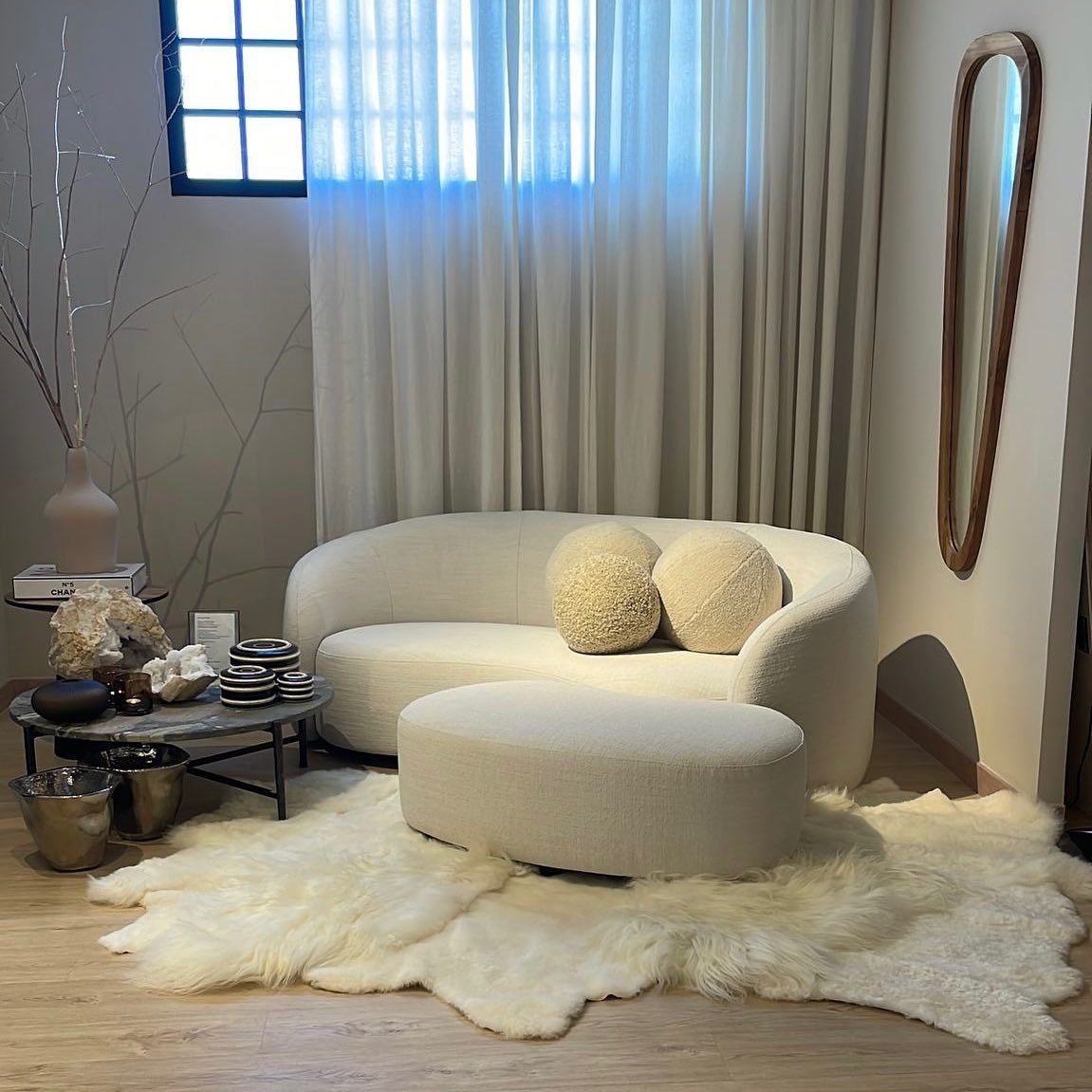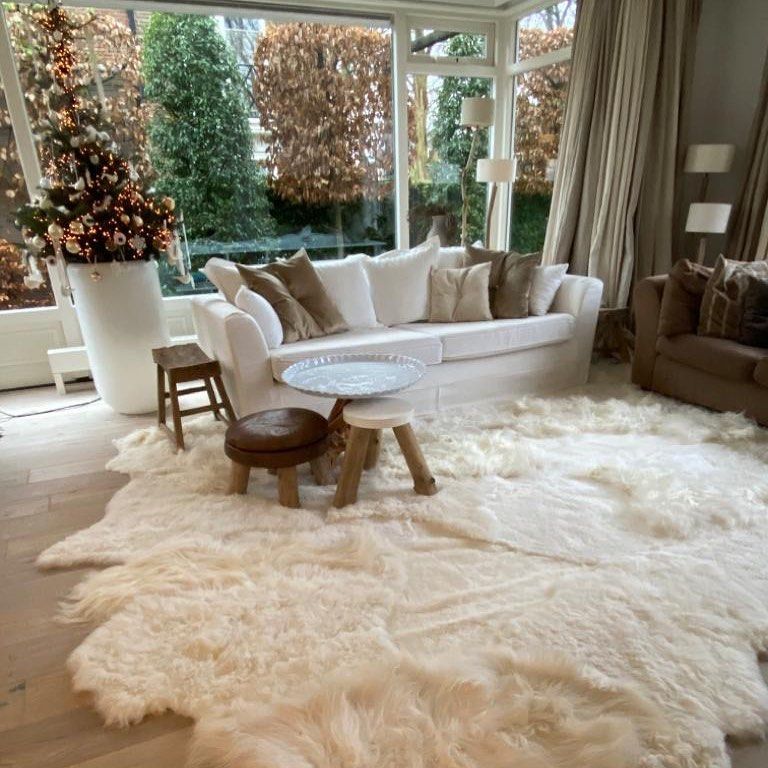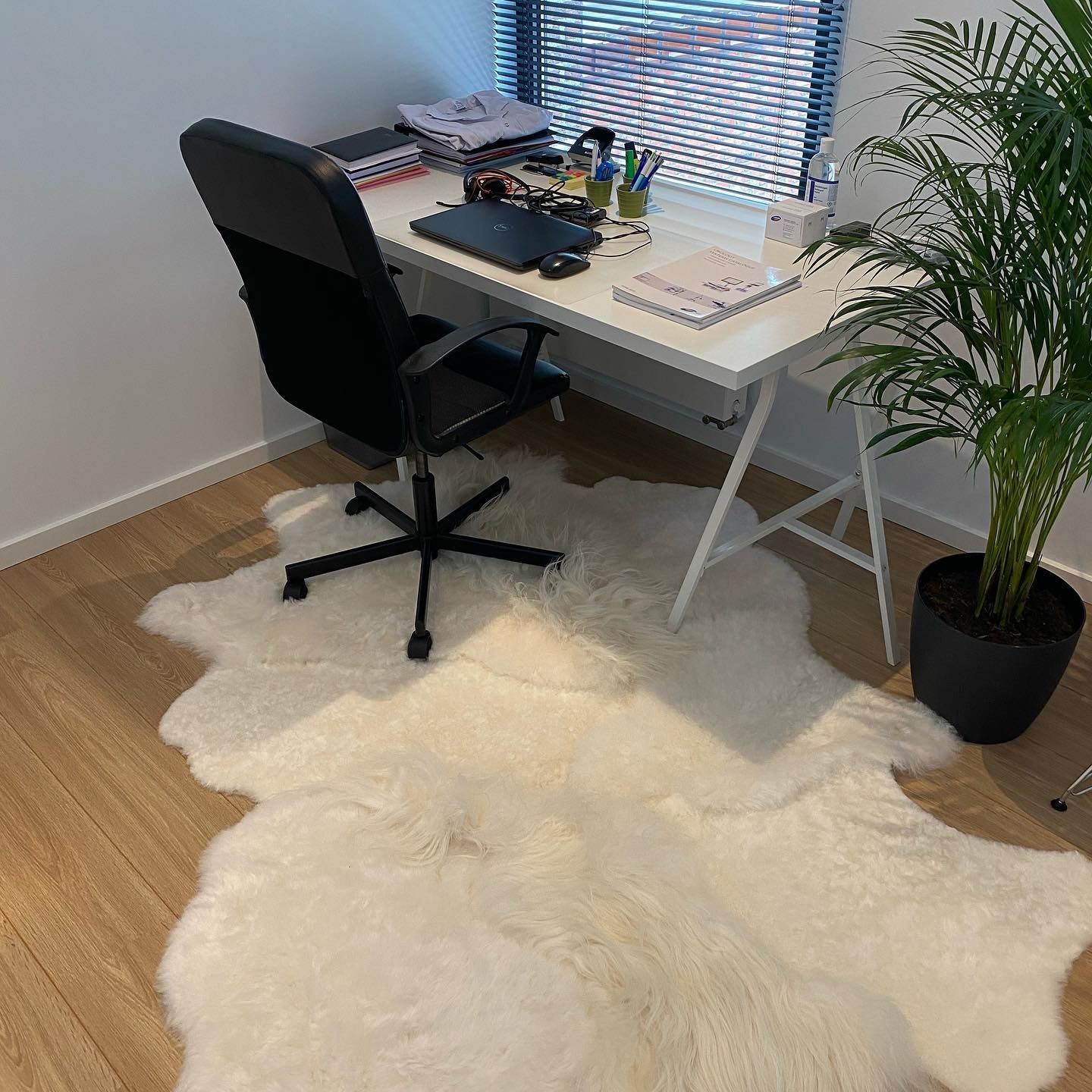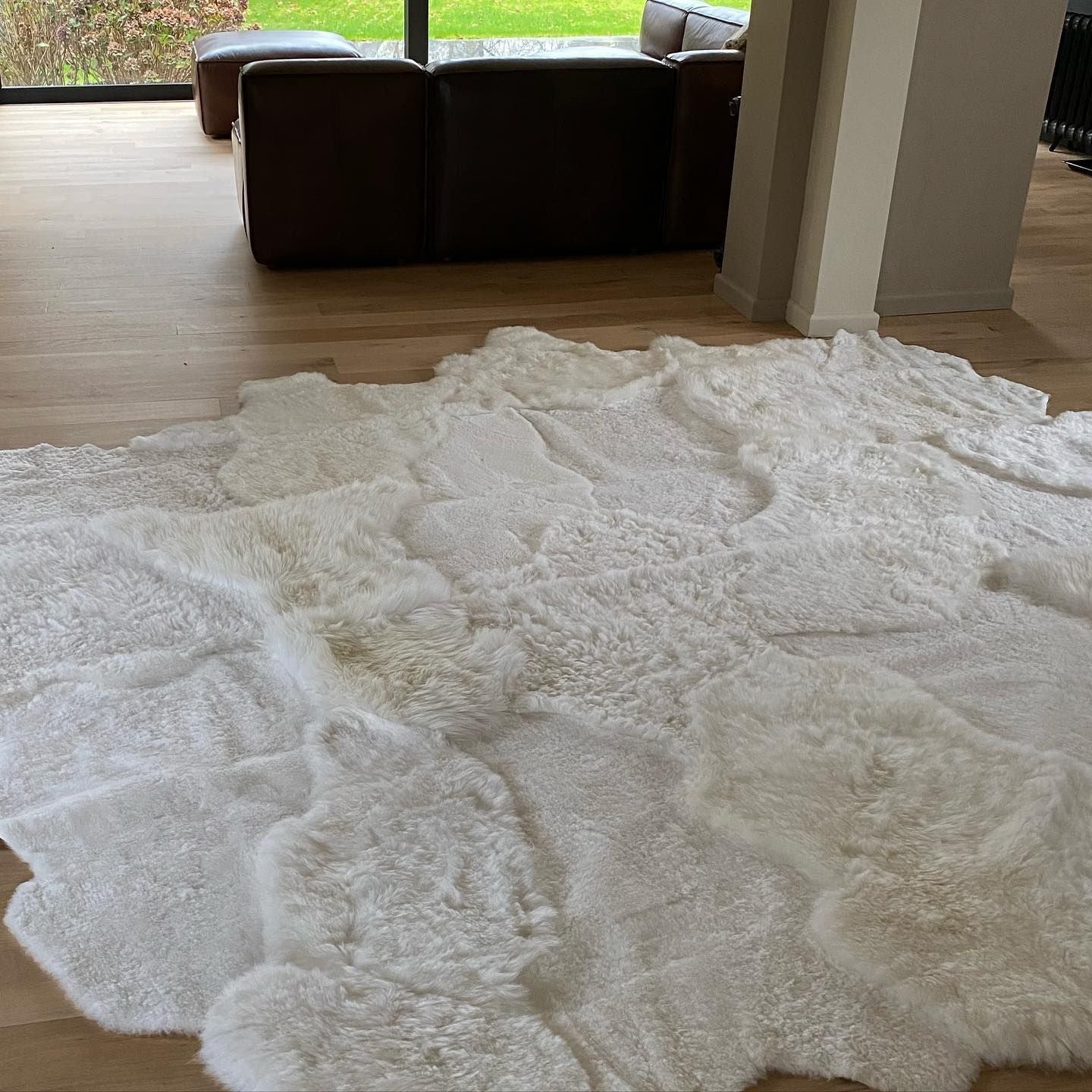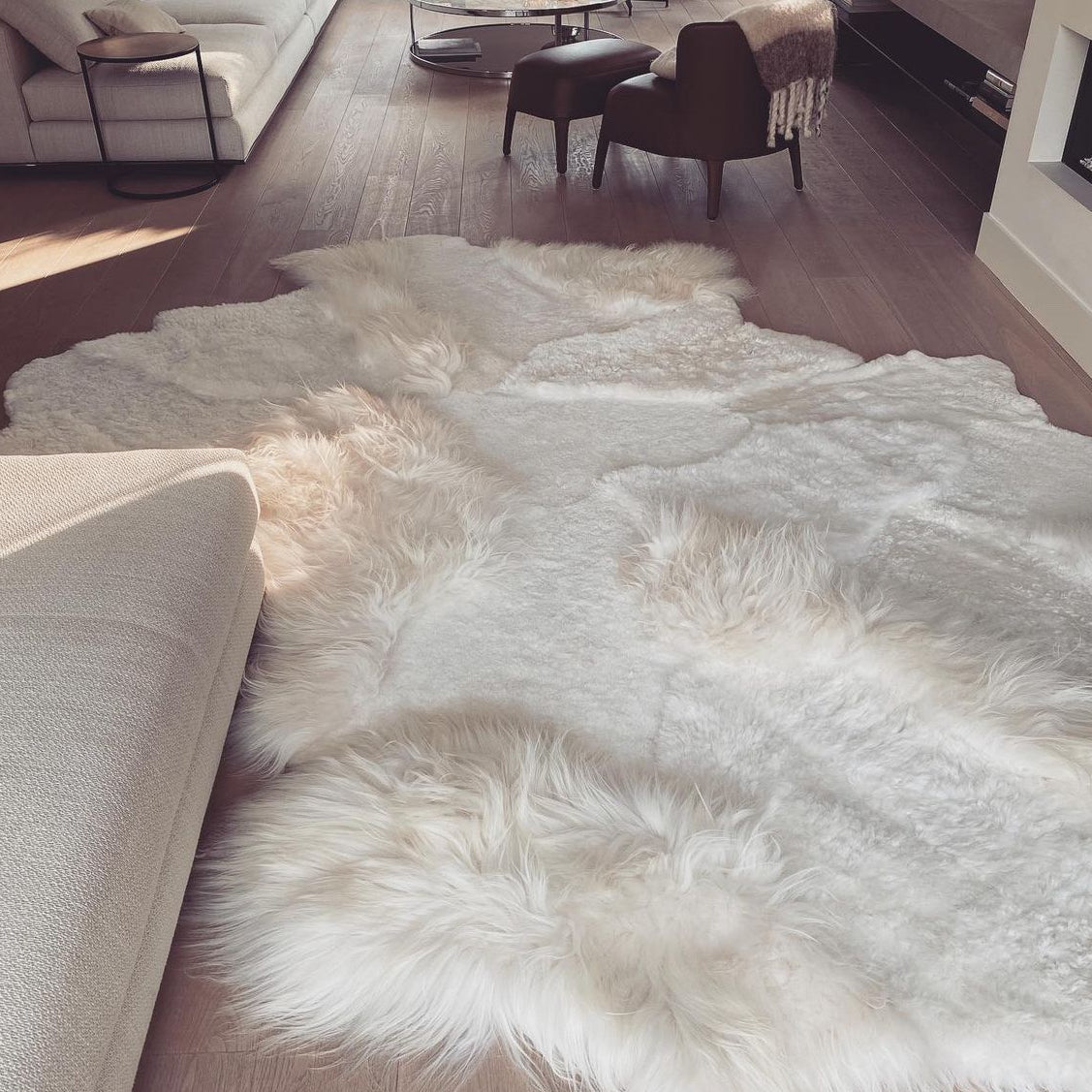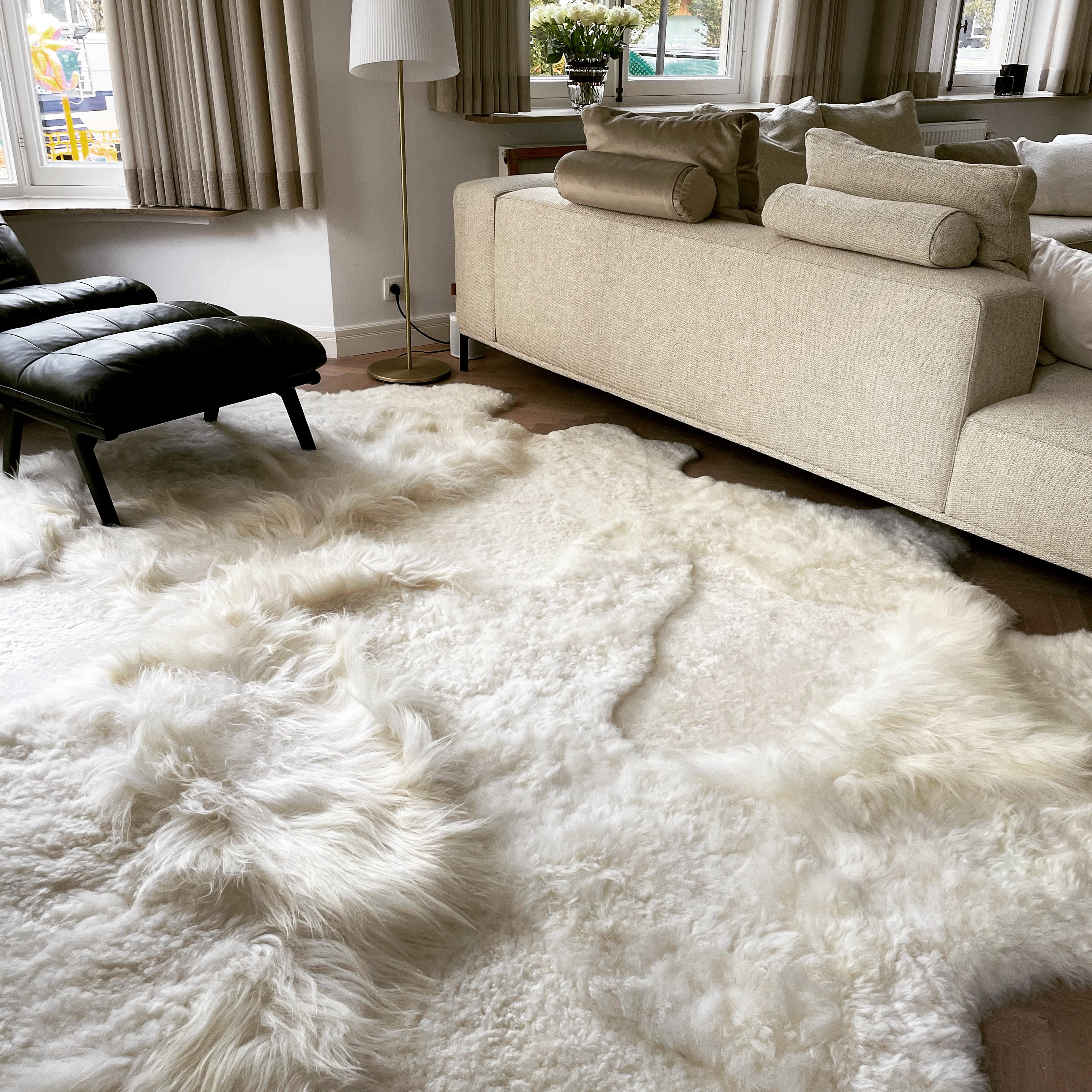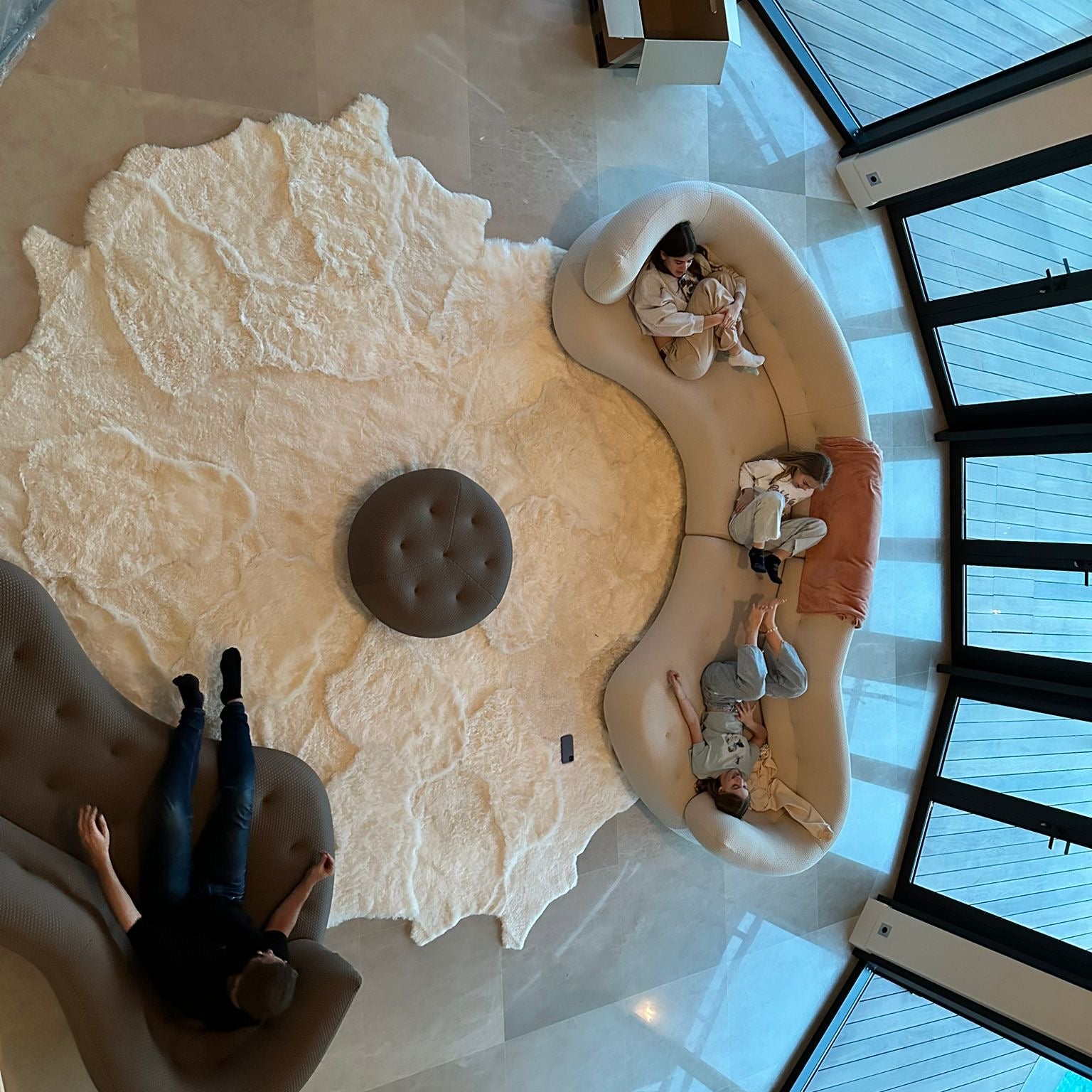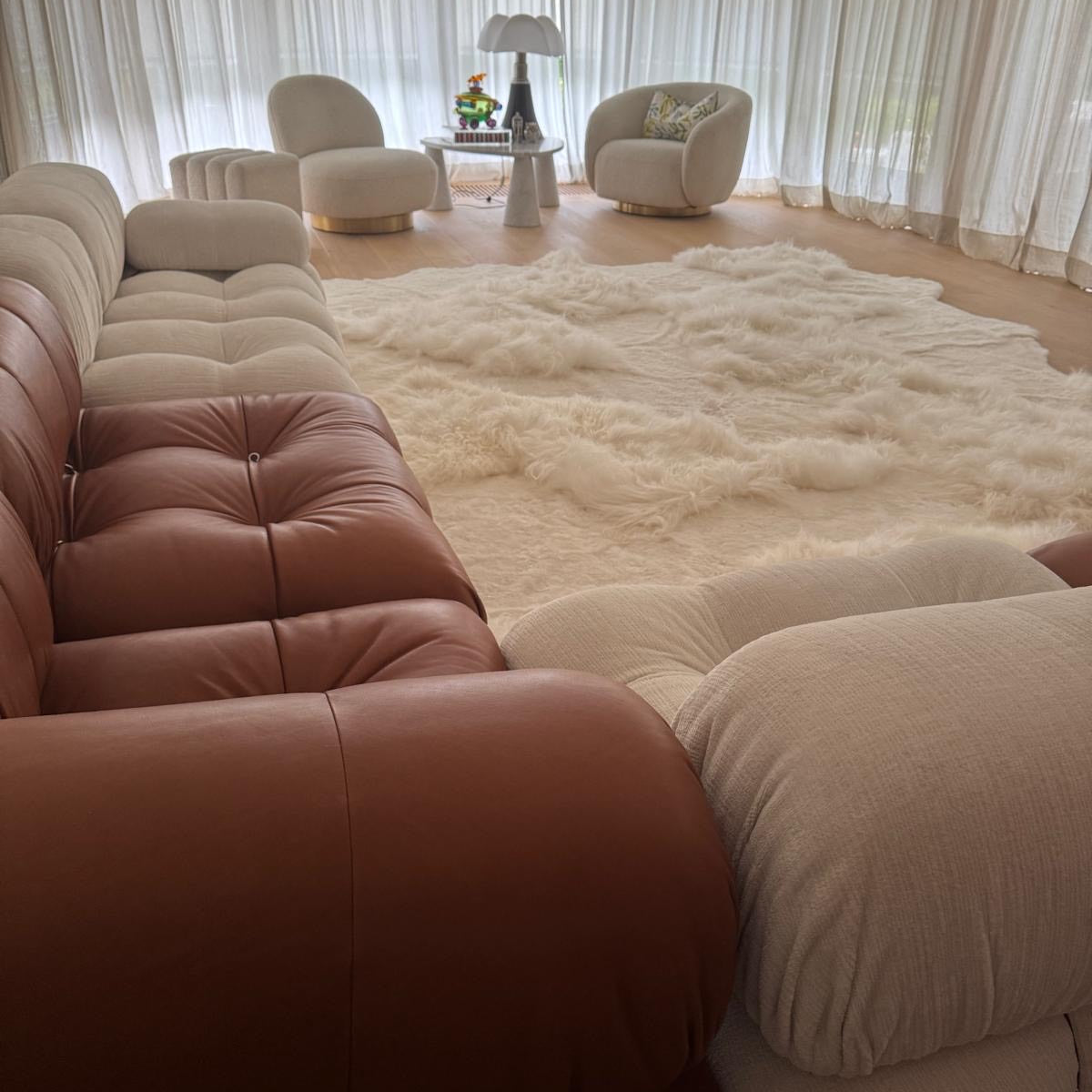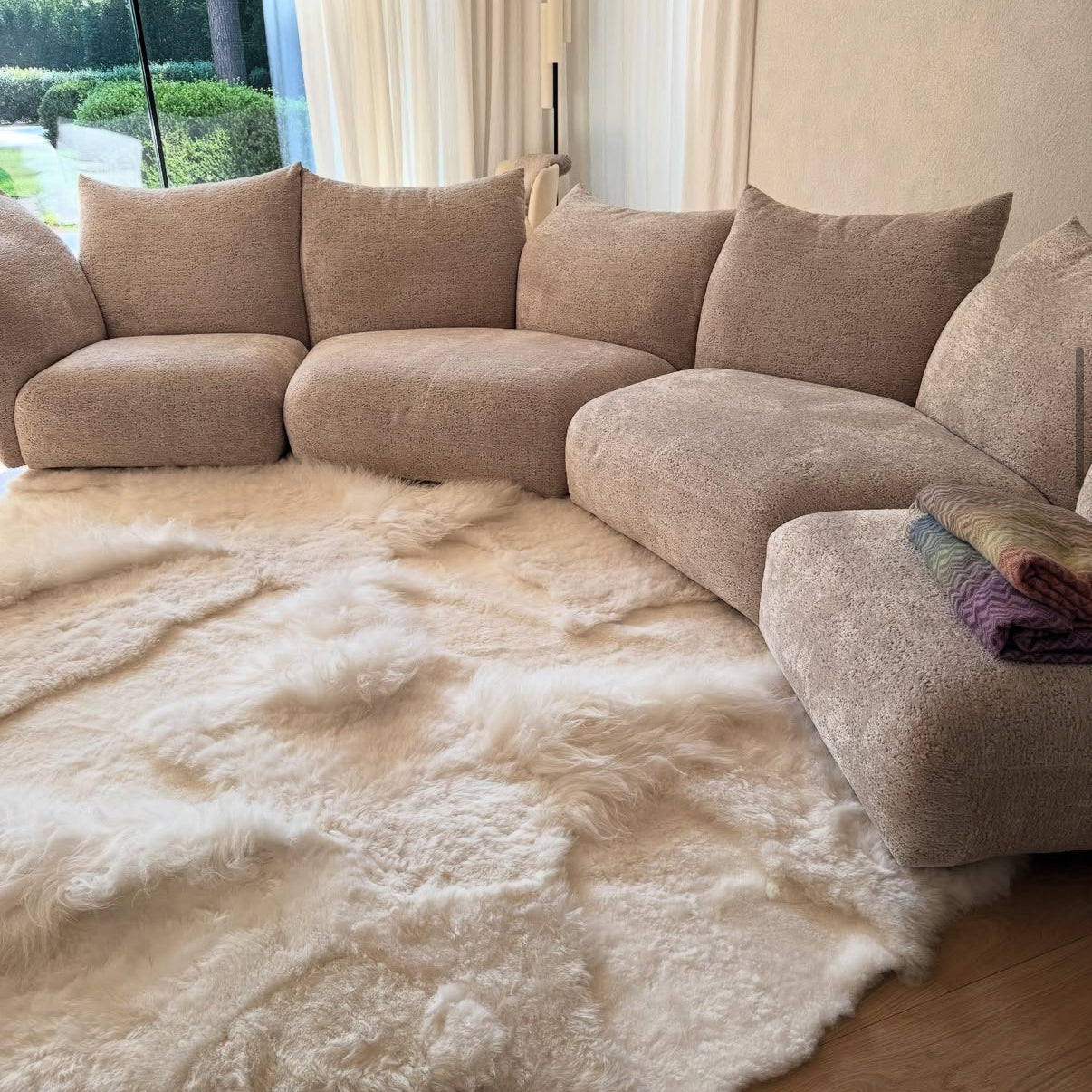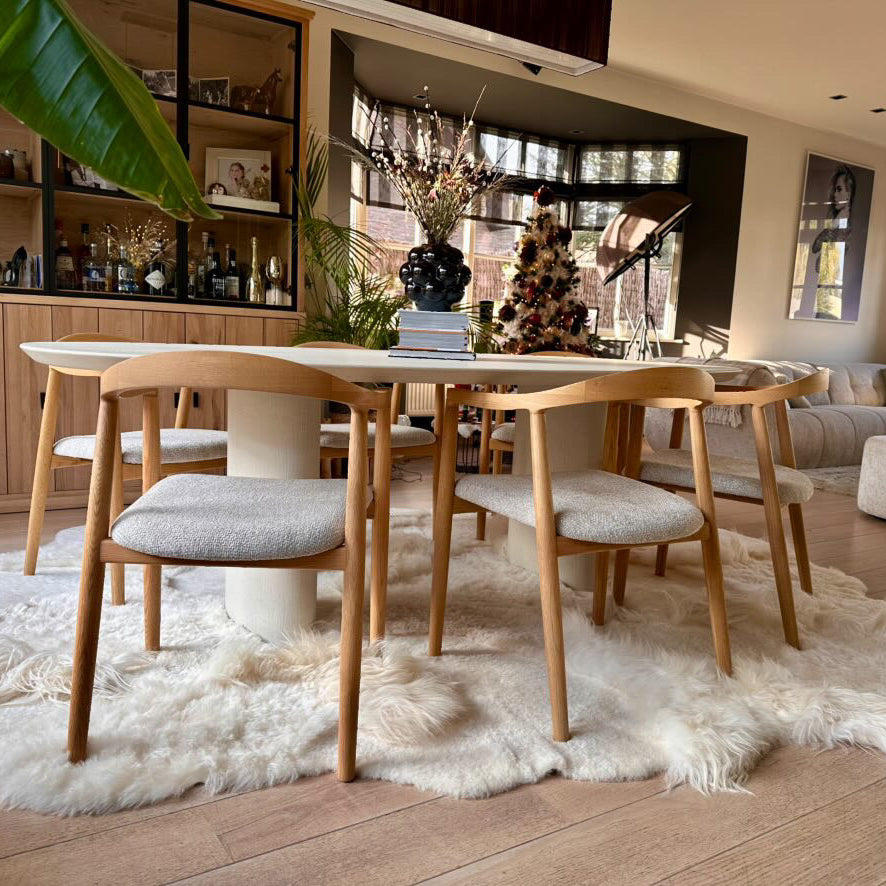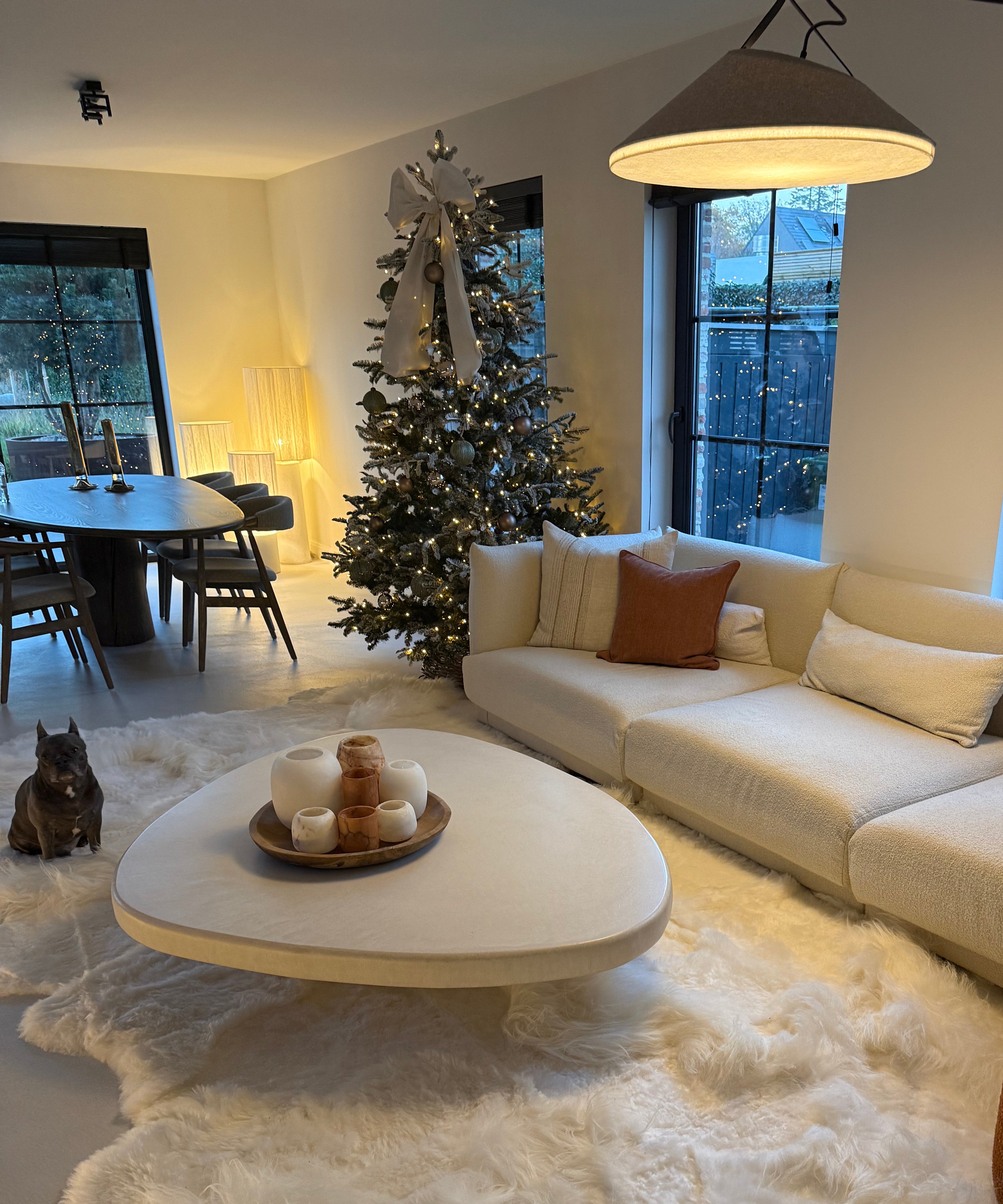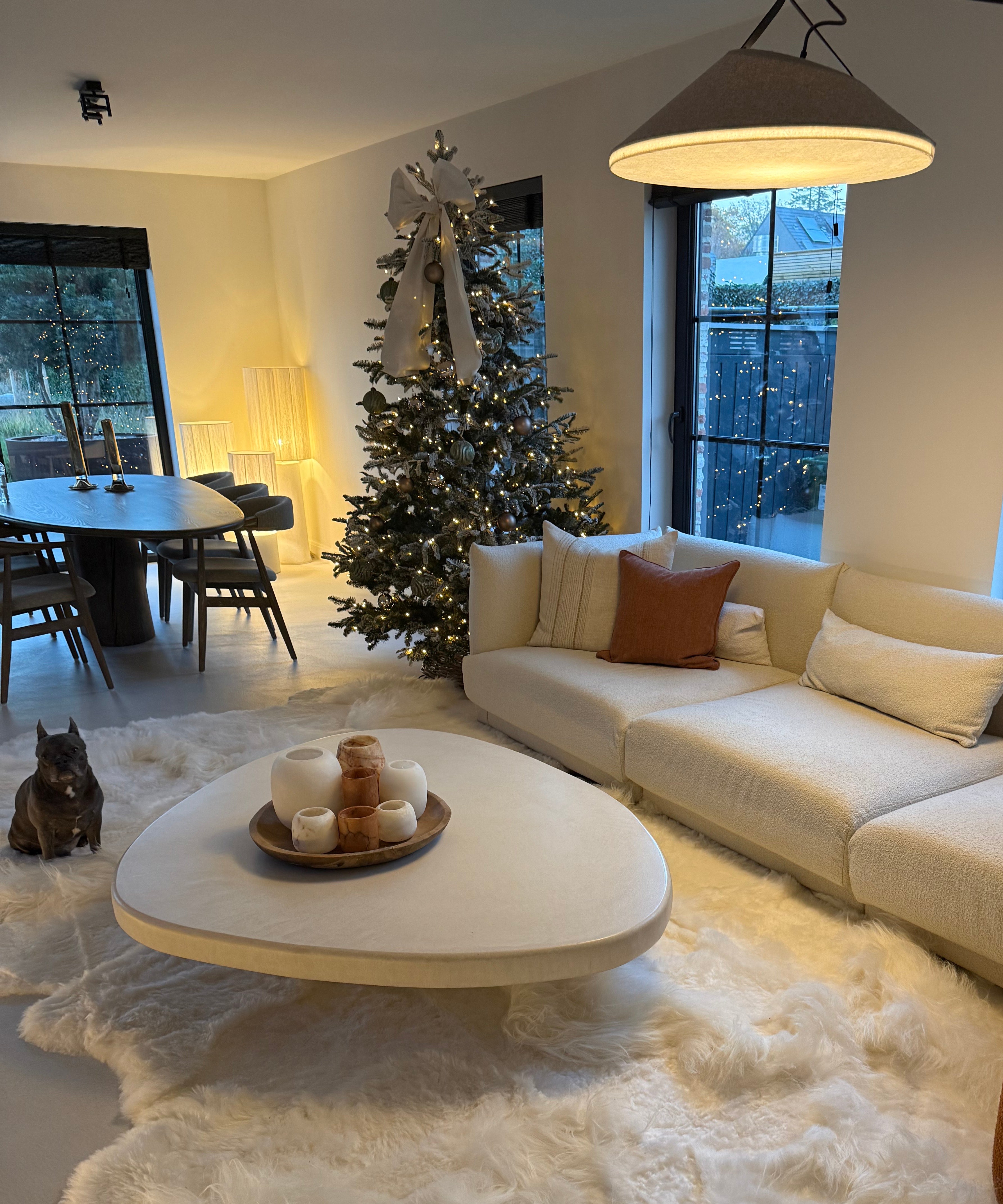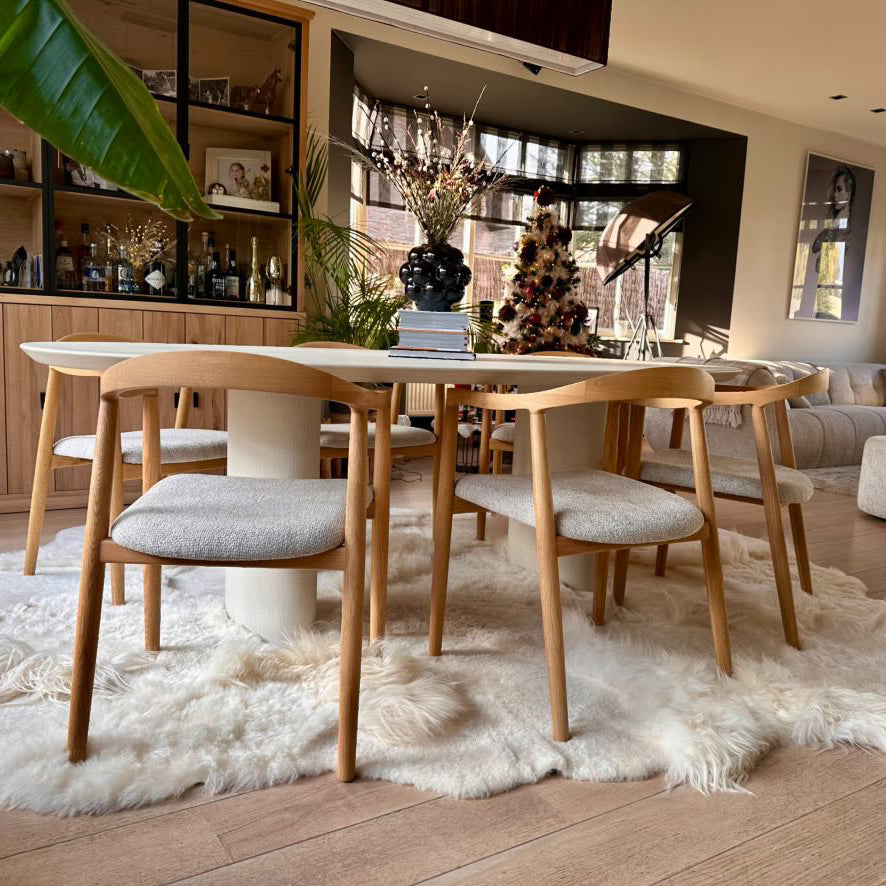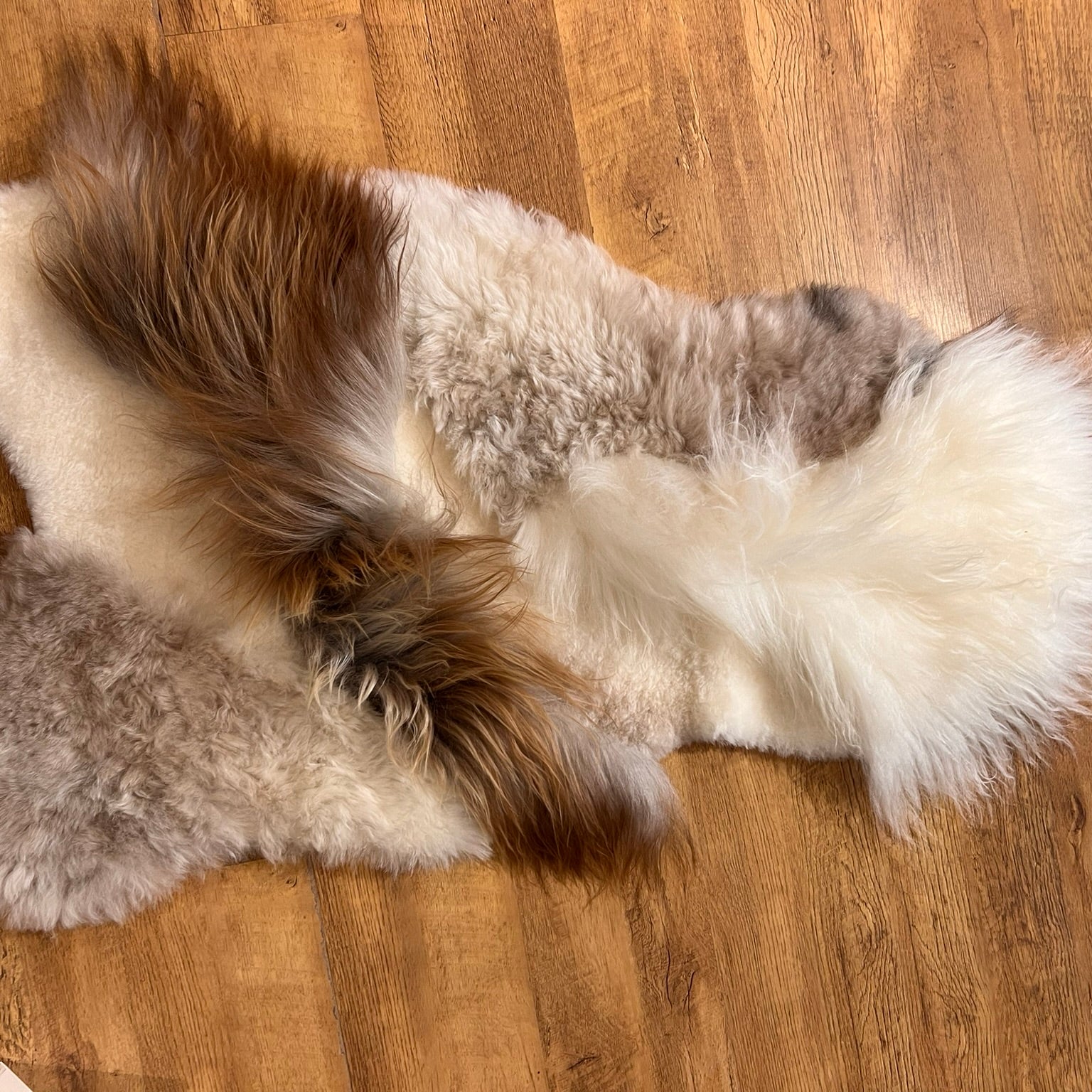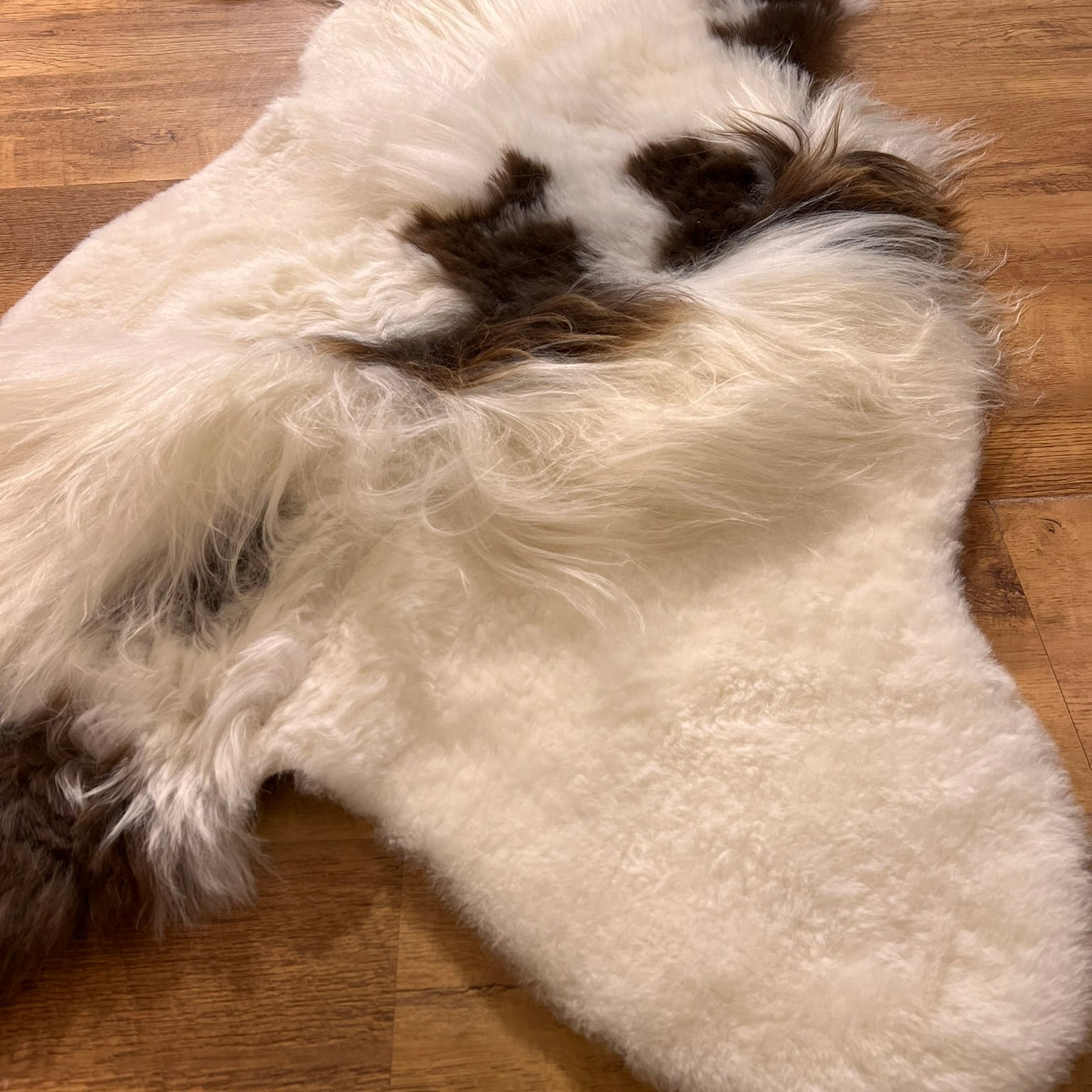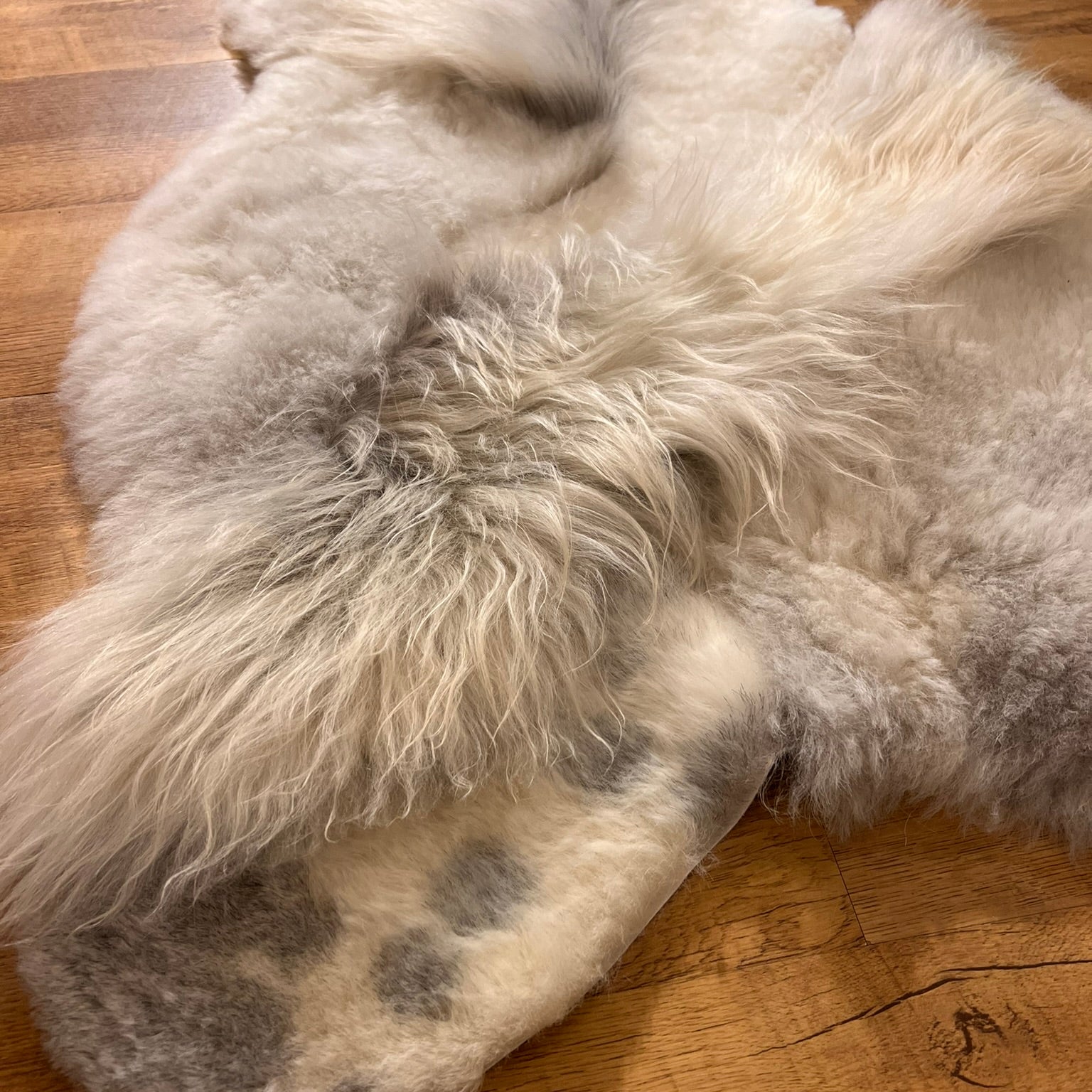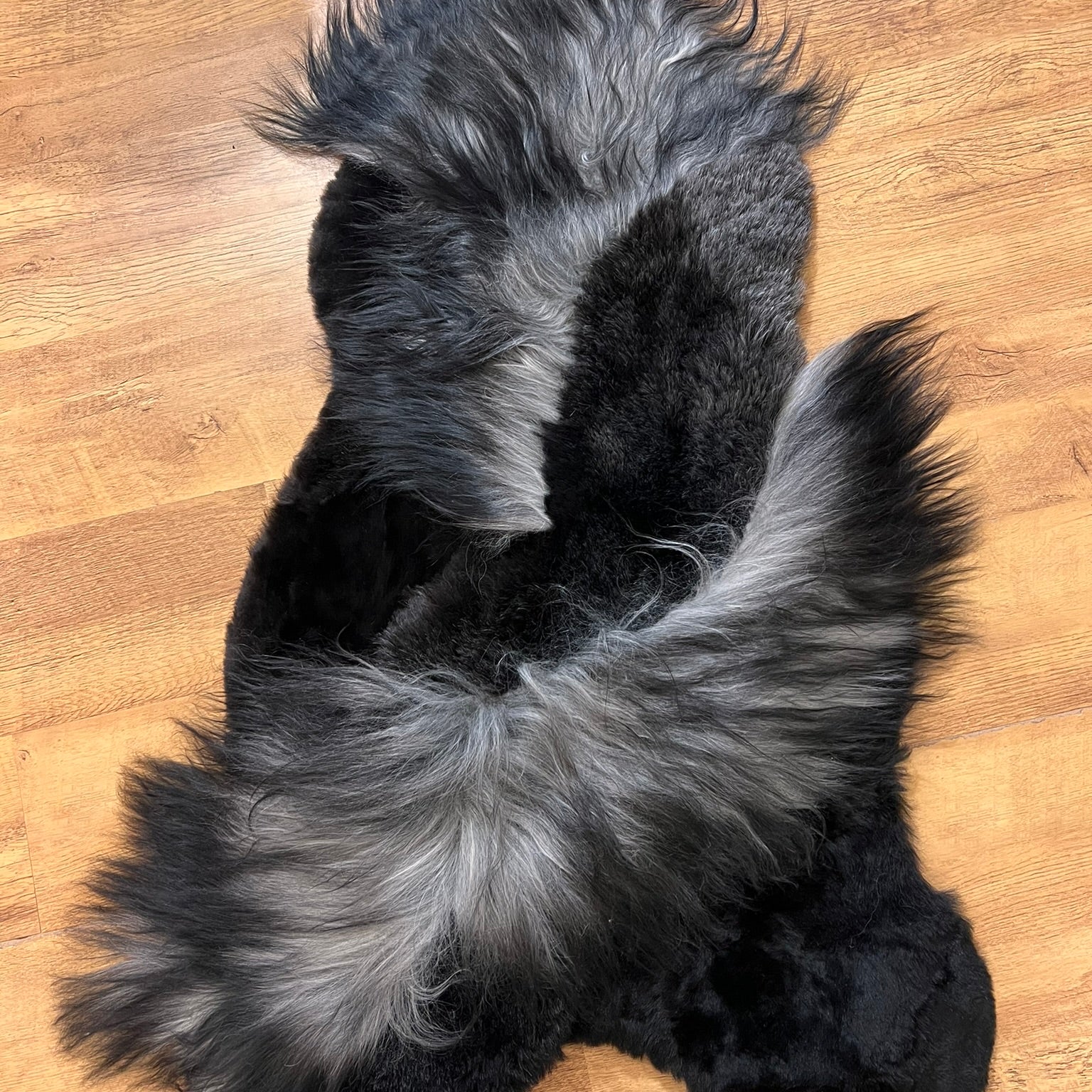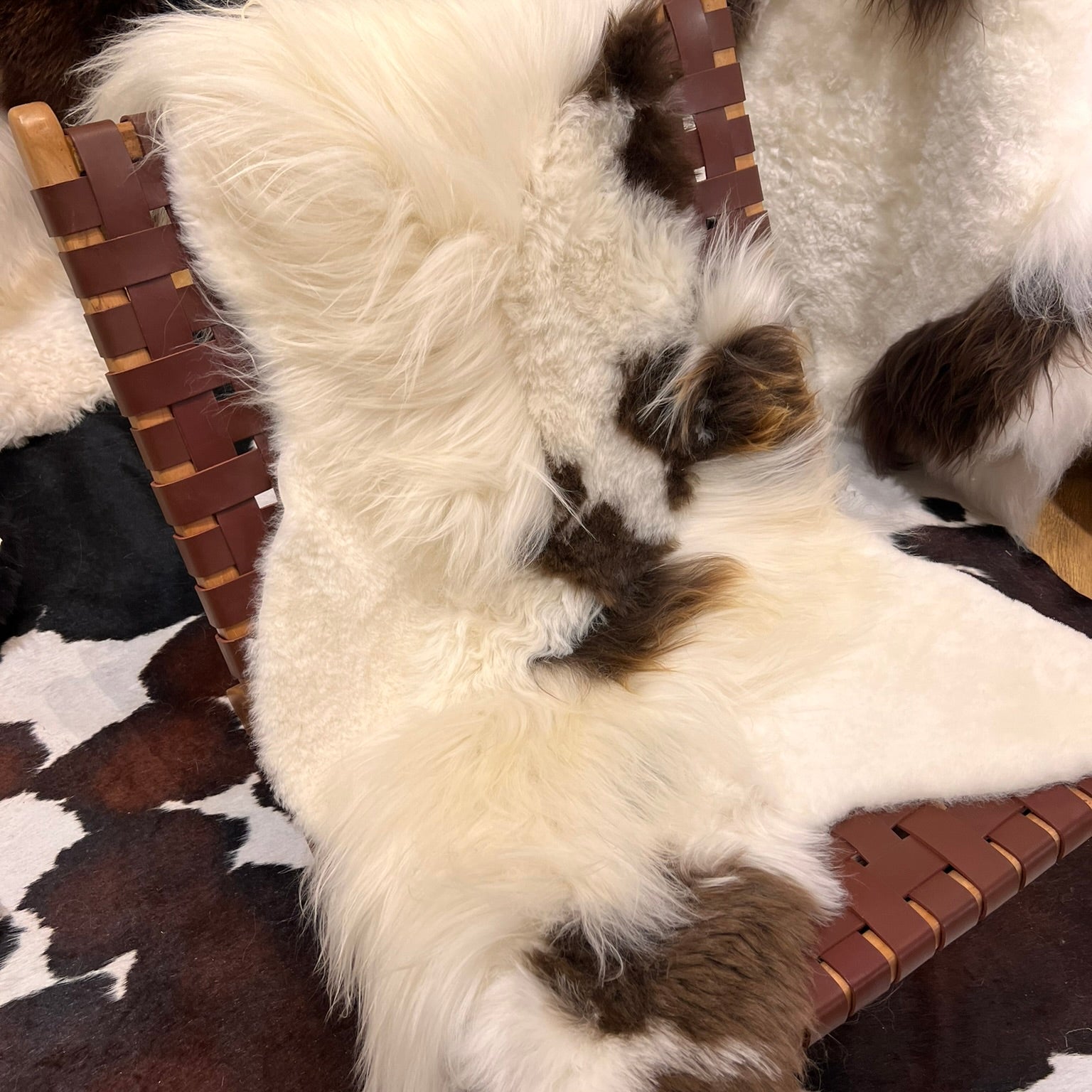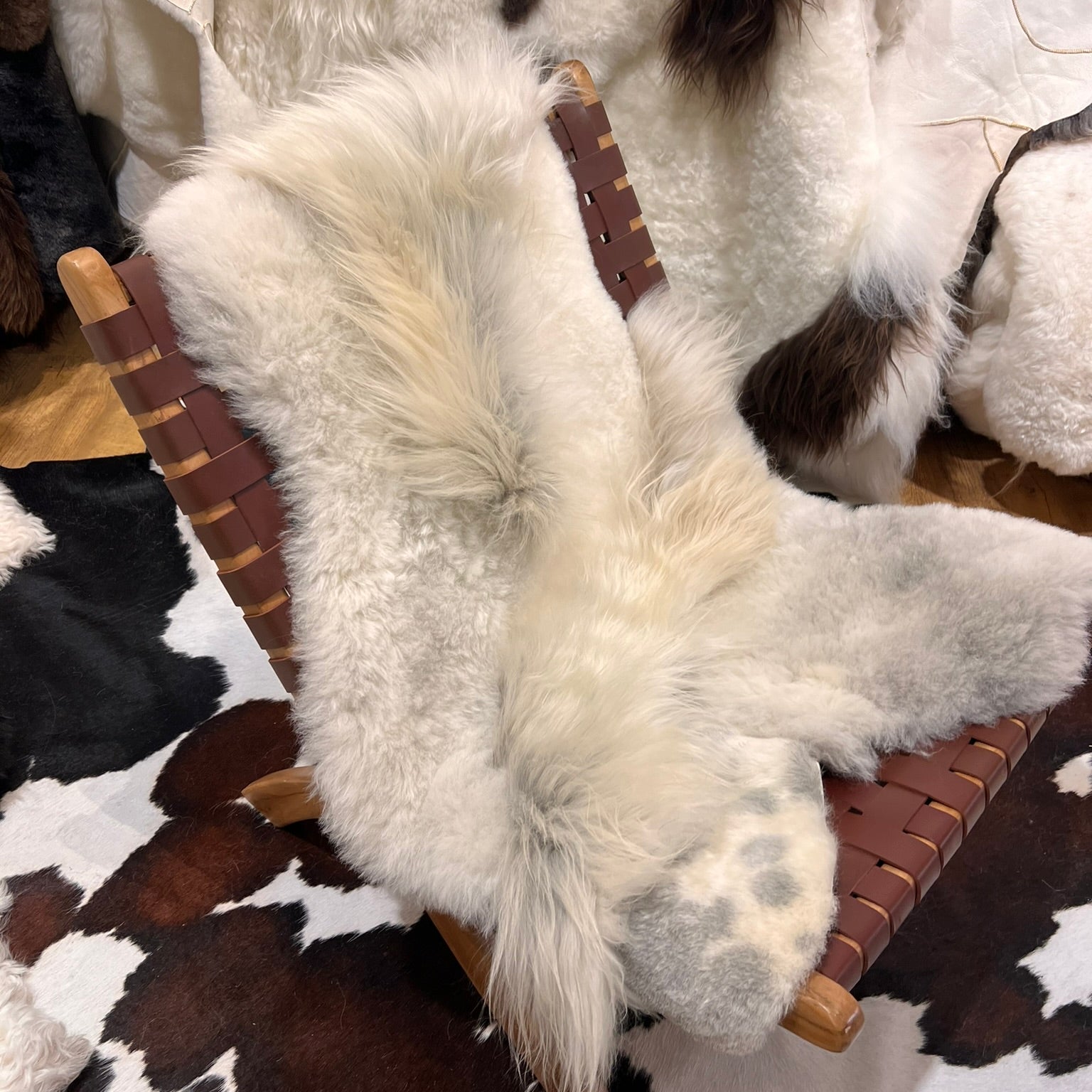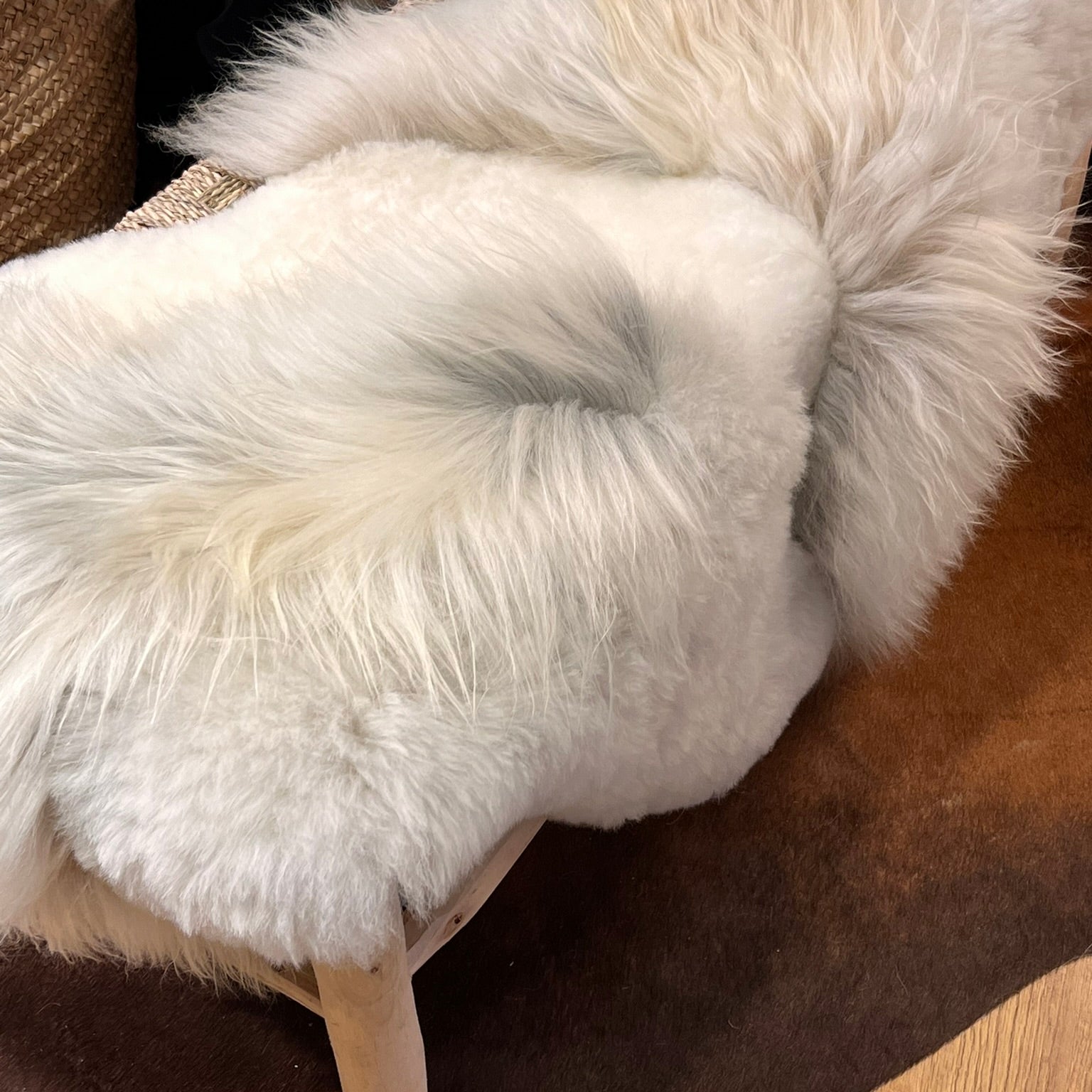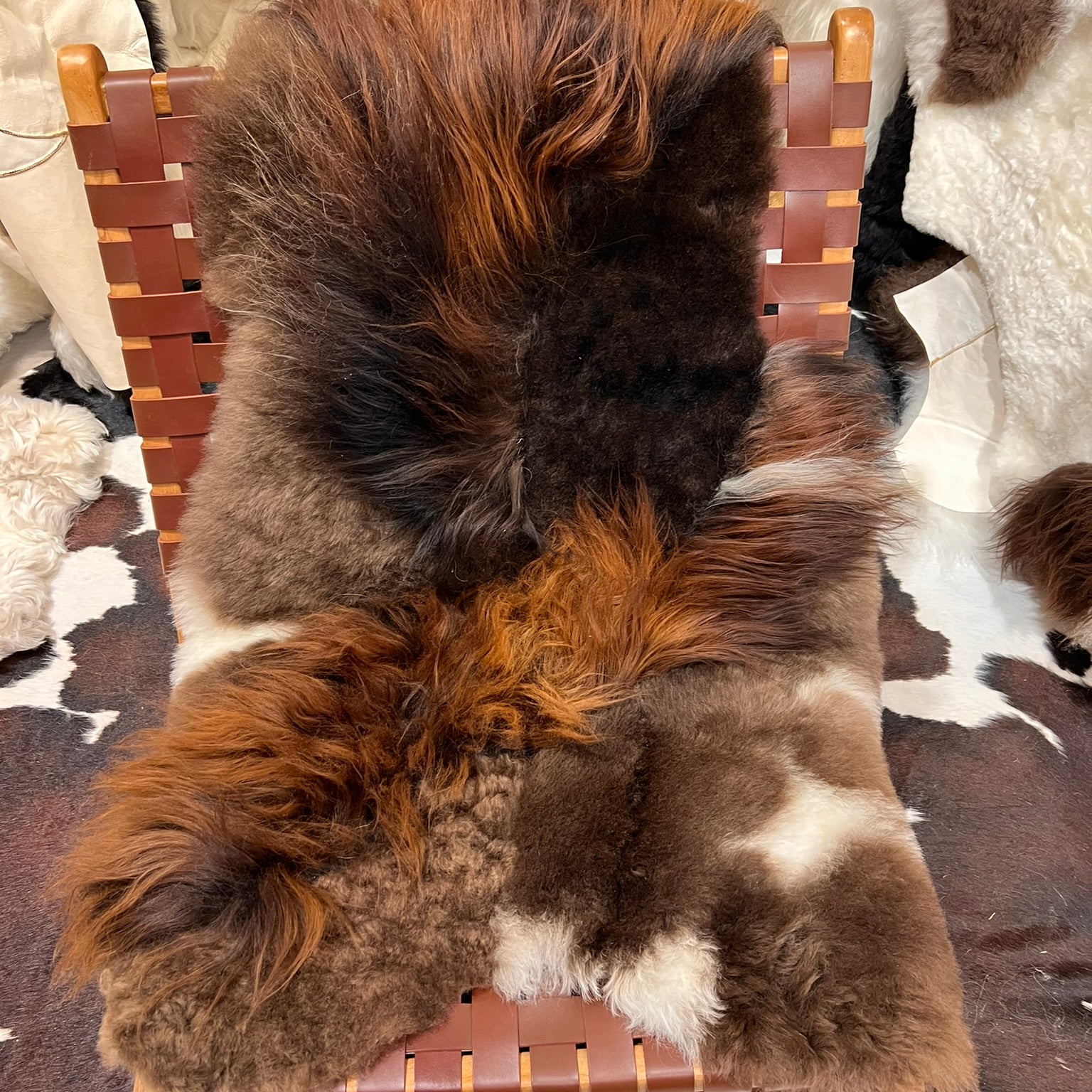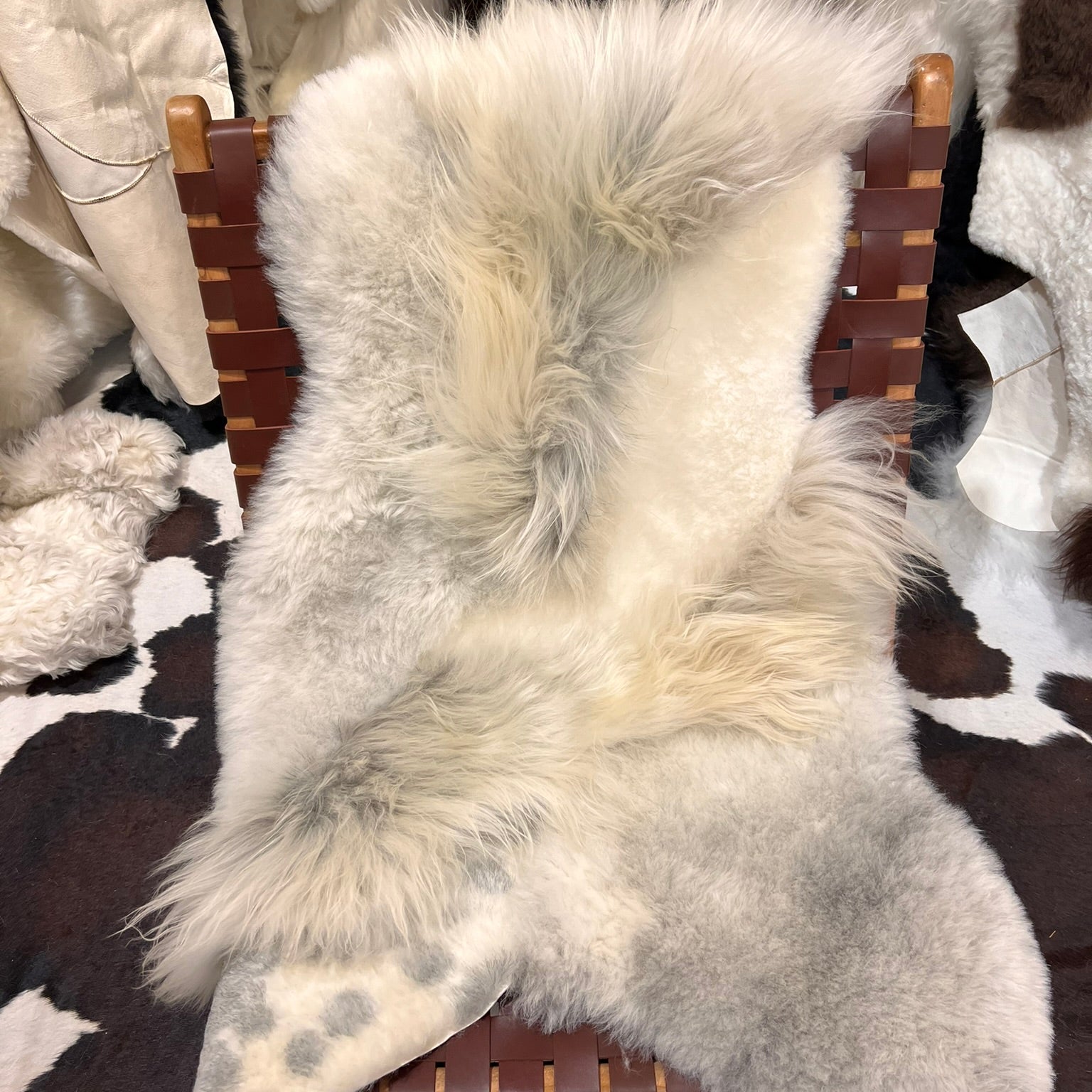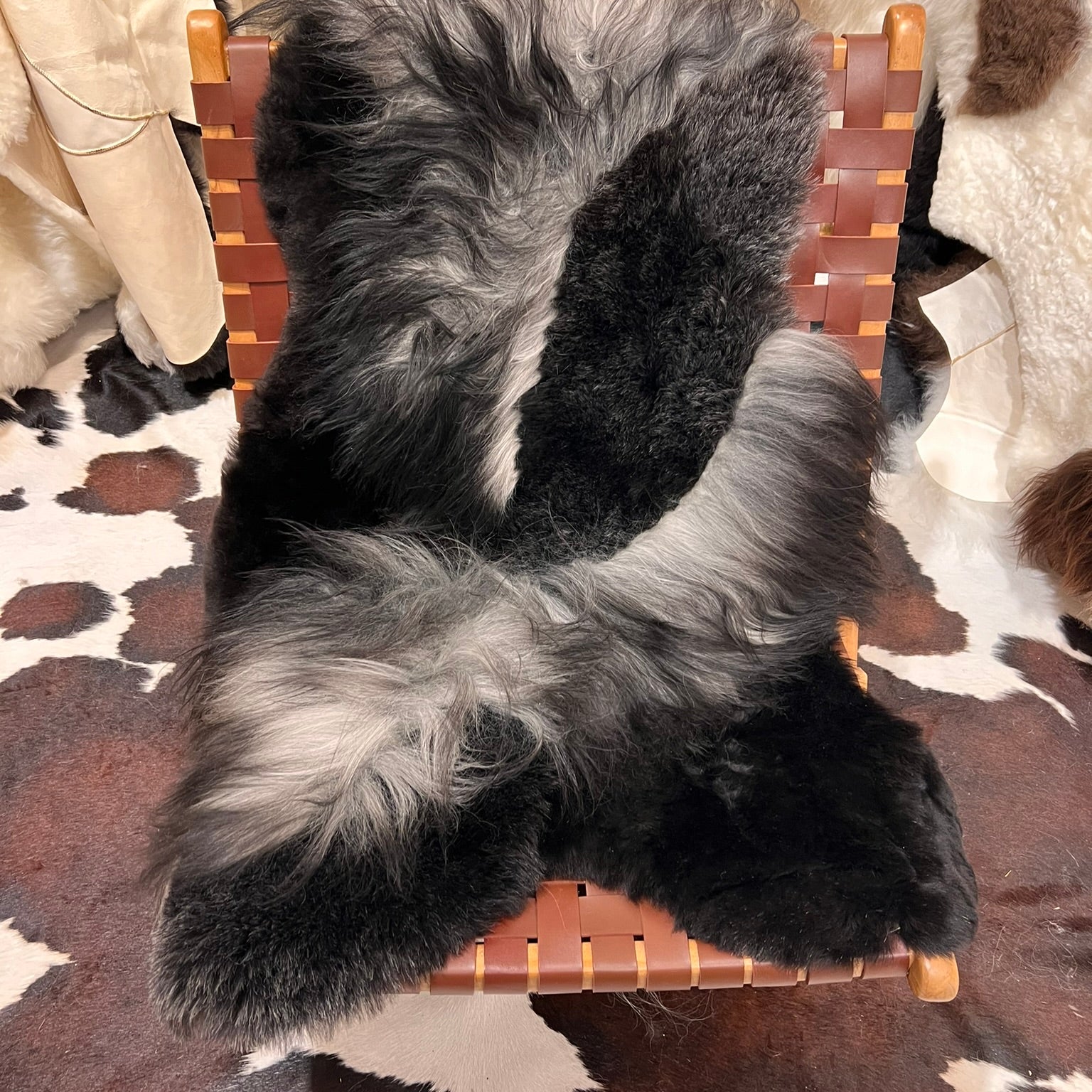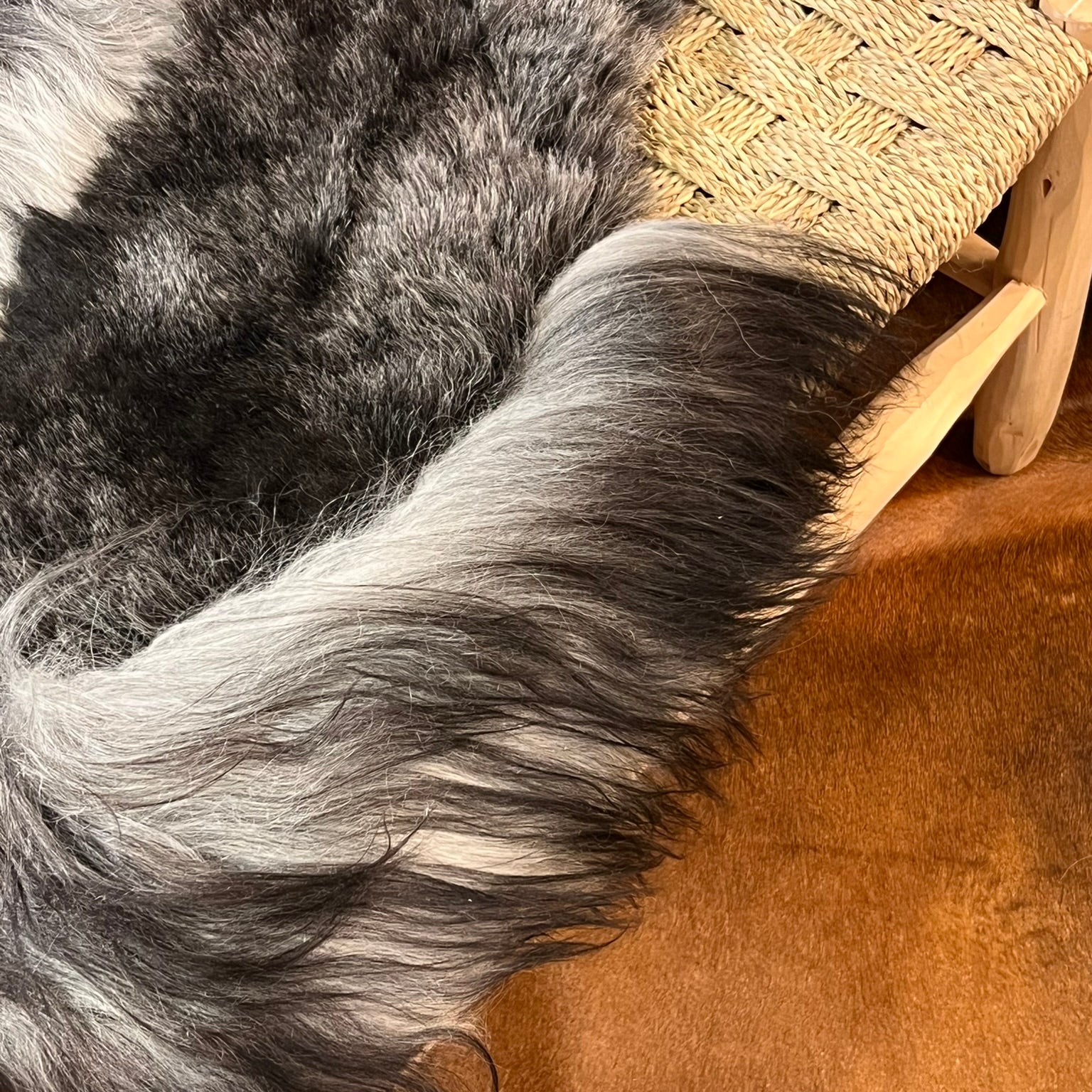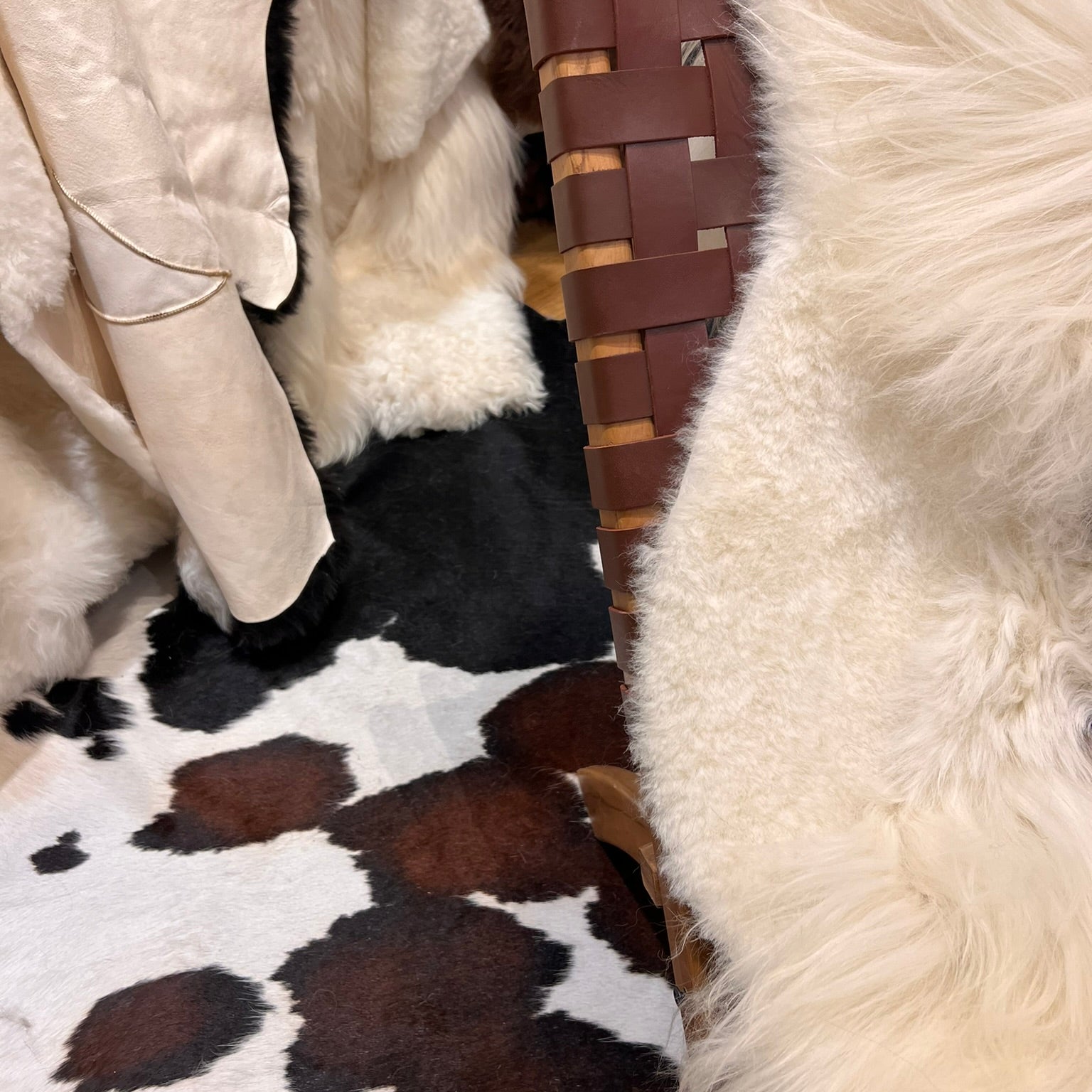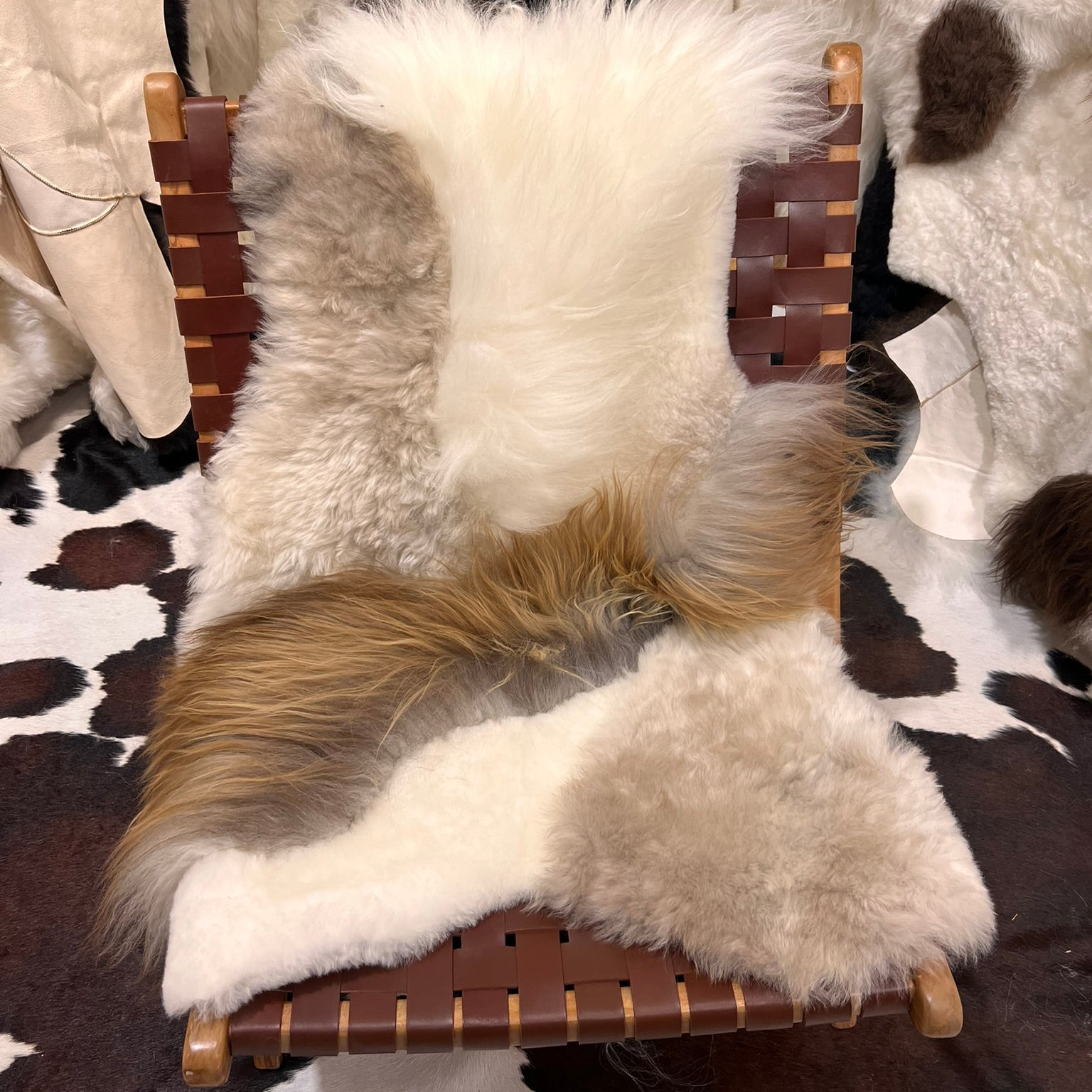

Short answer: an Icelandic sheepskin comes from a breed that has lived unchanged in Iceland for over a thousand years. The fleece consists of a long, water-repellent outer coat and a fine, warm underwool, and naturally contains lanolin. That makes it warmer, springier and easier to care for than most other sheepskins. At Monroe Life it is the base of every rug.
The Icelandic sheep in brief
- Descended from the sheep Norse settlers brought around 870; genetically almost isolated ever since.
- About 400,000 animals in winter and more than a million sheep in summer — there are still more sheep than people, although the lead has shrunk considerably since the 1980s.
- They graze freely in the highlands from June to September and are rounded up in autumn in the traditional réttir.
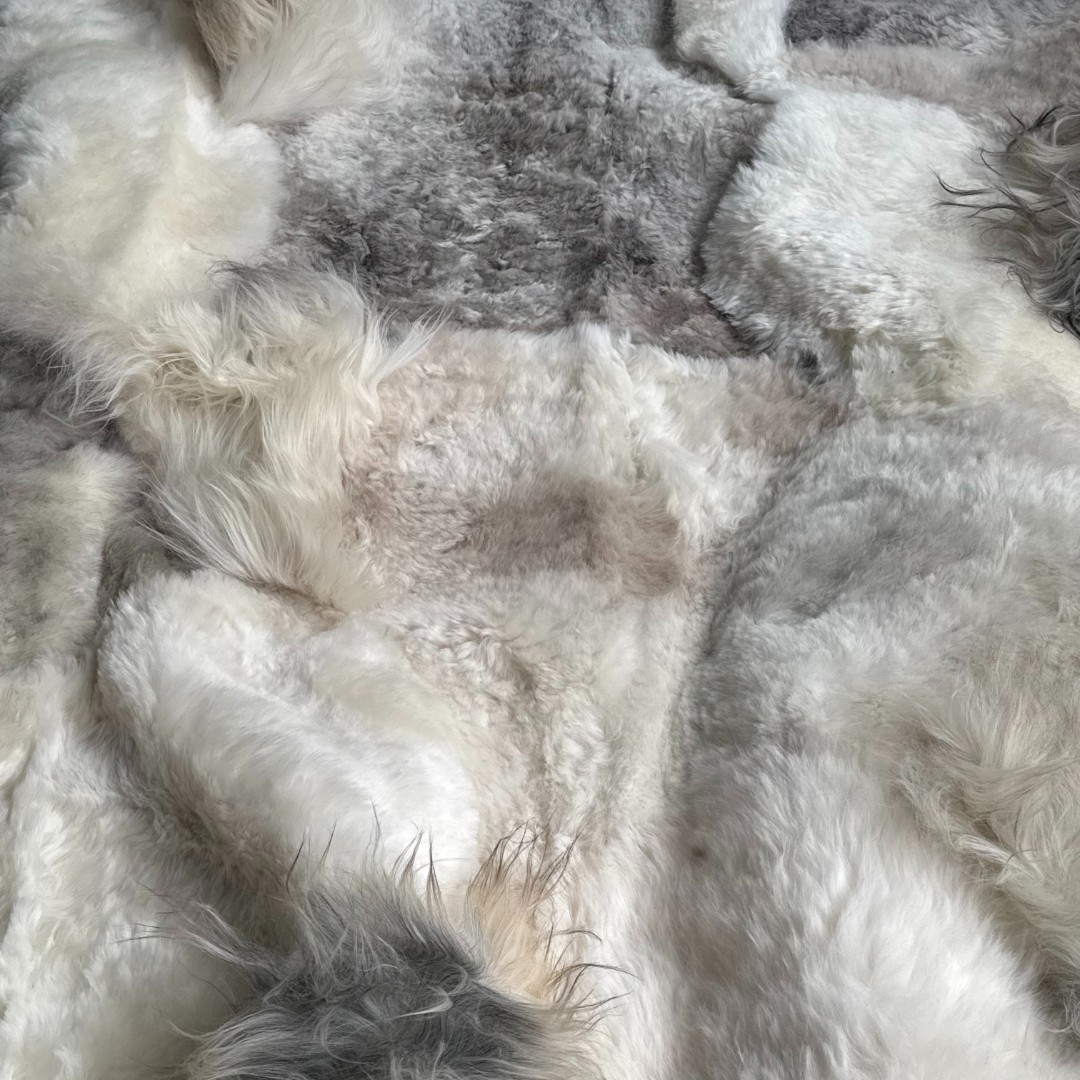
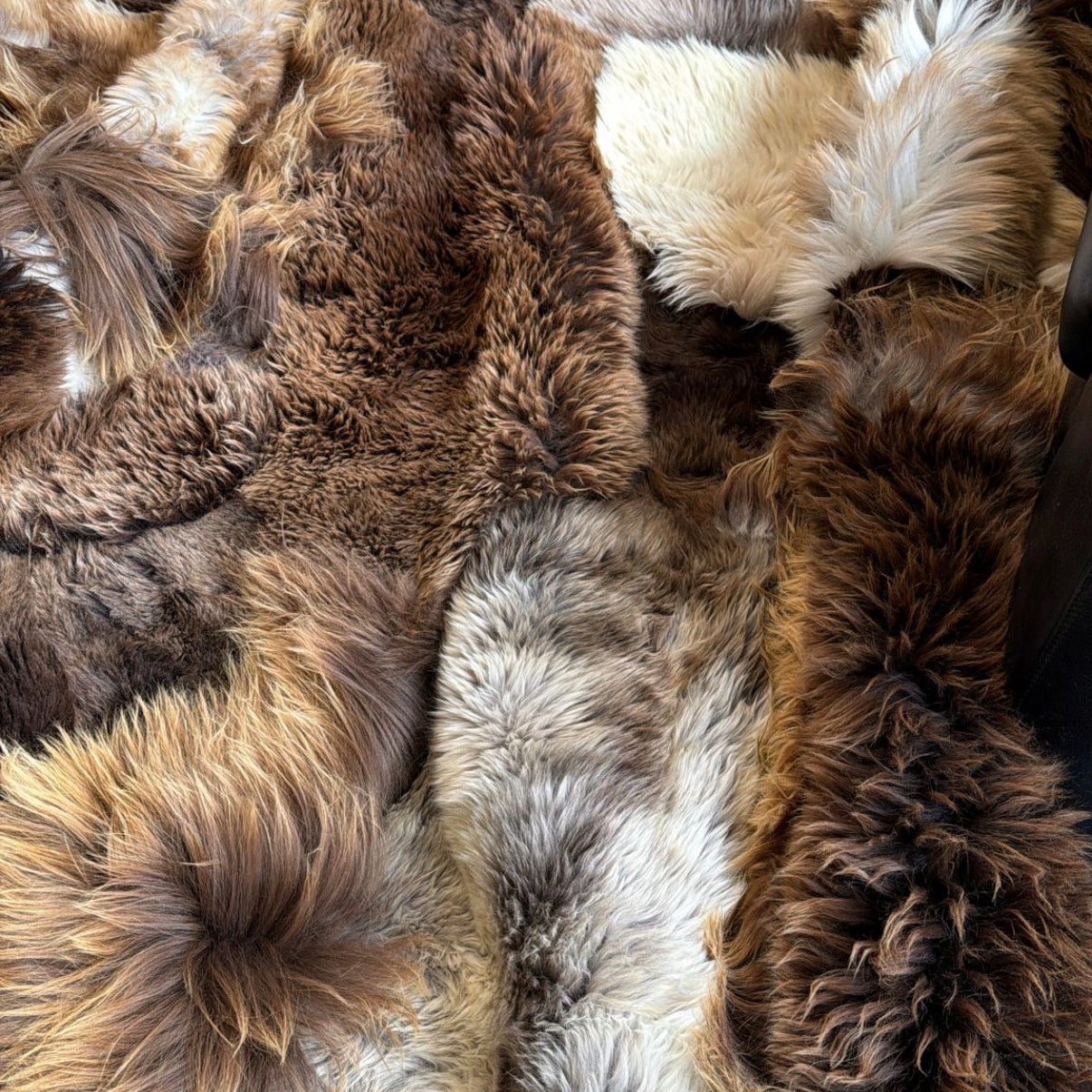
- Double fleece: tog (long outer coat) and þel (fine underwool).
Warmth and comfort
The underwool traps air, the outer coat lets moisture escape. Wool also regulates actively: the fibre absorbs moisture and releases warmth as it does so, then cools again as the moisture evaporates. A University of Sydney study (2019) showed that this property measurably improves sleep quality; a systematic review in the Journal of Sleep Research (2024) confirmed that wool as a sleep material gives shorter sleep-onset times than cotton.
Natural colours
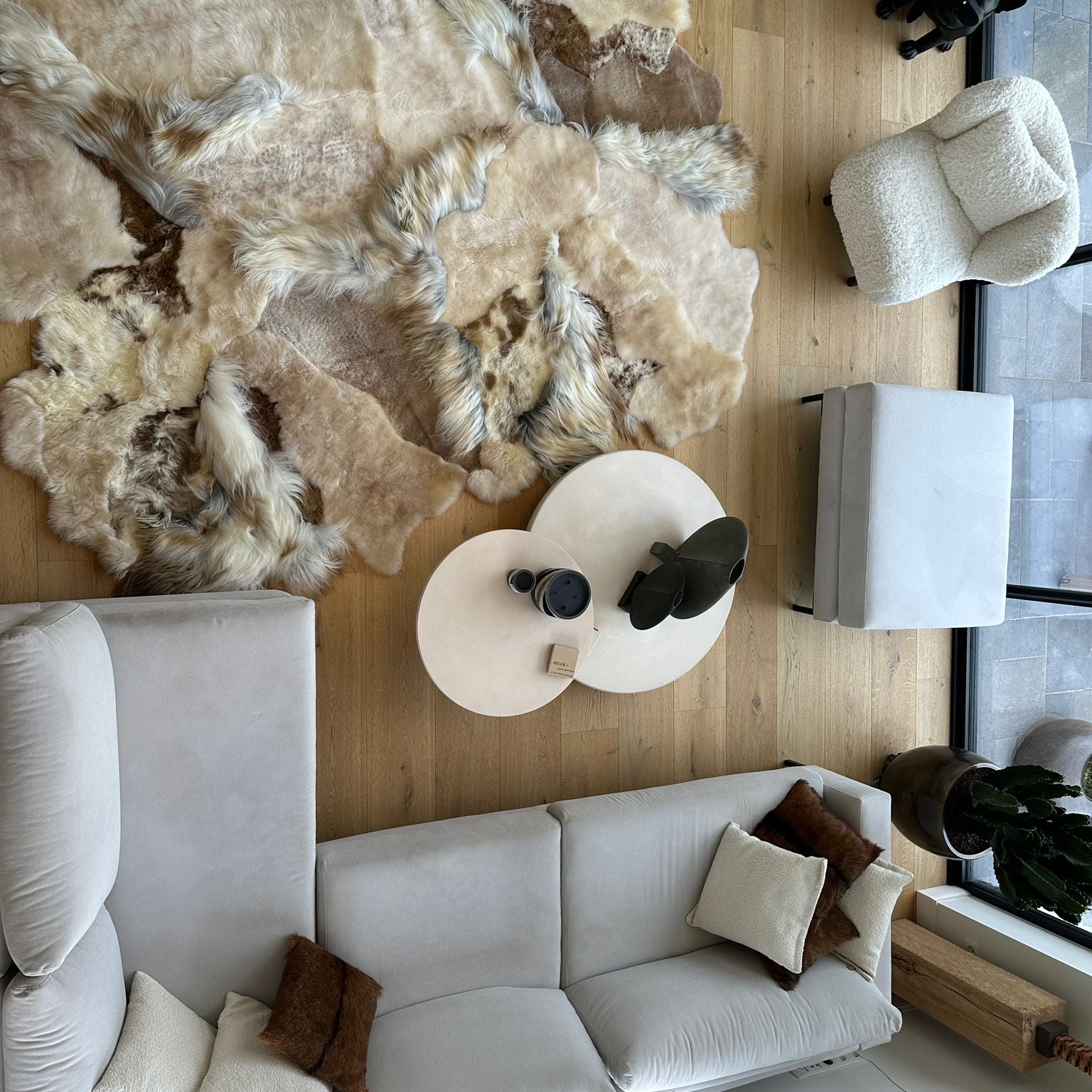
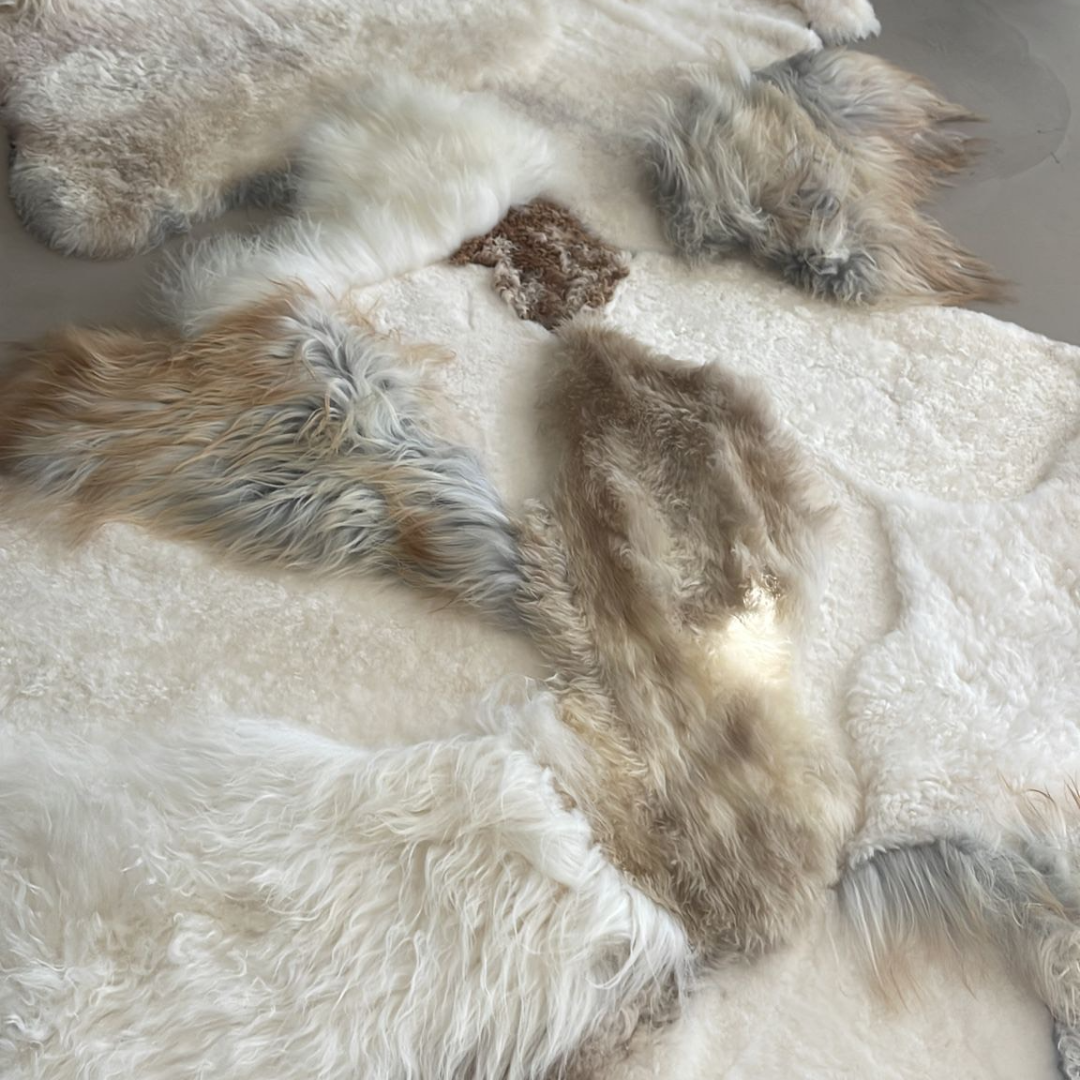
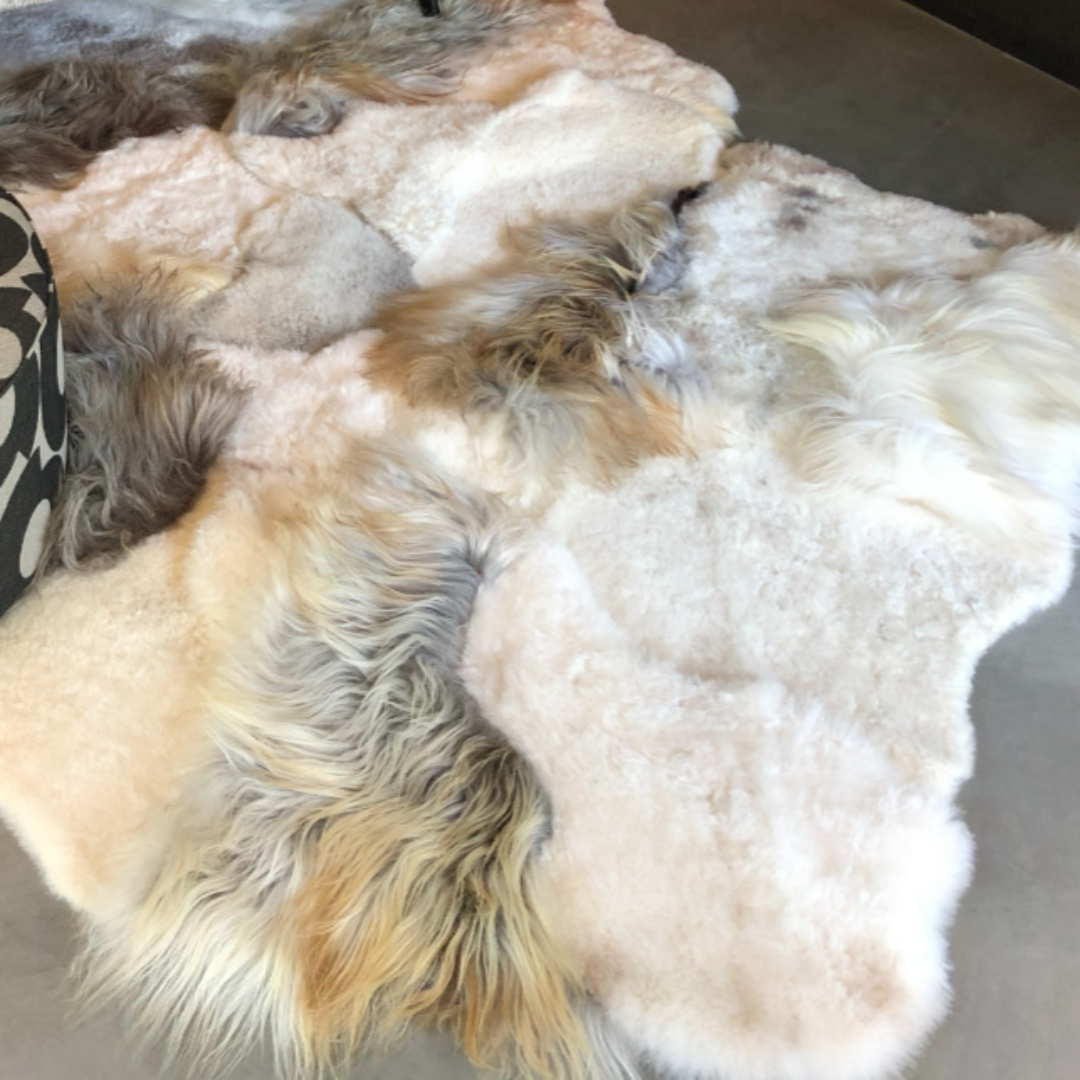
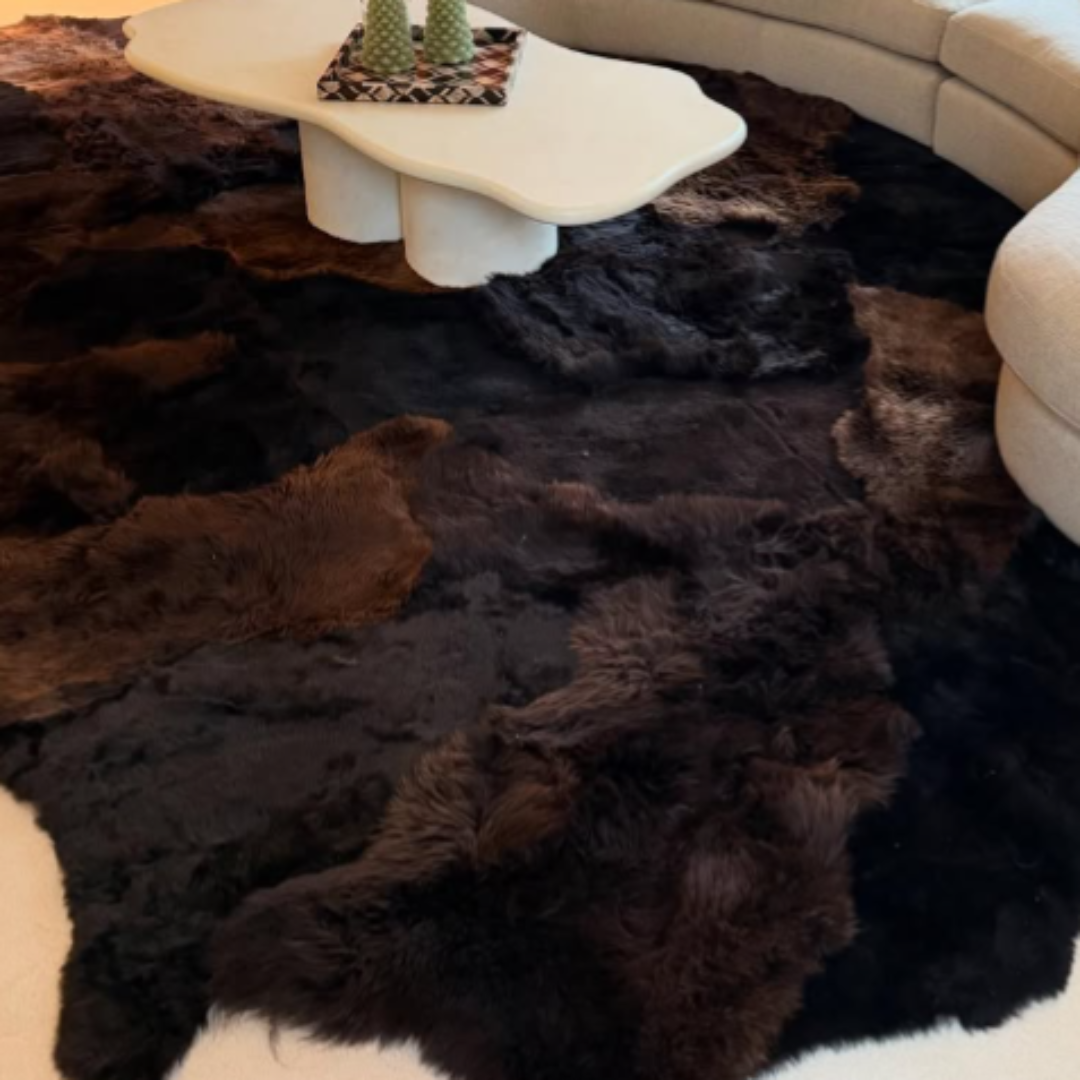
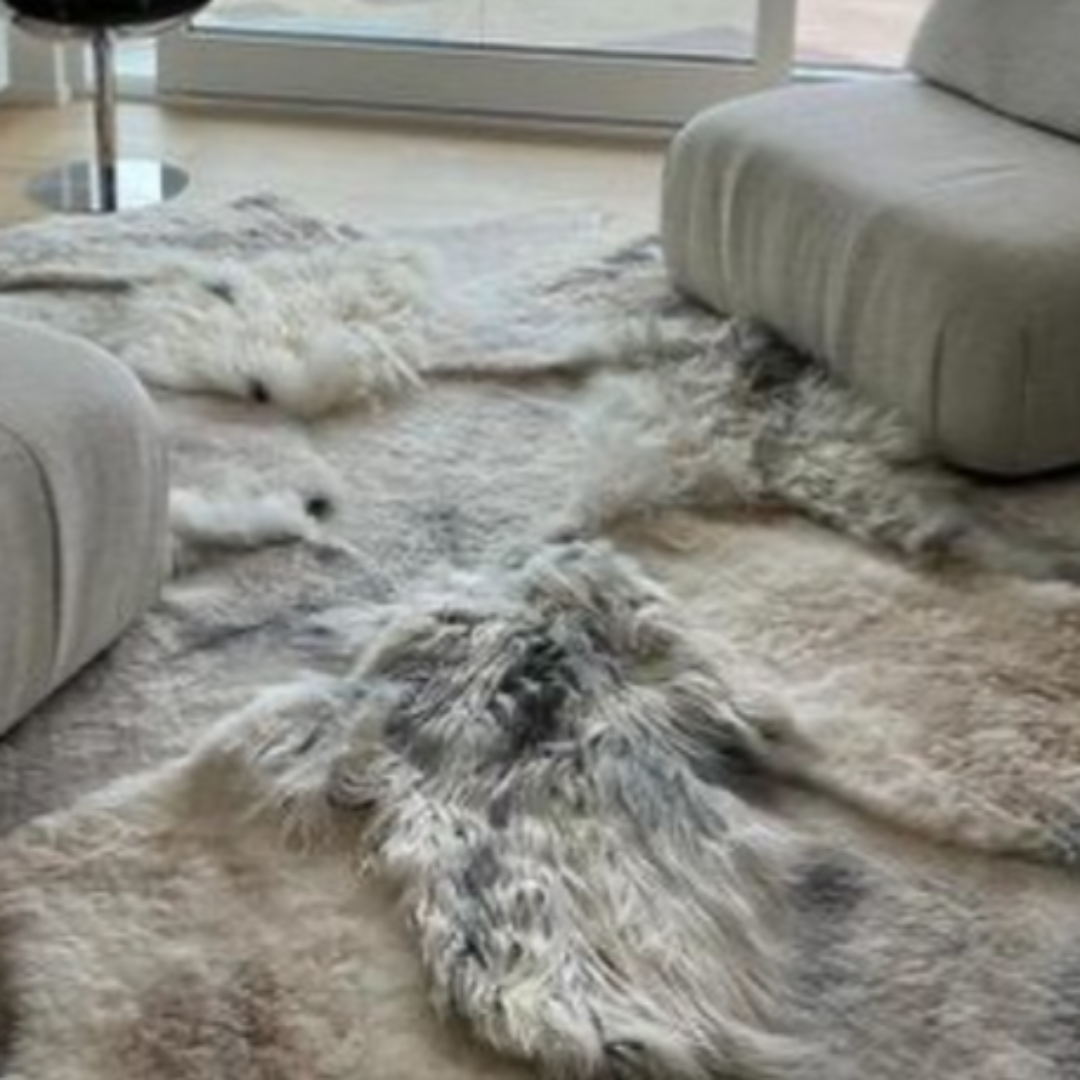
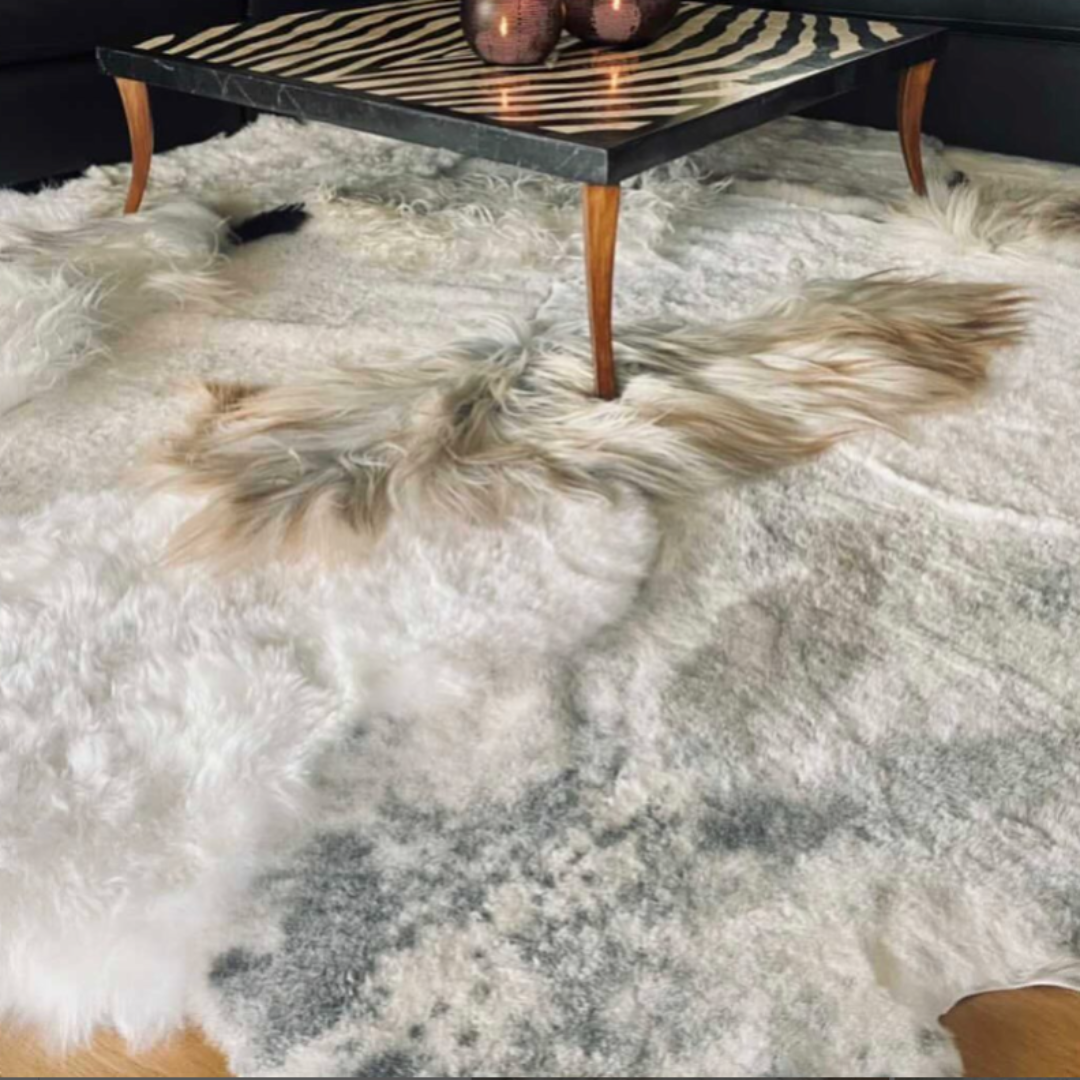
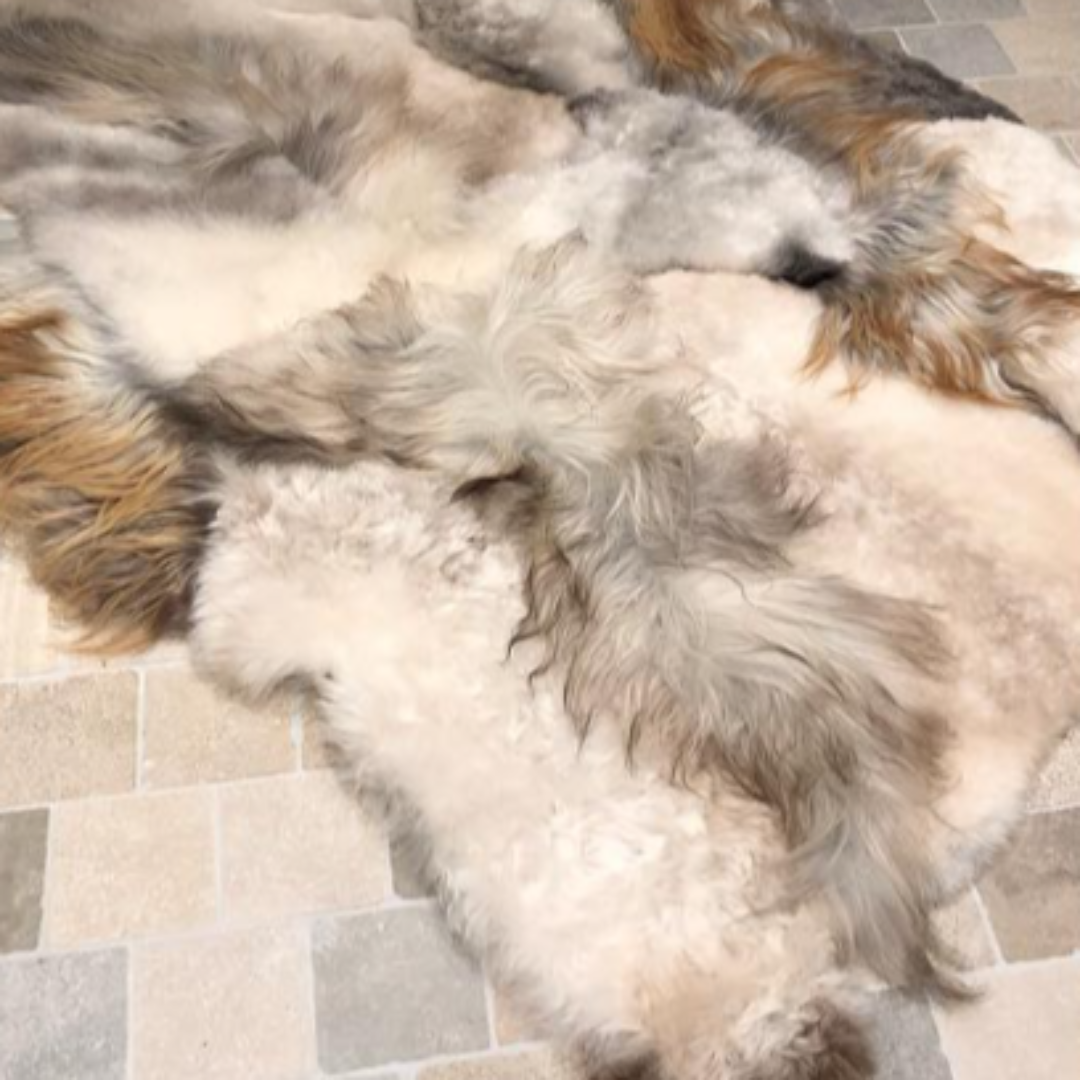
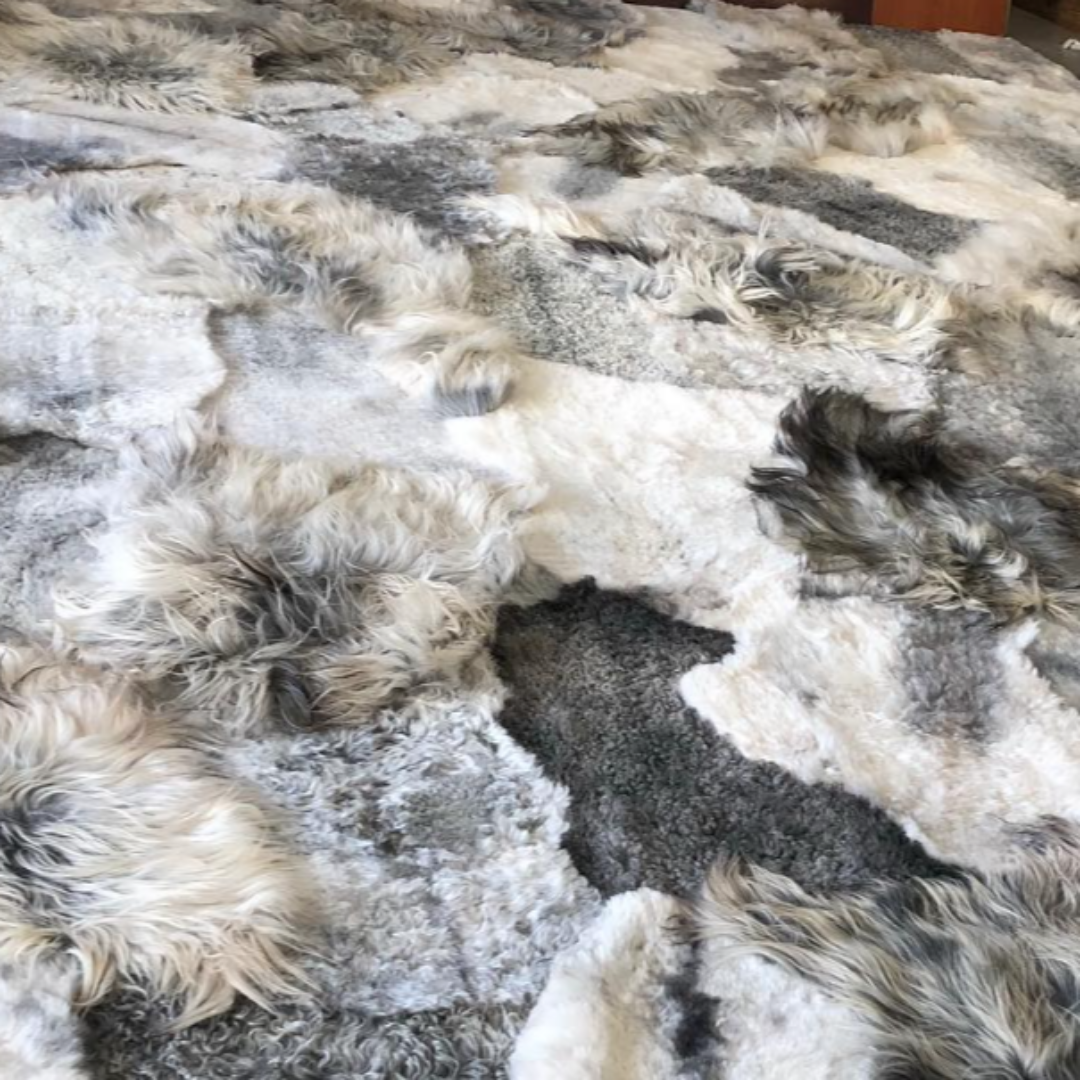
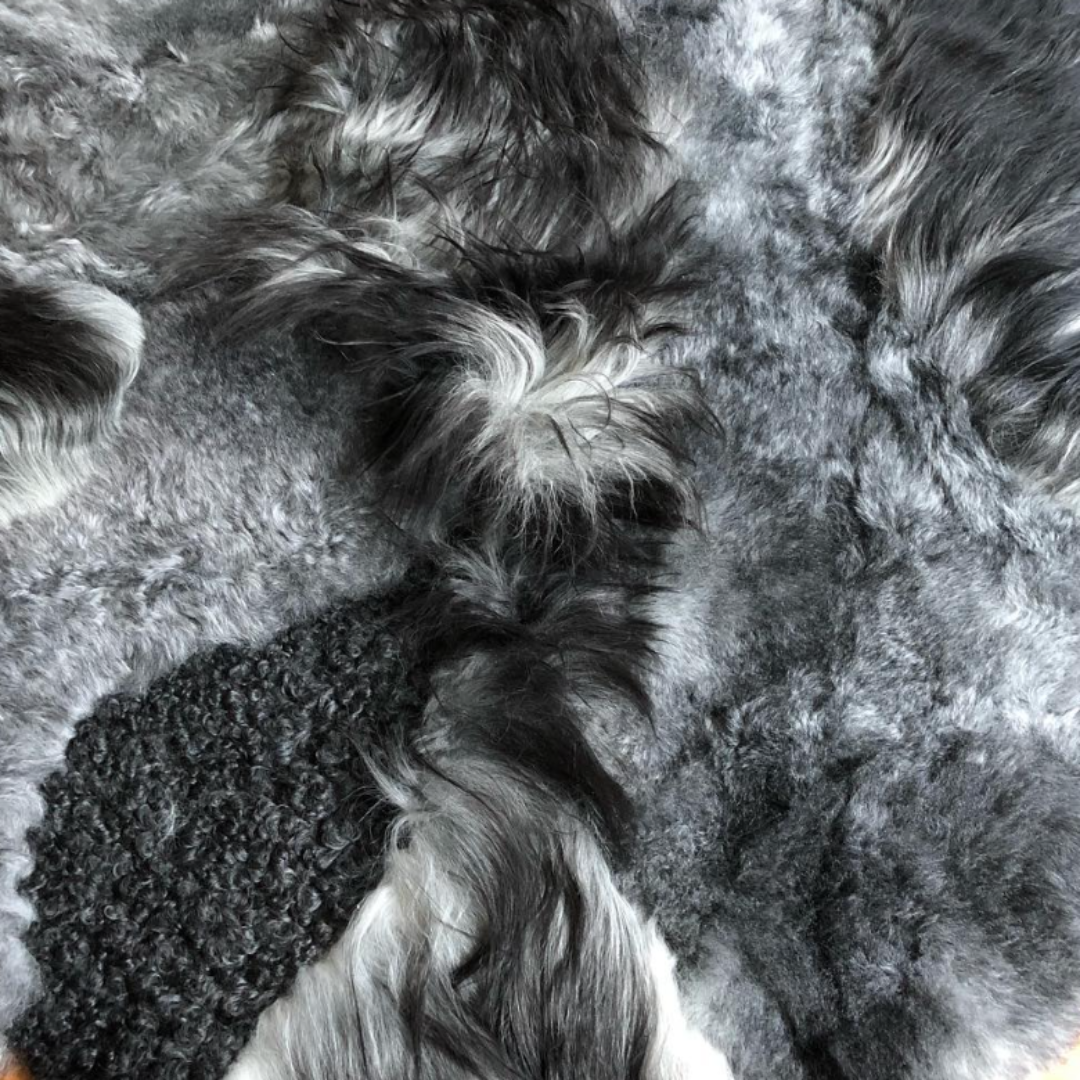
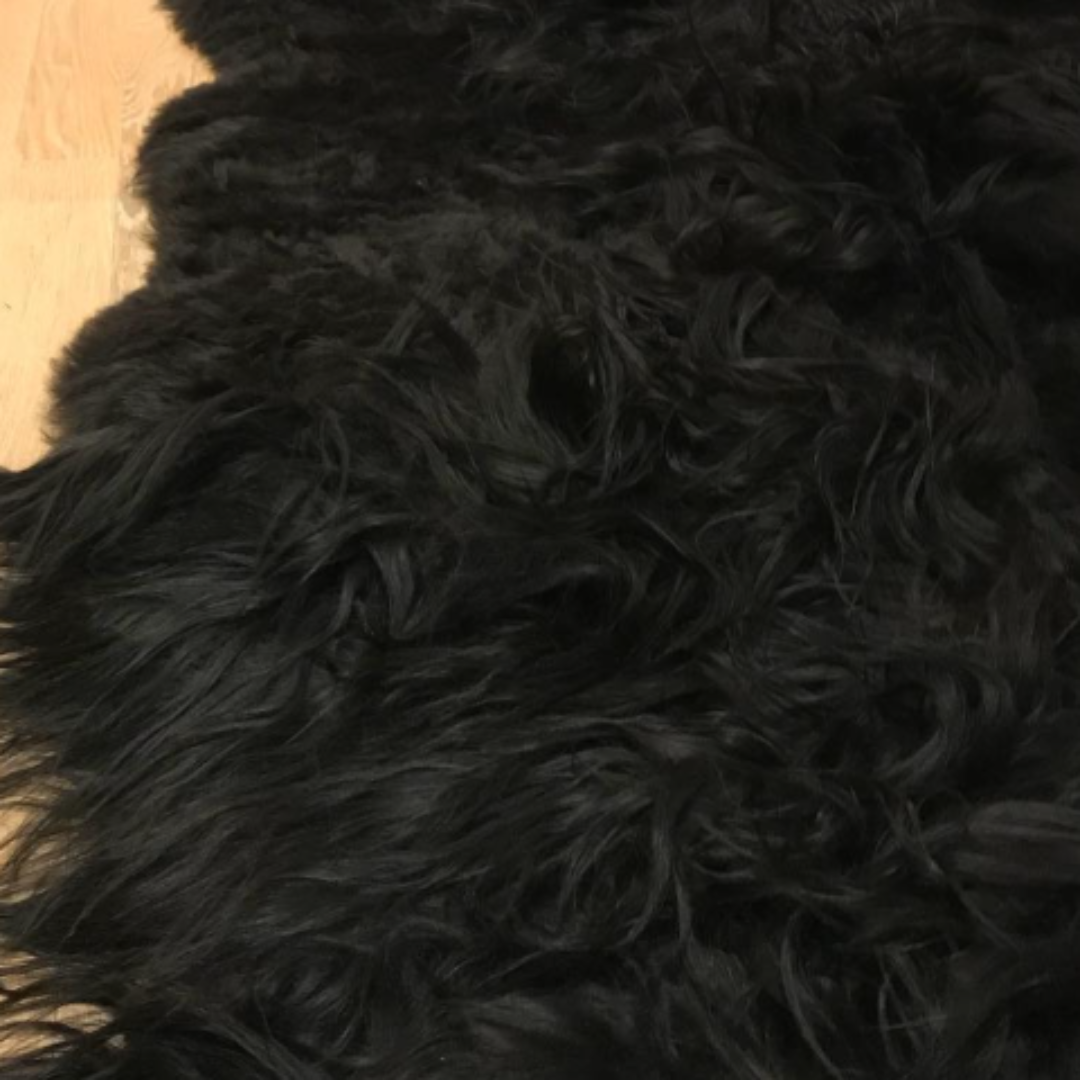
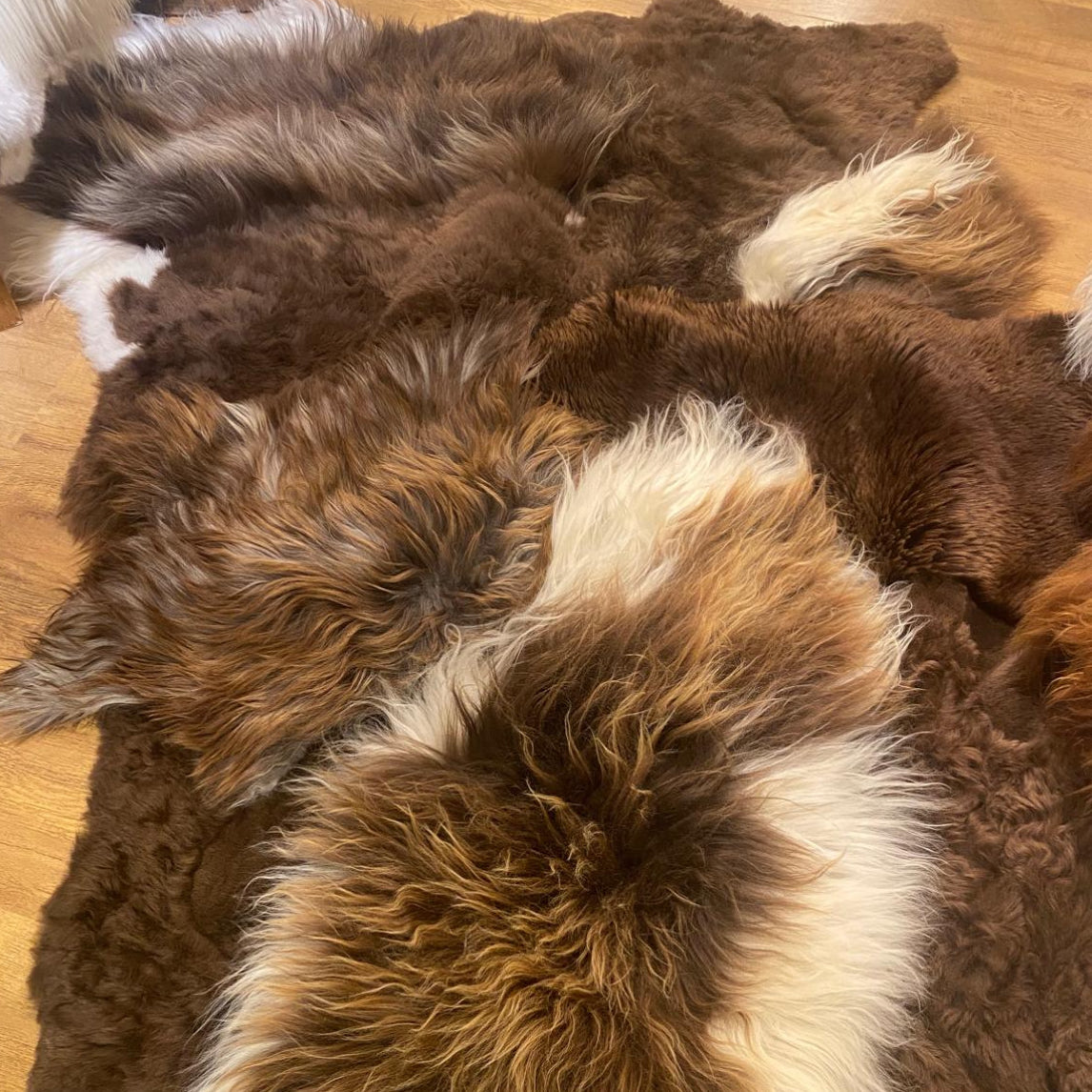
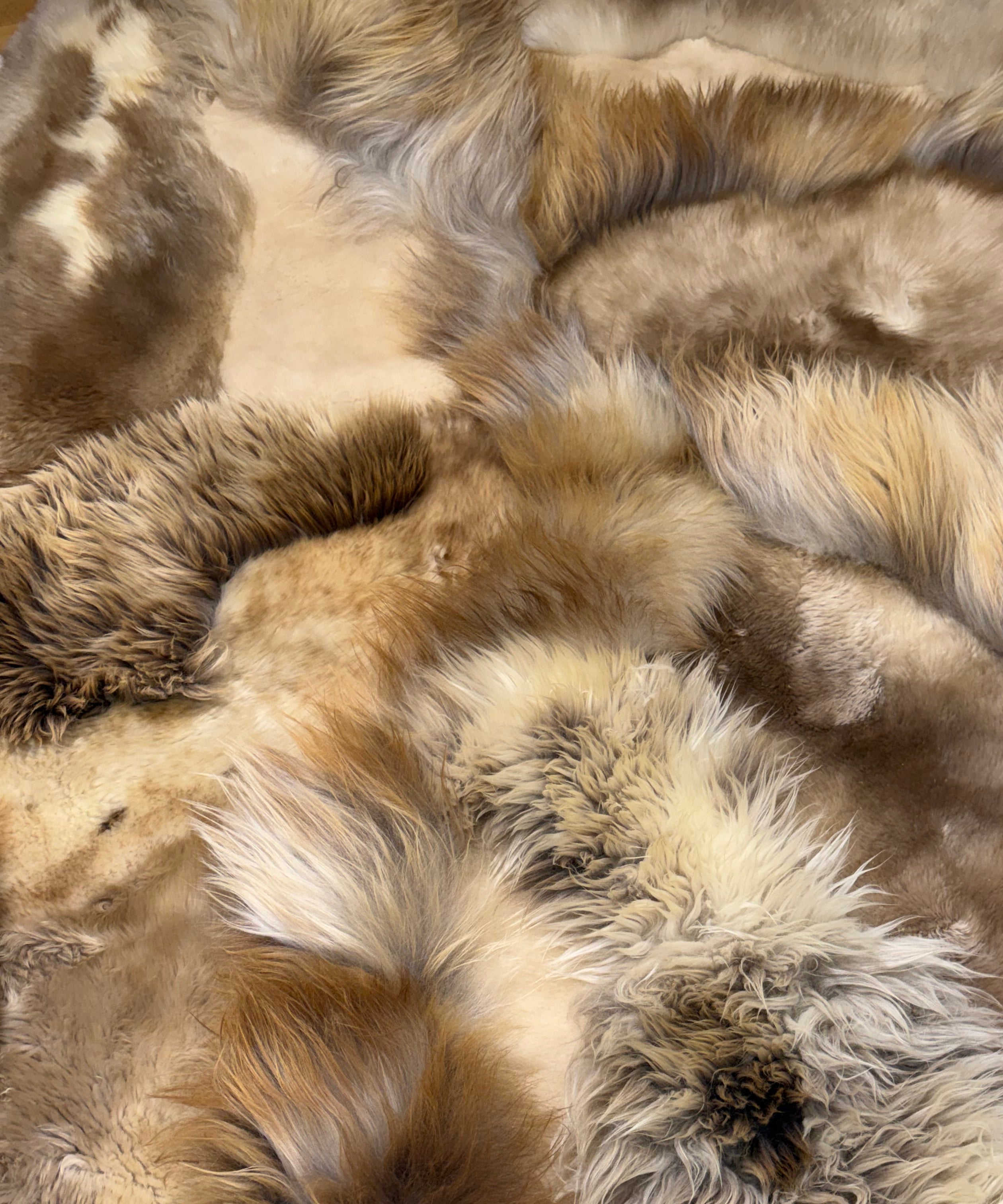
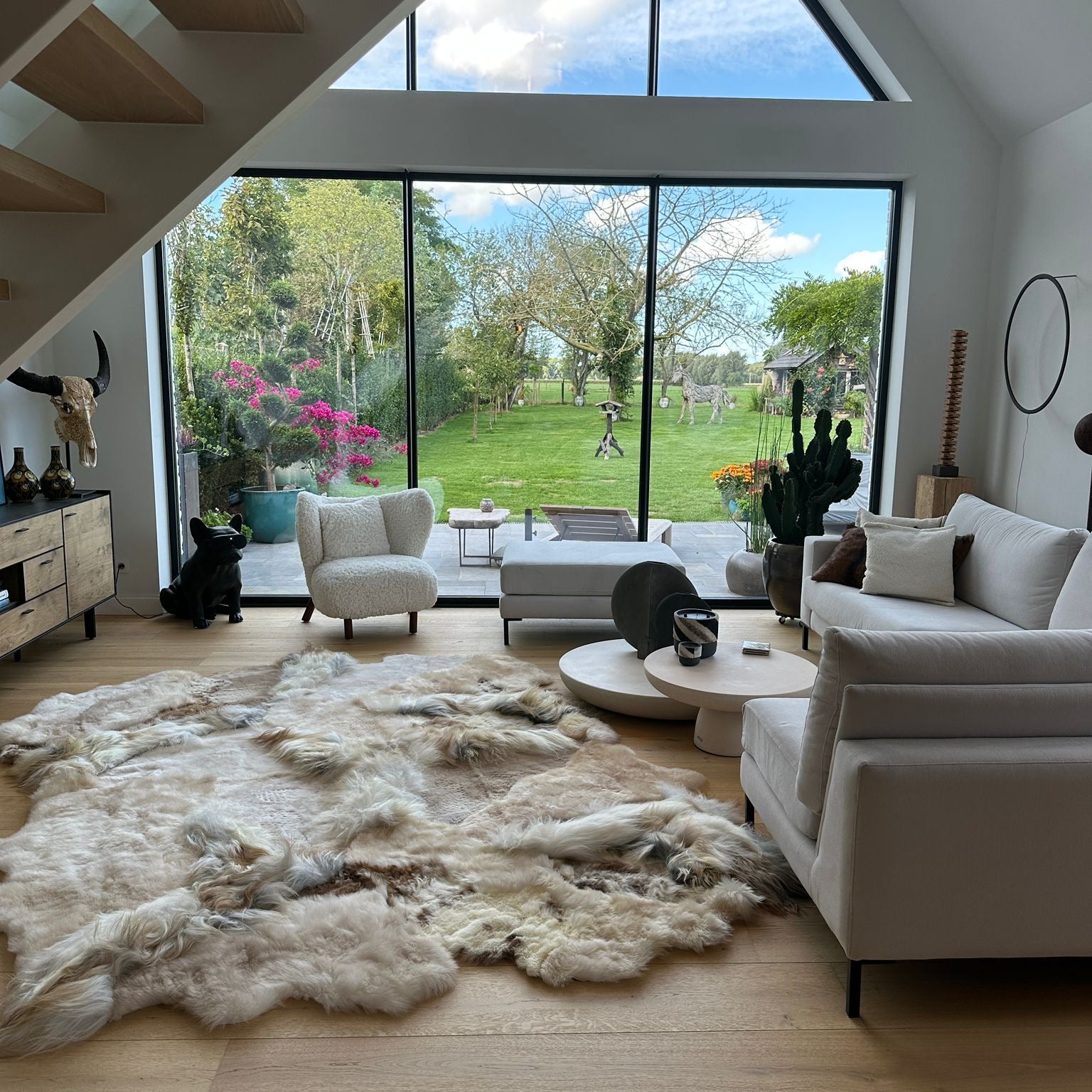
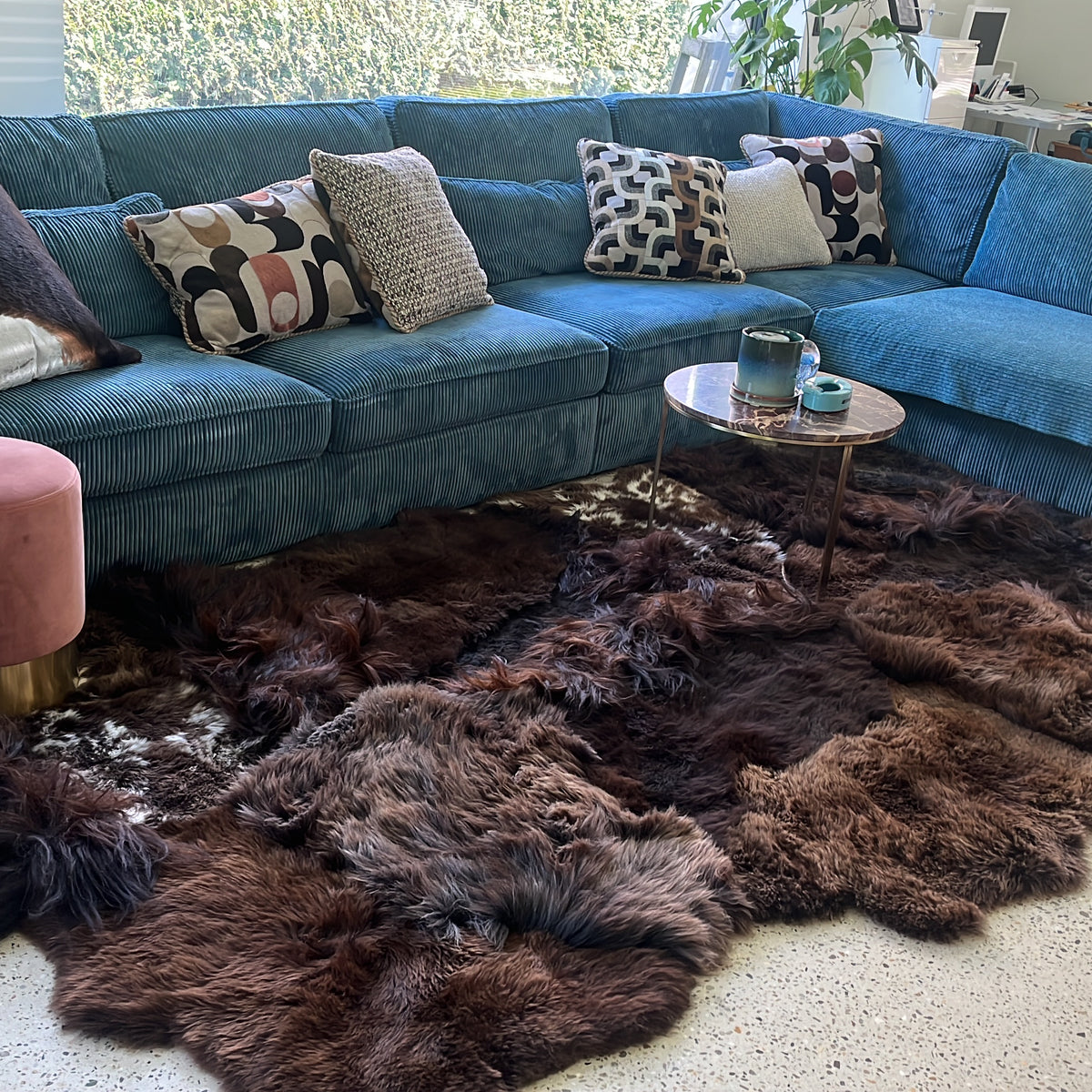
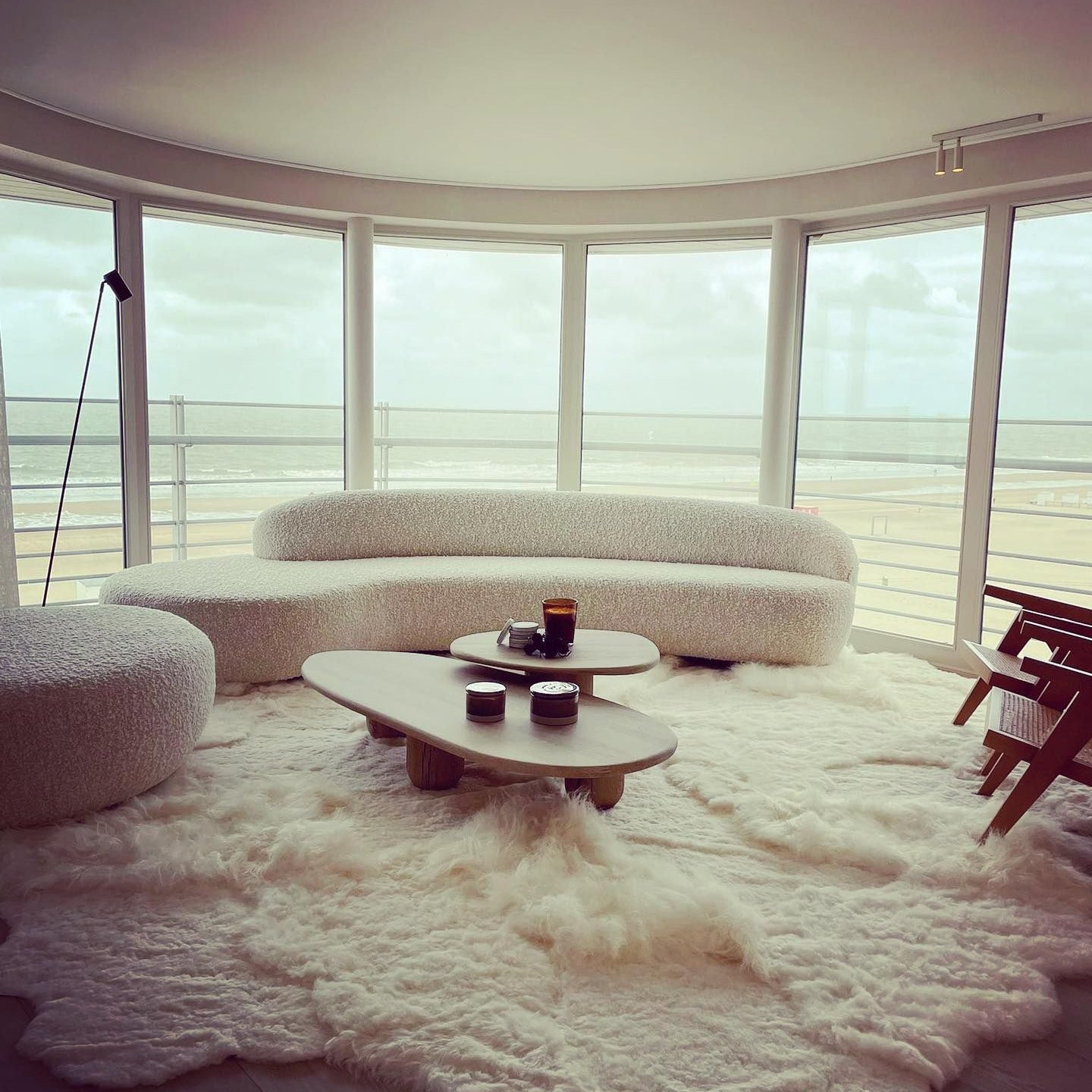
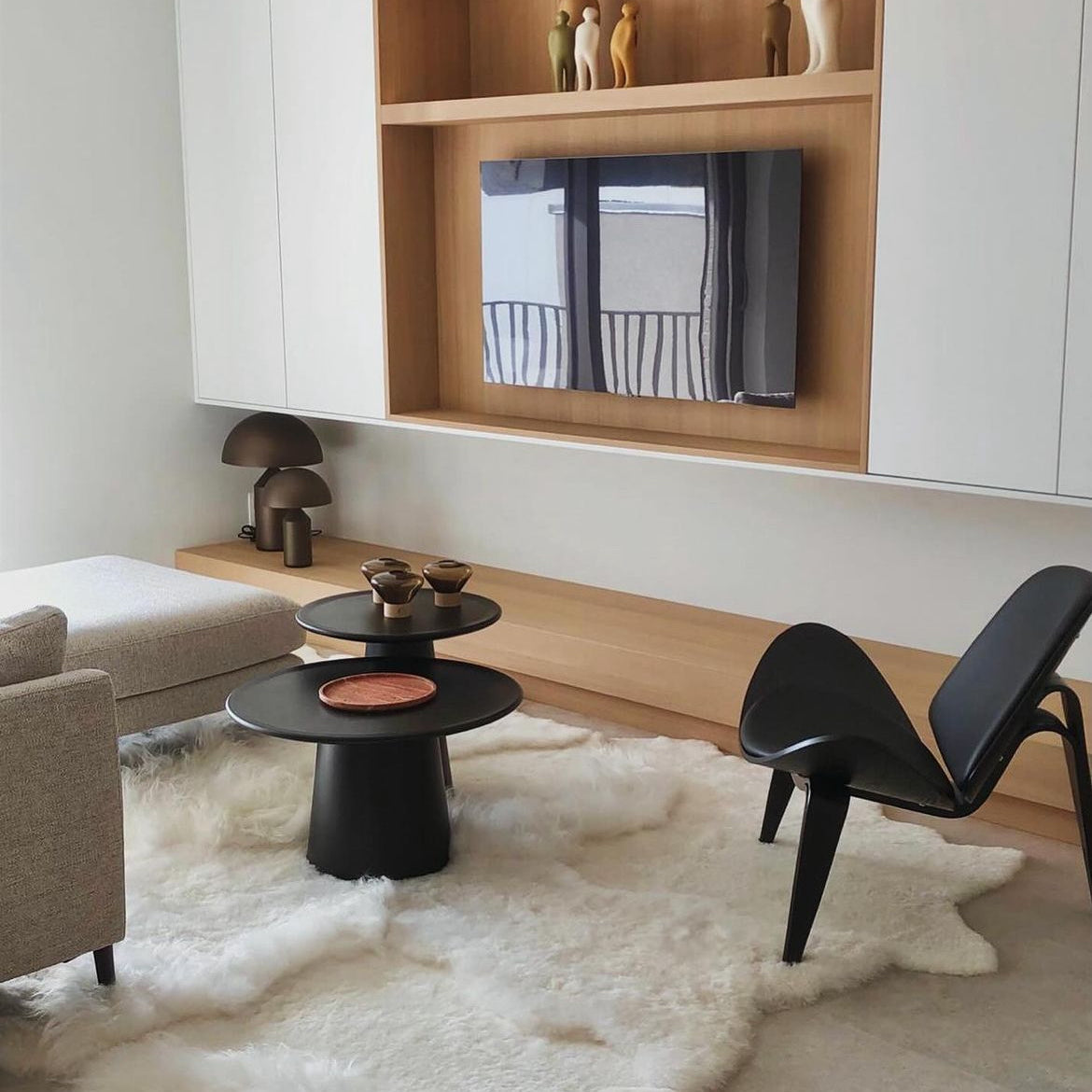
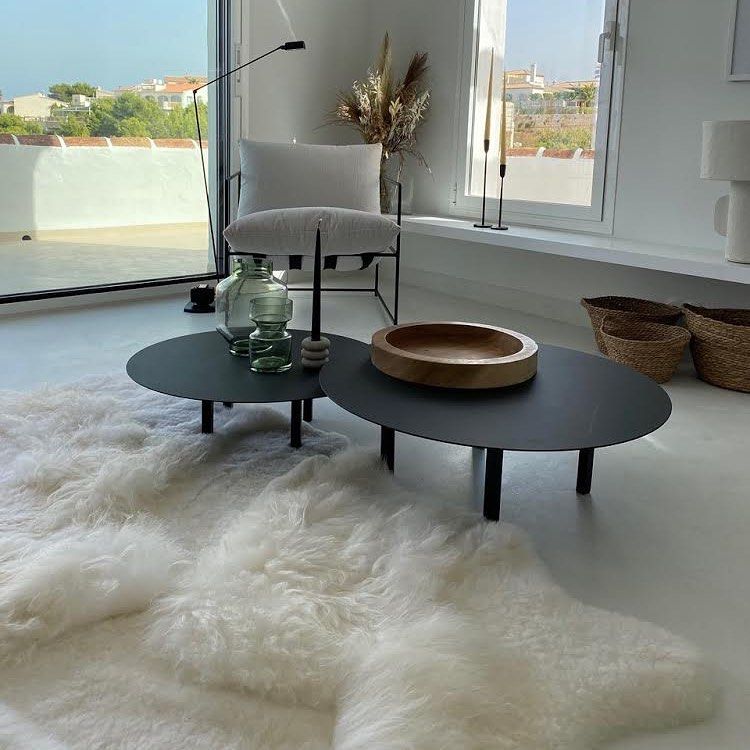
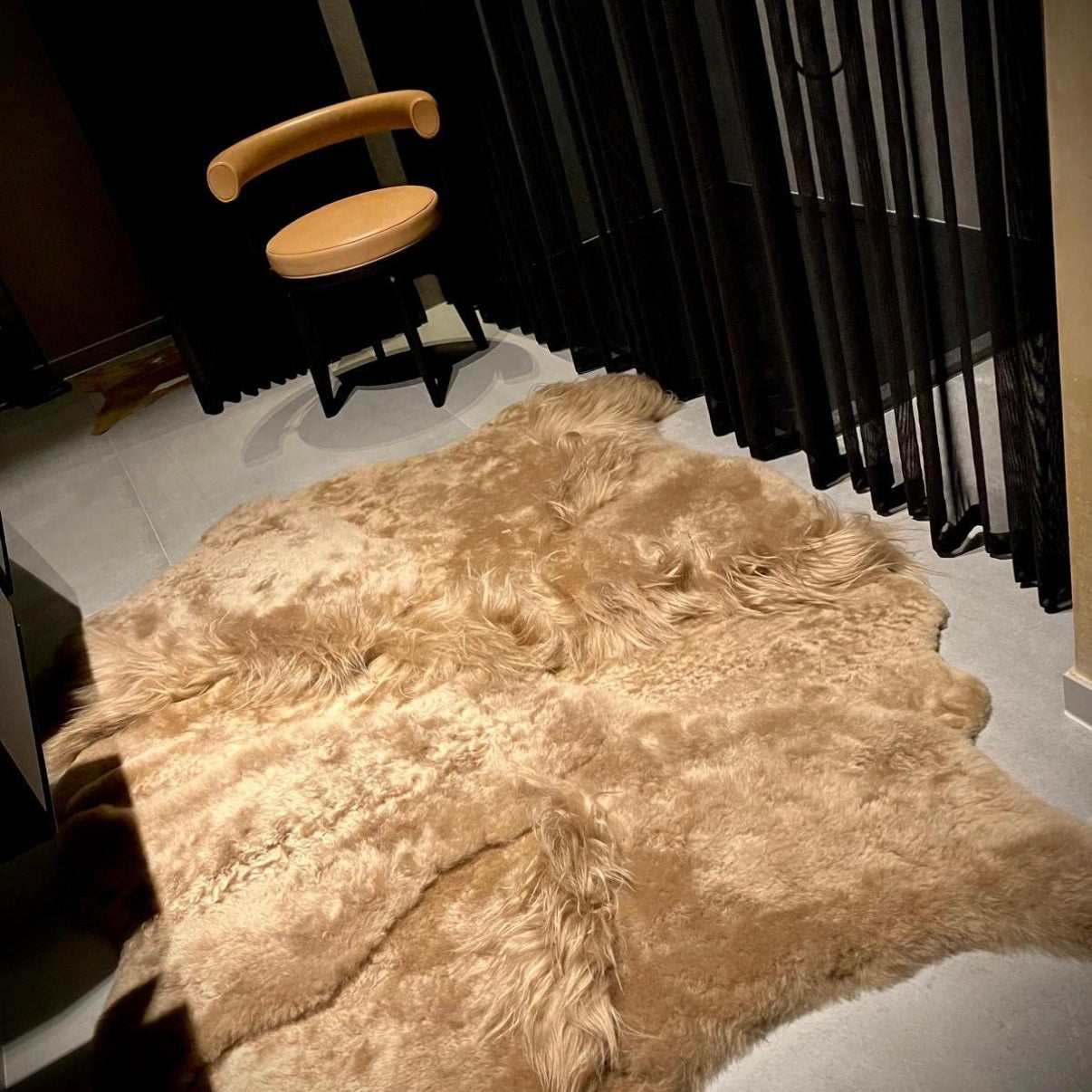
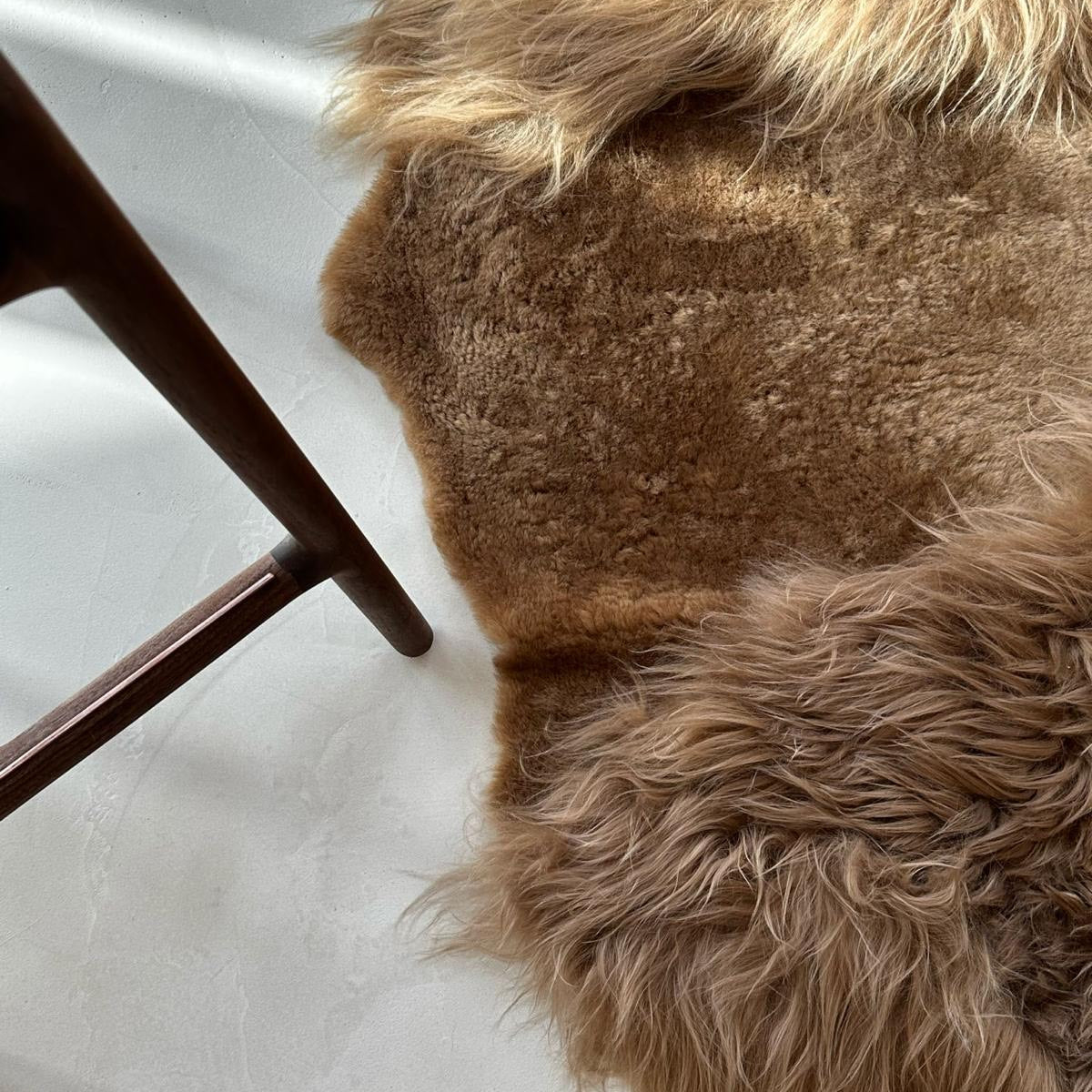
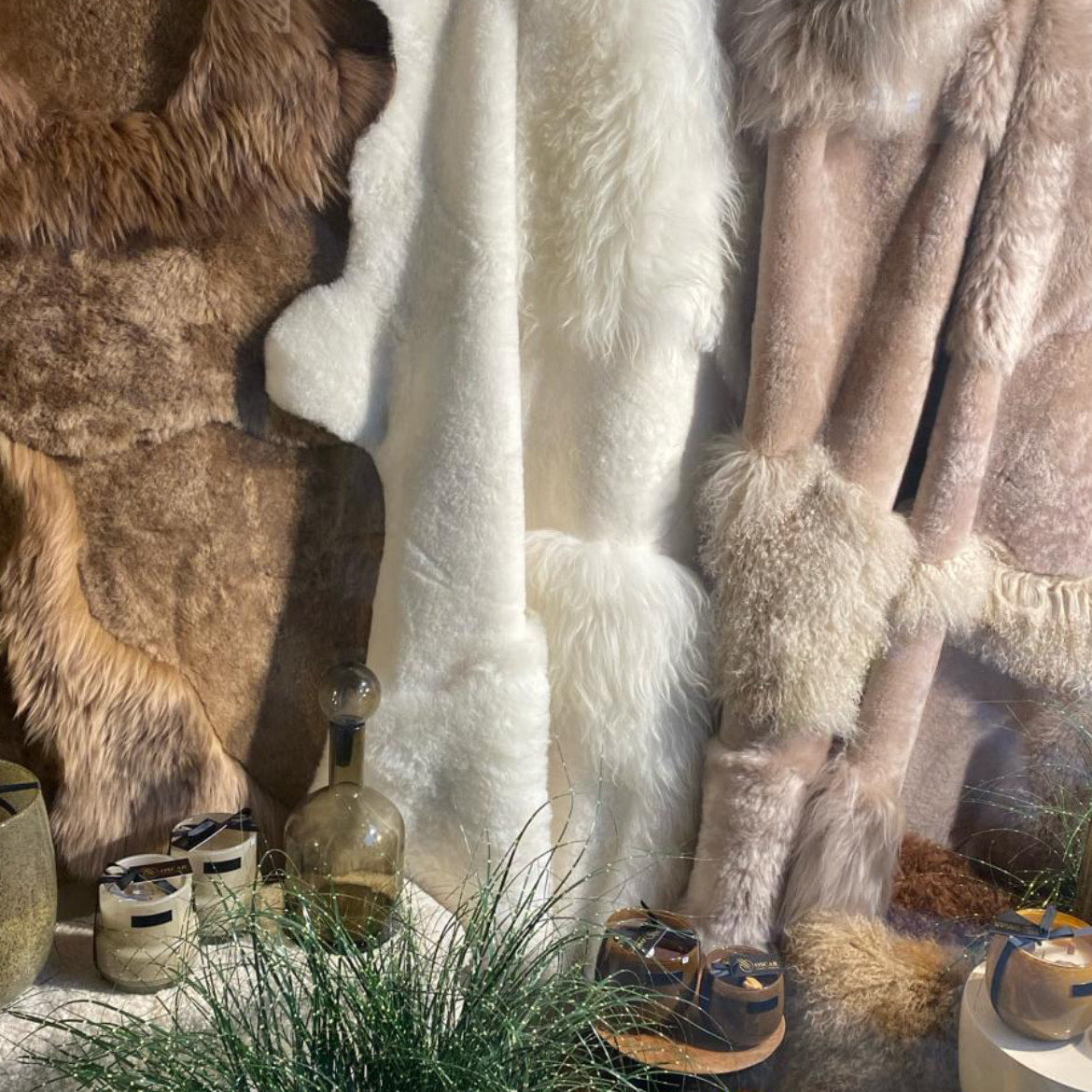
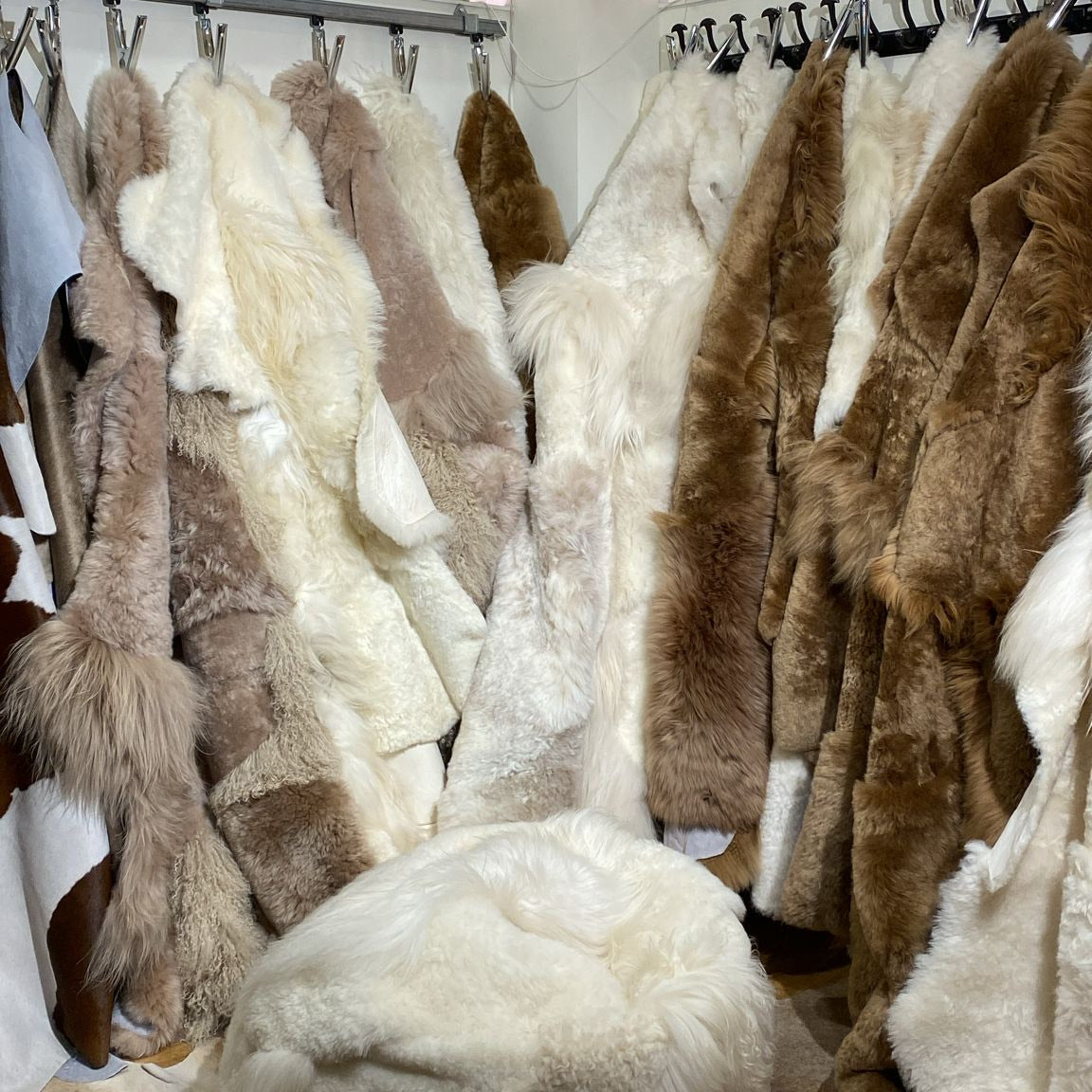
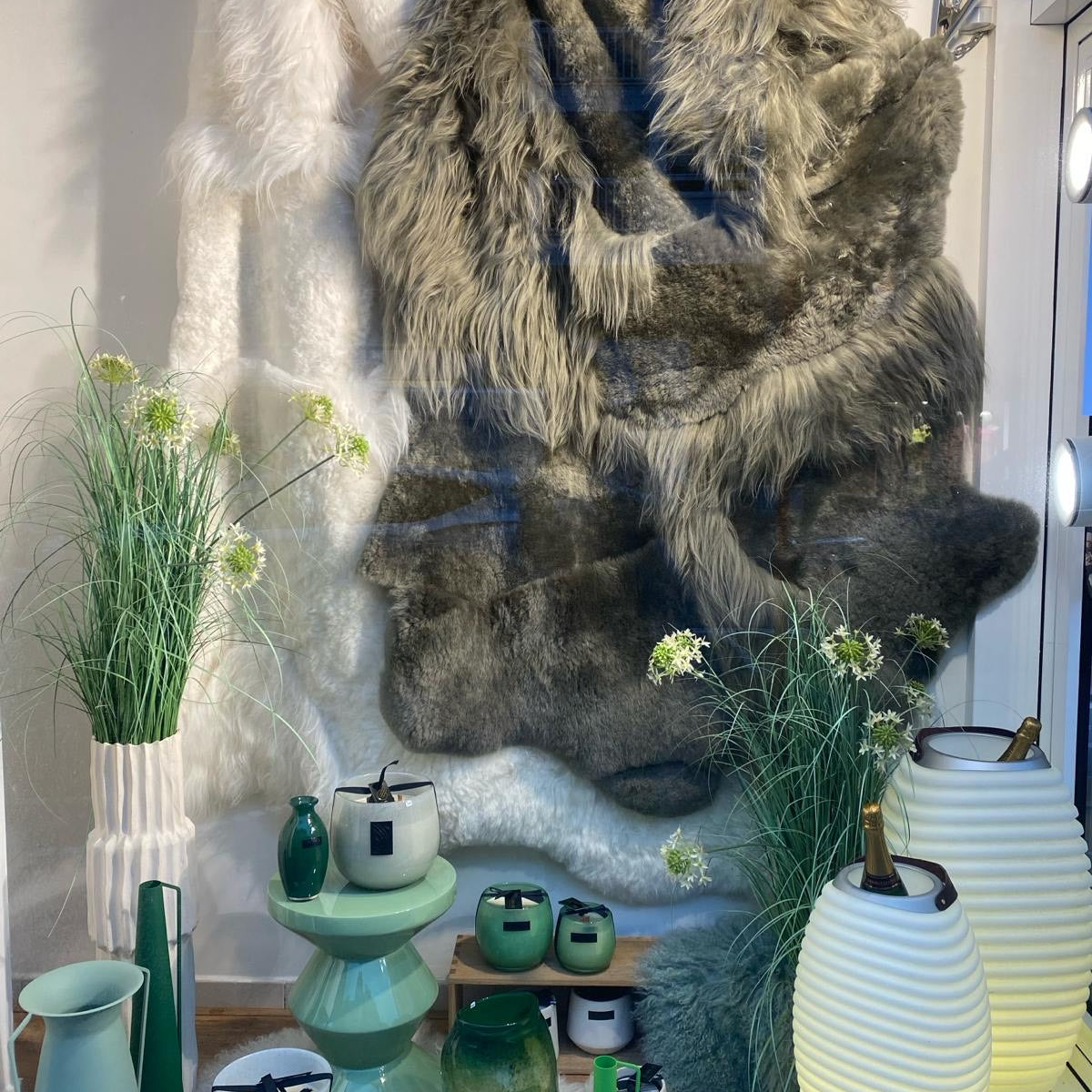
White, off-white, cream, beige, honey brown, grey, reddish brown and black — all undyed. Because every skin is slightly different, no two Monroe rugs are identical. Since September 2026 we also have a rare light-brown Melange variant, composed of honey-coloured skins.
Hypoallergenic and low-maintenance
Wool naturally repels dirt and odour: the lanolin and the scaly structure of the fibre keep dust on the surface, where it is easily beaten out. Wool also absorbs moisture and releases it quickly, giving house dust mites — which need a humid environment — little chance. Dermatological research at the Murdoch Children’s Research Institute (Su et al., British Journal of Dermatology, 2017) even showed that superfine wool worn on the skin reduced eczema symptoms in children compared with cotton. Regular beating and airing is enough; washing is rarely needed. Read our care tips.
Lifespan
A good-quality Icelandic skin keeps its volume for years. Wool fibres can bend tens of thousands of times without breaking, and because we stitch every seam with gold thread and offer lifetime service, a Monroe rug typically lasts 15 to 25 years.
What does a Monroe rug cost?
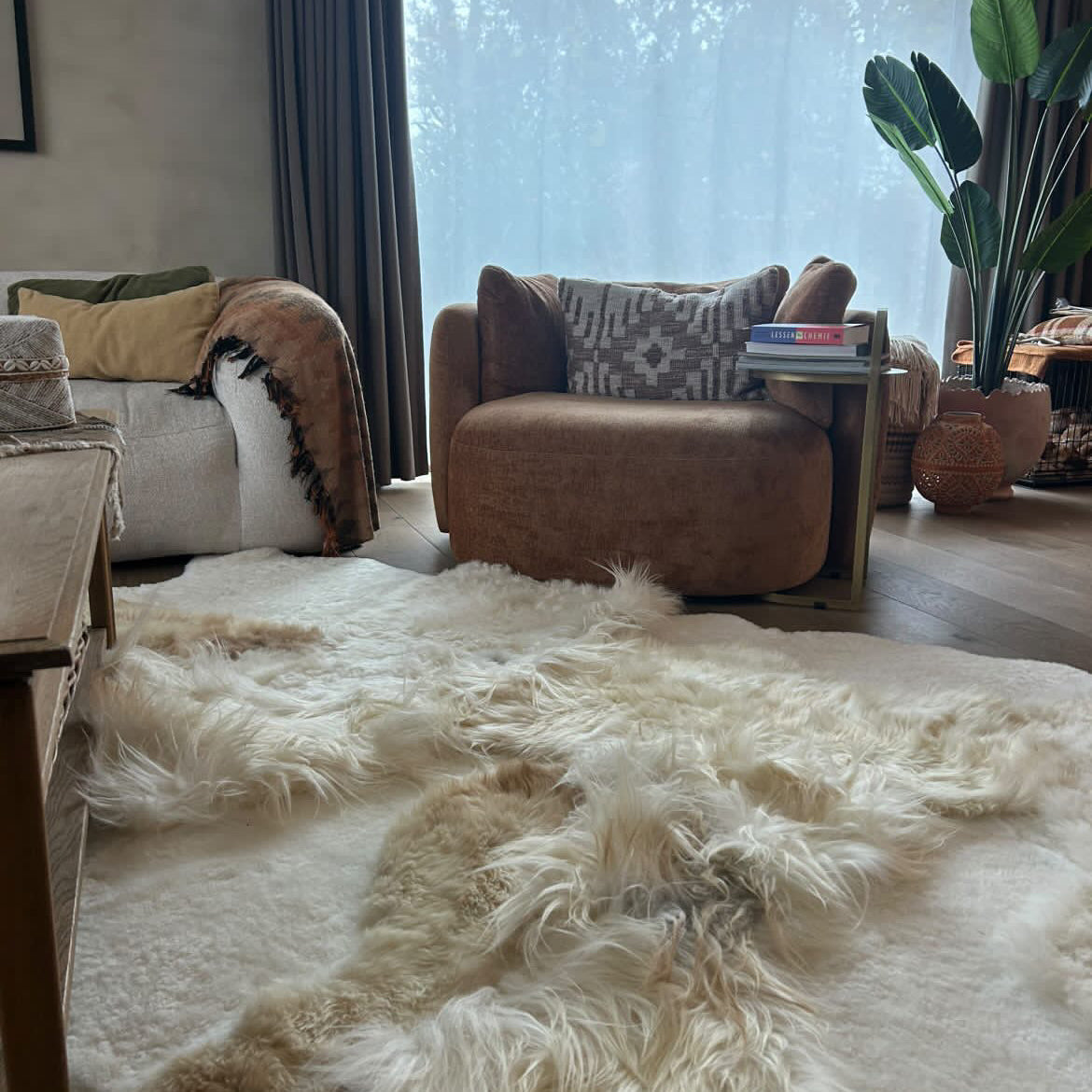
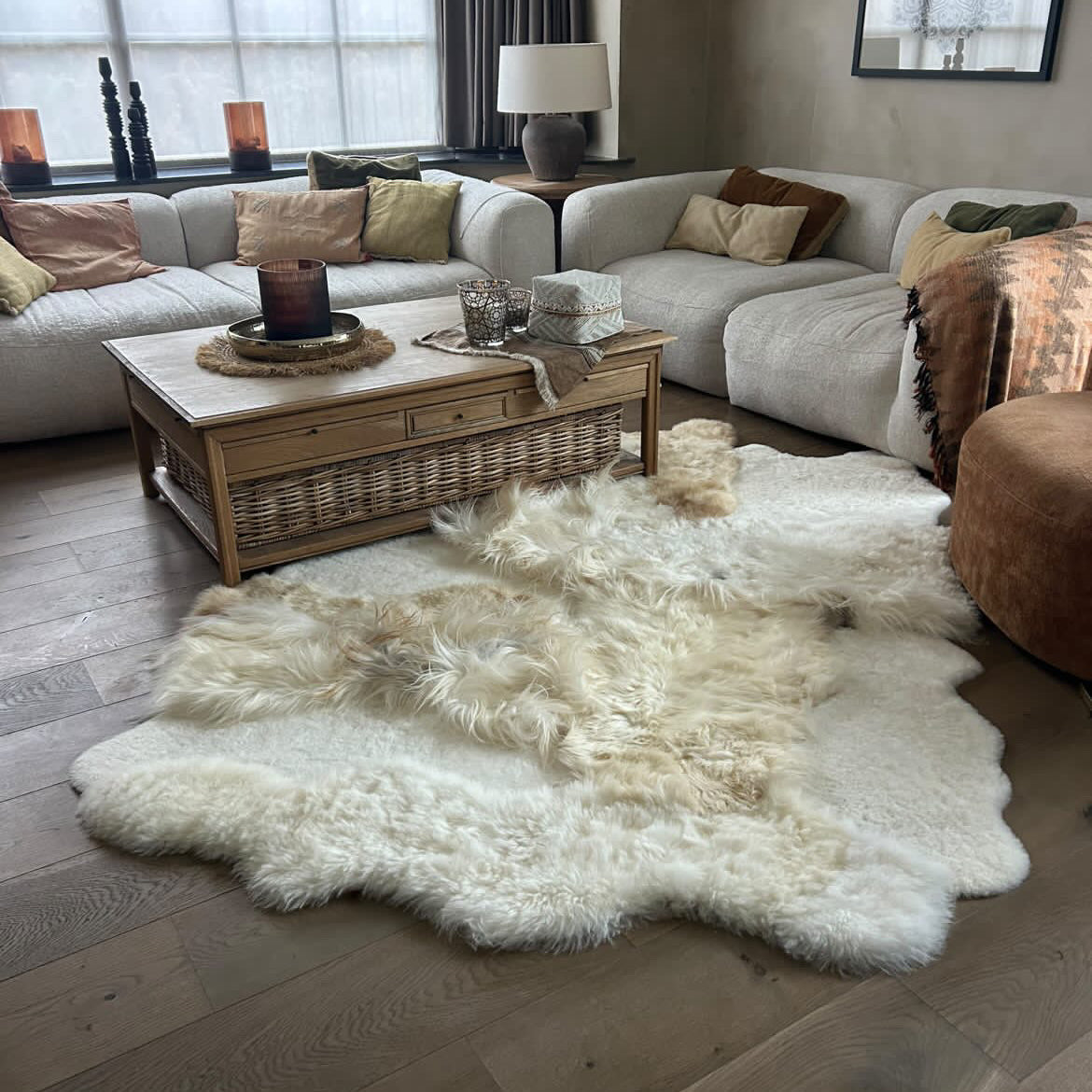
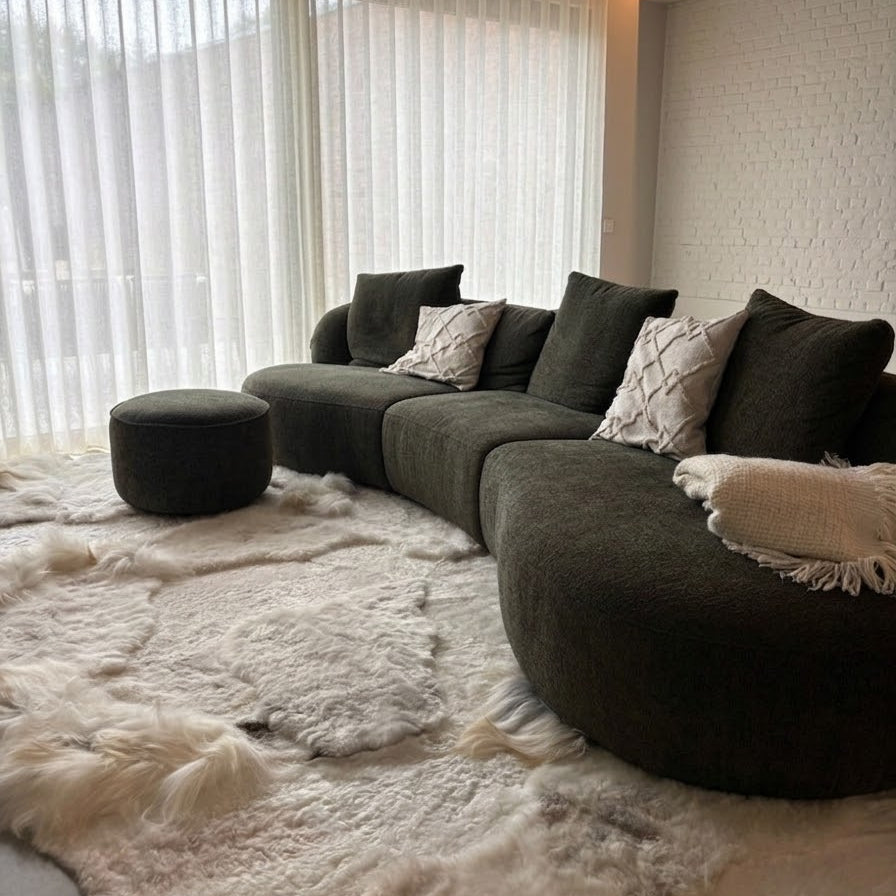
A white or off-white patchwork rug costs €529 (125 × 185 cm) to €2,880 (305 × 405 cm). A Melange starts at €629, a Coloured rug at €649; the rare light brown runs up to €3,699 for 300 × 400 cm. Bespoke on request, free delivery in Belgium. If you want to start small: the mini patchwork costs €99 to €119.
Frequently asked questions
What is the difference between an Icelandic and an ordinary sheepskin?
An Icelandic skin has two layers (long outer coat and fine underwool) and is therefore thicker, warmer and springier; most other skins have one uniform layer.
Is an Icelandic sheepskin suitable for people with allergies?
For most people wool is hypoallergenic: the fibre does not shed dust, repels dust mites and contains no synthetic substances. If you are allergic to lanolin, ask for a sample first.
How do I recognise a genuine Icelandic skin?
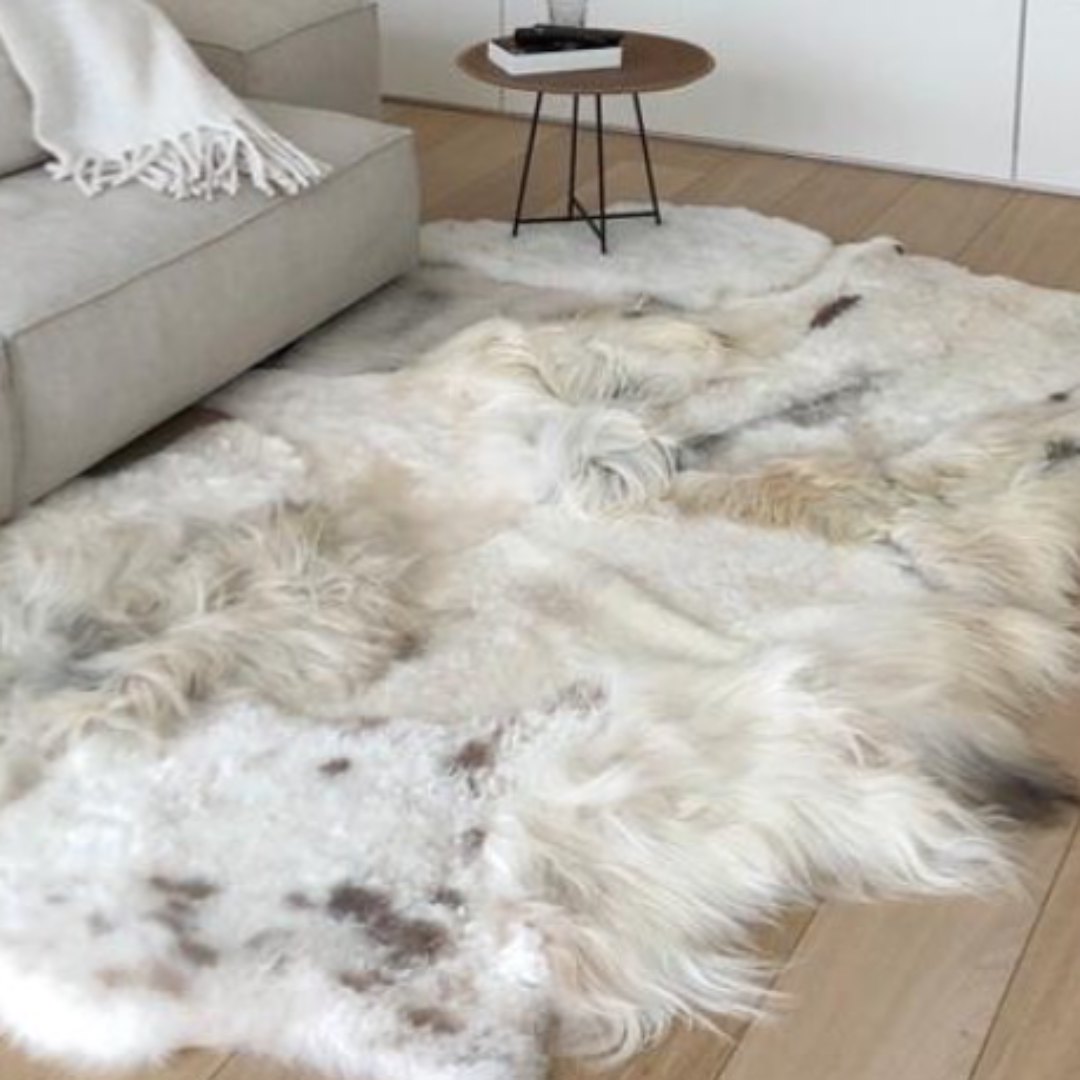
By the long, slightly wavy outer coat (often 10 to 25 cm) above a dense, fine underwool, and by the natural colour variations within a single skin.
Are the skins ethically sourced?
The skins are a by-product of Icelandic livestock farming, where sheep graze freely for much of the year, and are tanned chrome-free in Europe.
Still unsure? Send a photo of your room via WhatsApp and within a day you get a free trial image of the rug in your own interior, no strings attached. Or come and feel it in the shop, Dumortierlaan 115, Knokke. See the rugs · Size guide · Rug Studio